


Stillness in Ayodhya: Dawn on the Saryu
Ayodhya has no yoga studios and one of the quietest hours in India. Where to practise, where to stay, and how to find calm in a town built around a queue.
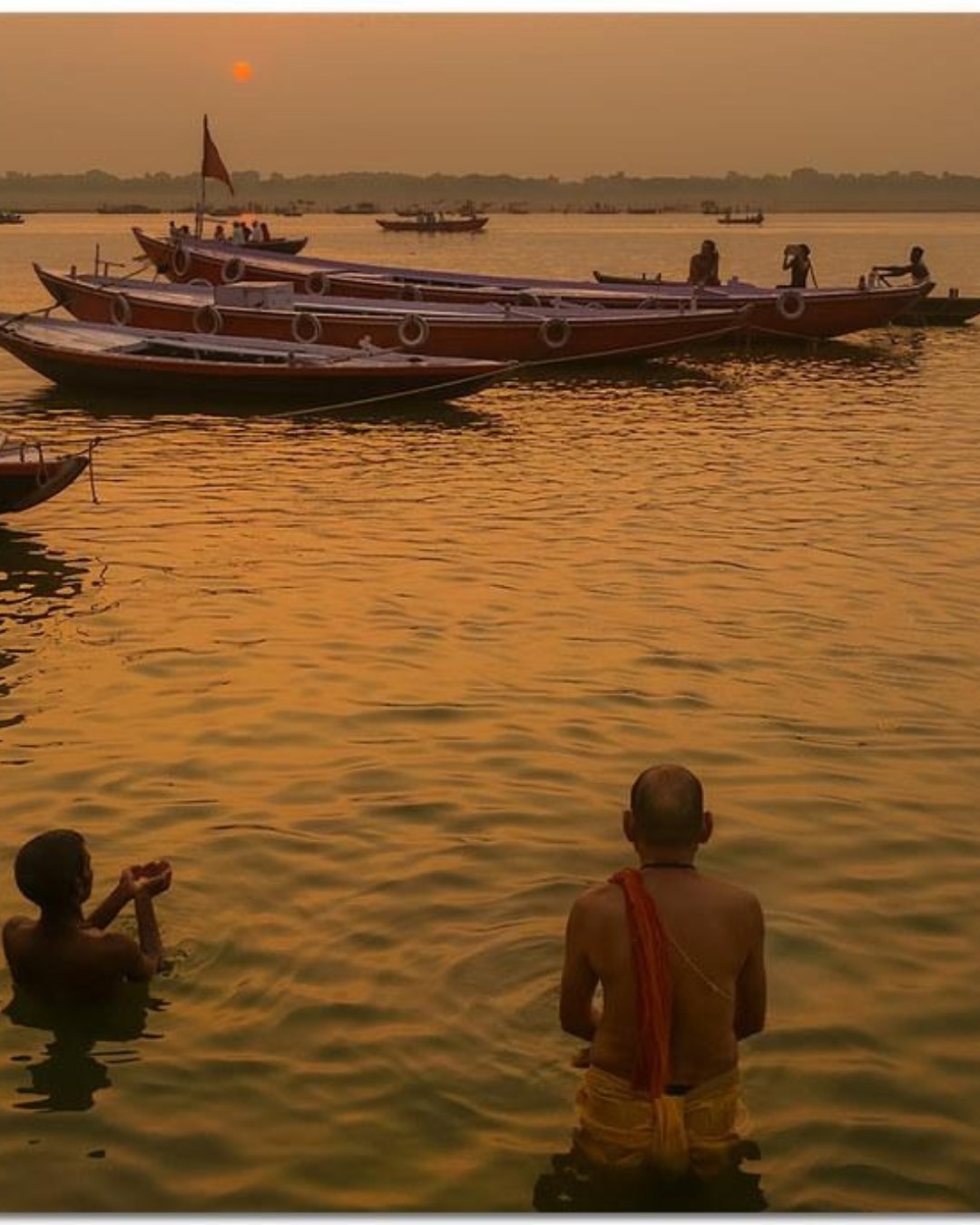
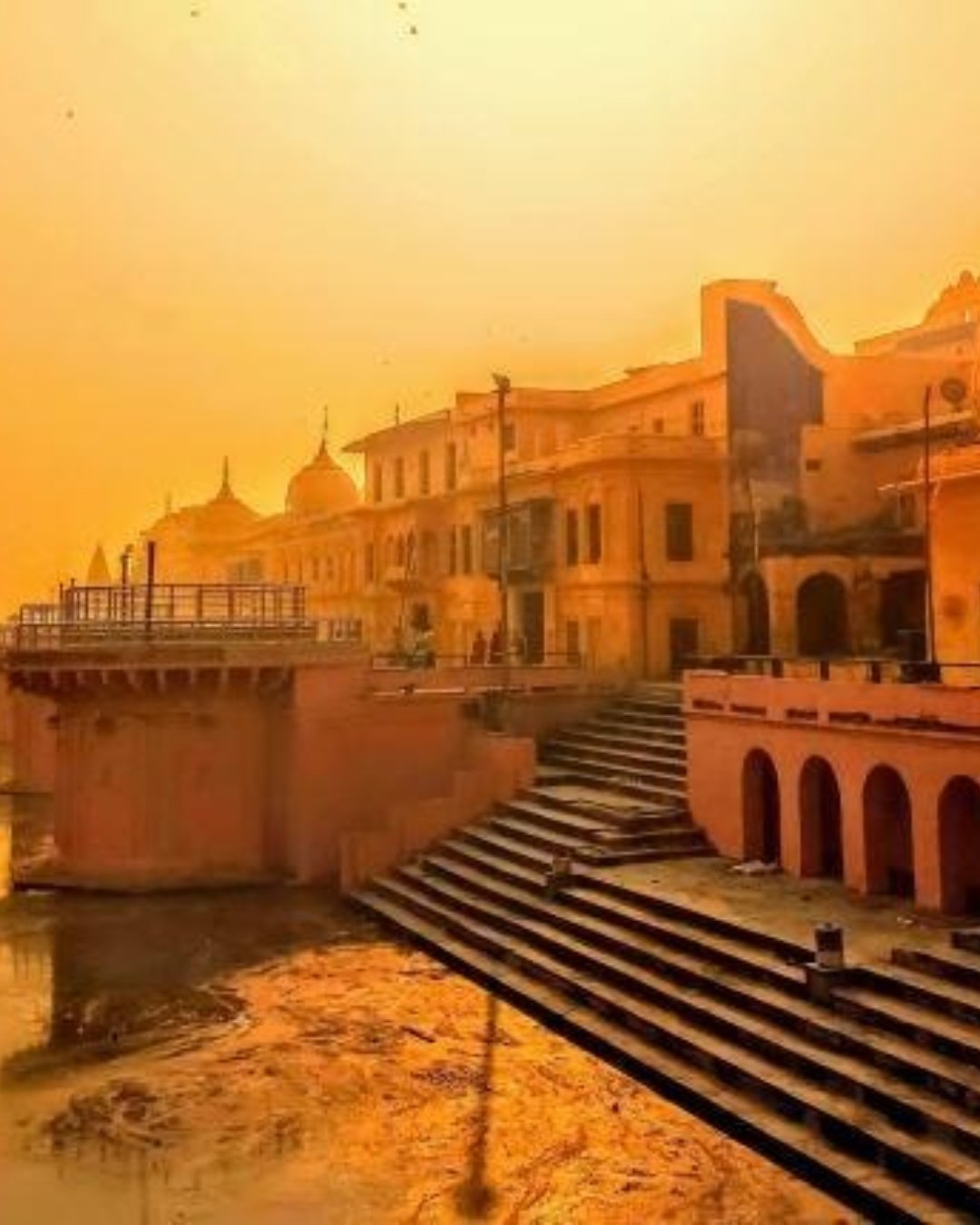
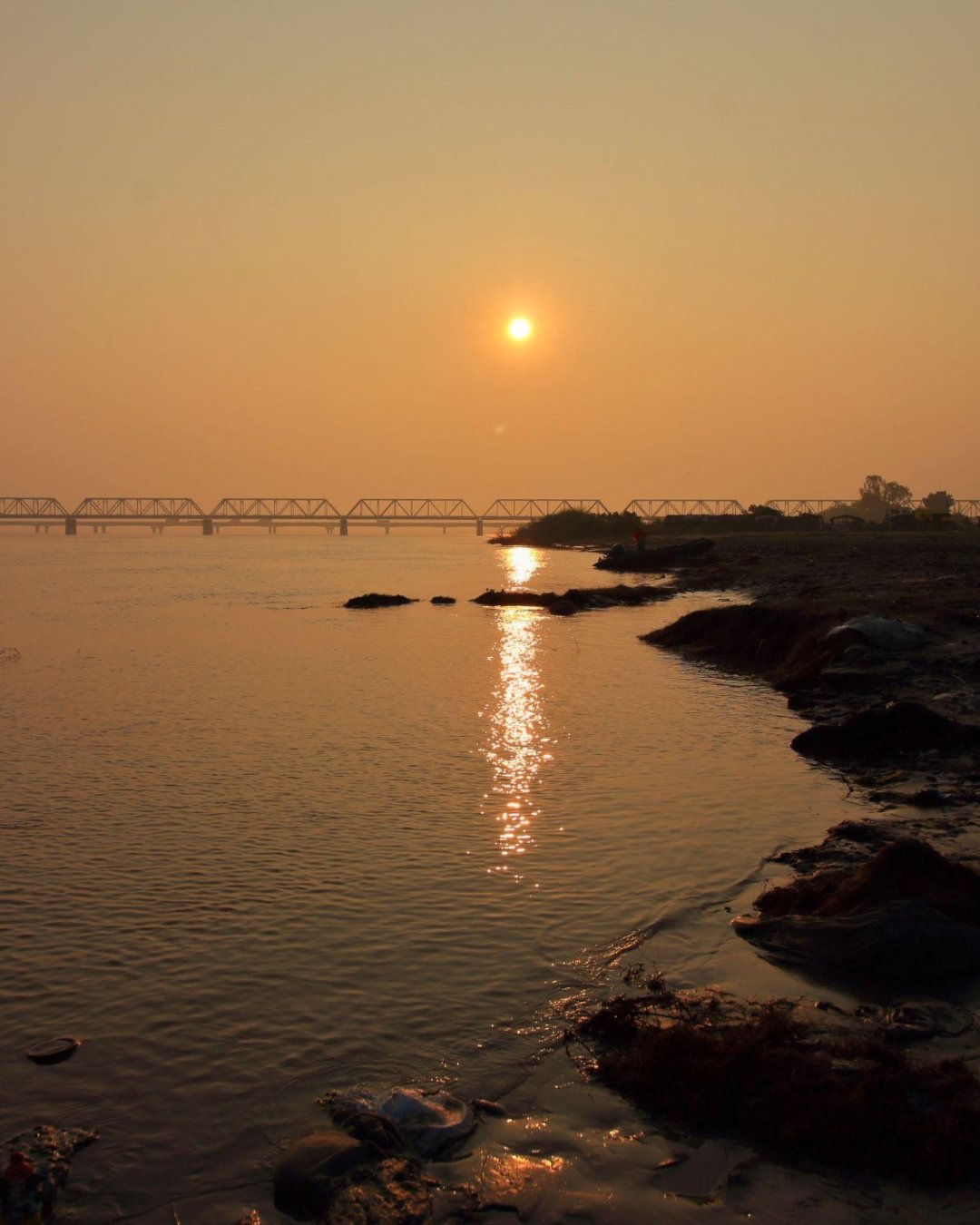
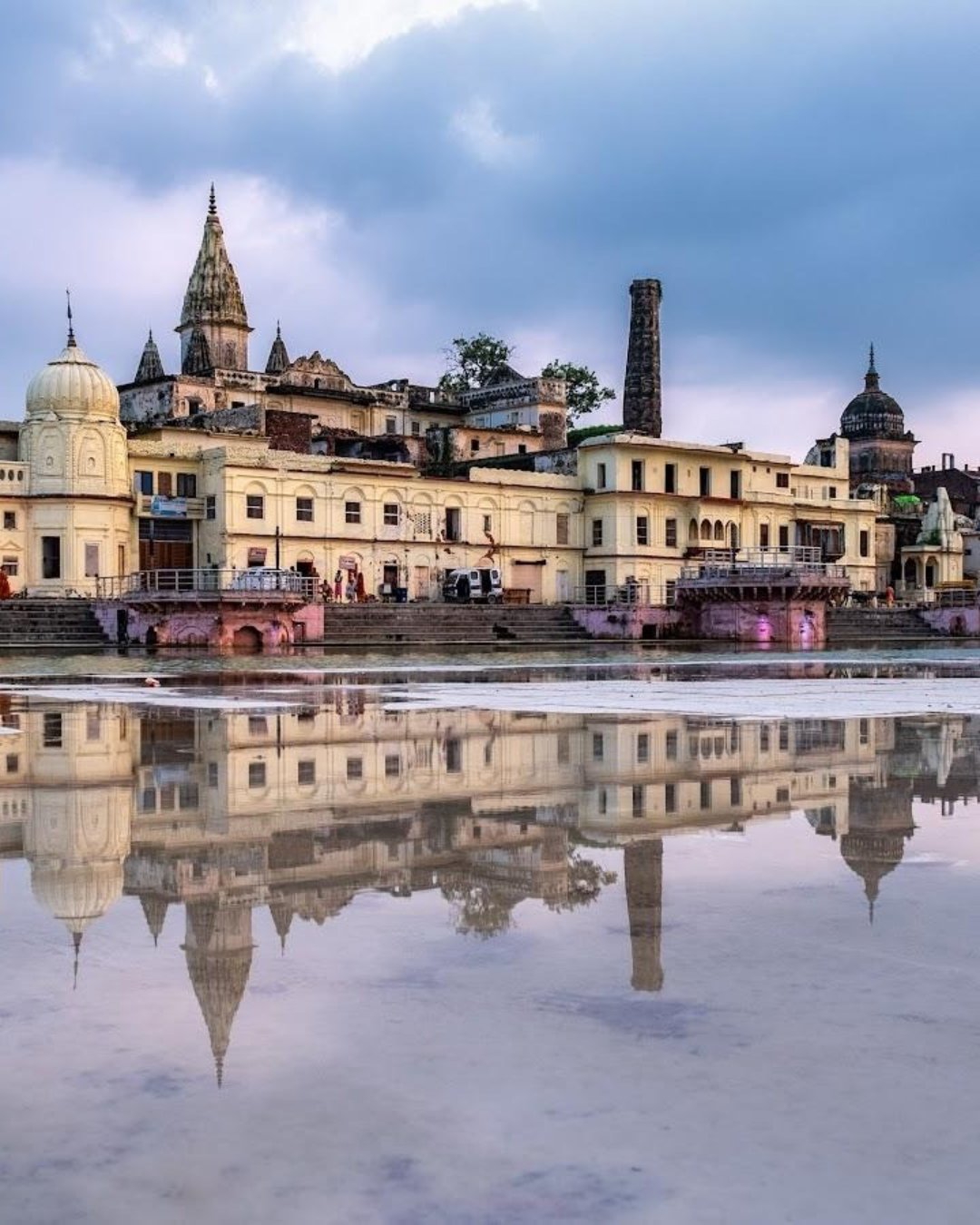
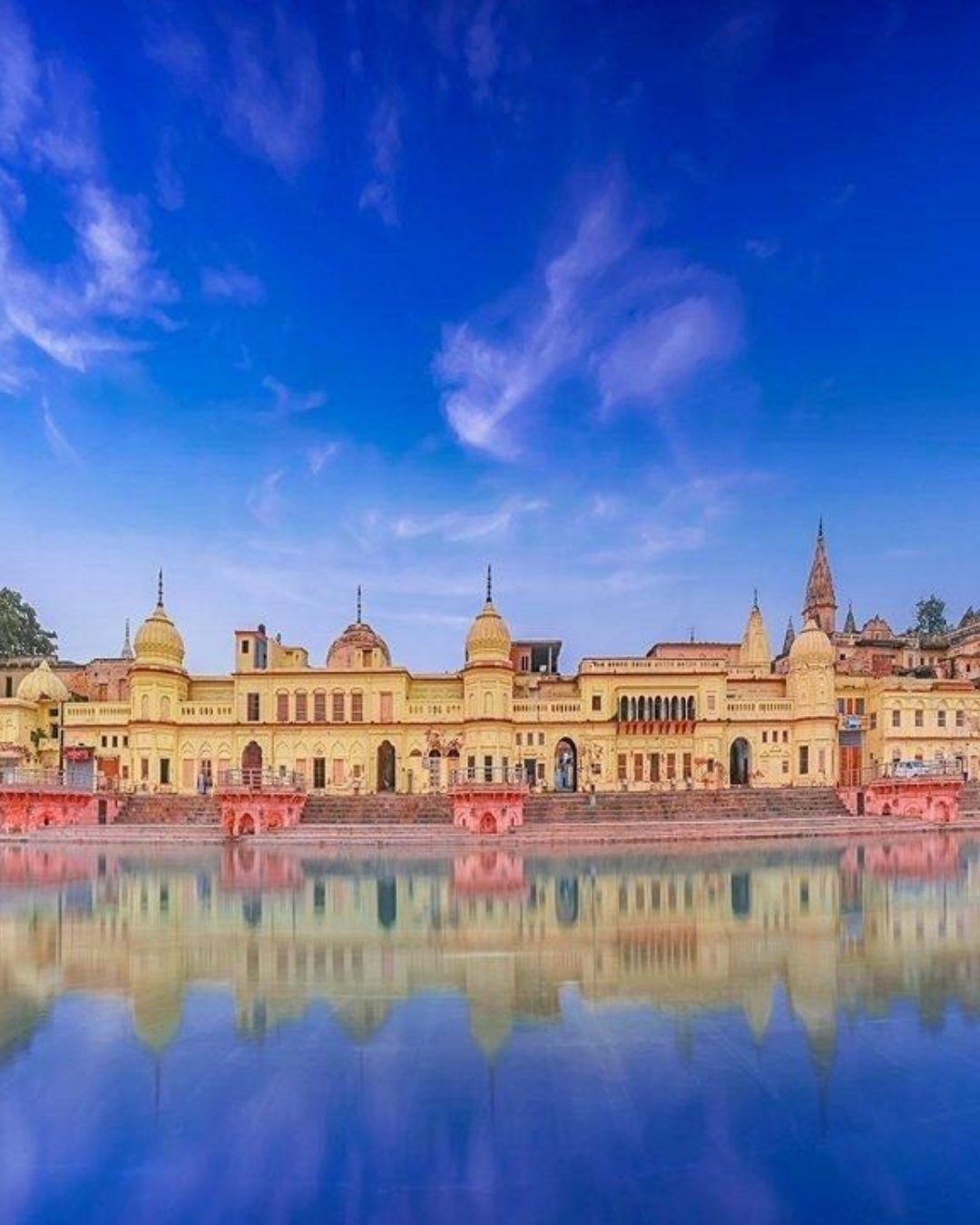
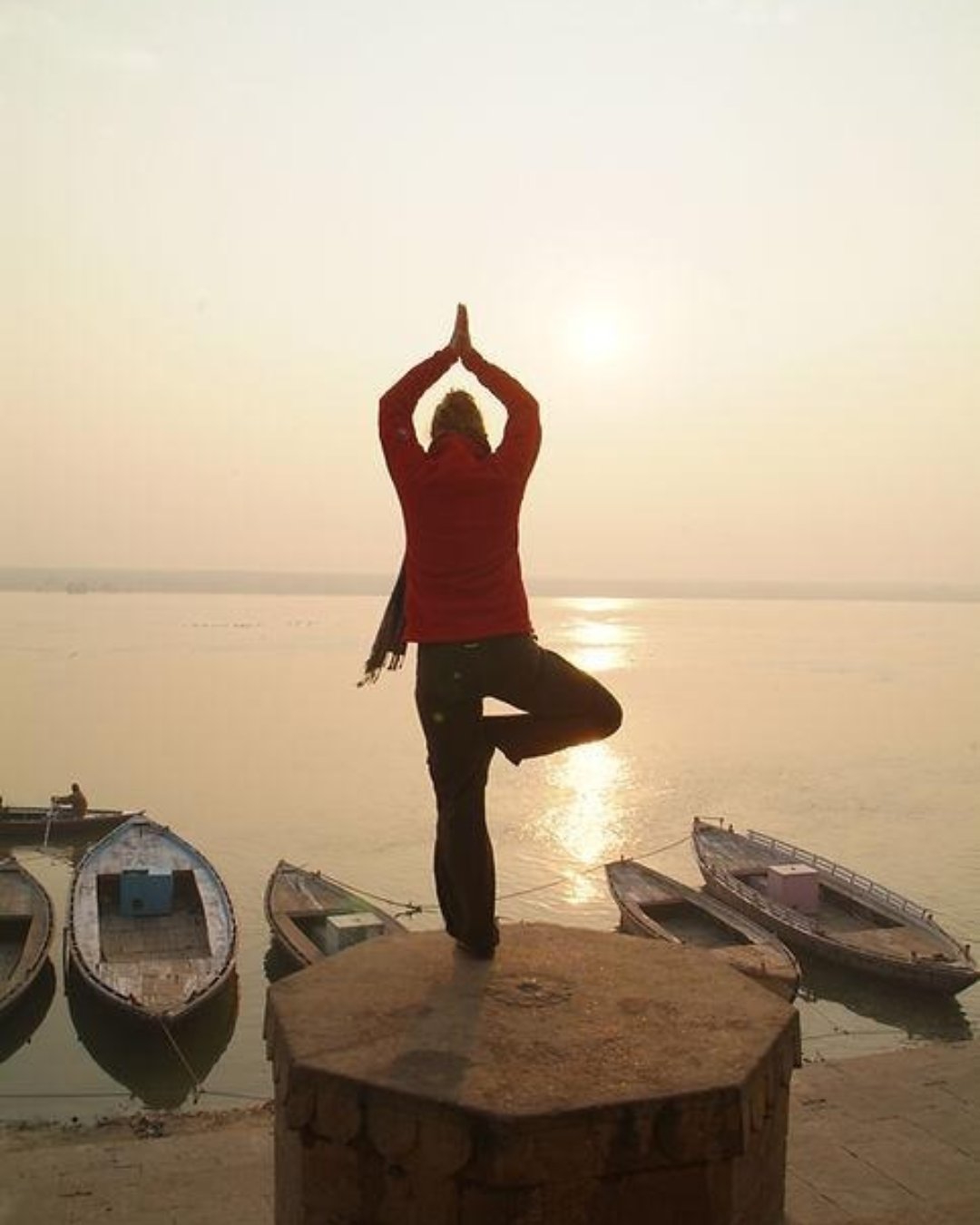
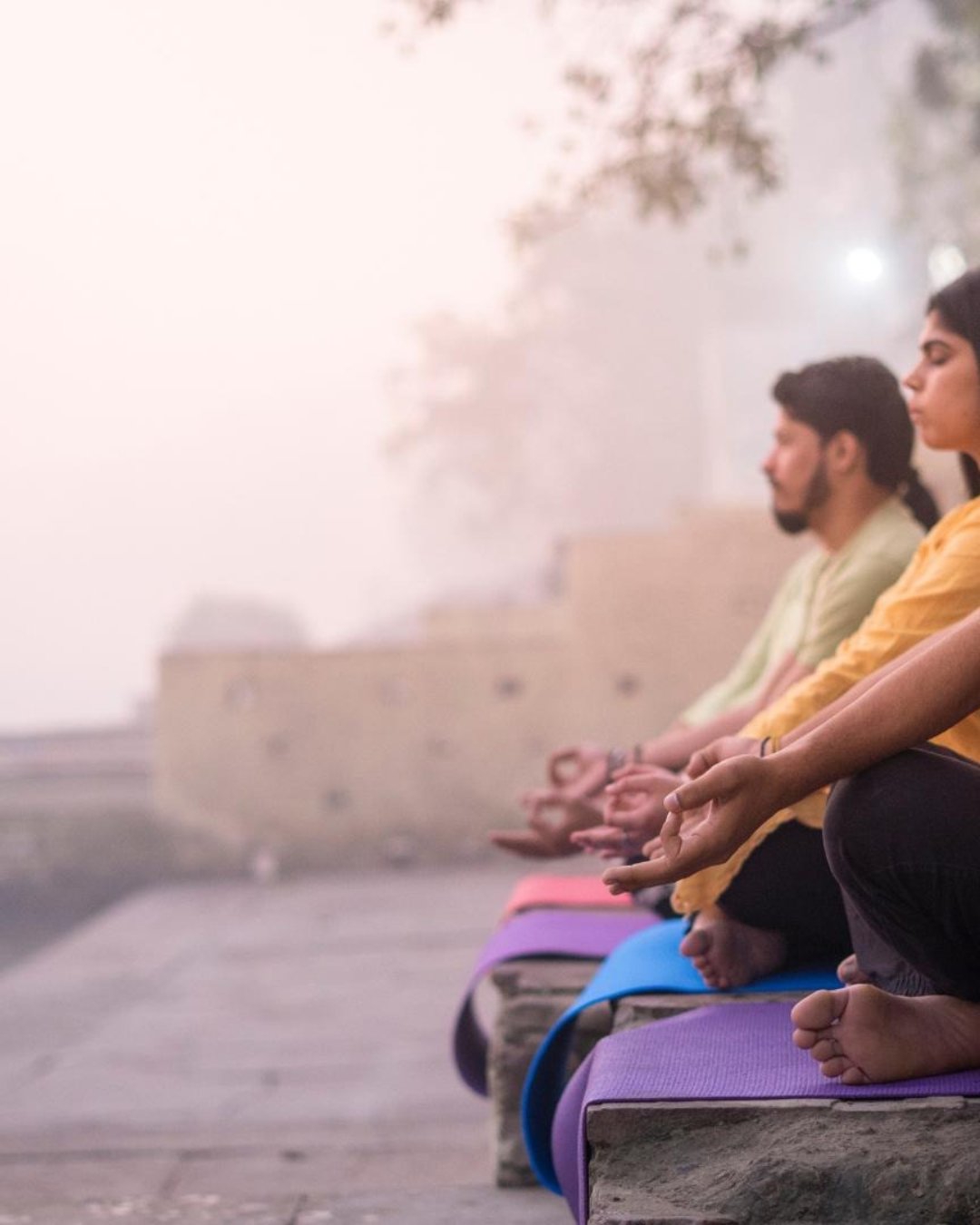
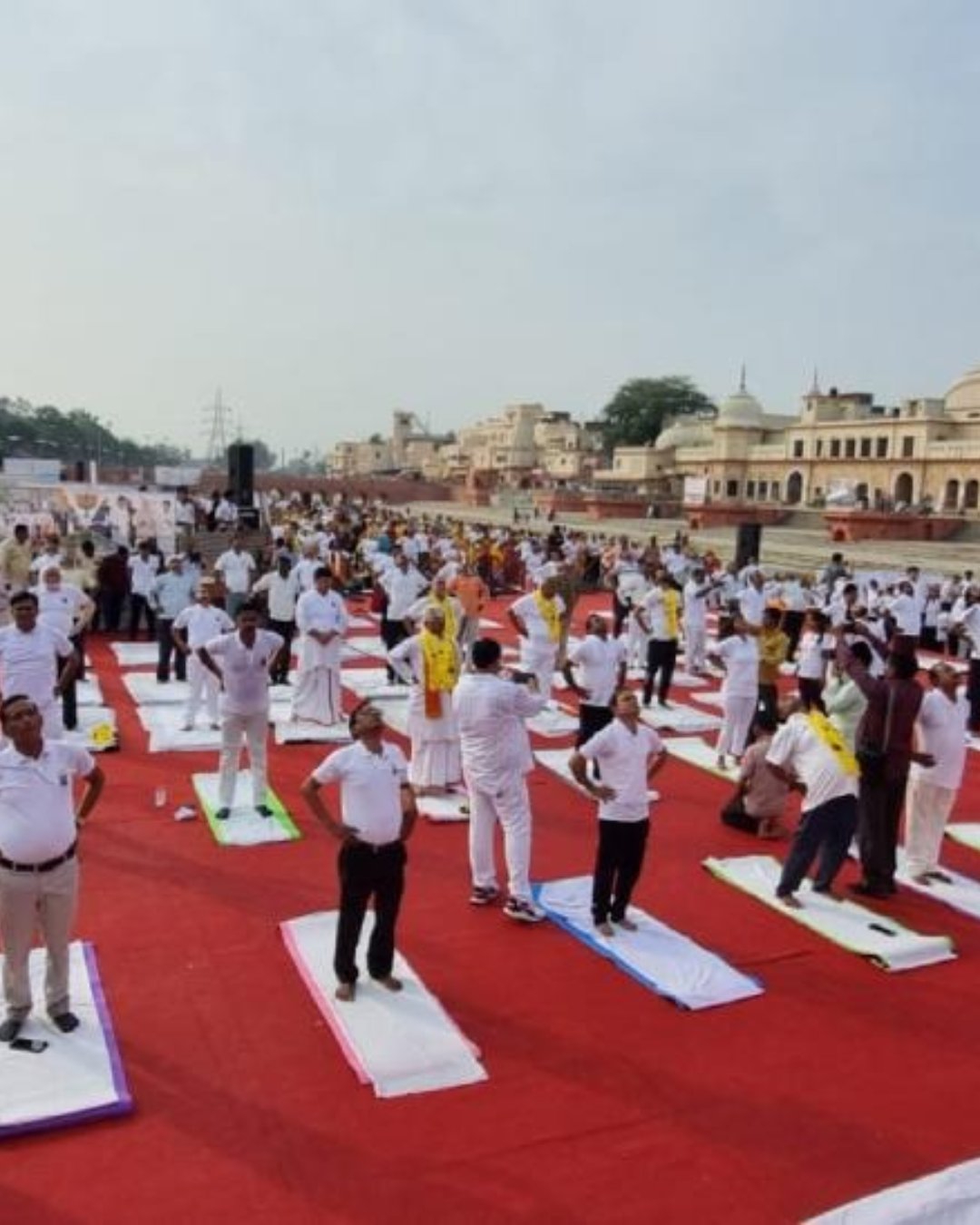
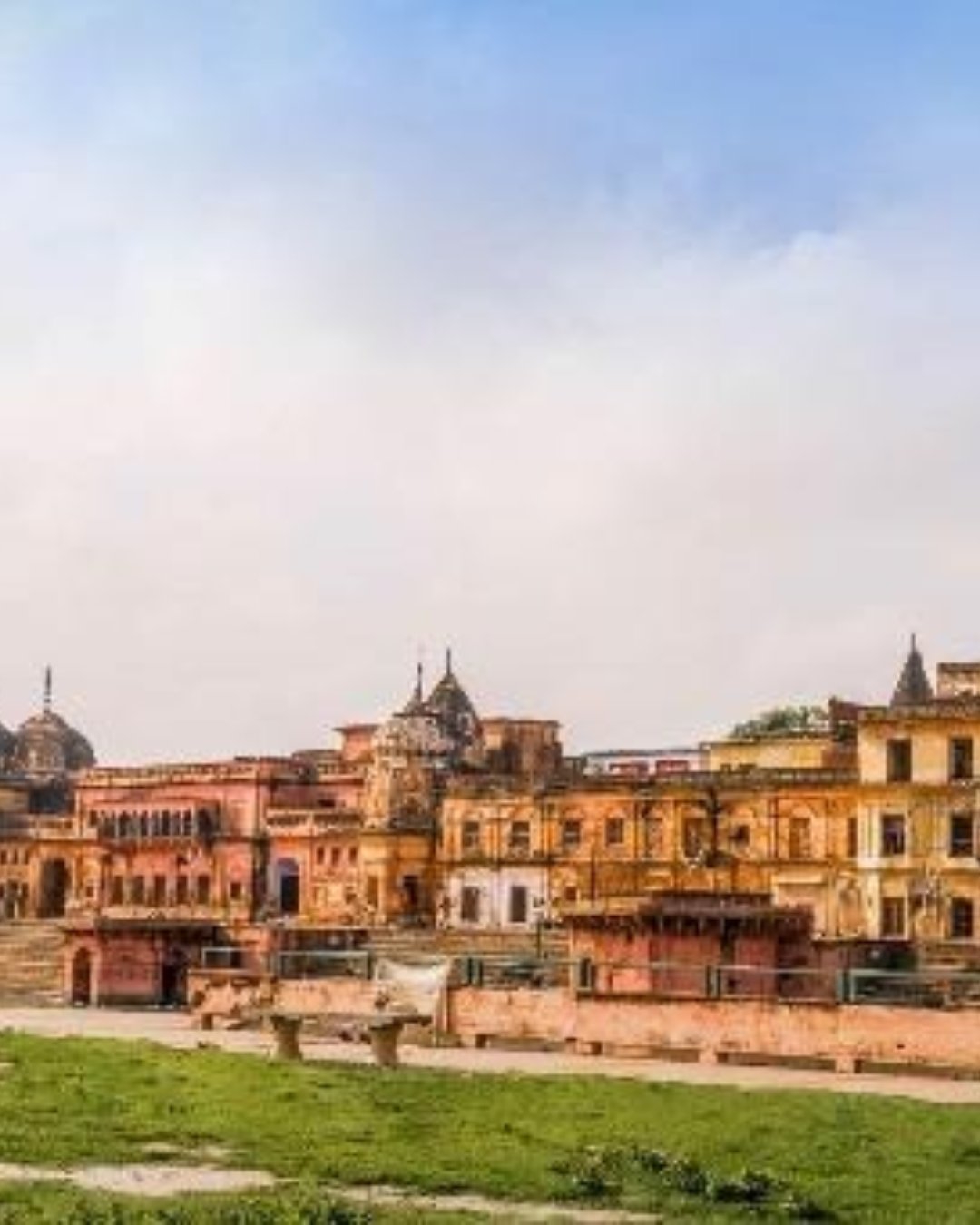
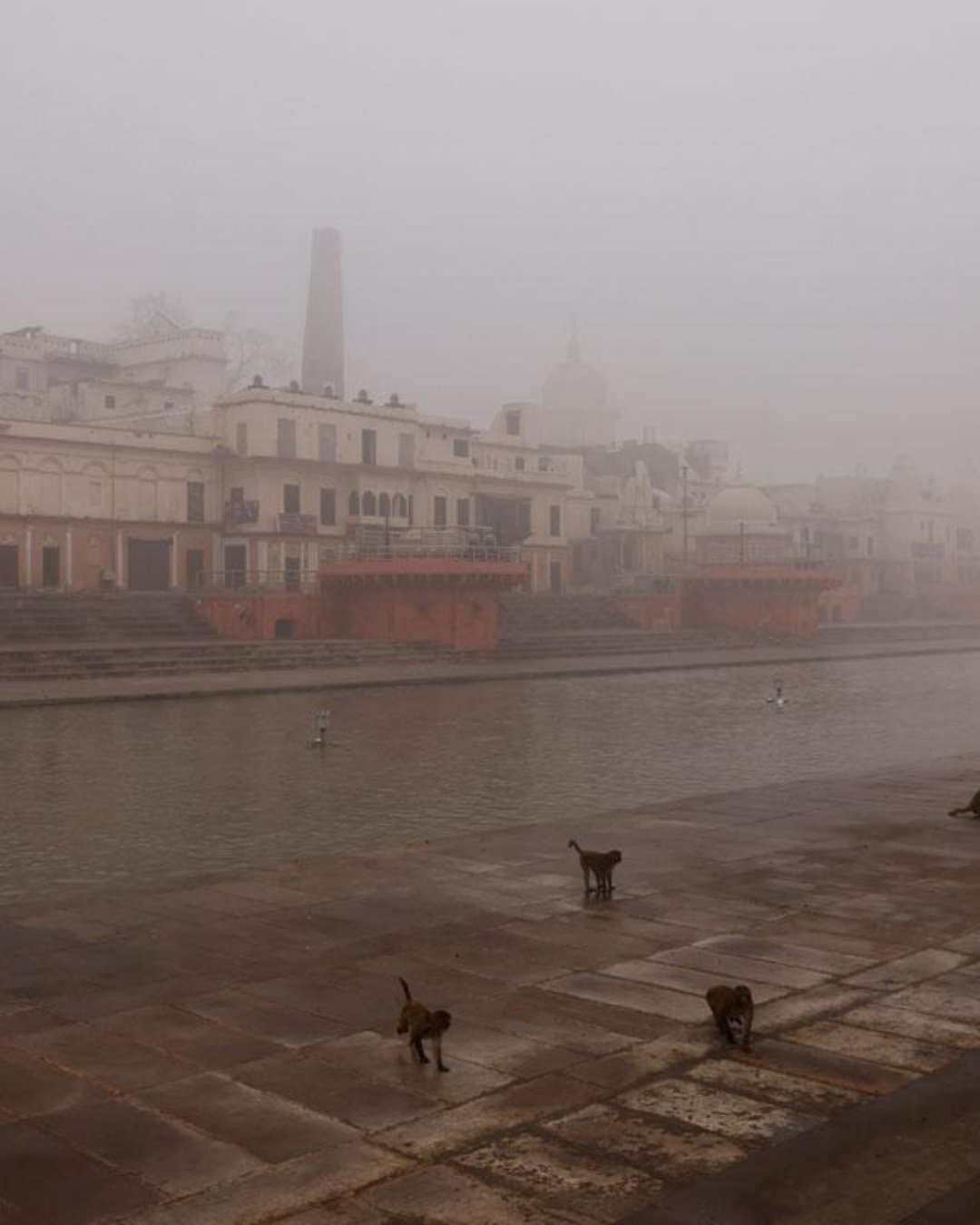
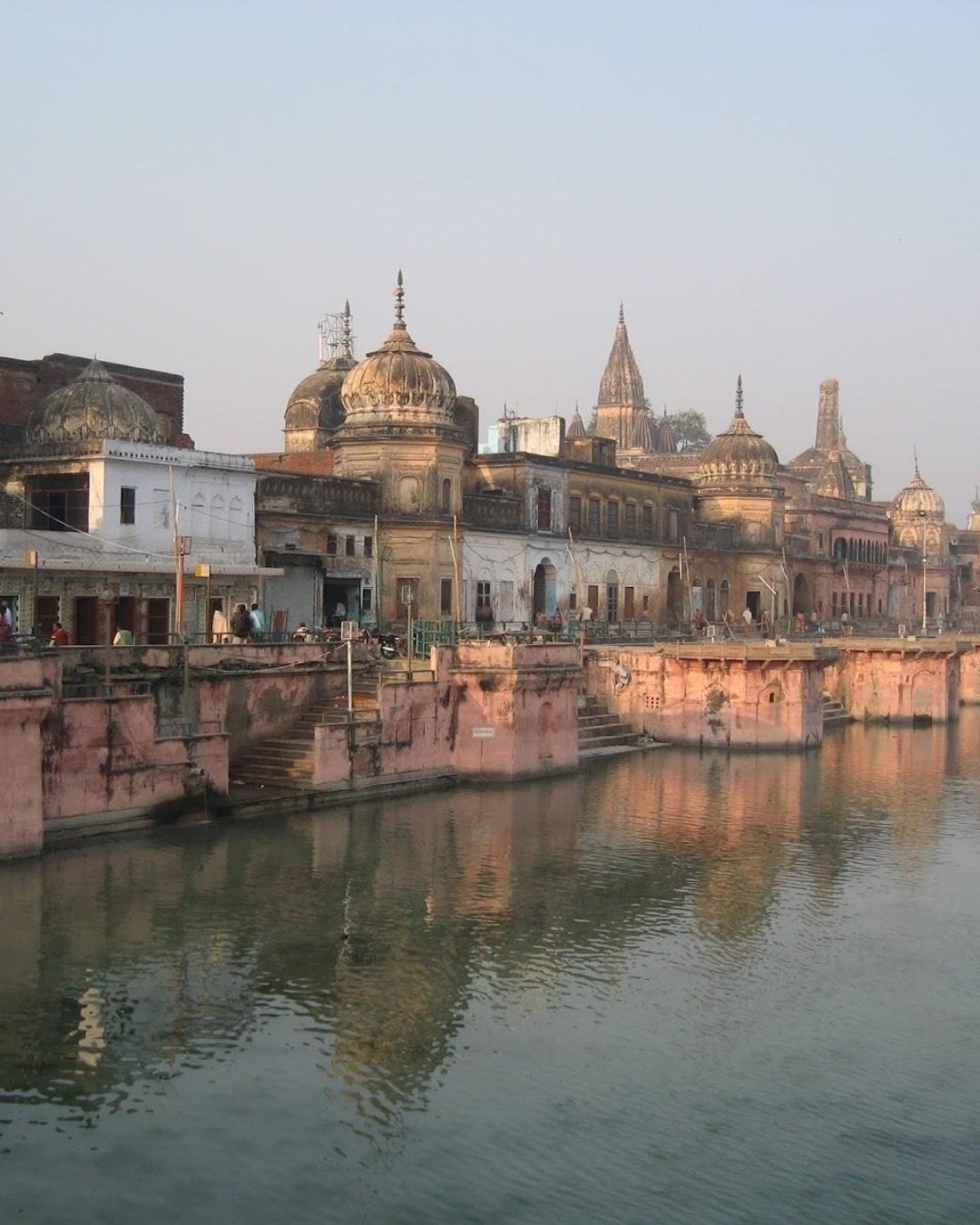
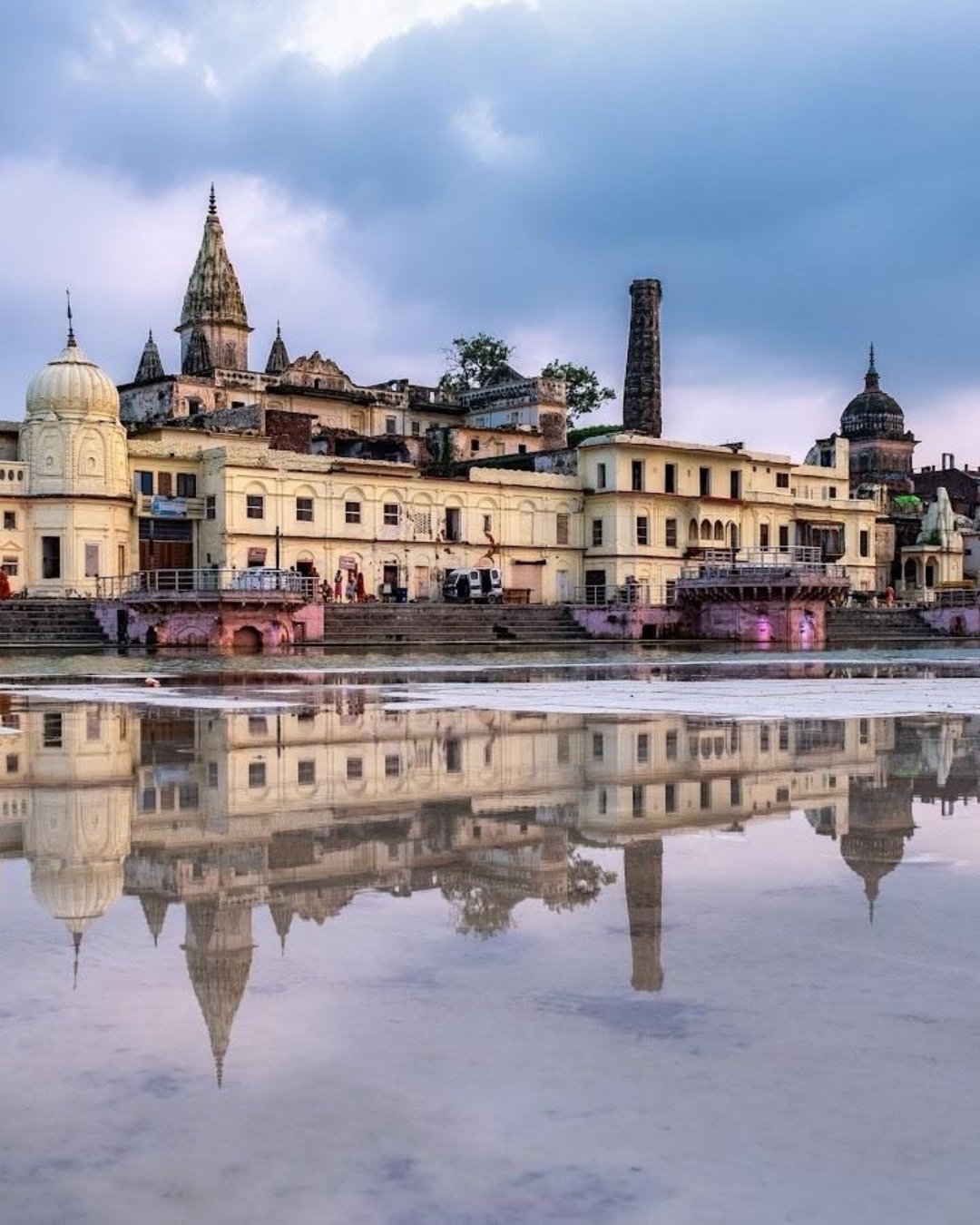
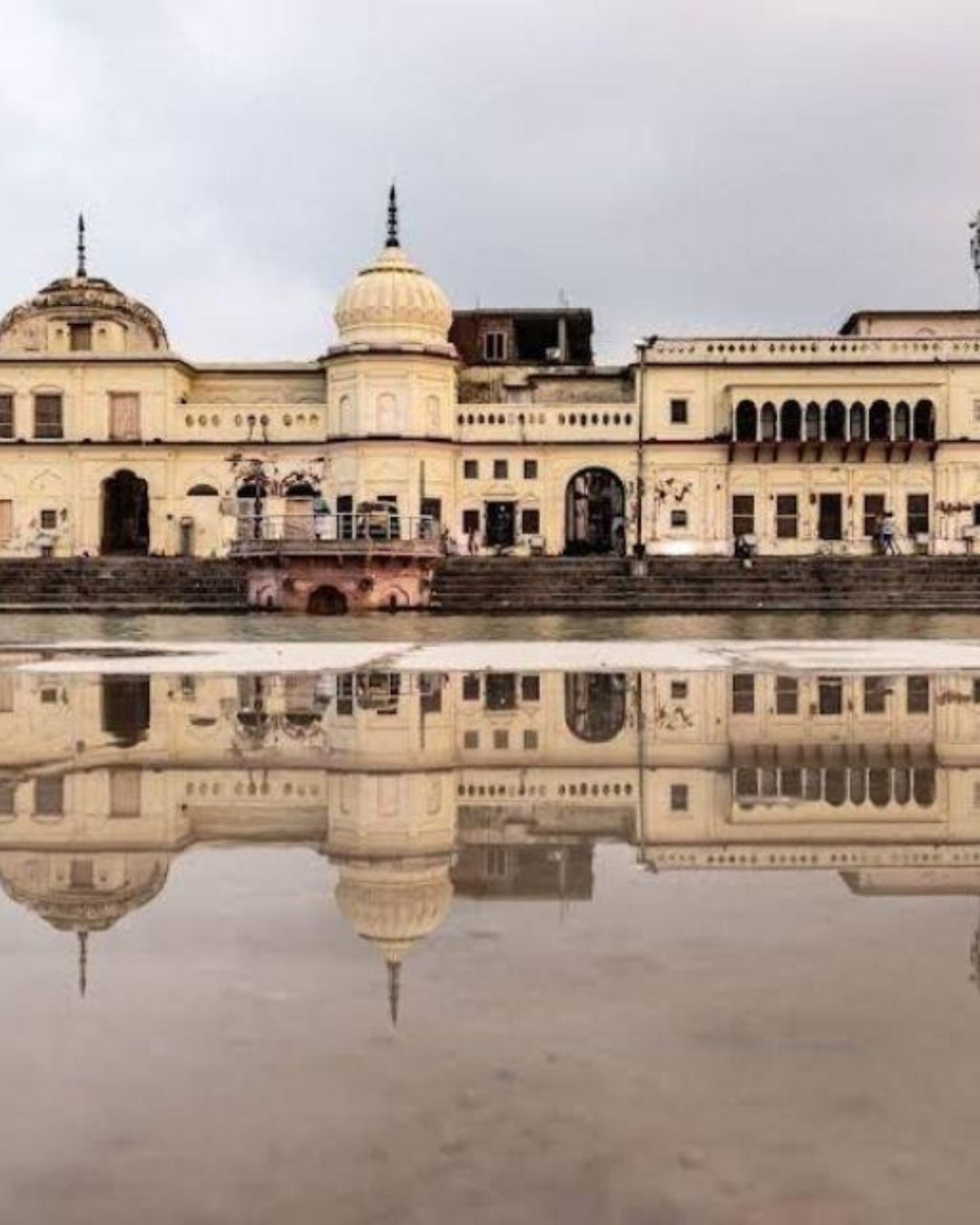
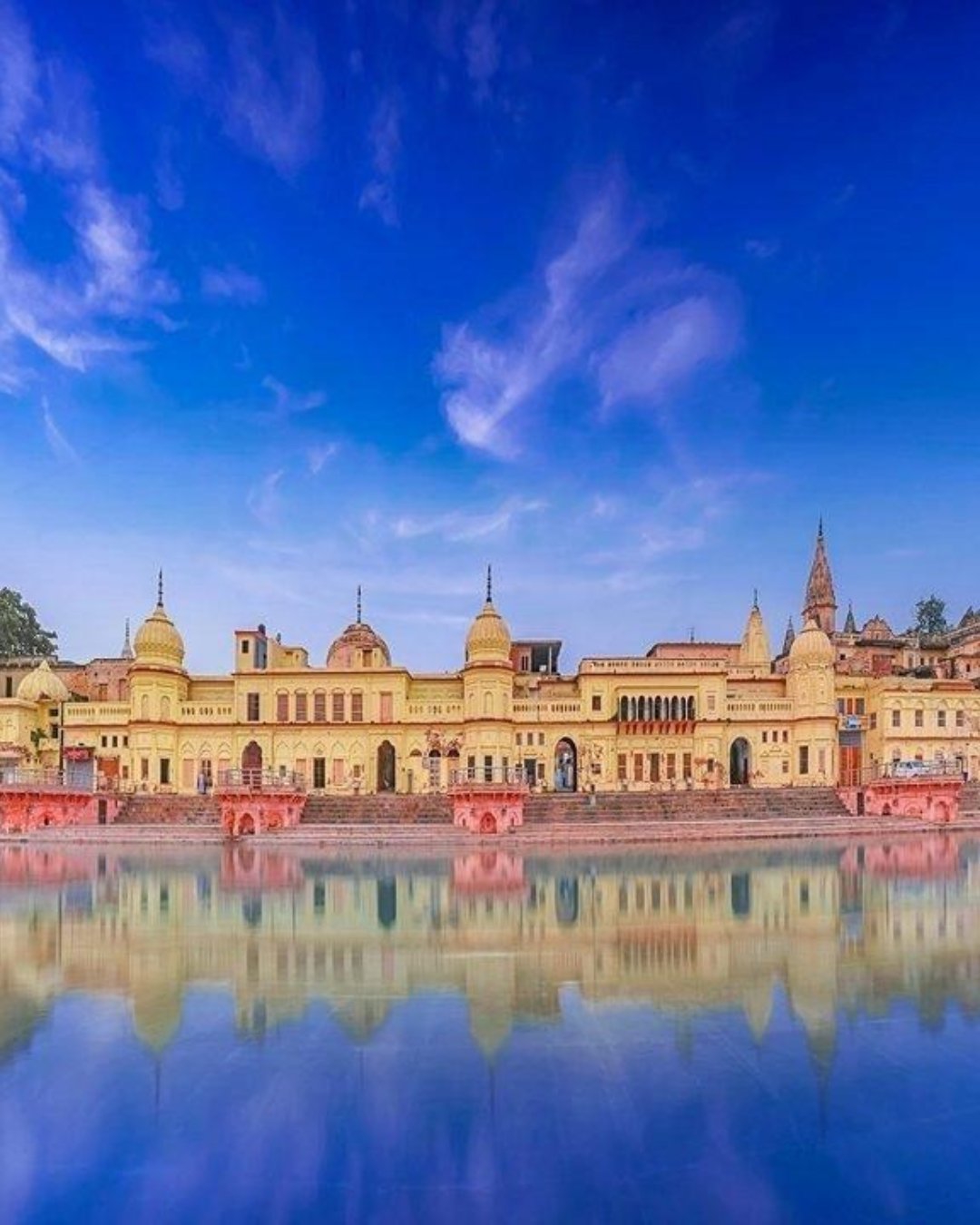
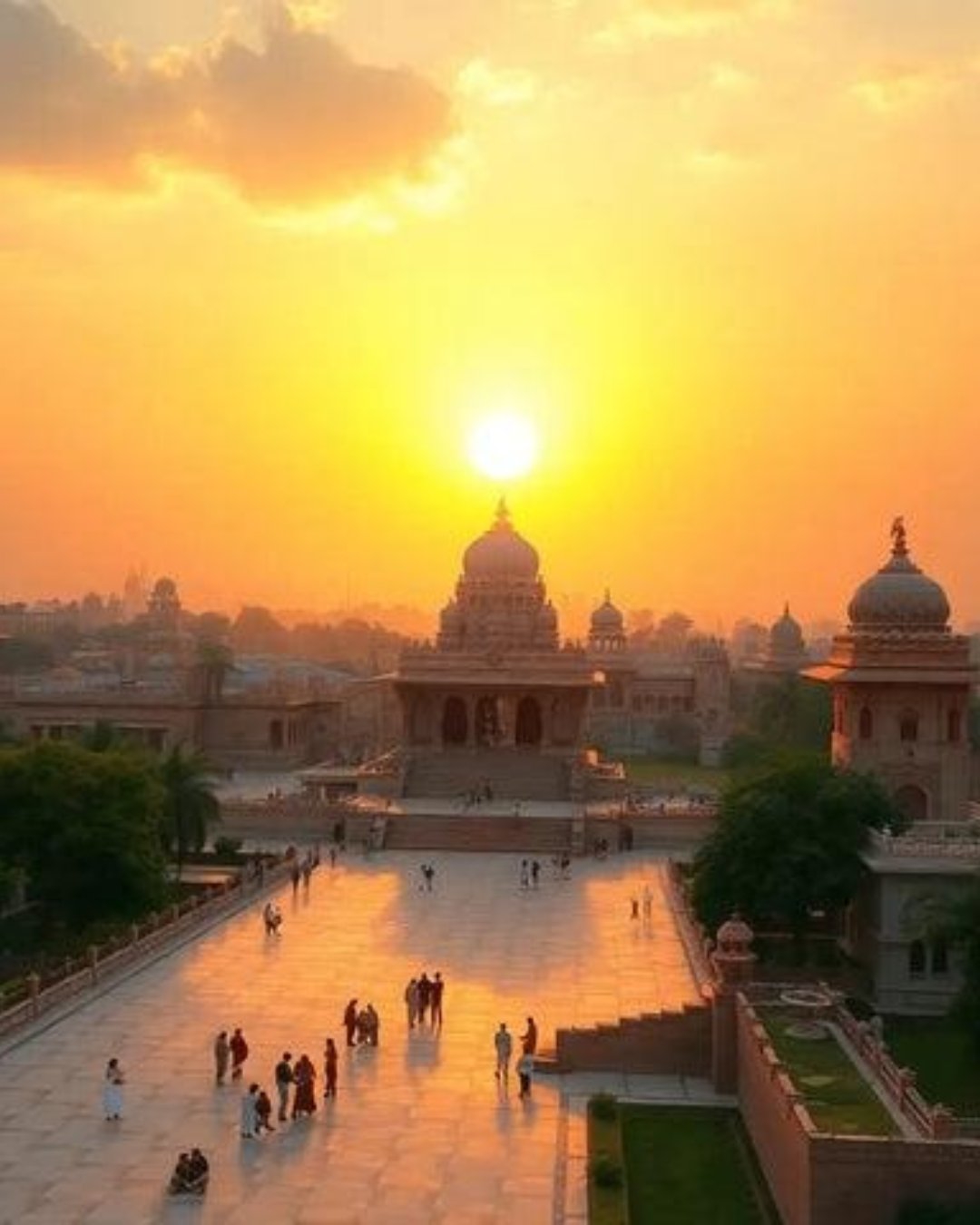
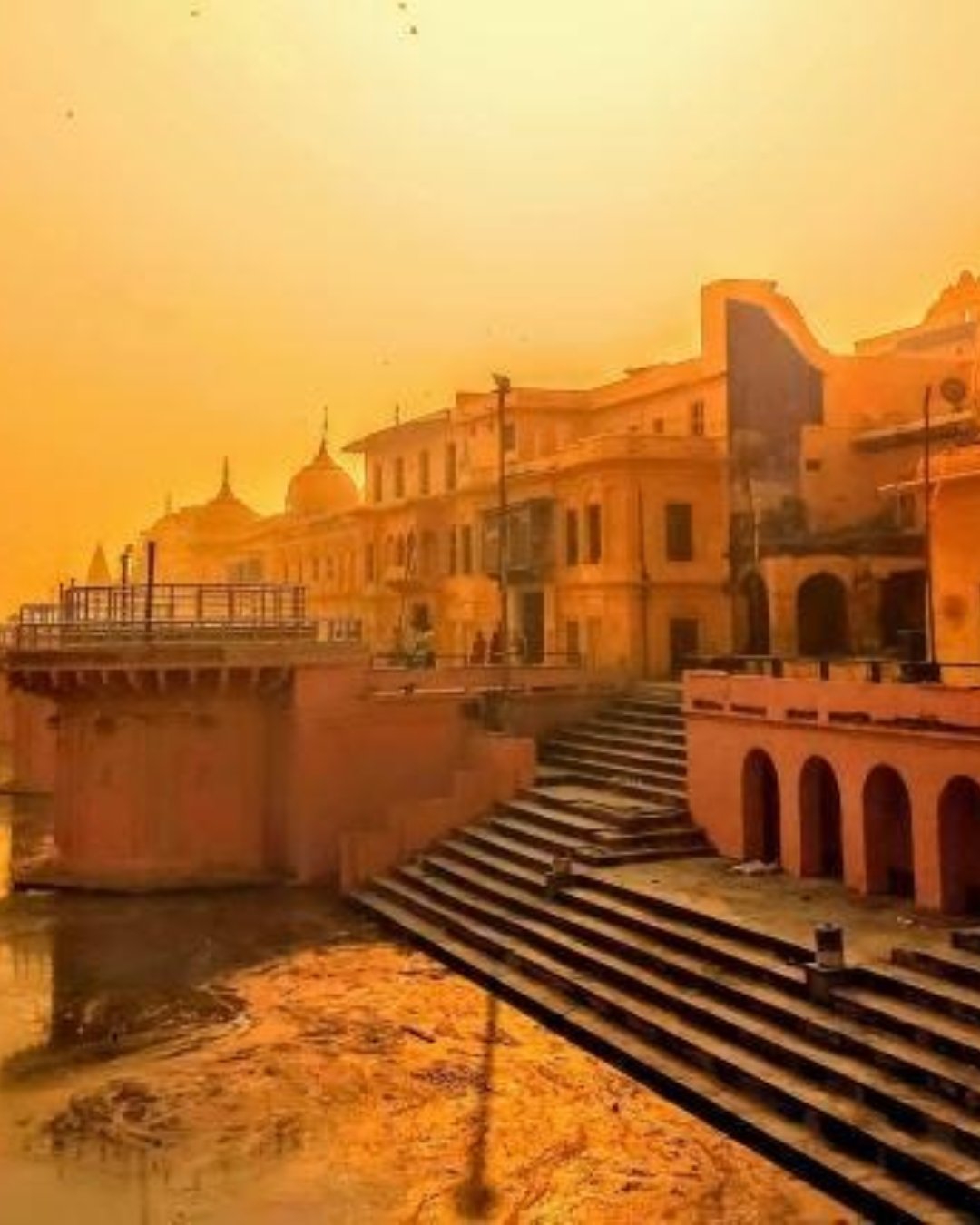
Ayodhya is not a place you come to for a programme. The stillness here is not arranged for visitors — it is simply what the town is like beforeit wakes, and it costs nothing. Here, you find stillness by slowing down with the city itself — especially beside the Saryu before the day gathers pace. Ram Ki Paidi and the riverfront become your natural starting point, where you can sit quietly, meditate, pray, practise gentle yoga or simply watch the first light move across the water. The ghats are deeply tied to Ayodhya’s devotional life, so the atmosphere is not complete silence; temple bells, chants, birds and early pilgrims become part of the experience.
Your best practice begins before the sightseeing schedule does. Wake early, leave your phone behind for a while and walk towards the Saryu while the streets are still waking up. You can choose the familiar steps of Ram Ki Paidi, find a quieter stretch of the riverfront, or explore spaces such as Ram Katha Park for a more conventional yoga session. The difference is that practice here happens alongside pilgrimage rather than in a district set aside for it.
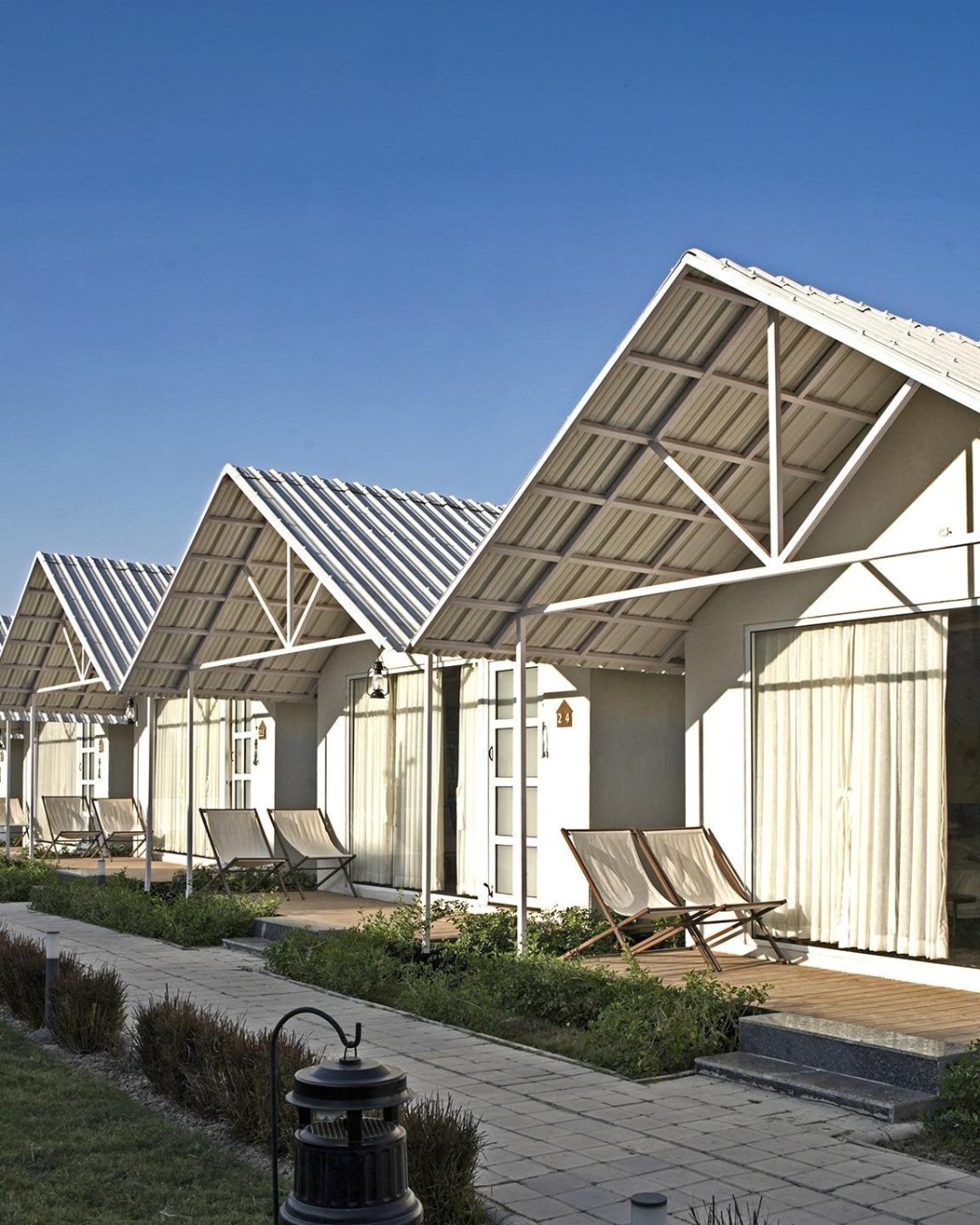
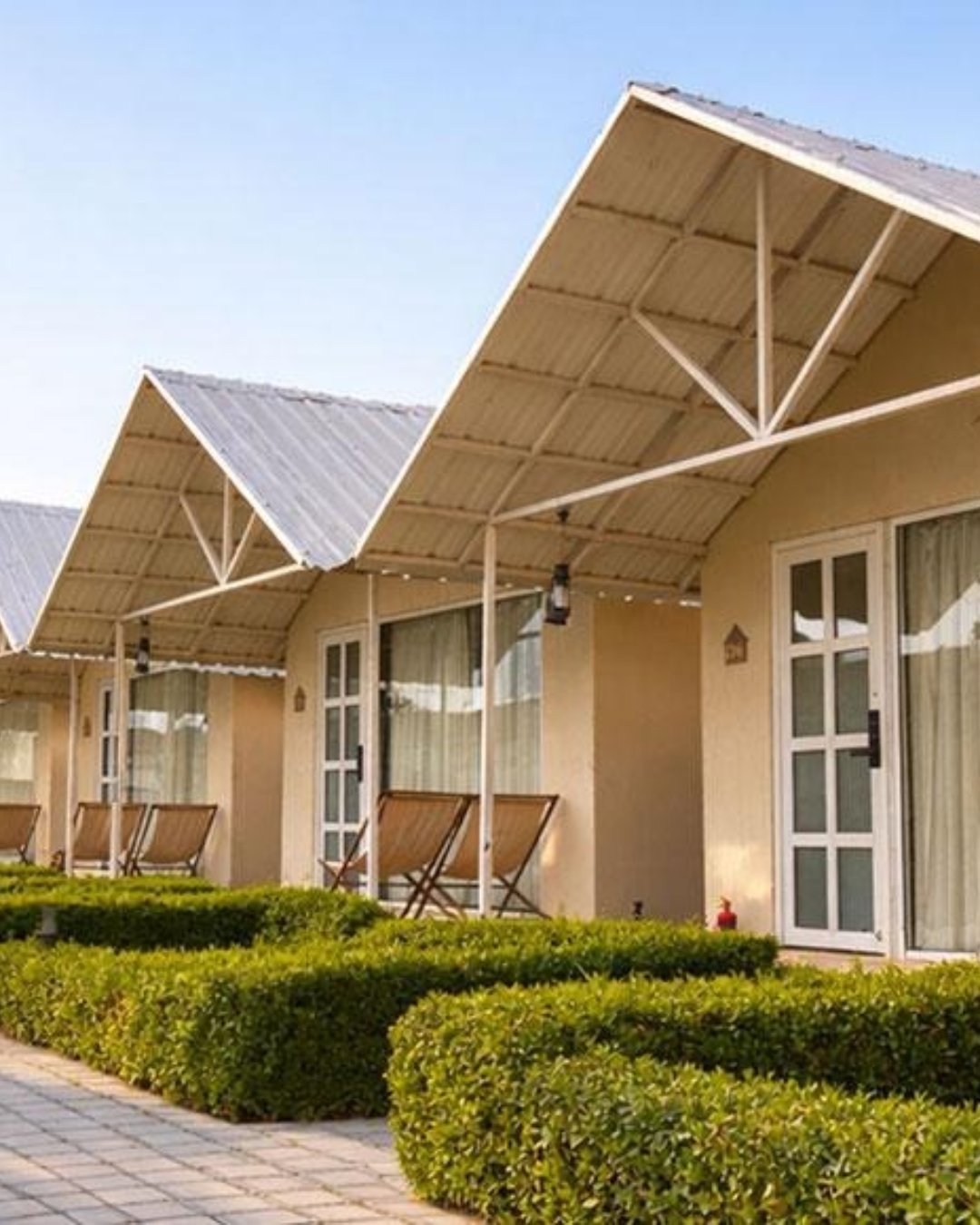
Where you stay can make this entire journey feel easier. Choose accommodation that lets you reach the Saryu or your morning practice spot without a long vehicle ride, particularly if your plan is to begin before sunrise. Staying around the Saryu, Ram Ki Paidi, Ramkot or the central pilgrimage areas allows you to combine an early river walk with temple visits, breakfast and rest without constantly crossing the city. Ashram or dharamshala-style accommodation can also suit this slower rhythm if you prefer a simple environment and a more pilgrim-oriented routine rather than a conventional hotel experience.
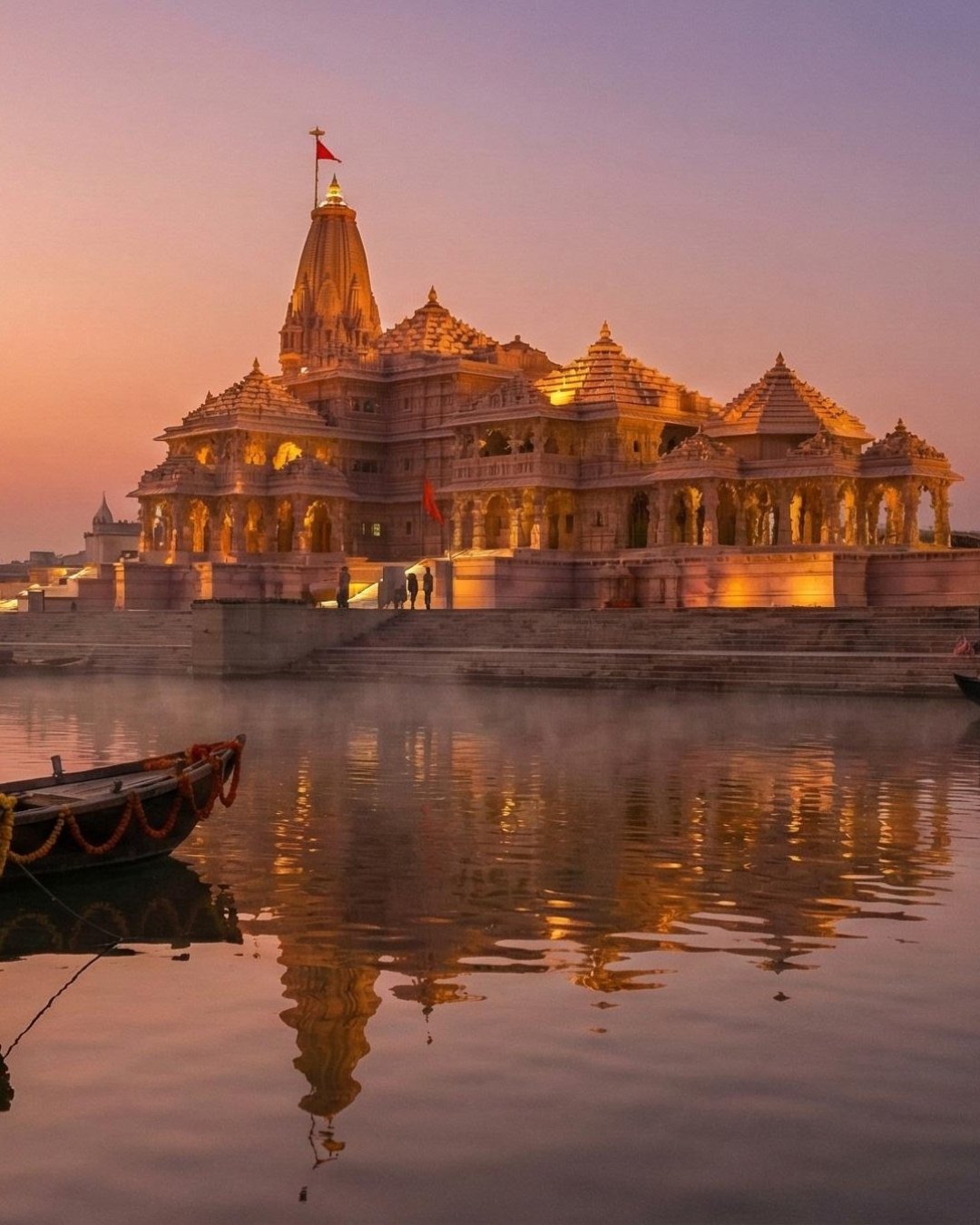
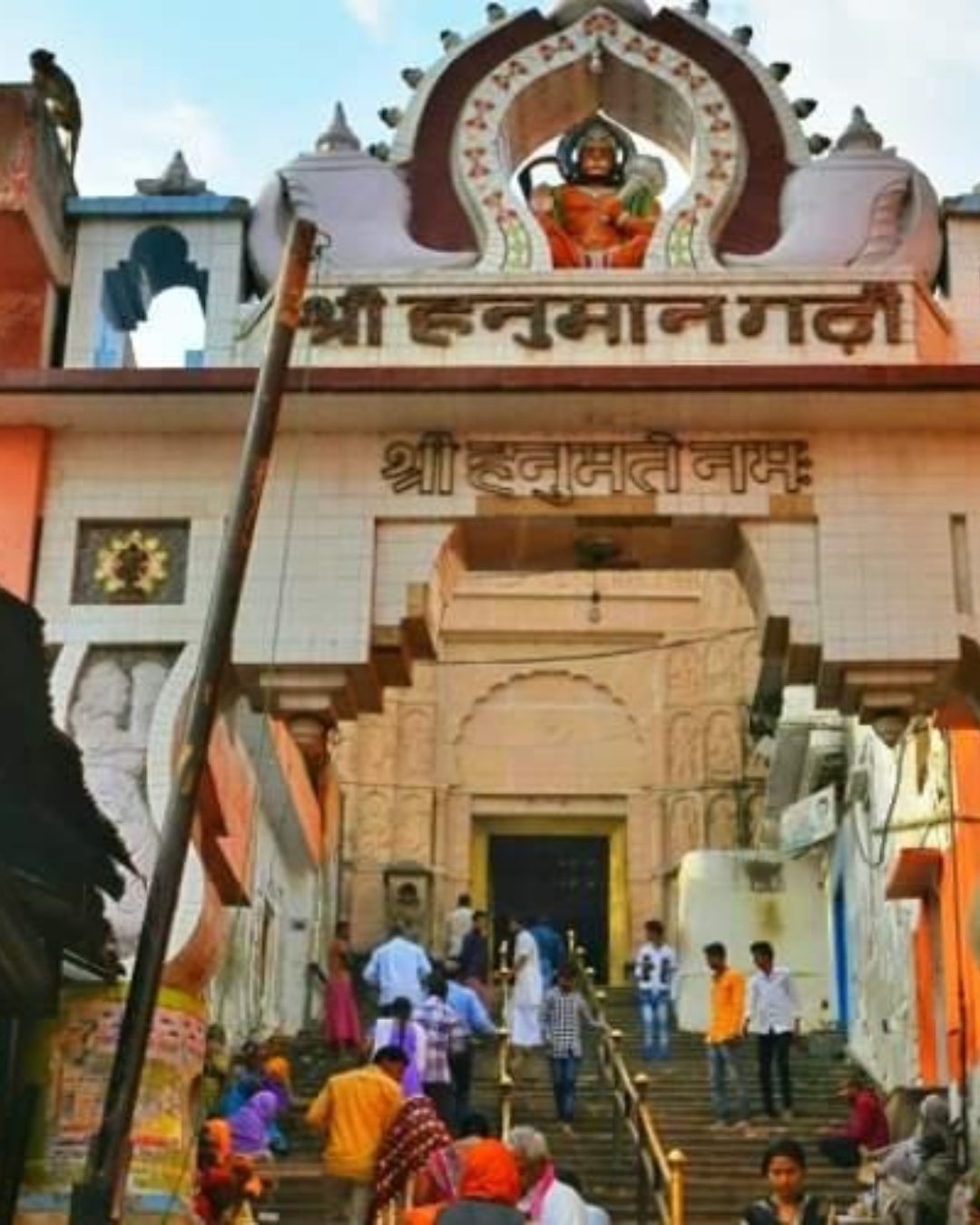
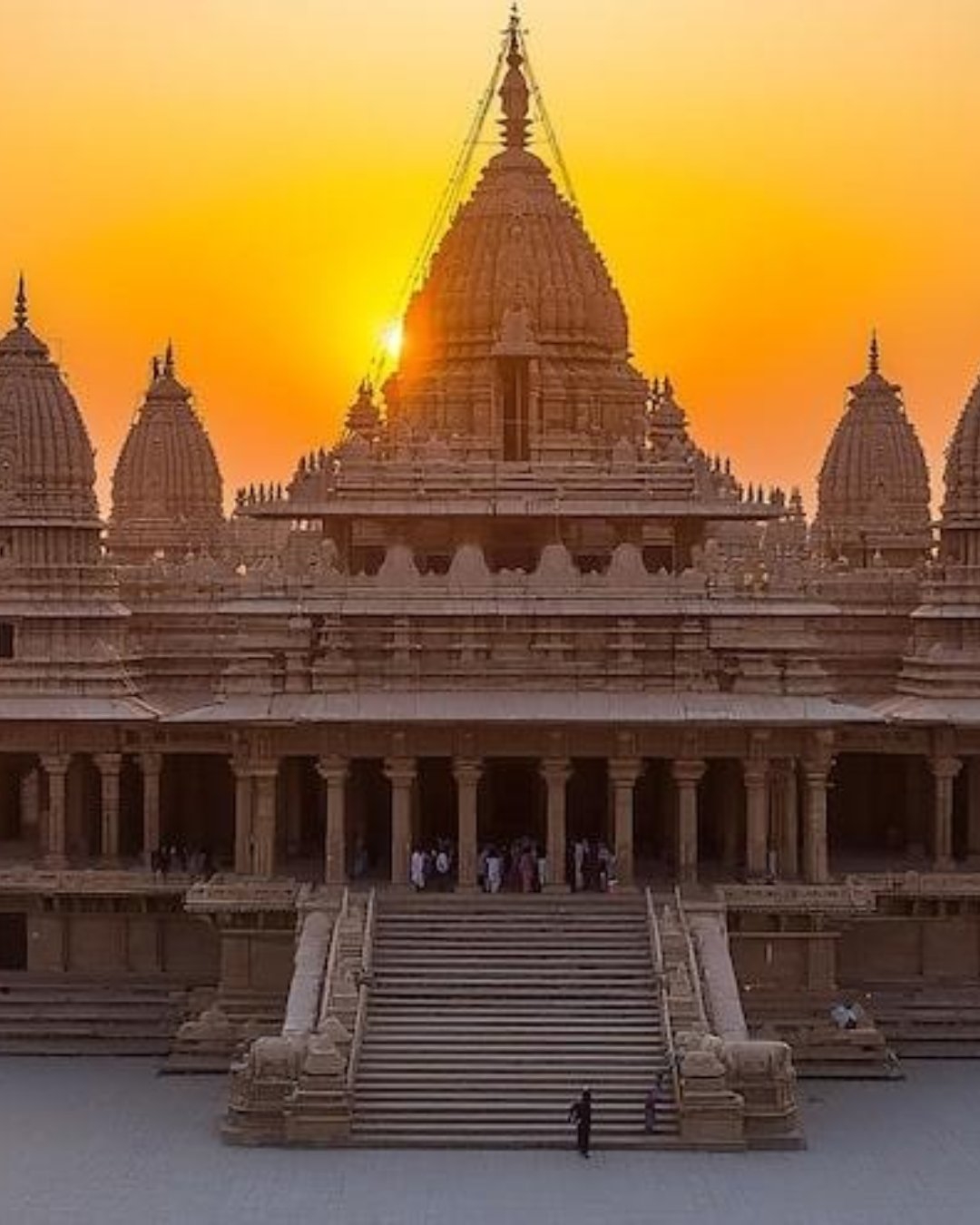
The real idea behind Stillness: Dawn on the Saryu is not escaping Ayodhya's crowds — it is learning when to step away from them. Build your day around the quietest part of the morning, enjoy the Saryu before the main pilgrimage movement begins, then move towards Ram Janmabhoomi, Hanuman Garhi and Kanak Bhawan as the city becomes busier. Return to the river in the evening when you want another pause, remembering that festival days and major pilgrimage dates can transform the atmosphere completely. You are not coming here to find an empty retreat; you are coming to discover how much calm can exist inside a living pilgrimage town built around queues, rituals and movement.
Stops
Home
MomentSaryu River Front Road, Ayodhya
Ayodhya Is Not Rishikesh, and That Is the Point
There is no yoga-retreat economy in Ayodhya, and pretending otherwise would be the fastest way to waste your trip.
•Ayodhya does not have the dense studio culture of Rishikesh, and local institutions say so themselves.
•There are no drop-in schools on every corner, no teacher-training circuit and no wellness district.
•What exists instead is quieter and older: ashrams and trusts running morning practice for their own residents and guests, and a town that goes genuinely still before dawn.
•That makes it a poor destination for a structured retreat and an unusually good one for unstructured practice.
•The stillness here is not a product. It is what the town is like at five in the morning, and it costs nothing.
•If a formal course is what you want, this is the wrong town. If a week of early mornings by a river is, it may be the right one.
Pro tip: Come with your own practice rather than expecting to find one. Ayodhya gives you the hour, the place and the quiet; it does not give you a teacher, and it does not pretend to.
The mistakes that ruin it:
•Booking a trip here expecting Rishikesh-style infrastructure.
•Dismissing the town as having nothing because it has no studios.
23
MomentRam Ki Paidi (Swargadwar ) , Ayodhya
The Saryu Before Sunrise
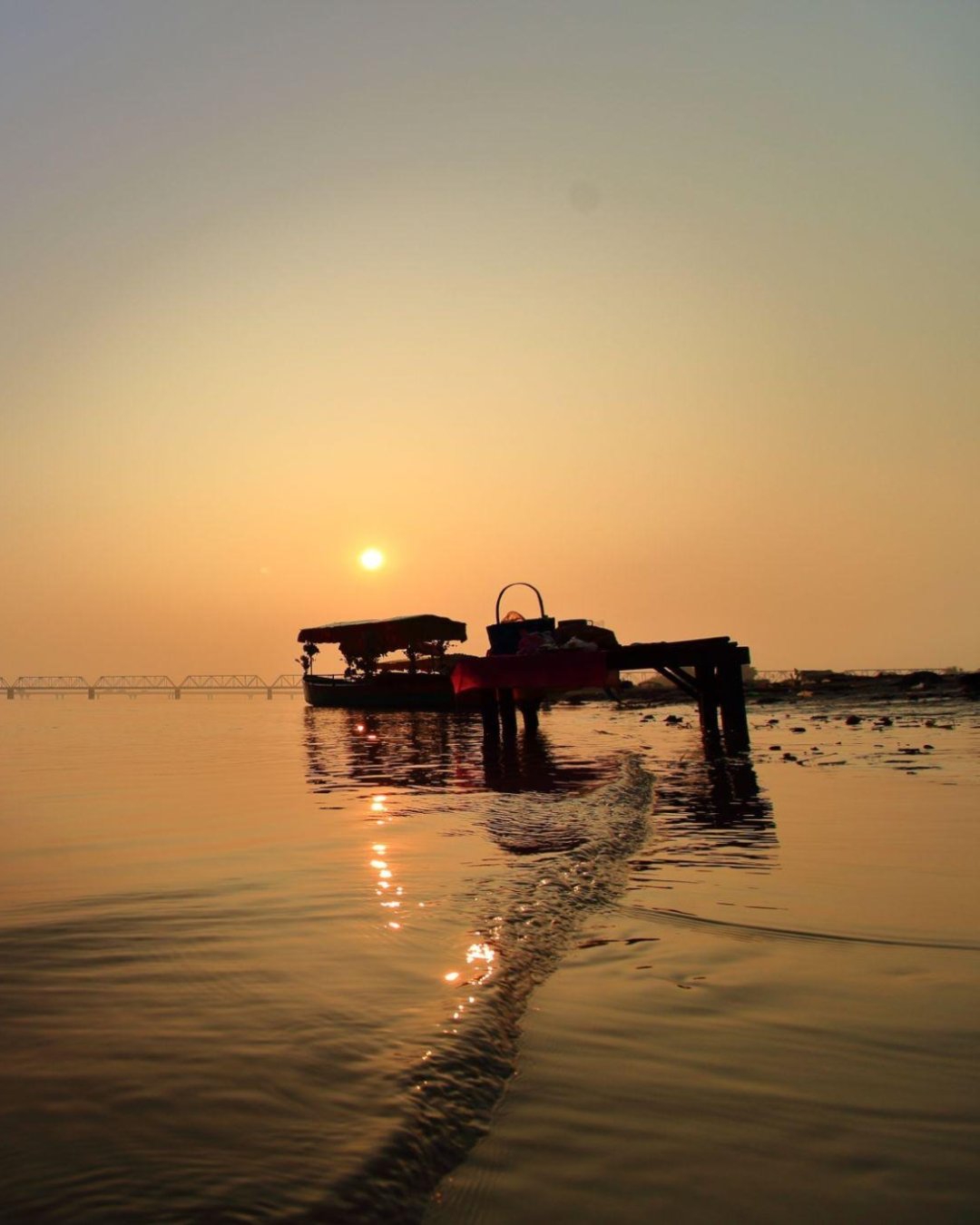
The best hour in Ayodhya happens before most visitors have woken up.
•The riverfront is quiet in the hour before sunrise, in a way it is not at any other time of day.
•Pilgrims come early for the ritual dip, so the ghats are occupied but unhurried, and the crowd noise of the day has not started.
•Below the main ghats there are quieter stretches of riverbank where you can sit or practise without being in anyone's way.
•Temple bells and recitation carry across the water from several directions at once, which is a particular feature of the hour.
•Nothing about this requires arranging. You walk down and you are there.
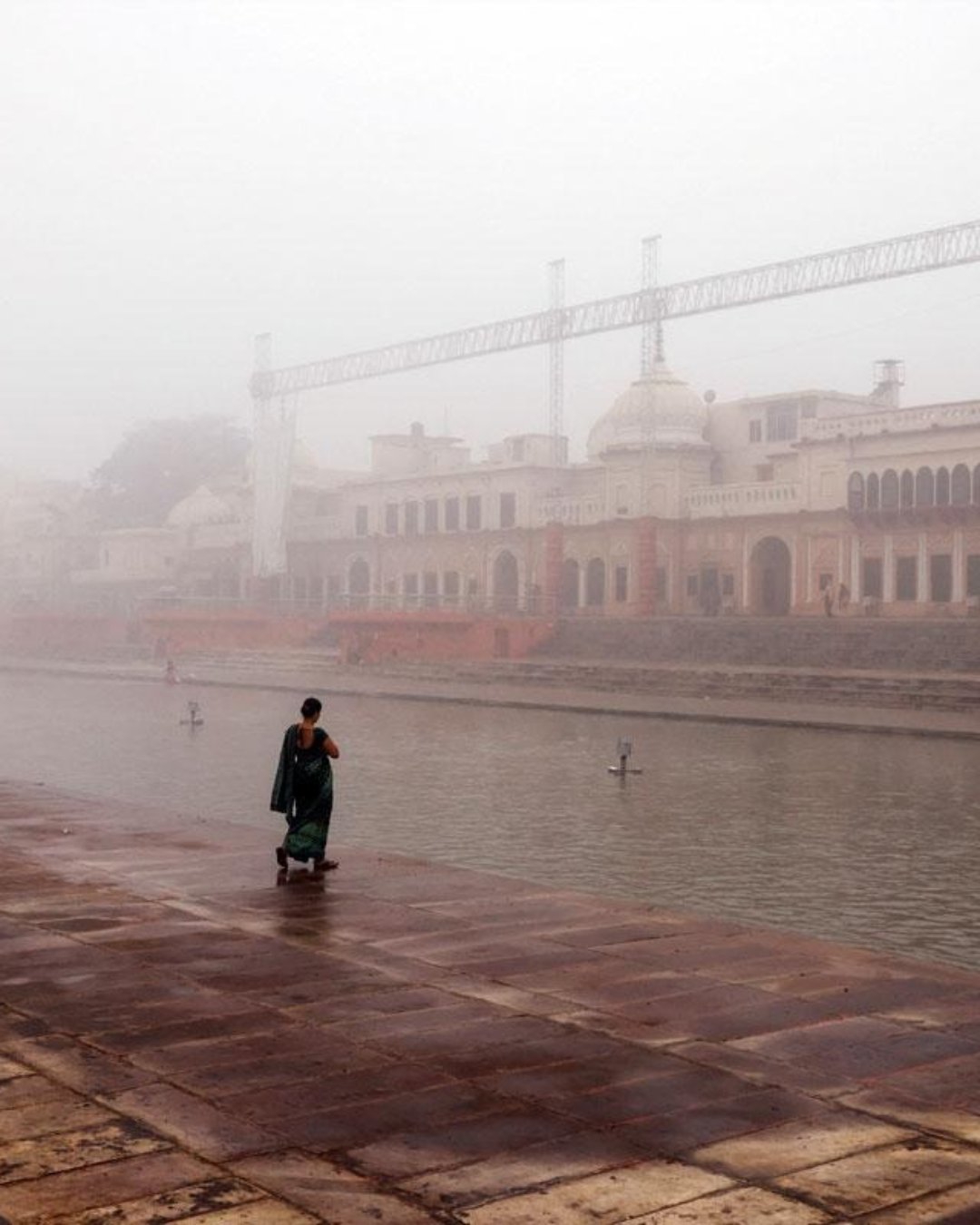
•In winter the mist on the water makes it the single most photographed hour of the day, which is worth knowing if solitude is what you came for.
Pro tip: Go down to the river the morning after you arrive, before you do anything else. It resets what you think the town is, and every later crowd feels manageable once you have seen it empty.
The mistakes that ruin it:
•Saving the river for the evening aarti and never seeing it at dawn.
•Assuming early means five minutes before sunrise. The hour before is the hour.
13
MomentSaryu Ghat, Manjha Kala
Where You Can Actually Practise
There are a handful of places in Ayodhya where you can lay out a mat without being in the way, and none of them is a studio.
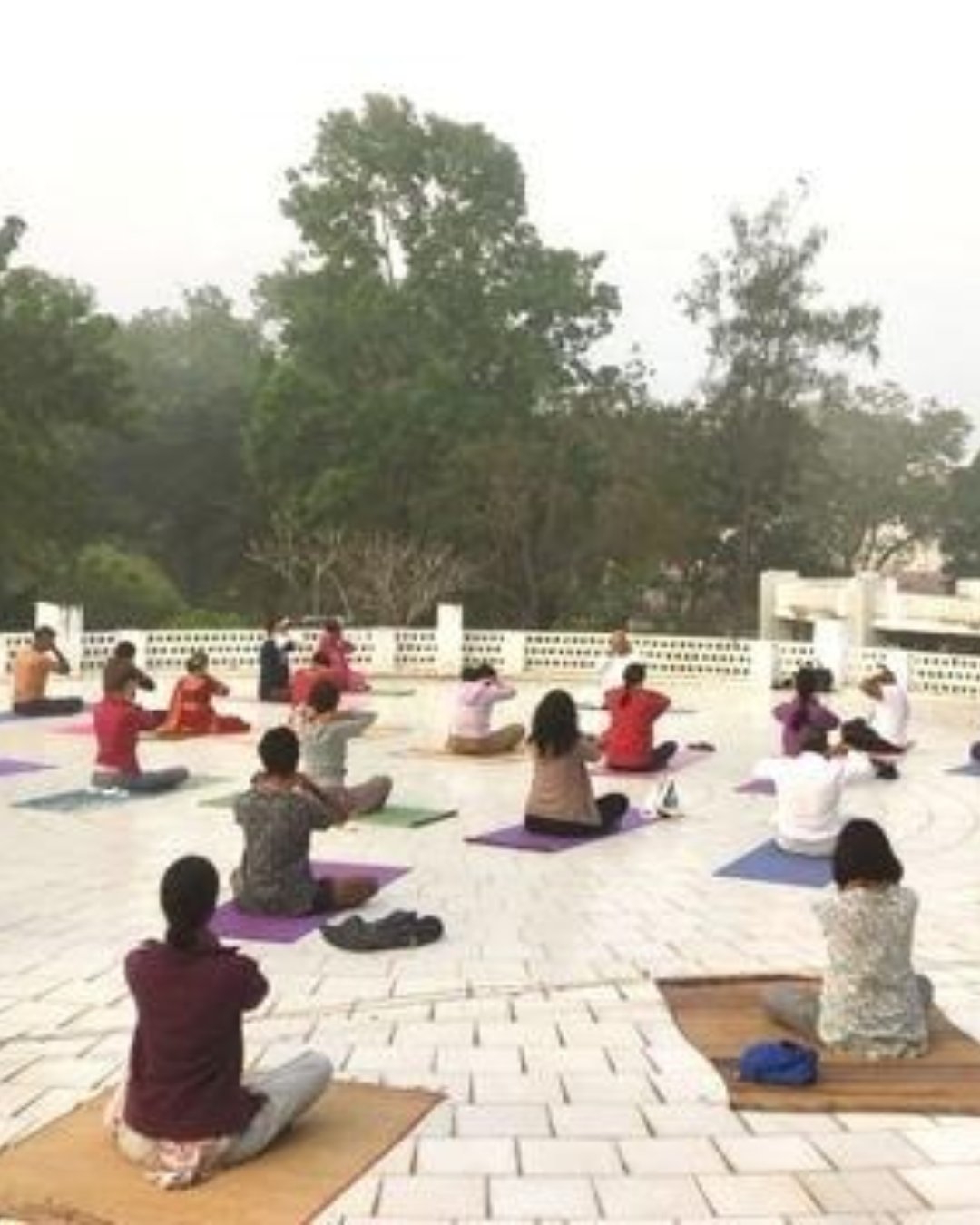
•Ram Katha Park, a landscaped public park near the temple complex, is quiet in the early morning and has space for a full practice.
•The quieter stretches of the Saryu riverbank below the main ghats work well for morning practice.
•The Karsewakpuram area has open space and much less traffic before the town wakes up.
•Several ashrams run morning sessions. They are operated by local religious institutions and are typically free or donation-based rather than commercial.
•Carry a travel mat. Nothing here is set up to provide one.
•Ask where you are staying rather than searching online — which ashrams currently run morning sessions is local knowledge, and it changes.
Pro tip: Ask at your accommodation on the evening you arrive, not on the morning you want to practise. The people who know which ashram is running sessions this month are the people at the desk, and they will not be there at five.
The mistakes that ruin it:
•Expecting to find a class by searching online.
•Arriving without a mat.
•Treating ashram sessions as a paid service rather than as hospitality.
23
MomentSaryu River Front, Manjha Kala
Staying Somewhere That Keeps a Routine
Where you sleep in Ayodhya decides what time you wake up, and that decides everything else.
•Ashrams, dharamshalas and trust accommodation run on their own daily rhythm — early mornings, fixed meal times, and a curfew at night.
•For anyone here for stillness rather than sightseeing, that structure is the attraction rather than the compromise.
•Meals at these places are sattvic and served at set hours, so the day organises itself around them.
•A hotel gives you flexibility you may not actually want on this kind of trip.
•Accepting that hospitality means observing the house's rules, which are not negotiable and are not personal.
•Where to stay in Ayodhya generally, including how to choose and how to book, is covered separately.
Pro tip: Stay somewhere with a curfew. It sounds like a restriction and works as a structure — nothing keeps you on a dawn schedule as reliably as a gate that closes at night.
The mistakes that ruin it:
•Booking a hotel for flexibility and then failing to use any of it.
•Treating house rules as inconveniences rather than as the thing you came for.
12
MomentSaryu Ghat, Manjha Kala
Quiet Inside the Crowd
The stillness here is not somewhere else. It is in the gaps inside a busy town, and the gaps are findable.
•Guptar Ghat, downstream toward the Faizabad side, is calmer than the main riverfront at almost any hour.
•Kanak Bhawan has quiet corners where people sit, and it receives a fraction of the Ram Mandir crowd despite being minutes away.
•The older temples in the old-town core stay quiet at most hours, even in season.
•The midday temple closure empties the approach roads for a couple of hours, which is the most reliable pocket of calm in the middle of the day.
•The town is loudest between the morning and evening darshan windows and around the aartis — everything between those is quieter than it looks.
•Outside the festival weeks, an ordinary Tuesday in January is a different town from the one in the photographs.
Pro tip: Use the midday closure rather than resenting it. It is the only time of day the temple approach is genuinely calm, and almost nobody plans for it.
The mistakes that ruin it:
•Trying to find quiet by going further out when it is available a street away.
•Visiting only in festival season and concluding the town is never still.
18
MomentShri Hanuman Garhi Mandir, Ayodhya
Fitting Stillness Around a Temple Clock
A slow trip to Ayodhya still runs on the temple's timetable, and the trick is to stop fighting it.
•The morning darshan window is the busiest and most rewarding part of the day, and it sits immediately after the quietest.
•That sequence — river at dawn, darshan at opening, breakfast afterwards — is the natural shape of a morning here.
•The midday closure is the natural rest, and treating it as a scheduled pause rather than an obstacle changes the whole day.
•The evening belongs to the aarti at the ghats, which is communal rather than solitary and is worth attending on those terms.
•Three or four days is enough to settle into this rhythm. One or two is not.
•Everything about darshan timings, passes and queues is covered separately, and worth reading before you plan a slow trip around them.
Pro tip: Give the trip four days rather than two if stillness is the point. The first two are spent learning the town's rhythm; the value arrives once you stop consulting a plan.
The mistakes that ruin it:
•Building a contemplative trip around a two-day itinerary.
•Scheduling activity through the midday closure and wondering why the day feels relentless.
Destination
Ayodhya, Uttar Pradesh, India
Common questions
01Question
Is Ayodhya good for a yoga or meditation retreat?
Not in the way Rishikesh is. Ayodhya has no dense yoga-studio culture, no teacher-training circuit and no wellness district, and local institutions say so themselves. What it has is ashrams and trusts running morning
practice, and a town that goes genuinely still before dawn. Bring your own practice rather than expecting to find one.
02Question
. Where can you practise yoga in Ayodhya?
Ram Katha Park near the temple complex is quiet early and has space for a full practice. The quieter stretches of Saryu riverbank below the main ghats work well, as does the open space around Karsewakpuram before the town wakes. Carry your own mat — nothing here is set up to provide one.
03Question
. Do ashrams in Ayodhya run morning sessions?
Several do. They are run by local religious institutions and are typically free or donation-based rather than commercial. Which ones are running sessions in a given month is local knowledge that changes, so ask where you are staying rather than searching for a schedule online.
04Question
Is it worth staying in an ashram in Ayodhya?
If stillness is the reason you came, yes. Ashrams, dharamshalas and trust accommodation run on their own rhythm — early mornings, fixed sattvic meals, a curfew at night. That structure is the attraction rather than the compromise, and it keeps you on a dawn schedule more reliably than any intention does.
05Question
What is the quietest time in Ayodhya?
The hour before sunrise at the river, without question. After that, the midday temple closure empties the approach roads for a couple of hours. The town is loudest between the morning and evening darshan windows and around the aartis; everything between those is quieter than it looks.
06Question
How long do you need for a slow trip to Ayodhya?
Three or four days. The first two go on learning the town's rhythm — when the river is empty, when the closure falls, when the ghats fill for the aarti — and the value arrives once you stop consulting a plan. One or two days is a sightseeing trip, not a slow one.
More to explore
Go further into one part of this trip.