

Bhojanalayas, Bhandaras and Eating as Part of the Pilgrimage
Kanak Bhawan, Ramkot, India
Most pilgrims in Ayodhya do not eat in restaurants, and the system they use is barely written about.
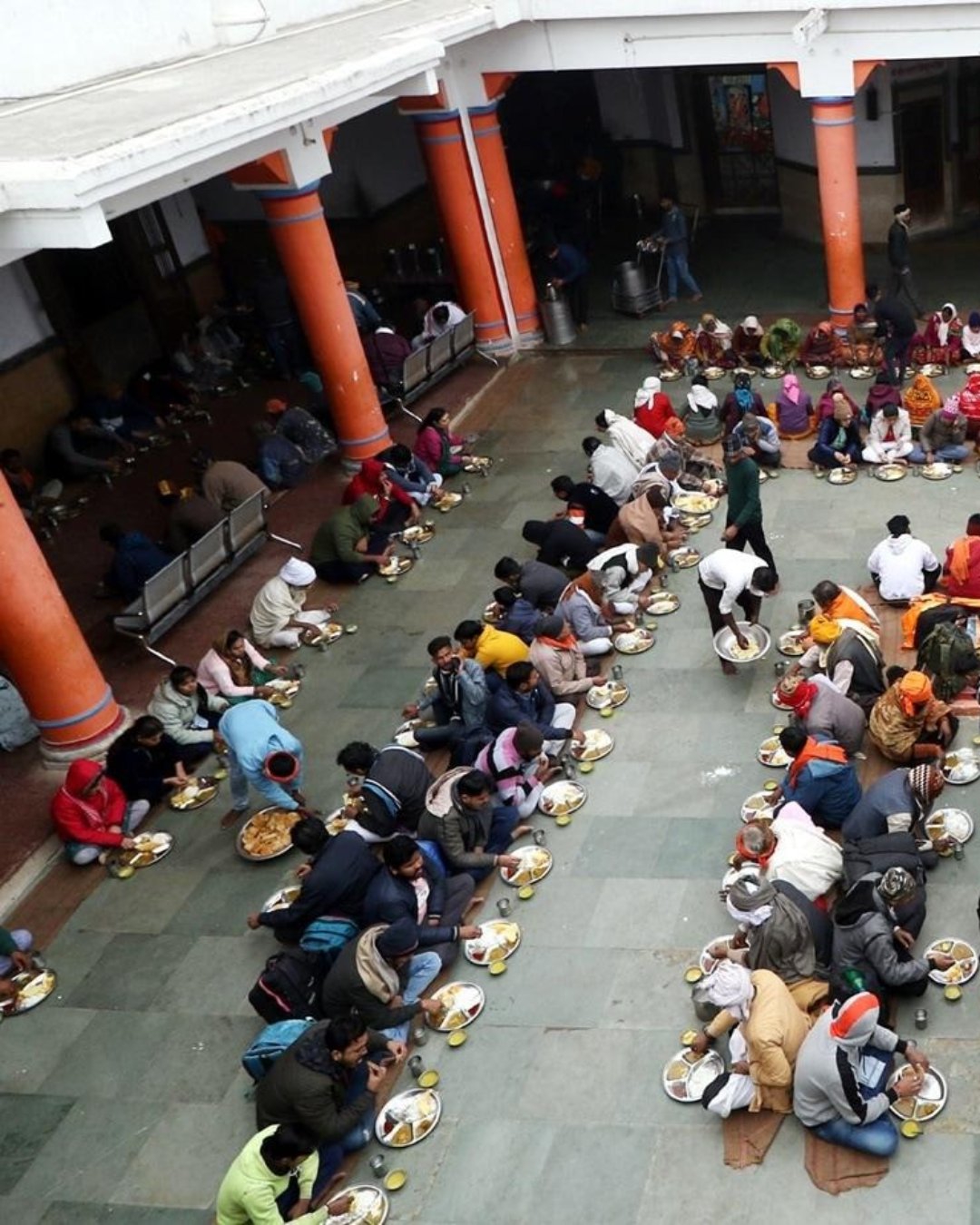
•Bhojanalayas are simple vegetarian dining halls, many attached to trusts and ashrams, serving fixed thalis rather than menus.
•A typical Ayodhya thali runs to puri, aloo sabzi, dal, rice and a sweet, cooked sattvic and served until you stop eating.
•Several of the larger trusts and dharamshalas run their own kitchens, so where you sleep often determines where you eat.
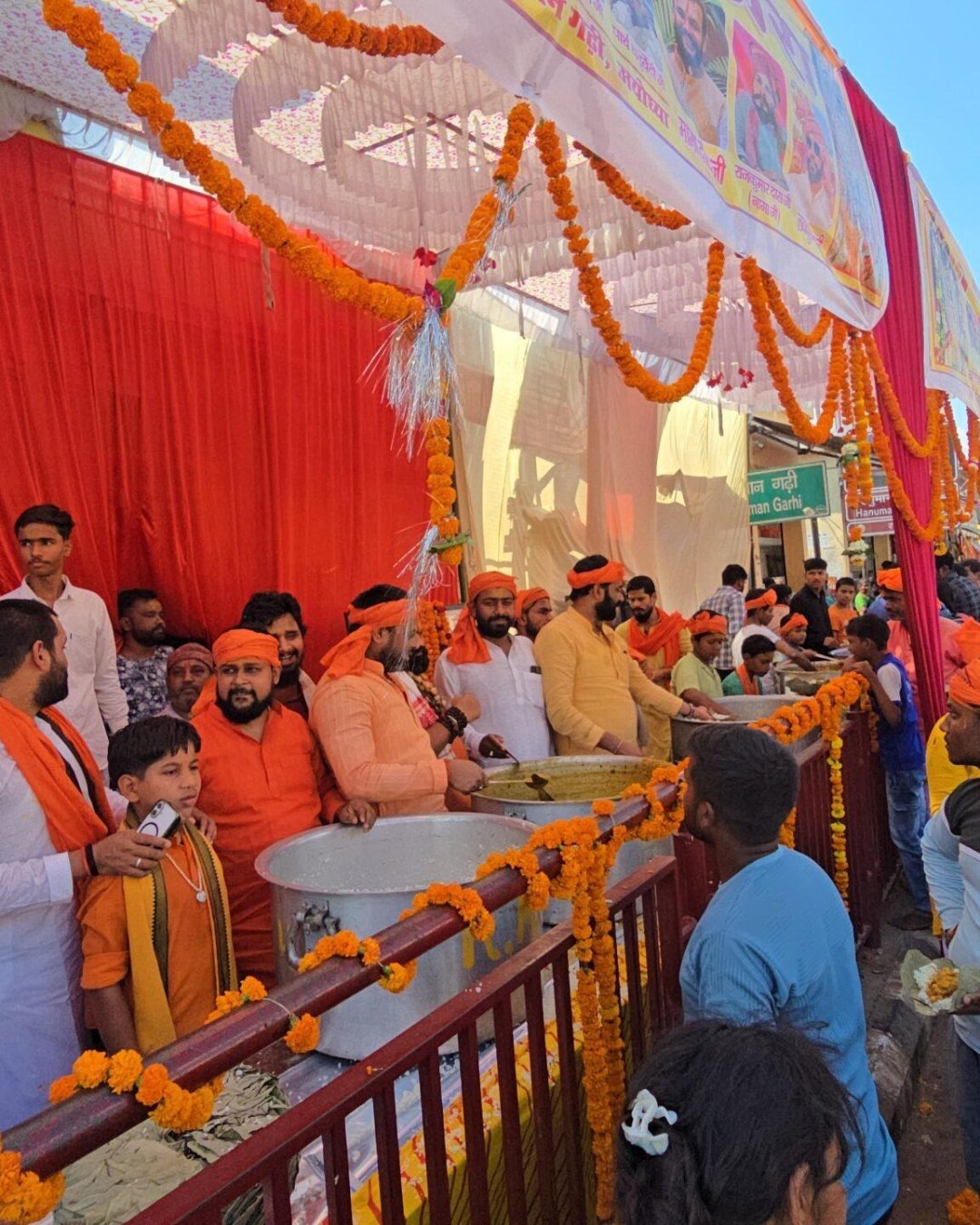
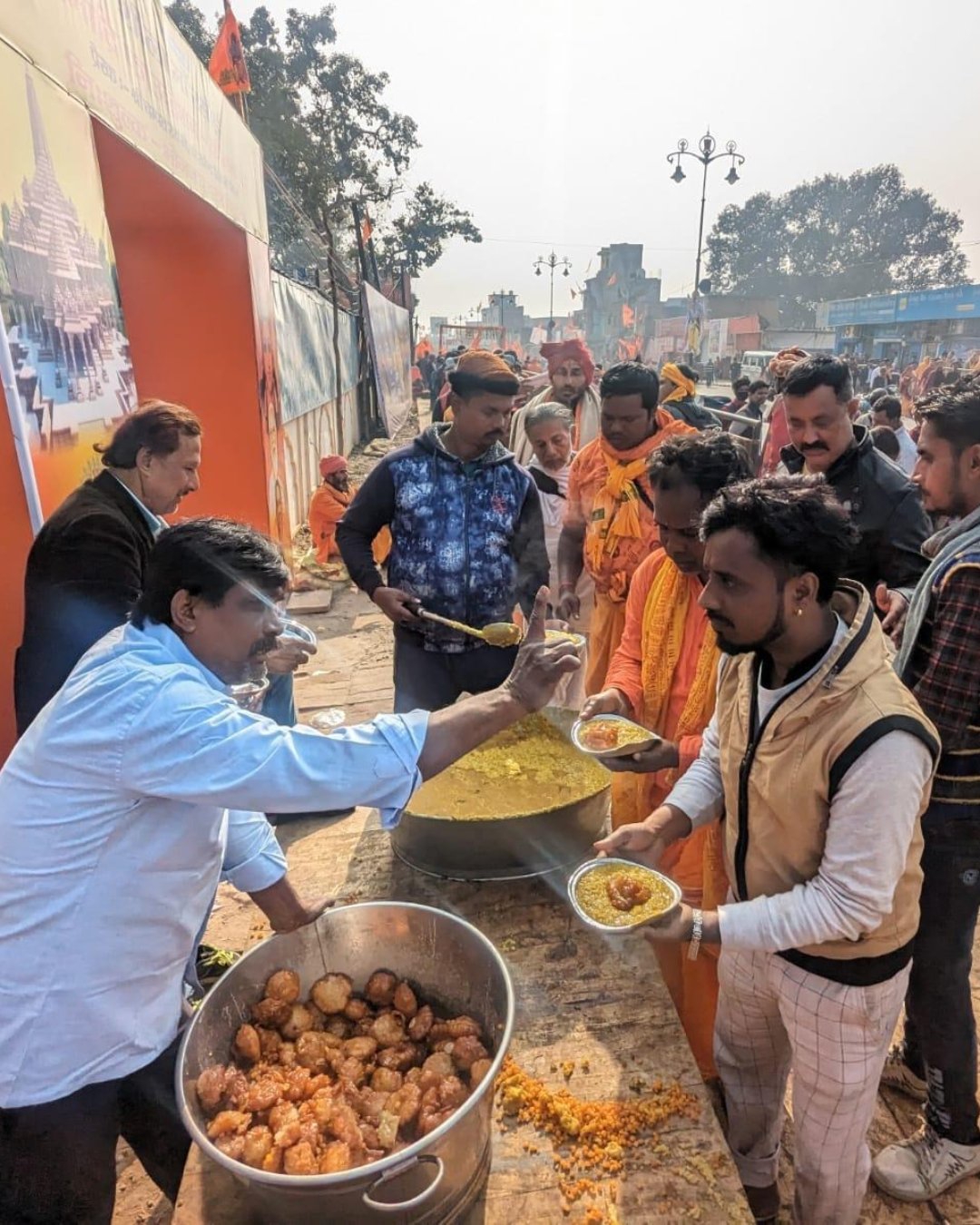
•Bhandaras — free or donation-based community meals — are served near the major temples, and the food is prepared and treated as prasad.
•They are open to anyone, and during festivals they feed very large numbers.
•Basic etiquette applies: wash your hands first, sit quietly, take only what you will finish, and never waste prasad.
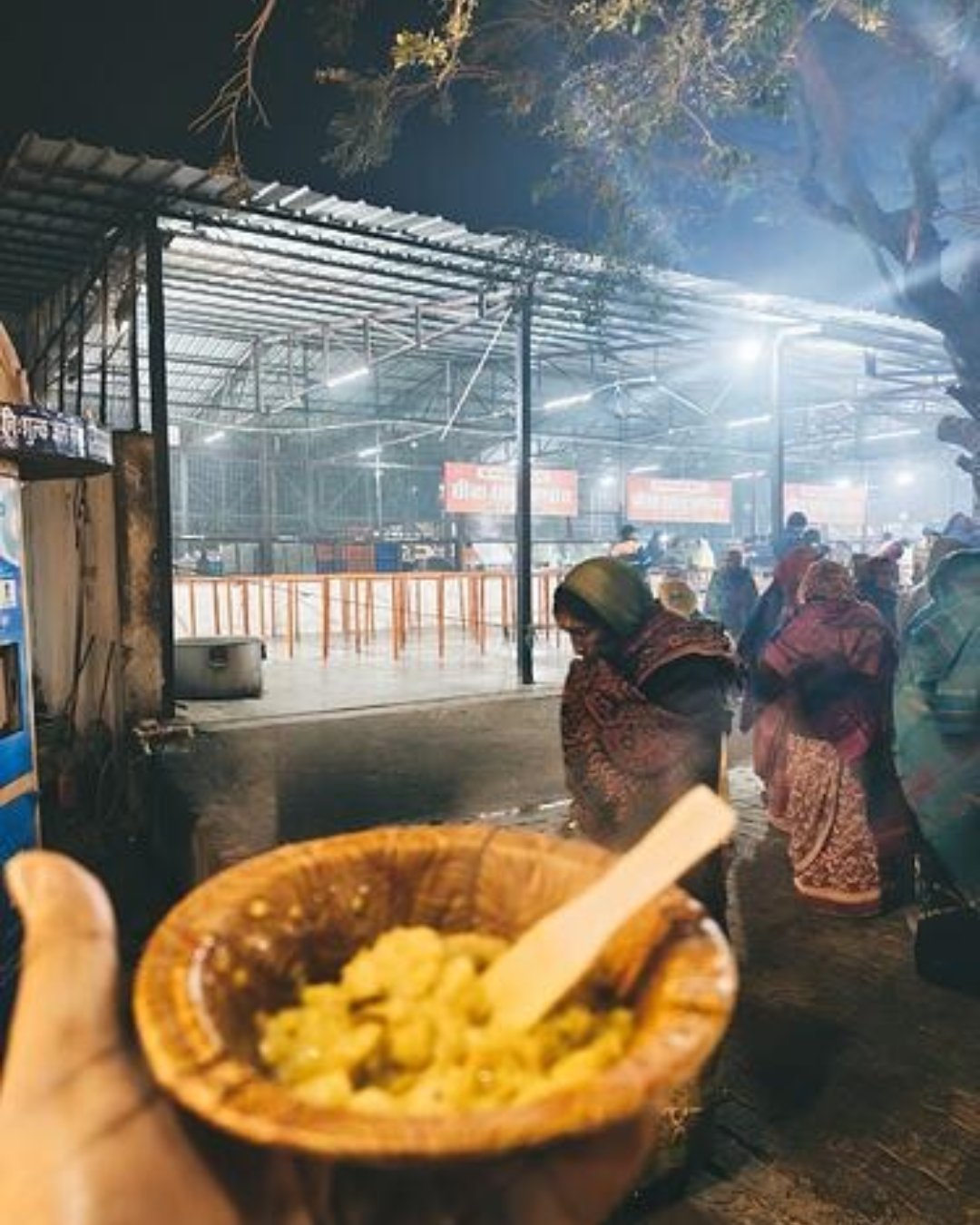
•Many of these places, and most street stalls, take cash only.
Pro tip: Carry cash and eat at least one meal in a bhojanalaya rather than a restaurant. It costs a fraction as much, and it is the closest thing to how the town actually eats.
The mistakes that ruin it:
•Assuming a card or UPI will work at a stall or a bhojanalaya.
•Treating a bhandara as a free buffet rather than as prasad.
•Taking more than you can finish.