

Rudraksha, and How to Tell a Real One
Kanak Bhawan Road, Ayodhya, India
Rudraksha is the purchase most visitors make and the one most often sold badly.
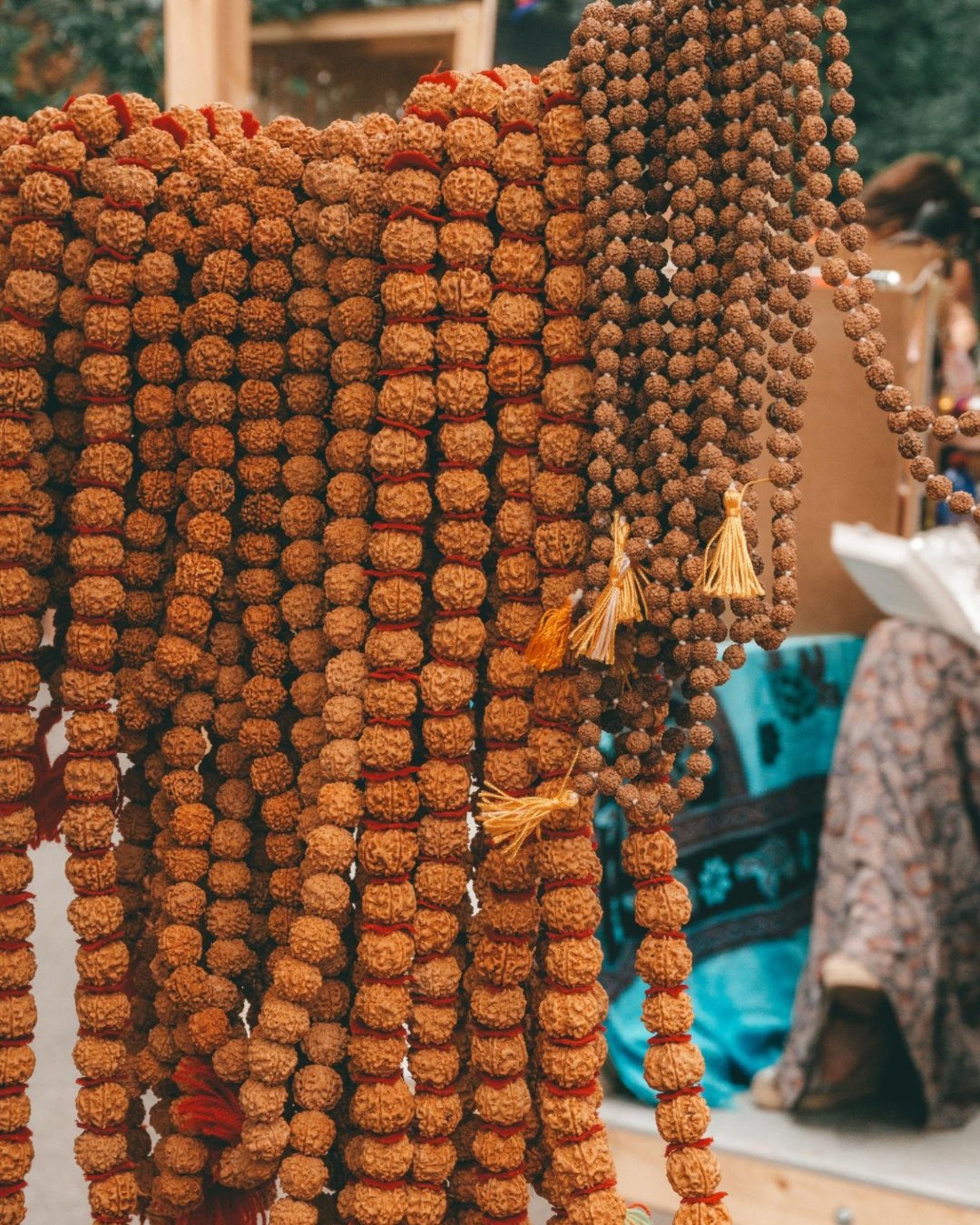
•Rudraksha beads come from the seed of Elaeocarpus ganitrus, grown in the Himalayan foothills and strung into malas across India.
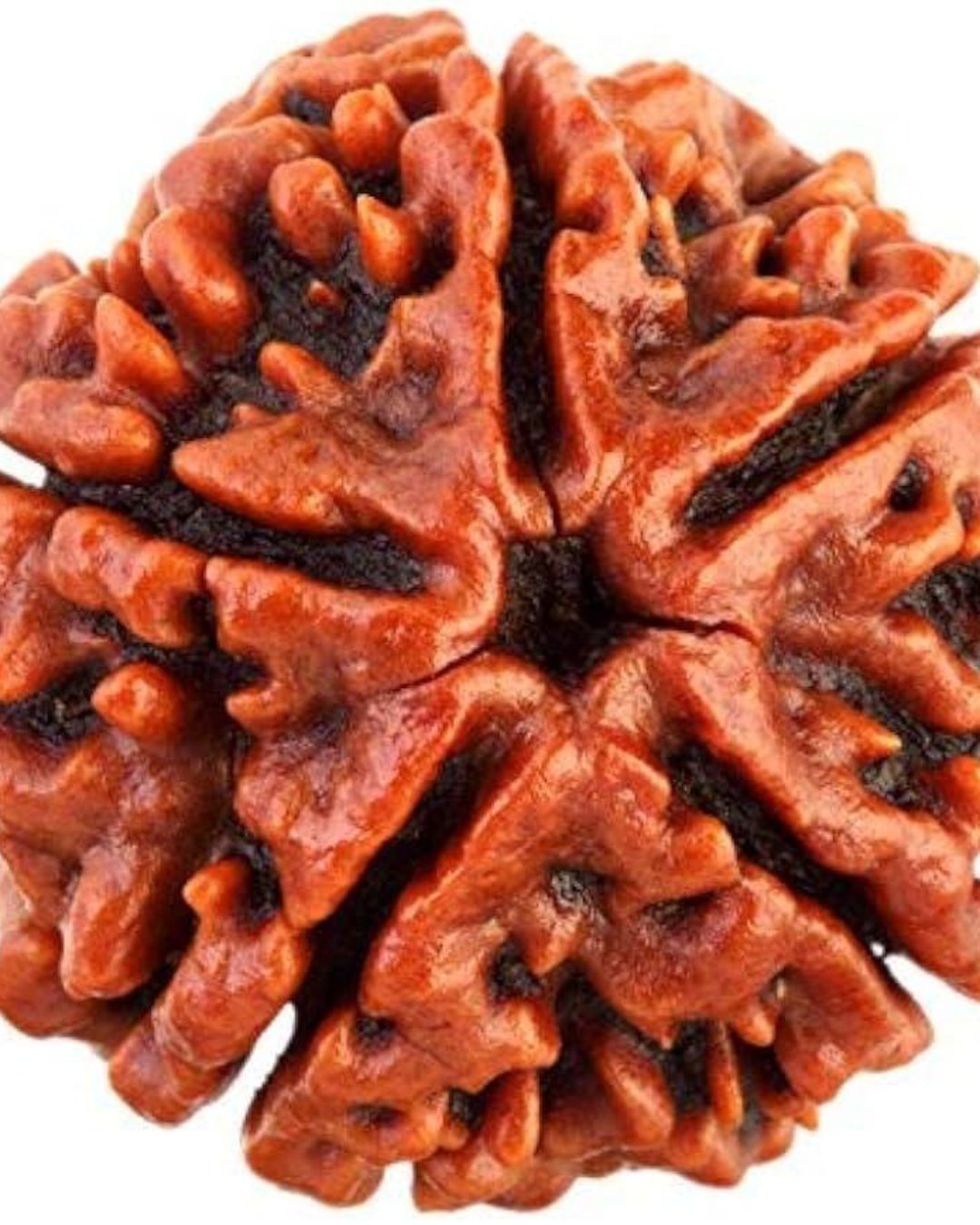
•A genuine bead carries natural furrows running from top to bottom — the mukhi, or faces — and they are visibly irregular rather than machine-even.
•Bead counts and mukhi counts both carry meaning, and sellers will explain their own; the physical check is the part you can do yourself.
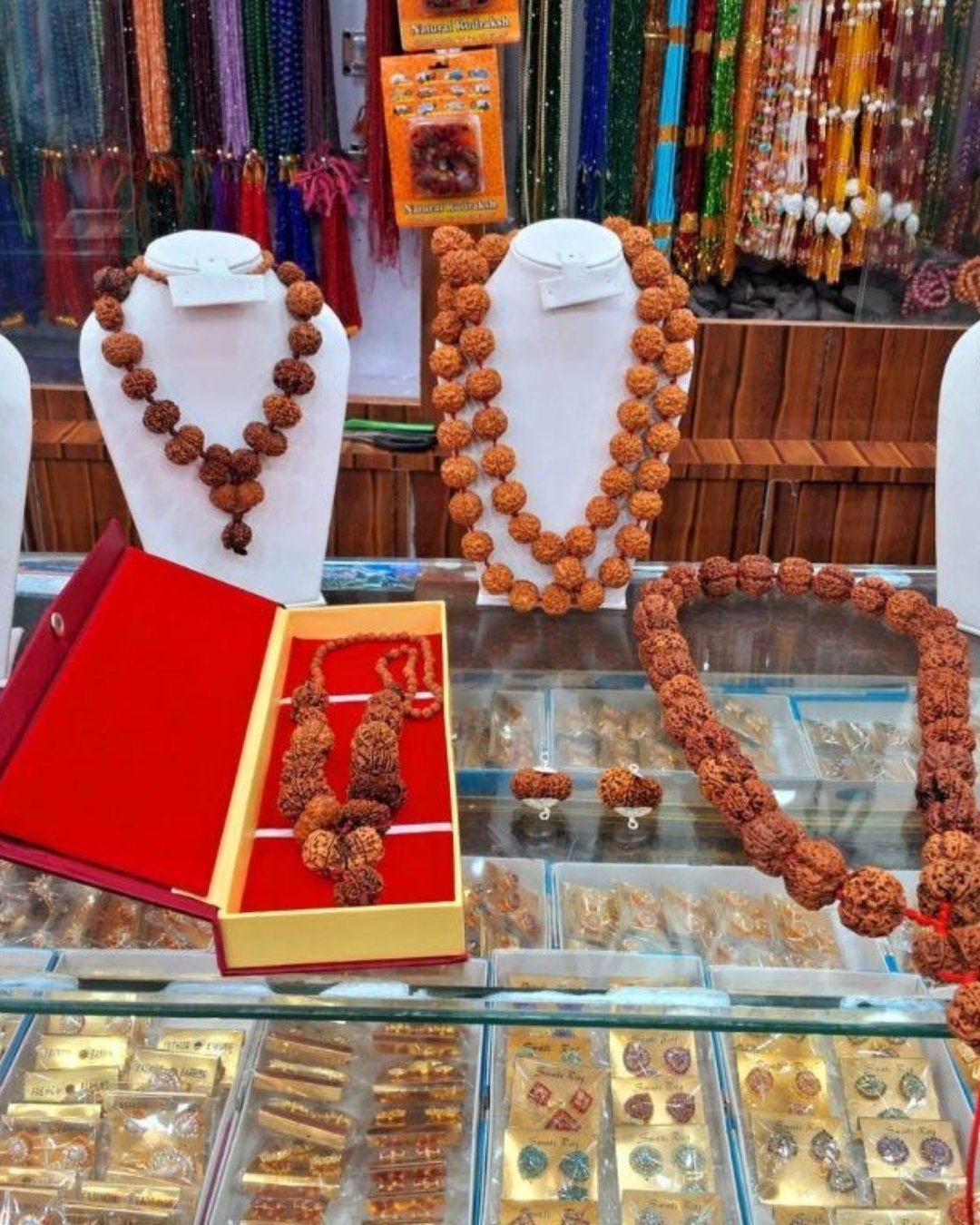
•Prayer malas, single pendant beads and silver-mounted versions are all widely sold, at prices that rise steeply with rarity claims.
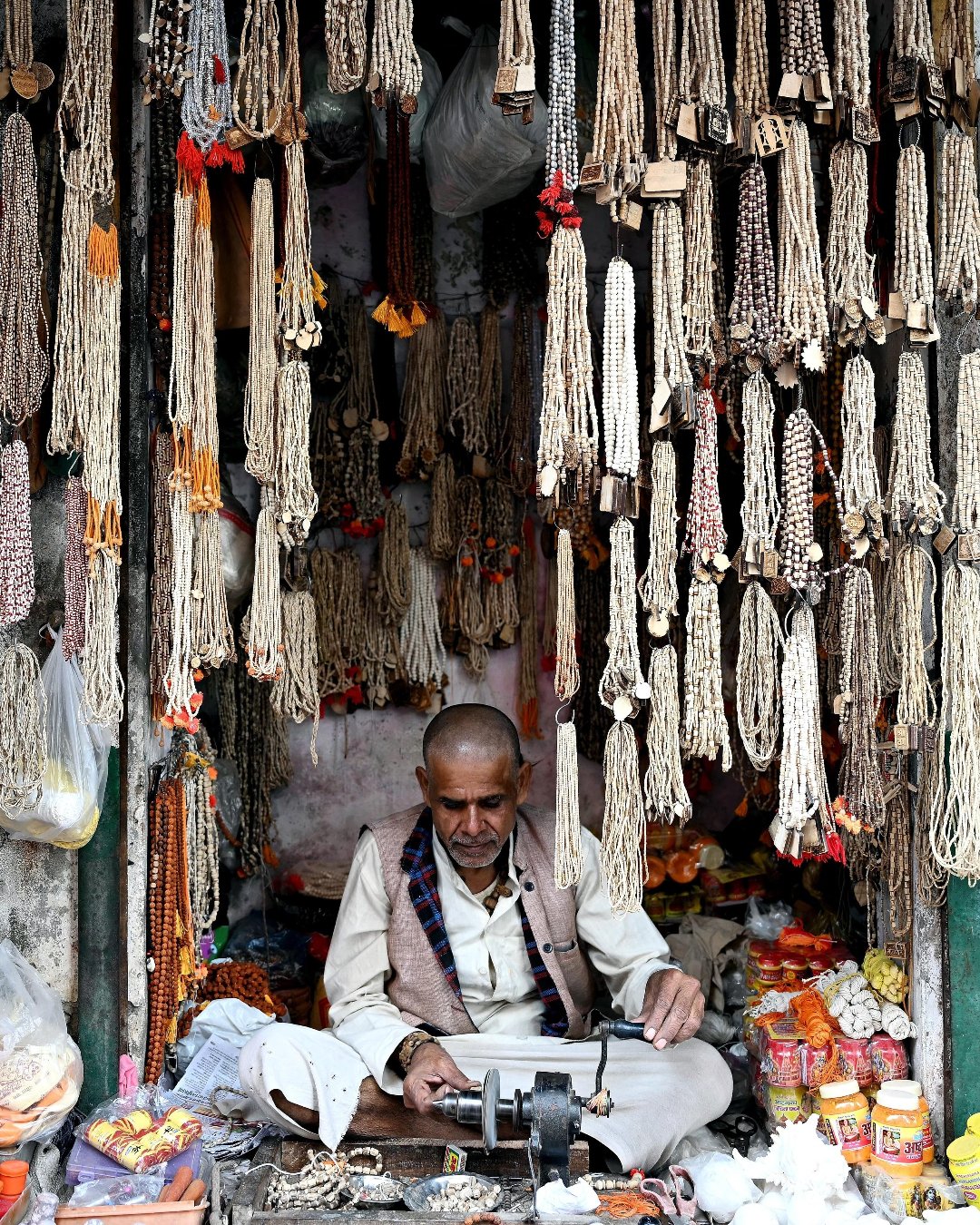
•Established shops near the temples generally handle these better than mobile vendors, and are easier to return to if something is wrong.
•Ask what the bead is and where it came from before asking what it costs.
Pro tip: Look at the furrows in daylight before you talk about price. Irregular, natural grooves are the one thing that is hard to fake cheaply, and checking visibly changes how the conversation goes.
The mistakes that ruin it:
•Paying a rarity premium without examining the bead.
•Buying a mala from a mobile vendor you cannot find again.
•Leading with the price question rather than the provenance one.