

Practicalities & Etiquette
Assi Ghat, Varanasi, India
Coming to Varanasi for its music asks a little more of you than sightseeing does — late nights instead of early ones, long hours sitting on stone floors, and a listening culture with its own quiet rules. Get a few practical things right and learn how an audience is meant to behave, and the music opens up to you rather than passing you by.
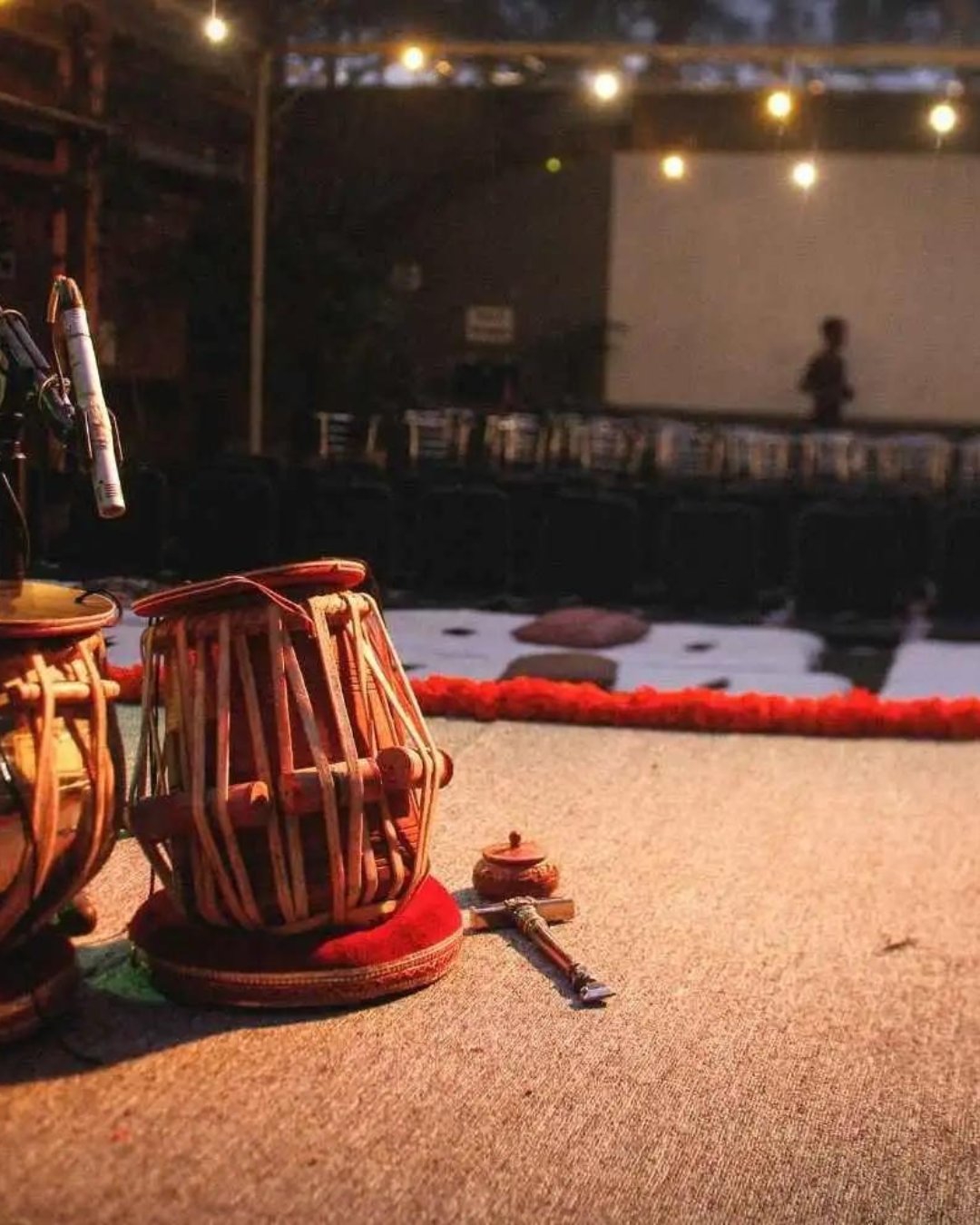
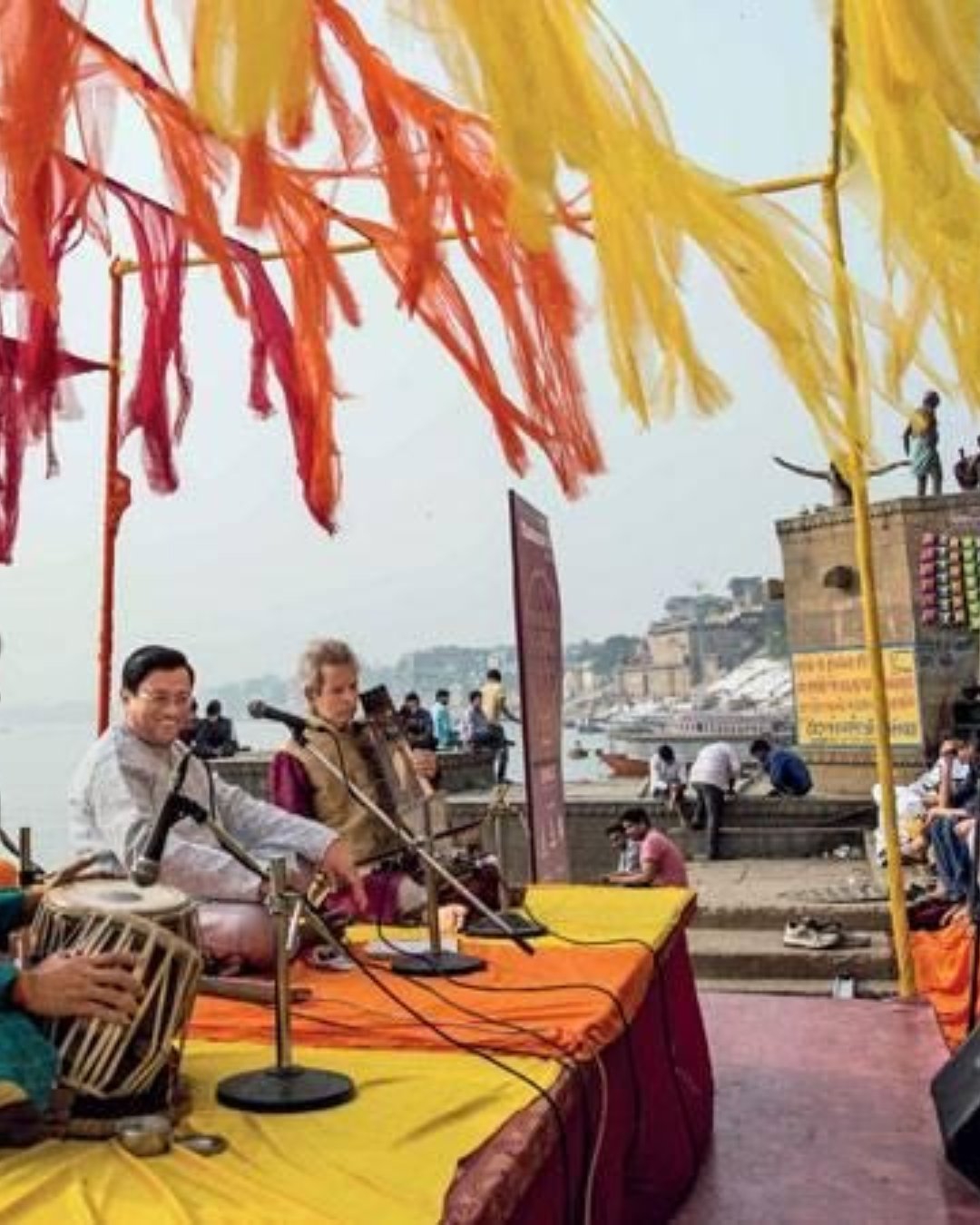
Start with timing. The great set-piece is the Sankat Mochan Sangeet Samaroh, six nights of classical music and dance each April, timed to Hanuman Jayanti — so the exact dates shift year to year with the Hindu calendar, and it's worth confirming them before you build a trip around it. Beyond the big festival, the cooler October-to-March months are thick with concerts, and smaller baithaks — intimate salon-style recitals in homes, courtyards and temples — happen year-round, usually in the evenings and often spread by word of mouth rather than advertised. However you find them, expect the real programme to be nocturnal: a concert may begin around dusk and run past midnight, sometimes to dawn, with the finest playing often saved for the small hours. Pace yourself for it. Eat before you go rather than during, and bring a shawl or wrap — you'll be sitting on cold stone for hours, and it doubles as something to sit on and something to keep the chill off near daybreak. Carry cash in small notes for autos, chai and donations, since cards are little use here.
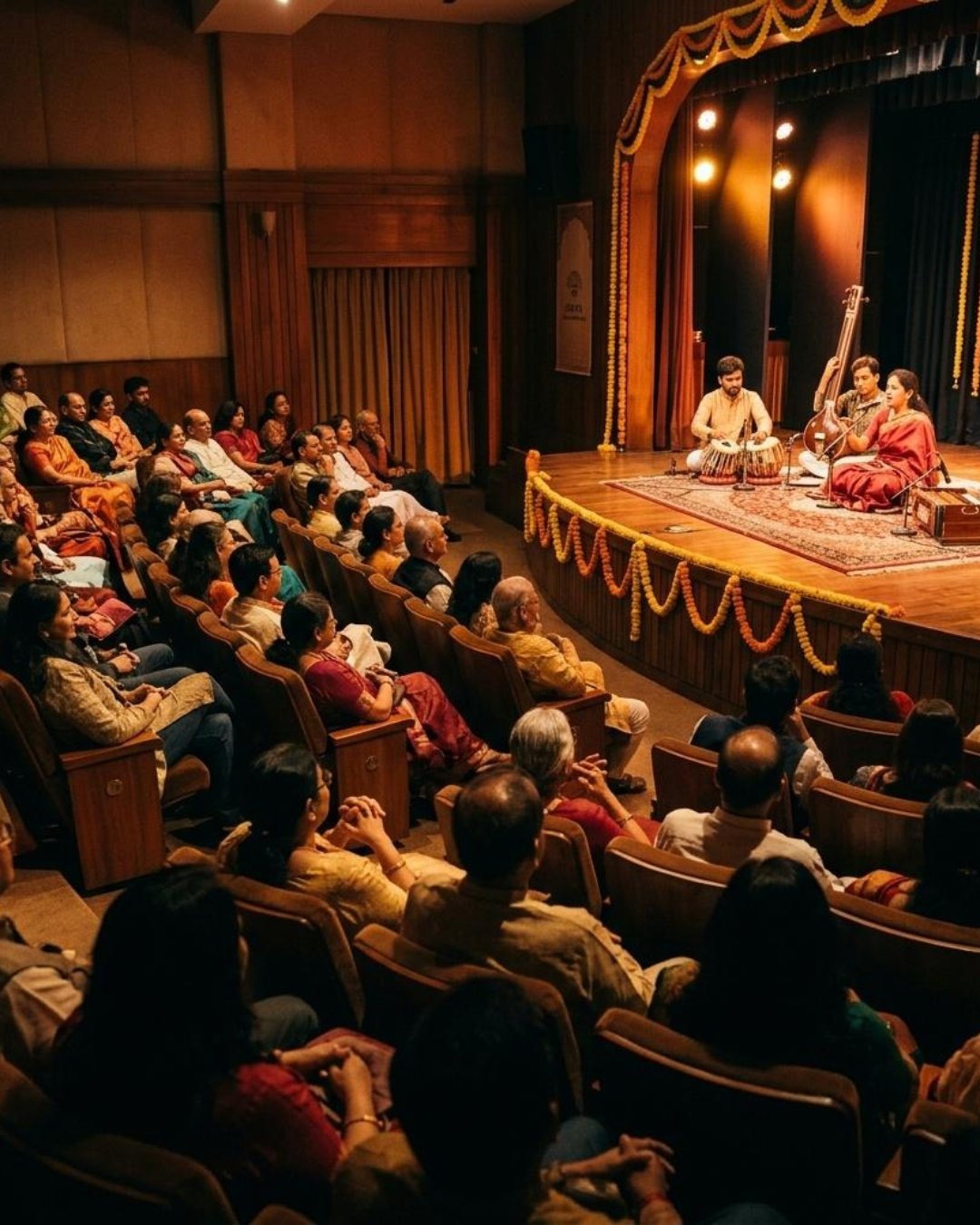
The etiquette that matters most is how you listen. Hindustani audiences are not silent — appreciation is part of the music — but timing is everything. A soft "wah!", "wah wah" or "kya baat!", a nod or a gently raised hand is the right way to salute a beautiful phrase, a clever rhythmic landing, or a passage that lifts the whole room. But stay silent through the slow, unfolding alaap at the start and any delicate, quiet passage; never talk over the music, never let a phone ring, and take your cue from the seasoned listeners around you, who know exactly when to voice their delight and when to hold still. On recording: many settings ban phones outright — the Sankat Mochan festival among them — and at baithaks and in temples you should always ask before recording or photographing a musician, and accept a no gracefully. Dress modestly for temple and home settings, slip your shoes off where everyone else does, arrive early if you want a place near the front, and take care never to step over an instrument or a performer.
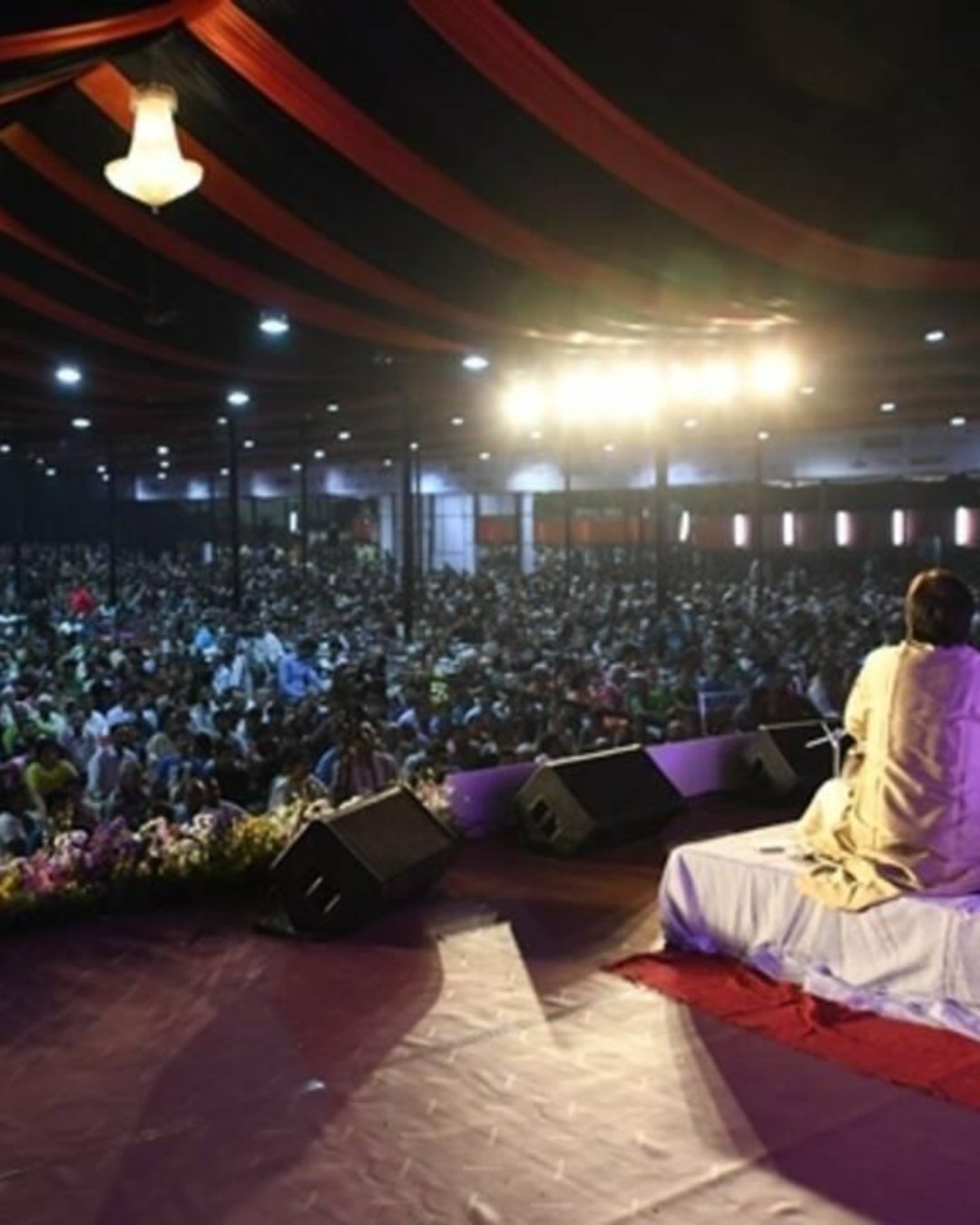
A word on money, because it's easily misjudged. The big festival is free — an offering, not a ticketed show — and intimate baithaks often run on donation or a discreet offering rather than a fixed fee, with the musicians sometimes taking nothing at all. Give what you can, quietly and with both hands or the right hand, and treat the whole thing as being welcomed into something rather than buying a seat. Come to listen rather than to collect performances, let the long nights carry you, and Varanasi's music gives back far more than it asks of you.