

Taking a First Lesson
Bangali Tola, Varanasi, India
The first lesson is where you find out whether a teacher is right for you, so treat it as a trial rather than a commitment. Arrange a single session first — any genuine teacher will happily give you one — and go in planning to learn something small, not to sign up for a month on the spot. Book it directly where you can, through the school or your guesthouse, and confirm the time, the length and the price before you arrive so there are no surprises at the end. You almost never need your own instrument to begin: the school provides the tabla or sitar, and buying your own only comes up if you decide to keep going. Carry small notes to pay for the single lesson in cash, since most teachers don't take cards, and if your English or the teacher's is a worry, check that you'll actually understand each other first — teaching by ear depends on it.
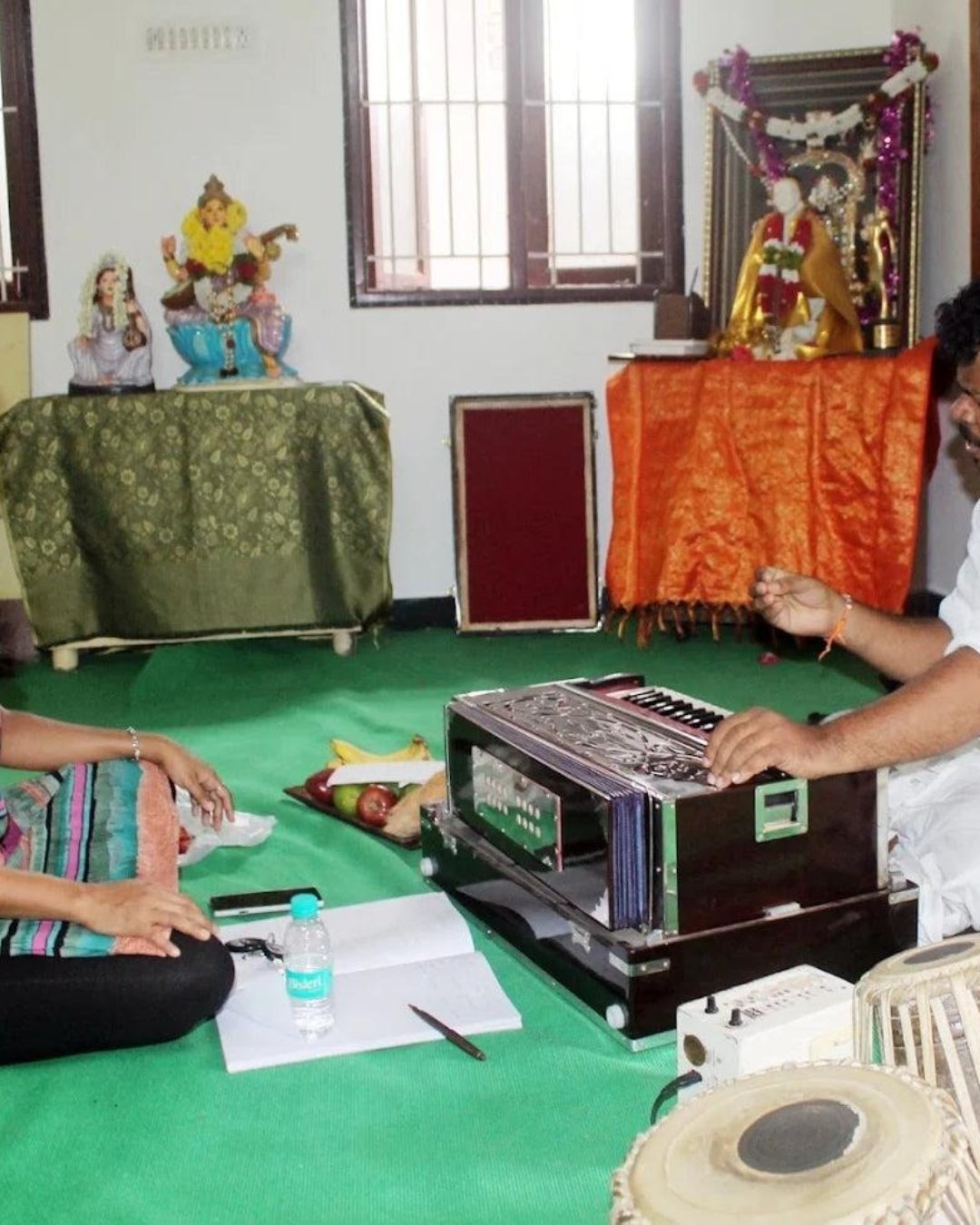
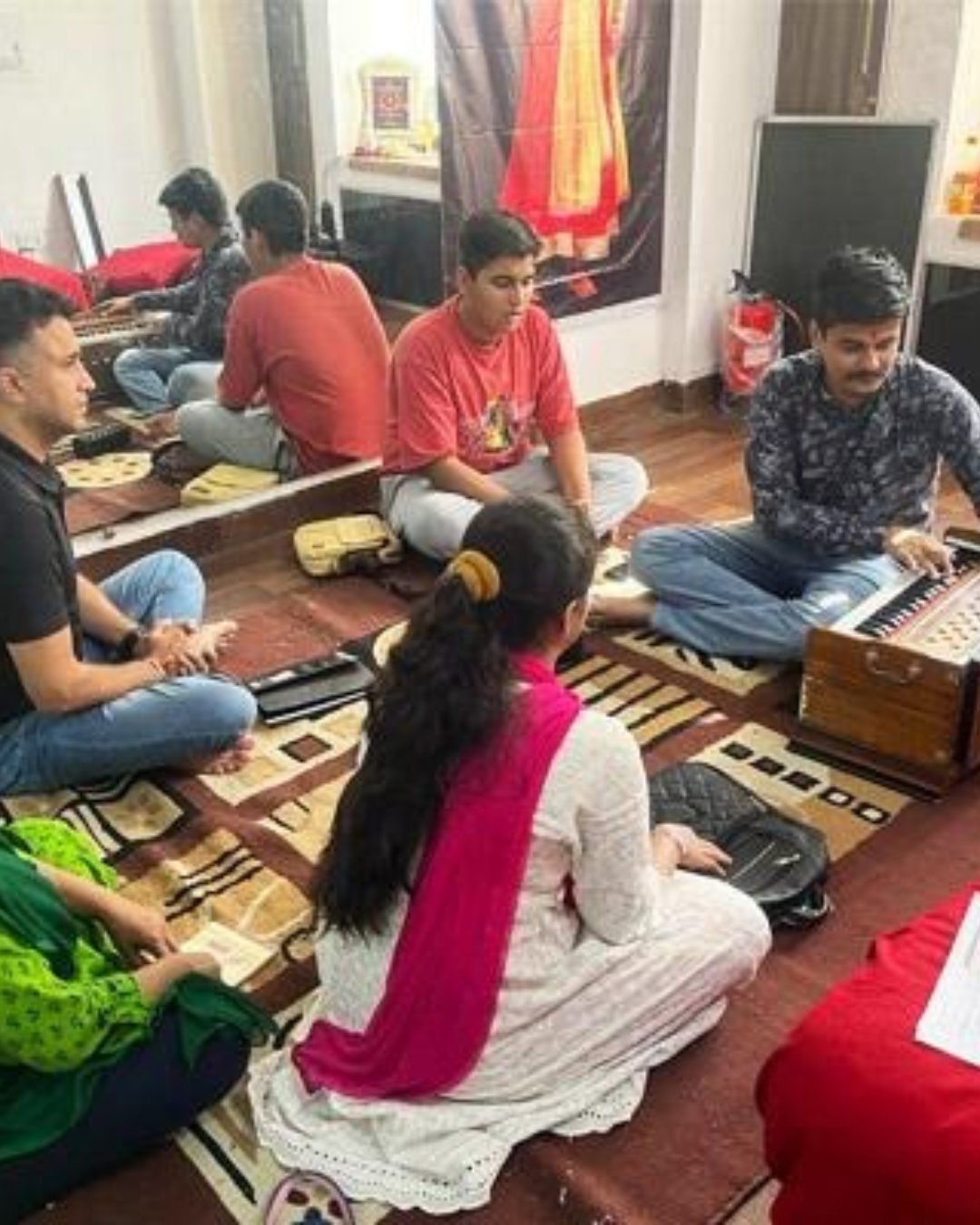
Turn up a little early in loose, comfortable clothes you can sit cross-legged on the floor in. The first thing to do when you meet the teacher is to be honest about where you are, and here the good news is that no background is needed at all: say plainly that you're a beginner, and tell them whether it's tabla or sitar you're drawn to and what you're hoping for — a taste of the rhythm, a single raga, or the start of something longer. A good teacher takes that in and shapes the session around you, and will put the instrument in your hands on the very first day rather than lecturing you about it.
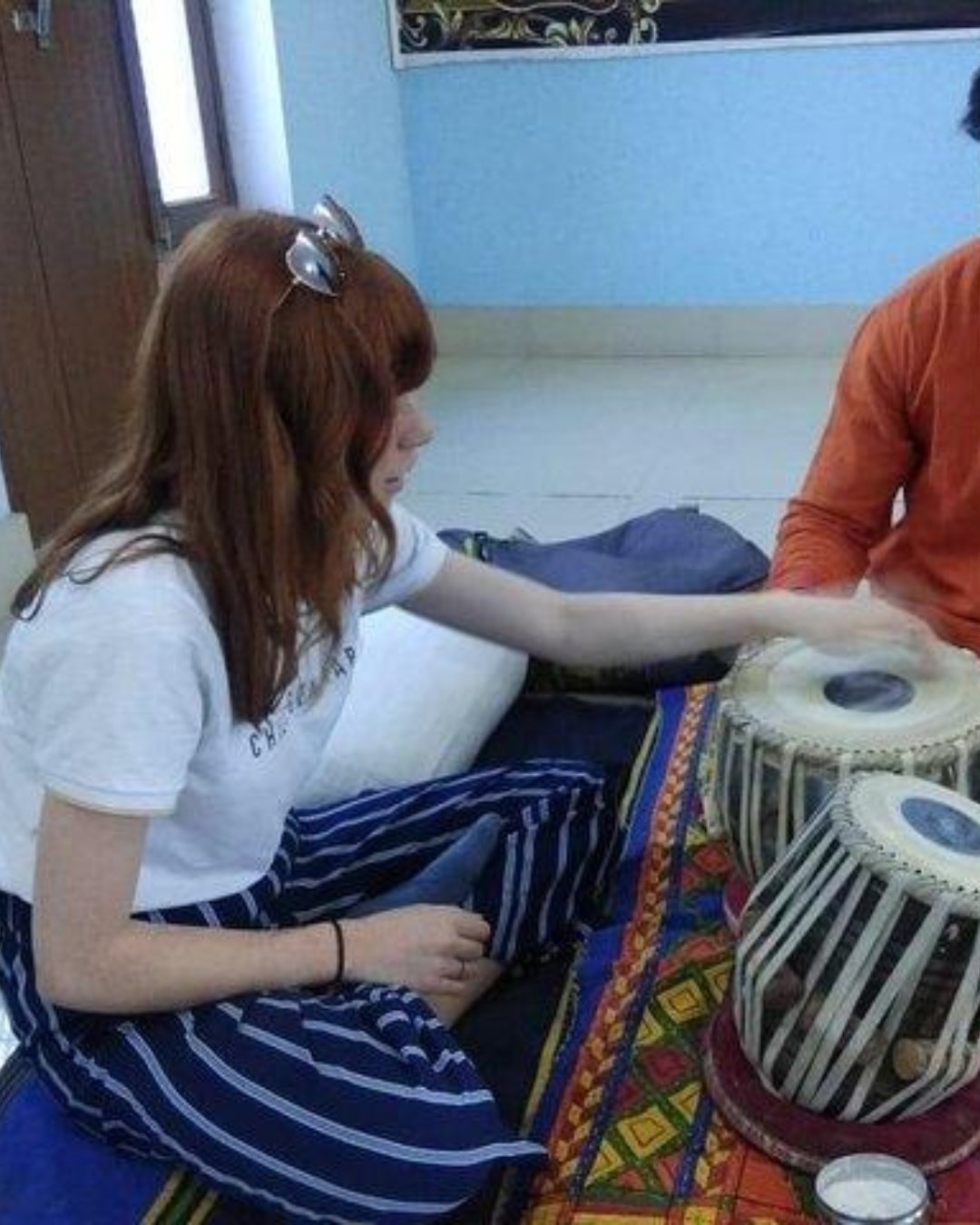
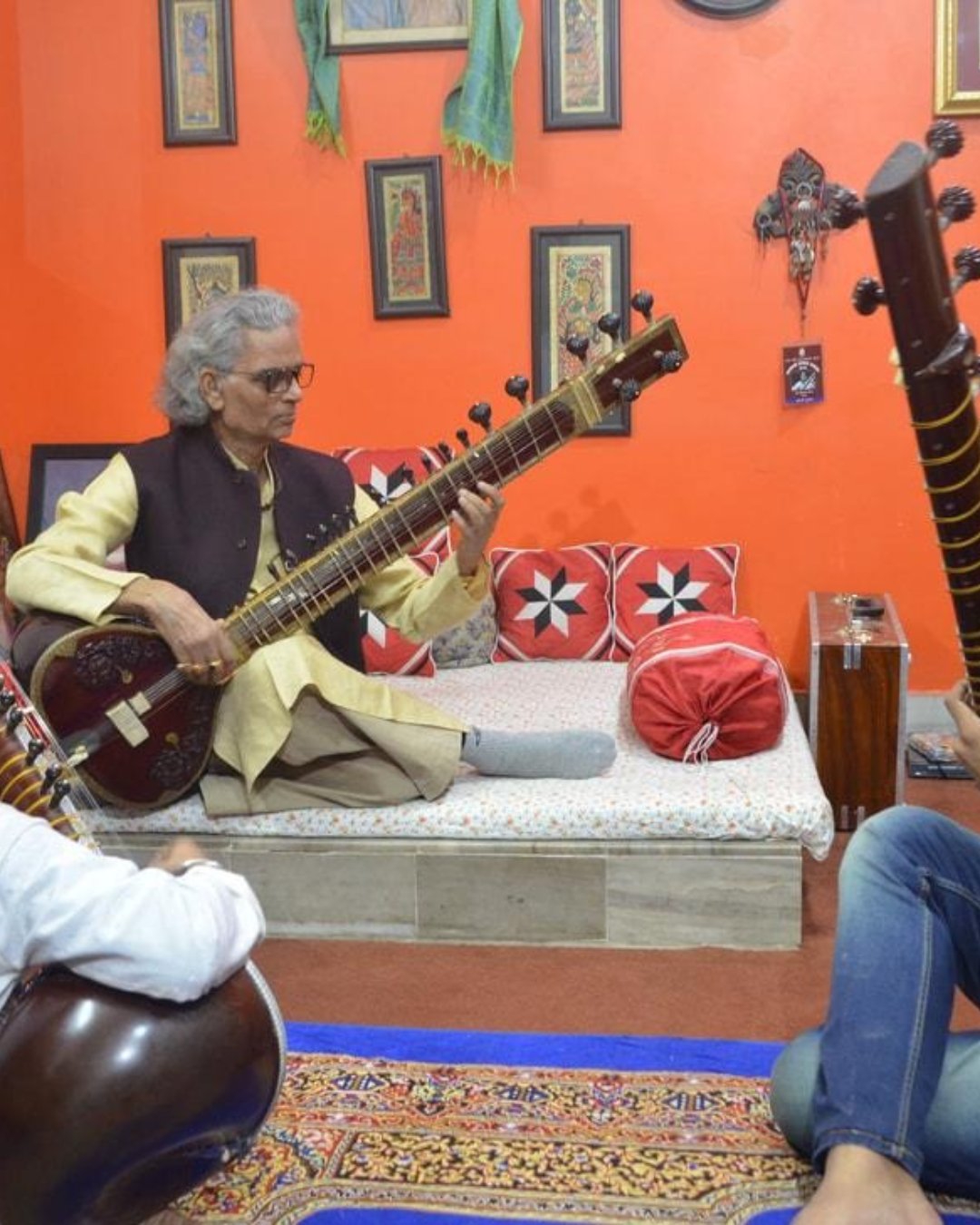
Expect a first lesson to feel slow, and let it. Hindustani music is an oral tradition, passed from teacher to student by ear and imitation for centuries, so there's no sheet music to decipher — the teacher plays a phrase, you copy it, they correct your hand, you copy it again. On tabla you'll meet the bols, the spoken drum syllables — dha, dhin, na, tin — that you learn to recite out loud before your hands can play them, so the rhythm lives in your voice first. On sitar it's the same spirit: the strokes of the right hand and the notes of a raga, sung as sargam and mirrored back. You'll learn as much by watching and copying as by being talked through it. If a teacher rushes you toward something "advanced" in a single sitting, or performs at you instead of correcting you, take note.
Use the lesson to judge the teaching, not just the music. Did they watch you, adjust your hand patiently, and explain the why as well as the how? Could you follow them? One question worth asking, gently, is about lineage — whom they studied under, which gharana or tradition they belong to, how long they've taught. Varanasi is the seat of the Benares gharana, and a real teacher is proud to share that history; in a city where anyone can hang a sign reading "guru," it's simply how you find teaching worth your time. Expect, too, to be sent off with something small to practise — this daily repetition has a name, riyaz, and it's the real engine of the music. If the lesson went well, arrange a few more with the same teacher so the thread carries from one day to the next; if it didn't, you've lost an hour and a small fee rather than a booked-and-paid fortnight — which is exactly why you took a single lesson first.
A few courtesies smooth the whole thing. Silence your phone and put it away, slip your shoes off where everyone else does, and keep your voice low around others who are practising. Handle the instrument you're lent with care — never step over a tabla or a sitar, and set it down gently. Come curious rather than accomplished, and that first lesson becomes the thread that pulls the rest of your time in Varanasi into something you actually carry home.