


Where to Hear Music on an Ordinary Night
Assi Ghat, Varanasi, India
You don't have to wait for a festival to hear Varanasi play. This is the home of the Benares gharana, and its music lives in the everyday — in temples and ashrams, on the ghats, in small rooftop rooms and cafés where a tabla and a sitar are tuned most evenings of the week. The trick isn't finding a concert hall; it's knowing that the real thing usually happens somewhere small, informal, and easy to walk straight past.
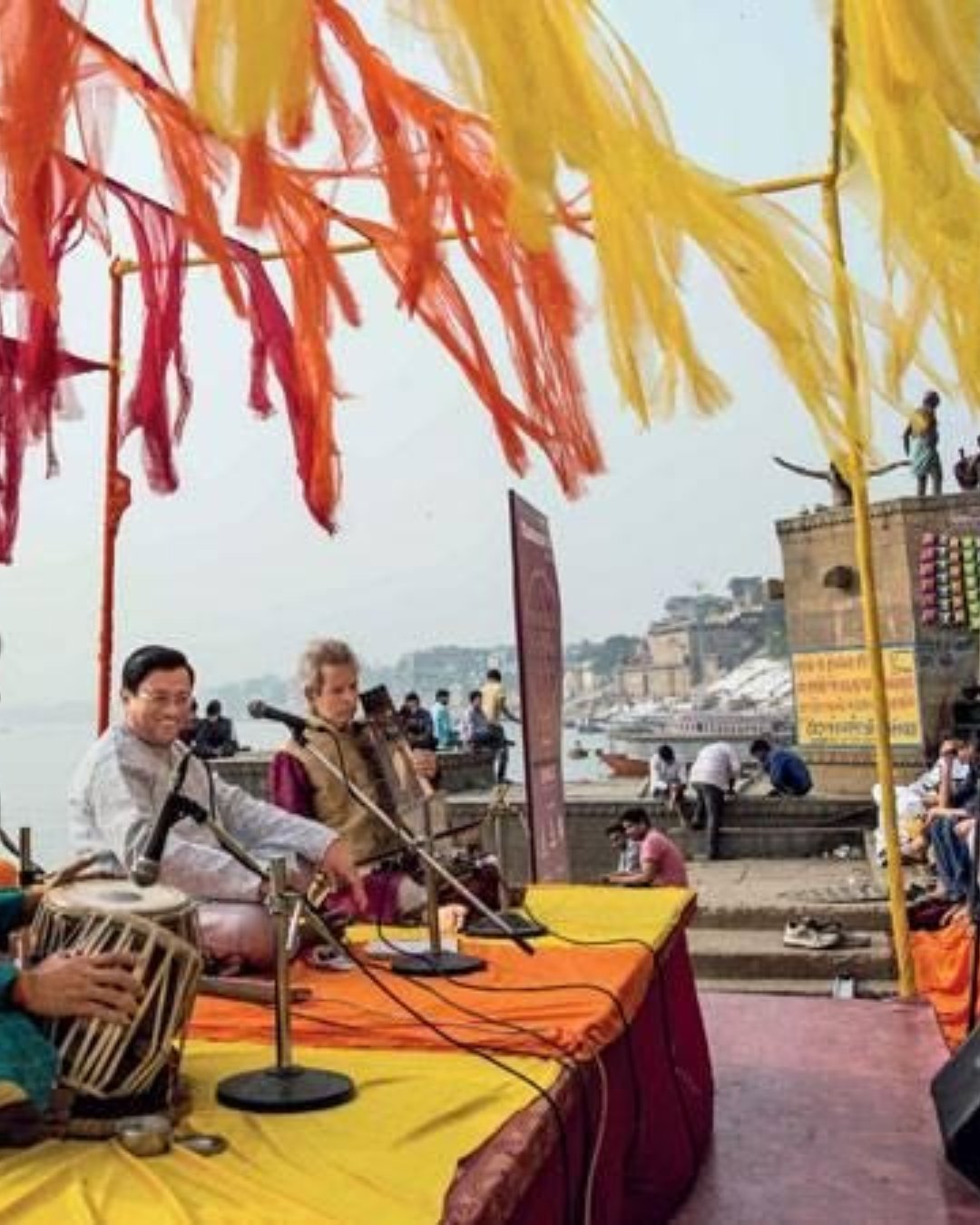
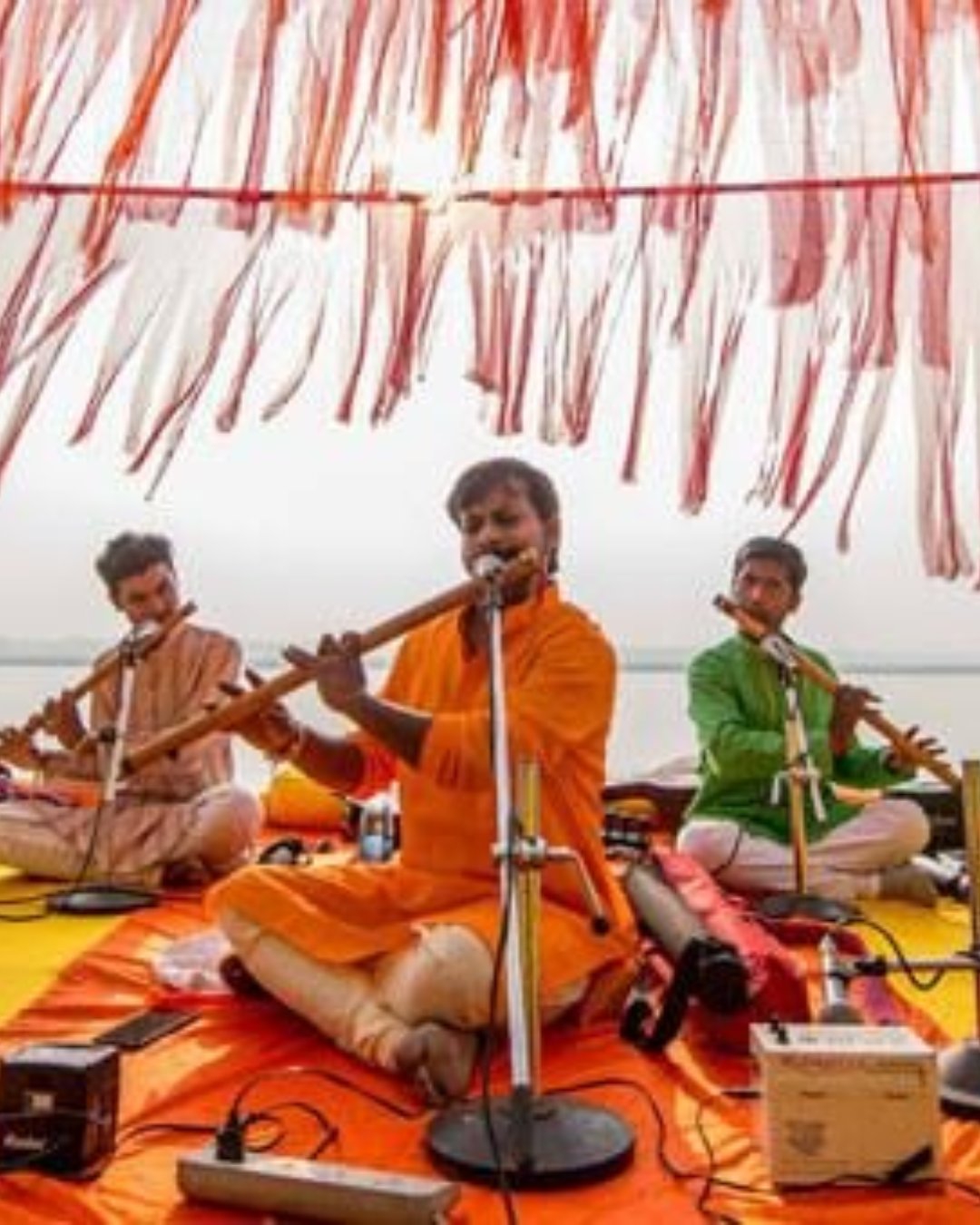
Start at the river. Assi Ghat, at the southern end, is the most reliable place to catch music on an ordinary night: the ghat runs a regular evening programme of classical and devotional performance, free and open to anyone, and the same stretch wakes to music at dawn if you'd rather begin your day with it than end it. Sit on the steps after the evening Ganga Aarti, and the river does the rest; the cooler months from October to March are the liveliest, but something is usually playing year-round. Along the old-city ghats you'll also stumble on impromptu playing — a group of students, a lone flute — which is half the pleasure of simply wandering after dusk. A shared boat at sunset, with a musician aboard, is another way the city hands you a private concert for the price of the ride.
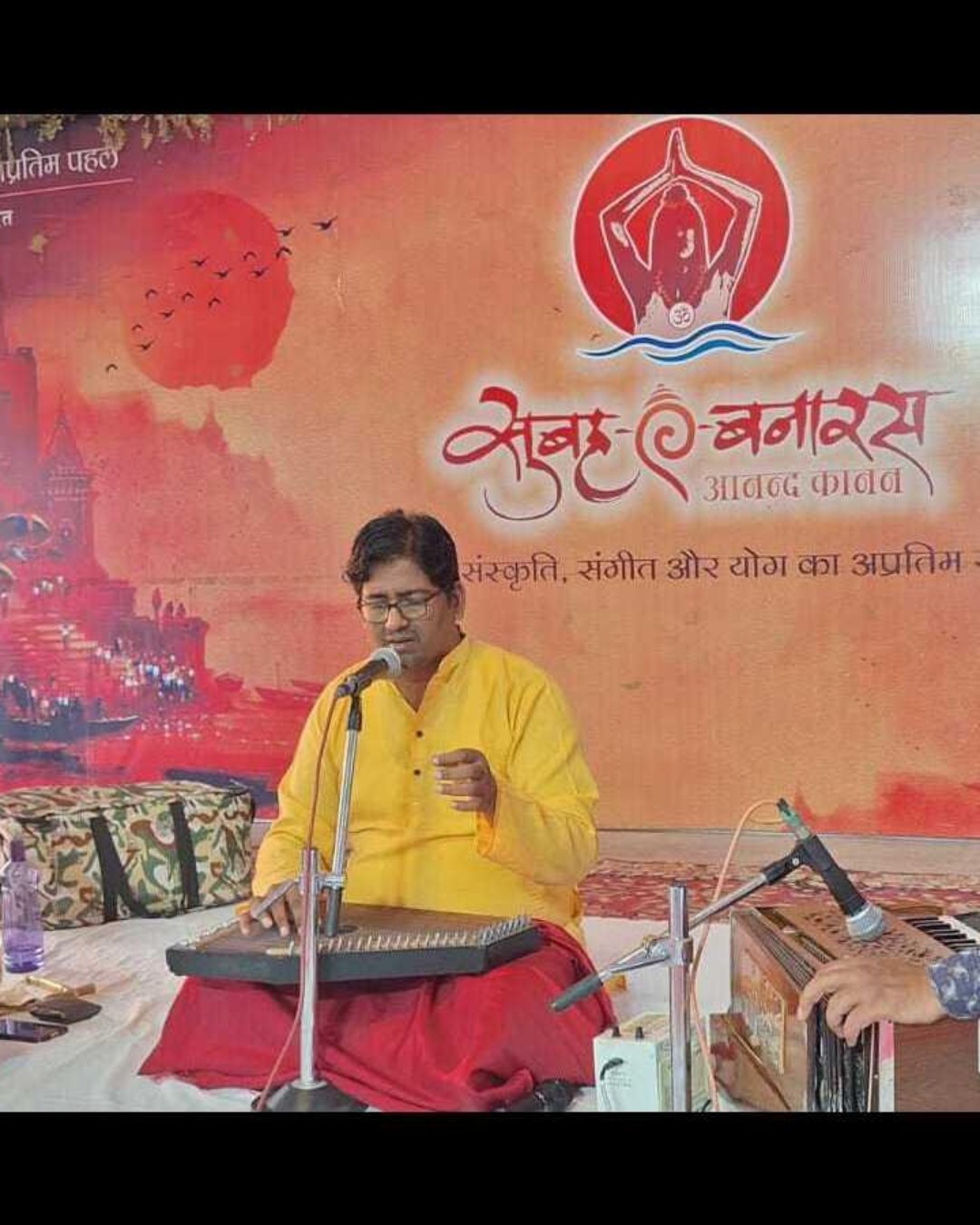
Then look inward, to the temples and ashrams. Devotional singing and instrumental offerings are woven into daily worship, and the Sankat Mochan Hanuman temple in particular has music in its bones, with informal sittings on ordinary evenings quite apart from its famous annual festival. Many ashrams and music schools hold small baithaks — intimate, floor-seated recitals — where teachers and advanced students perform for whoever turns up. These are often the finest listening in the city, and the least advertised.
The old-city cafés and guesthouses are your third seam. Around Assi and the lanes behind the main ghats, a number of rooftop cafés and family-run guesthouses host weekly or nightly sessions of tabla, sitar and Hindustani vocal — sometimes ticketed for a small sum, often just a suggested donation. Because these come and go, the way to find tonight's is old-fashioned: ask your guesthouse, read the noticeboards, and follow word of mouth from other travellers and from the teachers themselves, who will happily point you to where their peers are playing.
A little etiquette carries you a long way. Arrive early, since seating is on the floor and space is limited; keep your phone down and your voice lower; and give a small donation even where none is demanded, because these musicians are keeping a living tradition alive rather than running a show. Come with time rather than a schedule — a good baithak unfolds slowly, one raga stretching well past the hour you planned — and you'll understand why people say the city's music is best met not in a grand programme, but on an ordinary night, in a small room, with the river somewhere close by.