

How to Listen Without Being Lost
Varanasi, India
The first time you sit down to a Hindustani classical performance in Varanasi, it's easy to feel lost — the music seems to have no obvious beginning, no chorus, and no clear end, and everyone around you appears to be following something you can't hear. You don't need theory to enjoy it. You just need to know the shape of what's unfolding, and then let go.
Start with the two ideas the whole tradition rests on. A raga is the melodic mood the musician is working inside — a set of notes with a particular colour and feeling, often tied to a time of day or a season. A tala is the rhythmic cycle the tabla keeps, a fixed number of beats that repeats. You don't have to name either one. You only have to notice that the player is exploring a single mood, and returning, again and again, to a home beat.
Most performances move through an arc, and following that arc is all the "understanding" you need. It usually opens with the alap — slow, free, almost formless, no drum yet, the artist simply unfolding the raga note by note. Stay with it; this is the stillness the rest will grow from. Then a pulse creeps in, the tabla enters, a composition takes shape, and the tempo climbs through call-and-response between soloist and drummer until it gathers into something fast and blazing. You are listening for that journey from quiet to fire, not for a tune to hum.
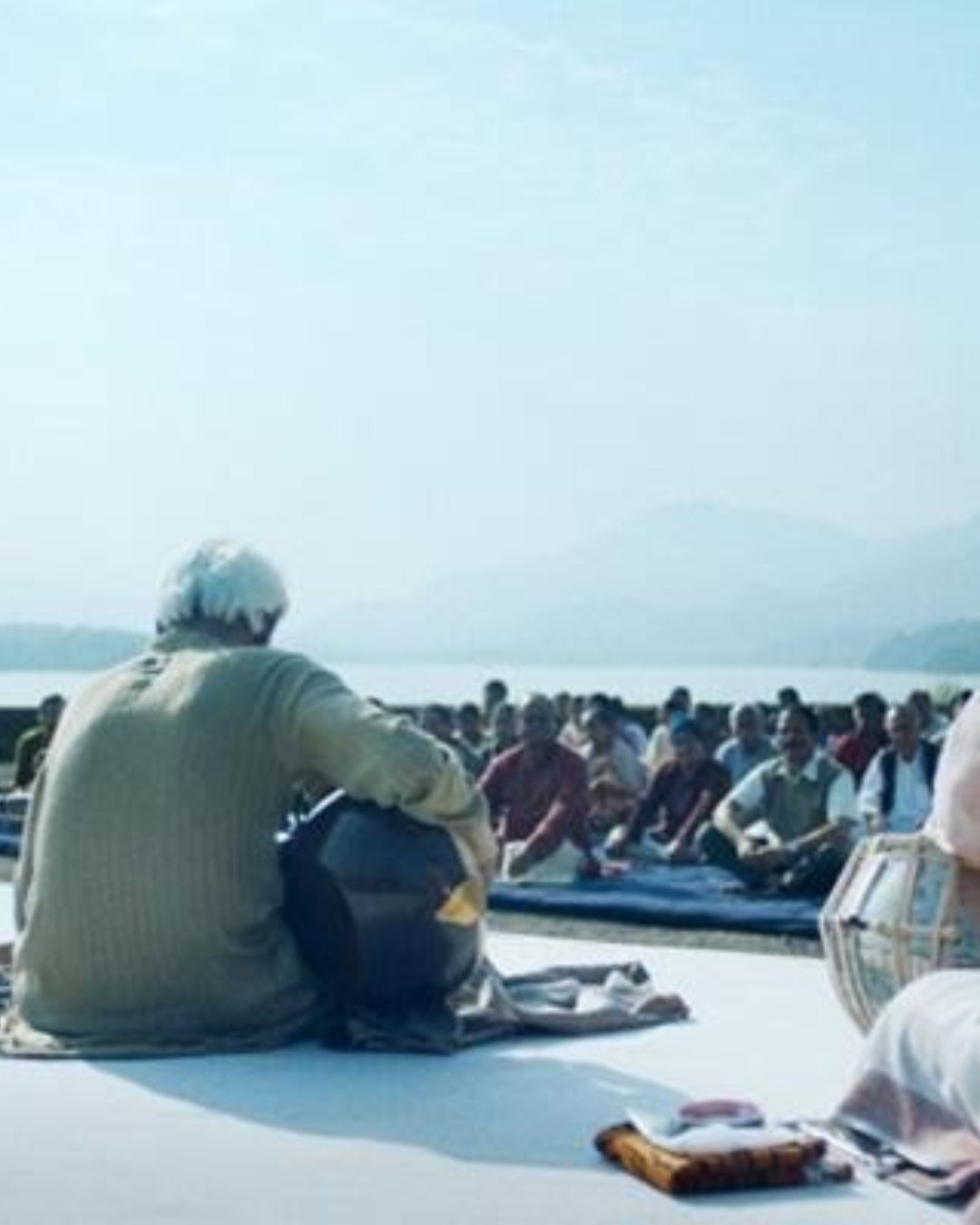
One thing to feel for is the sam — the emphatic first beat of the rhythmic cycle, the moment the soloist and tabla player land together after wandering apart. Watch the musicians: they'll often exchange a glance or a smile as they hit it, and knowing listeners nod or murmur right there. Once you start sensing that return, the music stops feeling shapeless and starts feeling like a conversation.
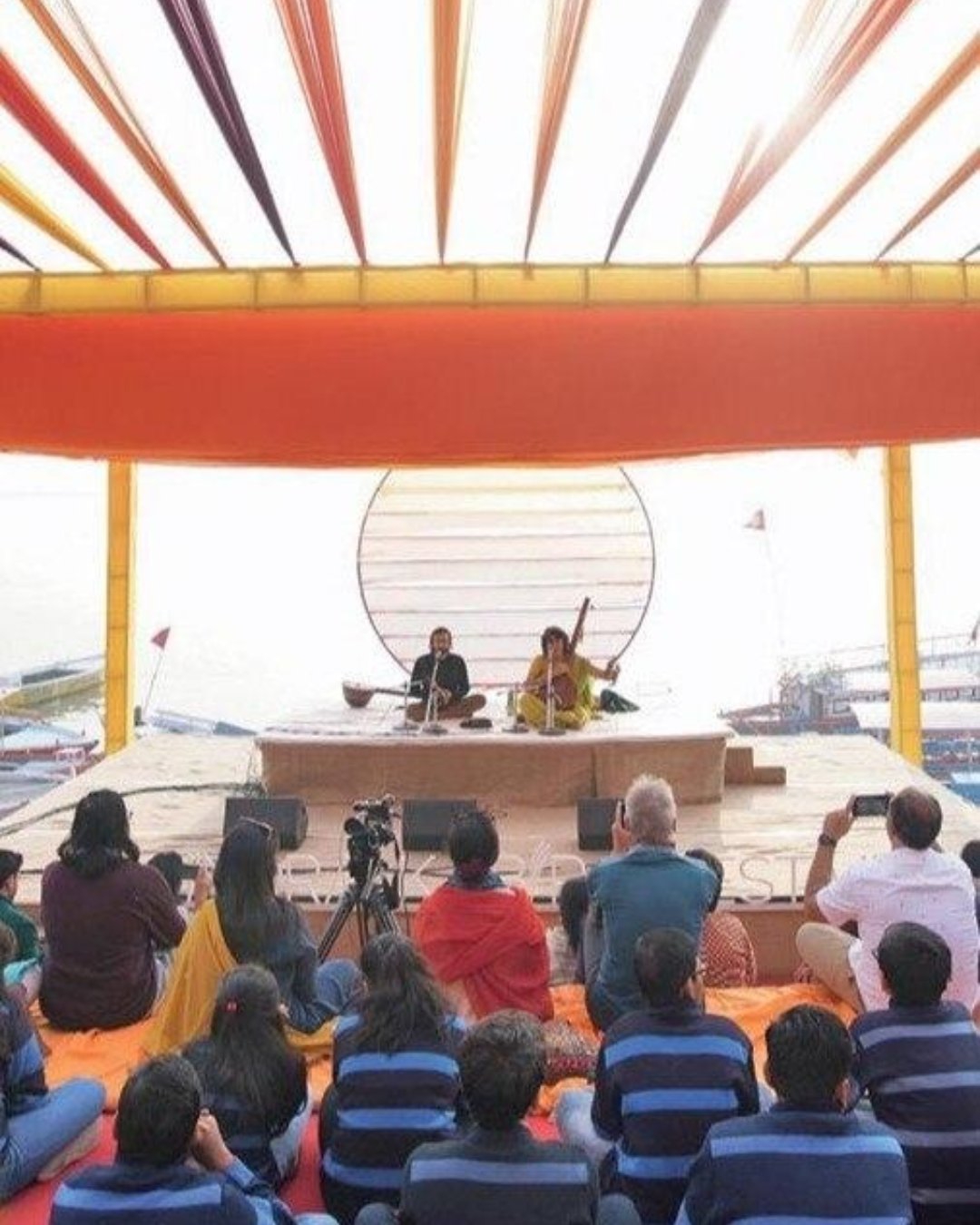
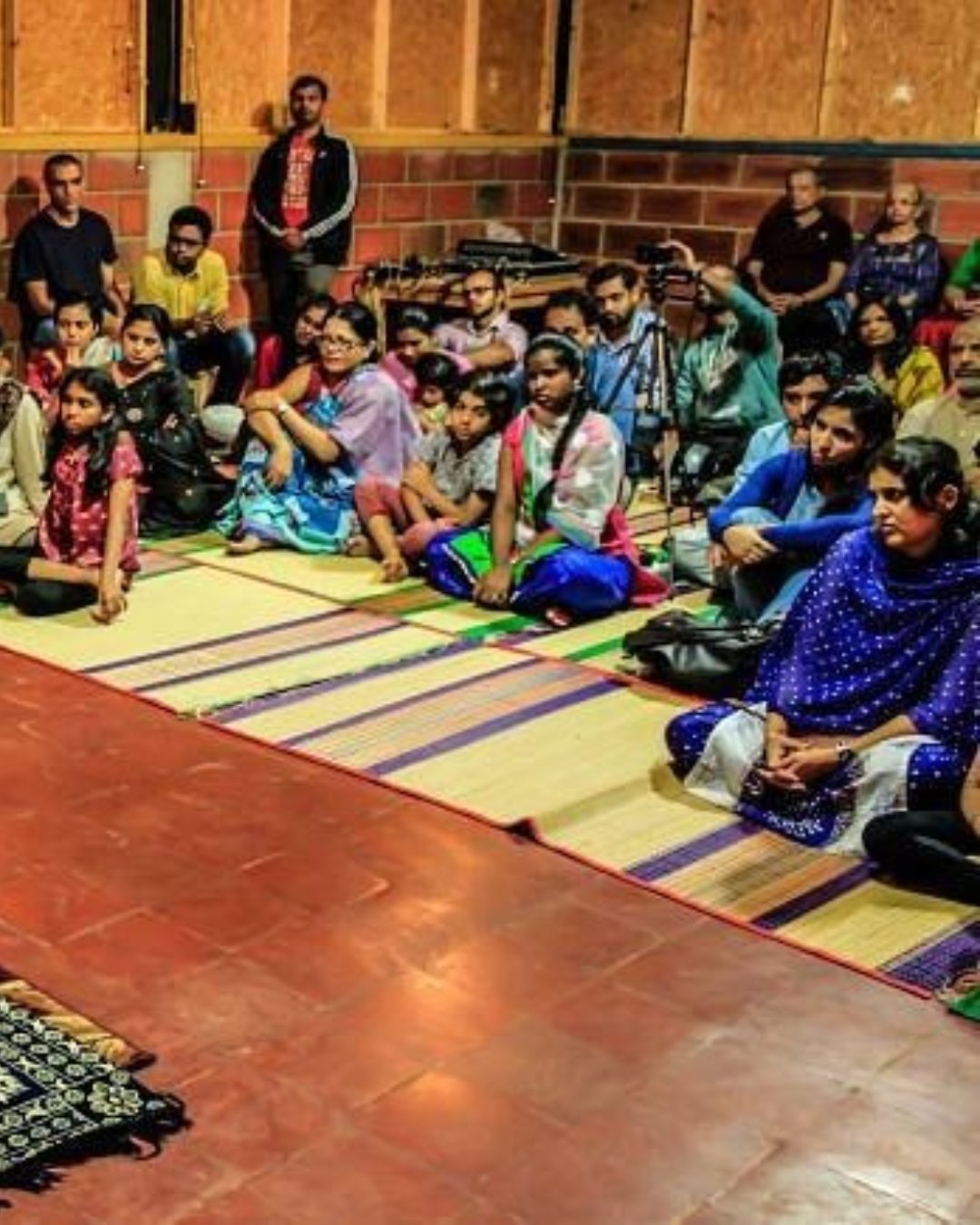
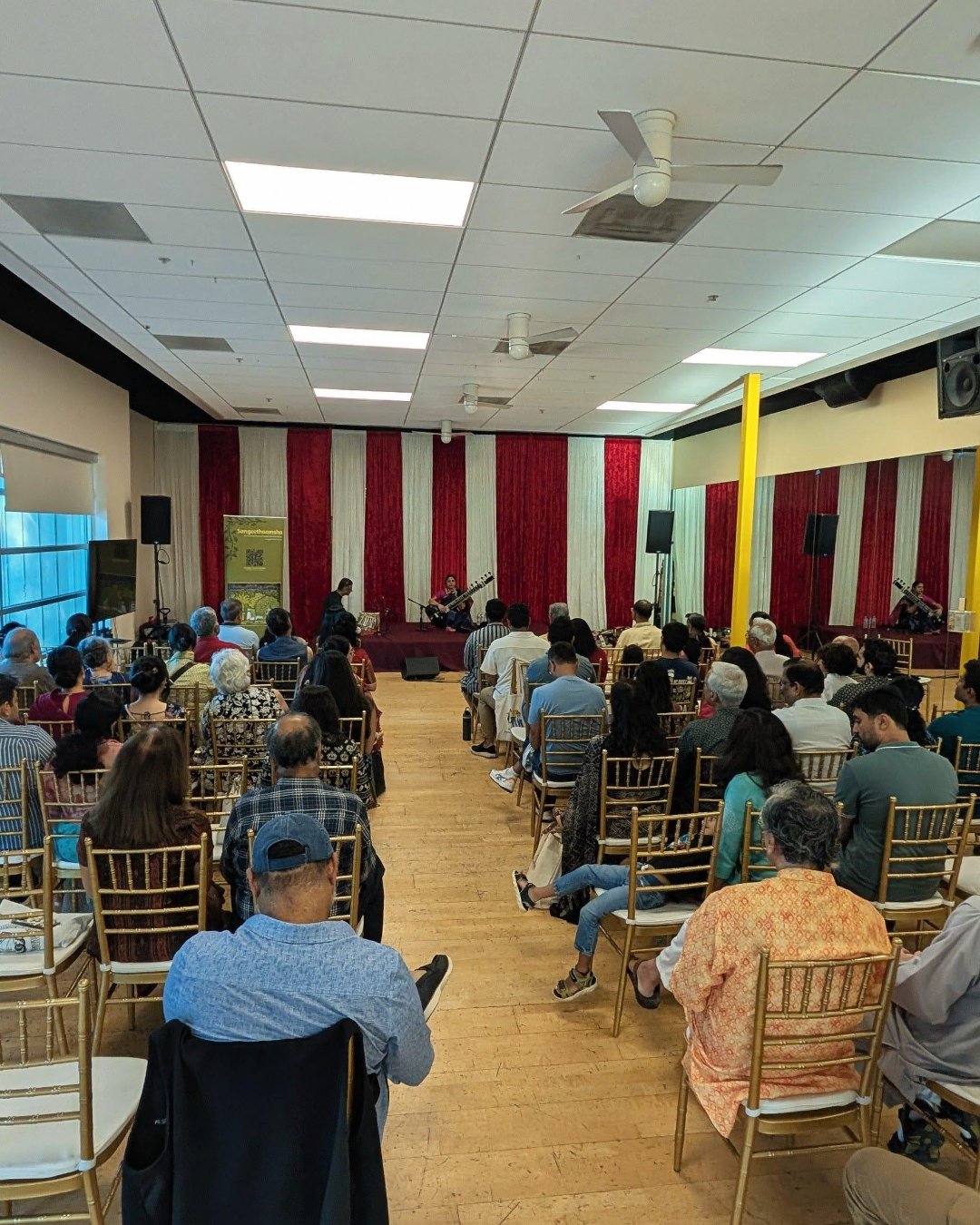
The etiquette is warmer and looser than a Western concert hall, which helps. You don't sit in frozen silence waiting for the end to clap. Appreciation is shown in the moment — a soft nod, a quiet "wah," a hand lifted, a sway — and it's welcome while the music plays, not only after. Performances can run long and open-ended, especially at a temple, an ashram, or an all-night festival, so settle in, let the sense of a fixed running time go, and let the raga set the pace instead of your watch.
In Varanasi you'll find the music close to the source. The dawn programme at Assi Ghat often carries live song, temples and ashrams host recitals, festivals like the Dhrupad Mela draw serious artists, and many teachers welcome you to sit in on an evening baithak (an intimate sitting) or their own practice — often the most intimate way to hear it. Ask your guesthouse what's on while you're there.
Above all, stop trying to decode it and start tracking its mood and its arc. Notice when the artist lingers over a single phrase, when the tabla answers, and when the whole room leans in at once. Listen that way and you won't be lost — you'll simply be carried.