

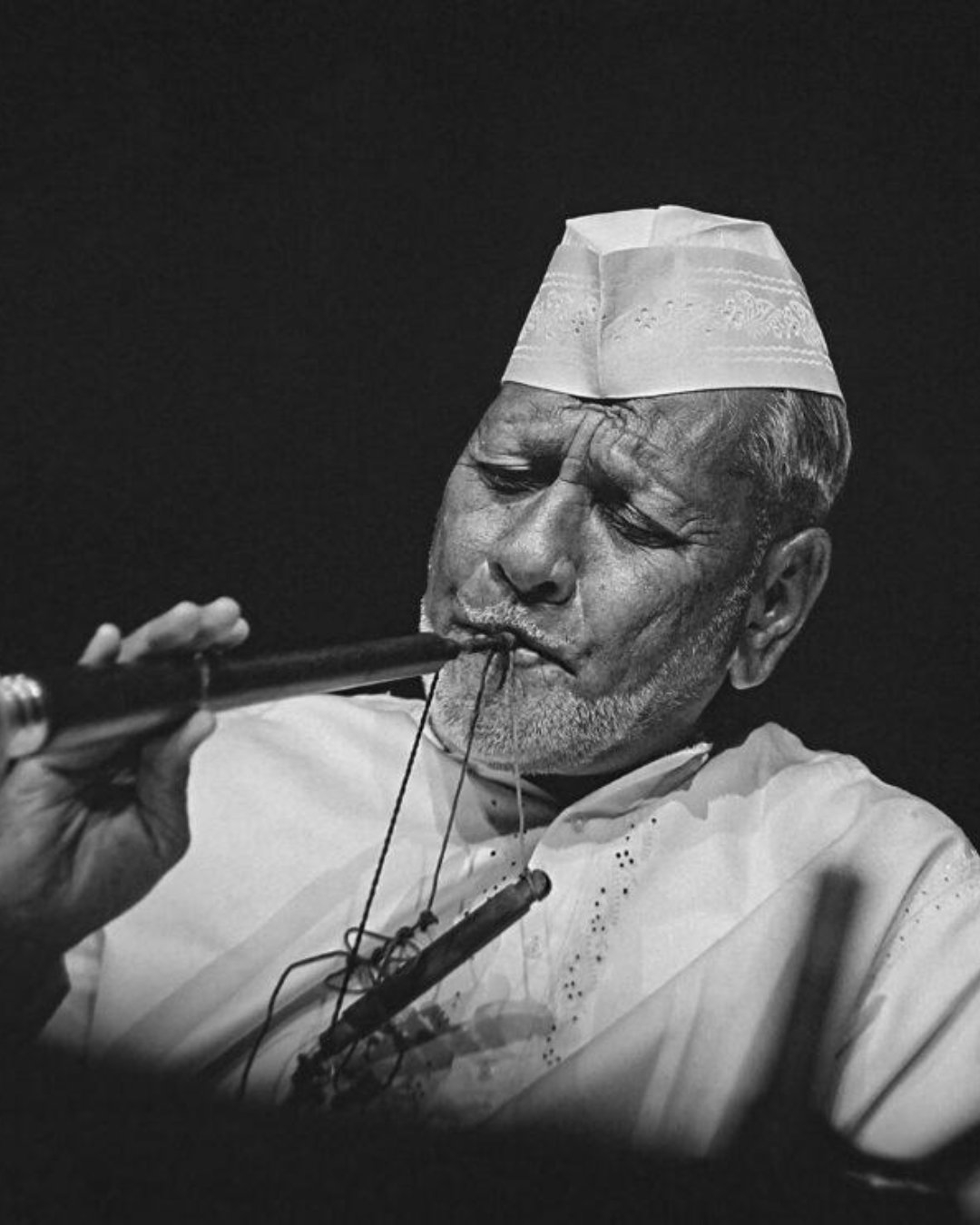
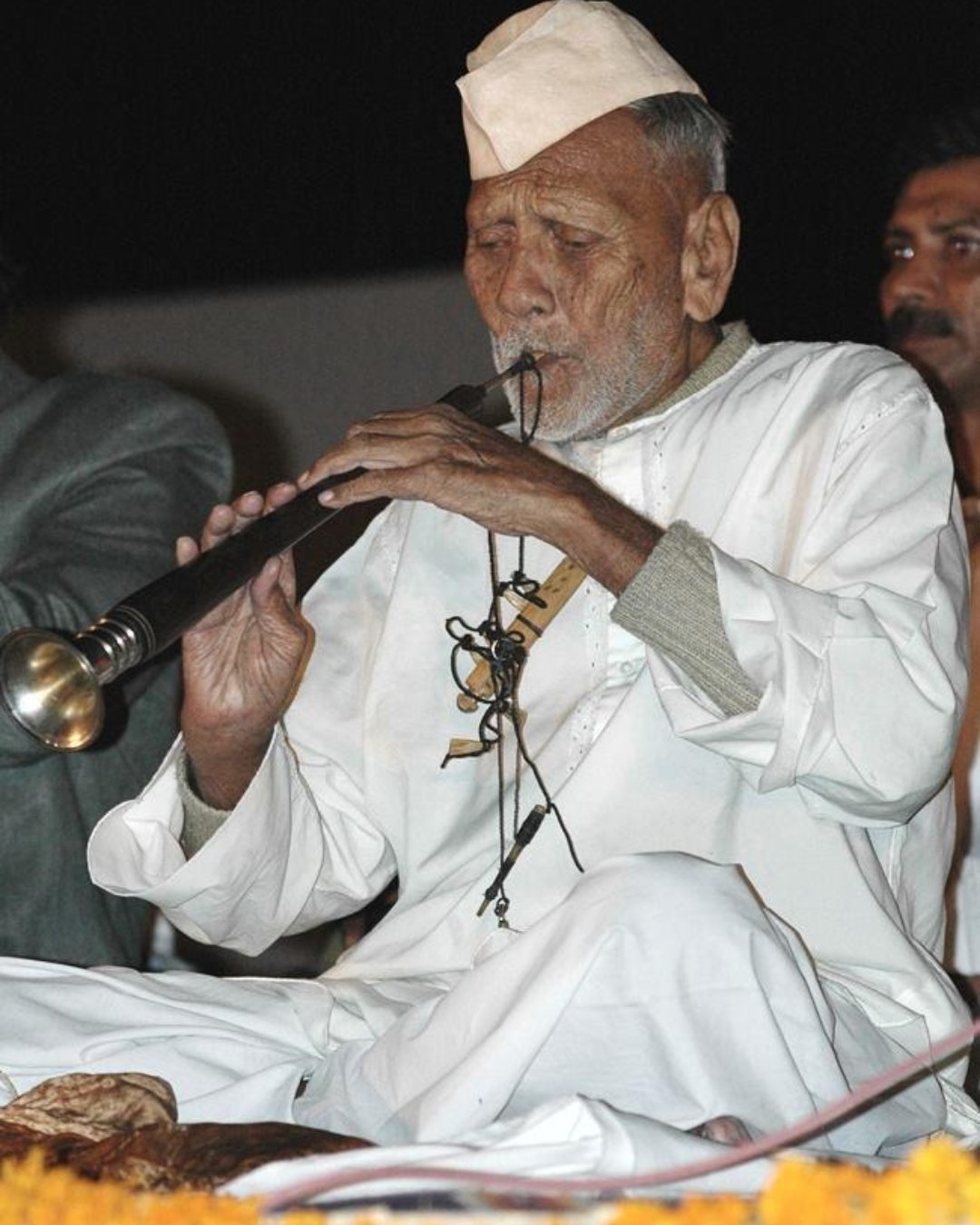
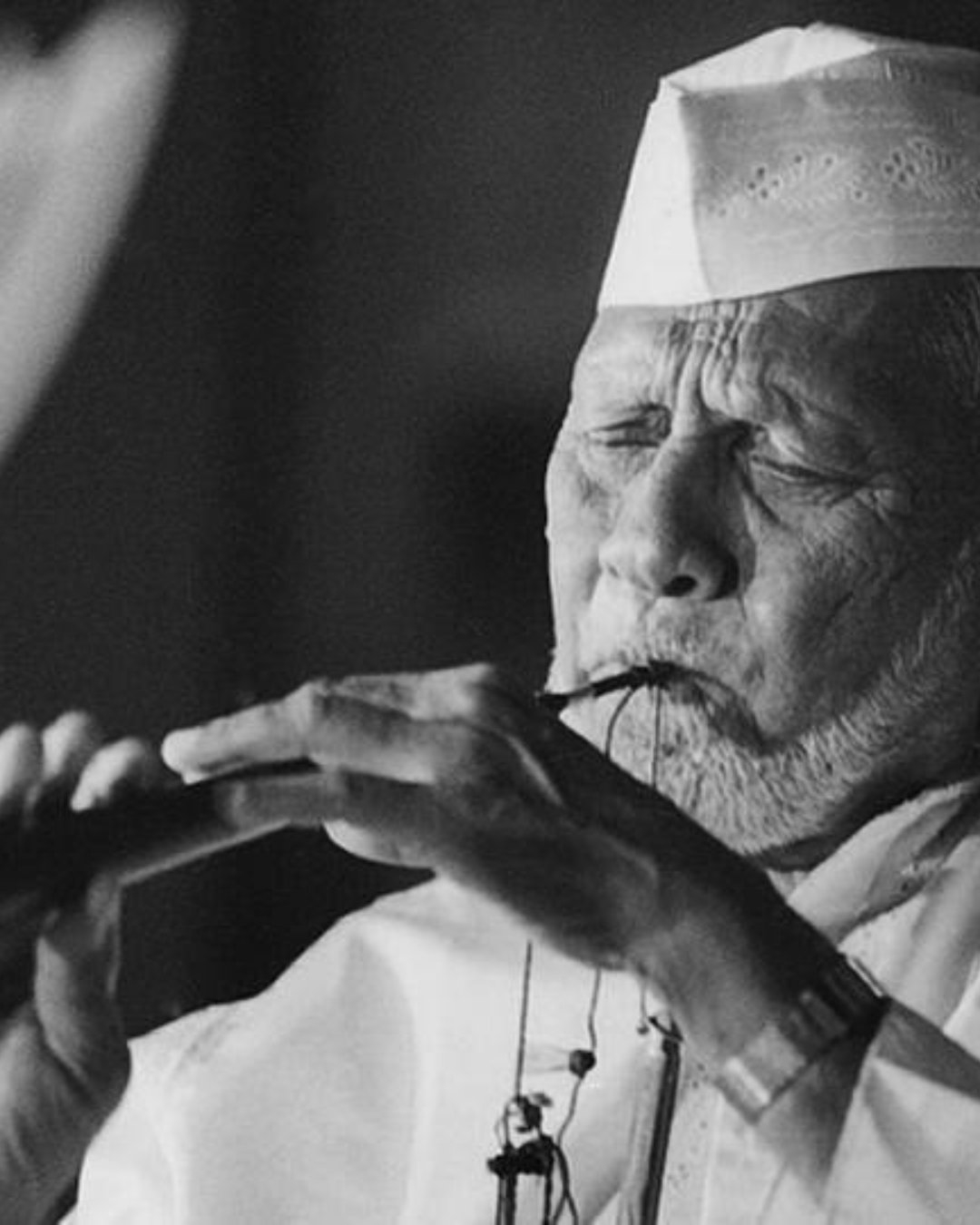
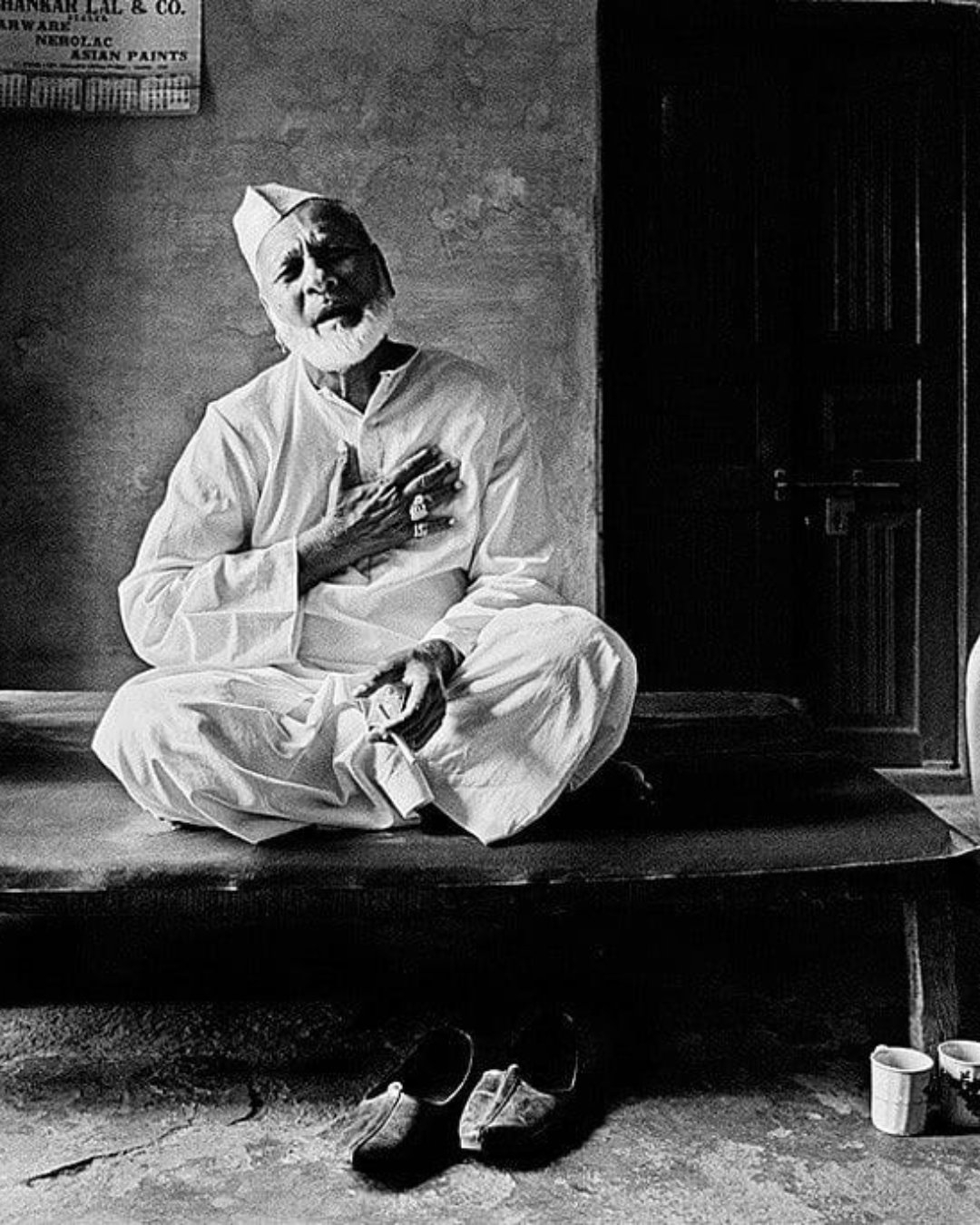
Bismillah Khan and the Shehnai
Shri Kashi Vishwanath Temple, Varanasi, India
Ustad Bismillah Khan made the shehnai — a reedy temple-and-wedding pipe most Indians once heard only in the background — into a concert instrument, and he did it from Varanasi, the city he refused to leave even when the world offered him everywhere else. Engaging with that legacy takes a little planning, because it lives in performances, places and people rather than in a single monument you can turn up and tick off.
Start with timing, because live shehnai of that calibre is now rare and largely tied to the festival calendar. If hearing the city's classical tradition matters to you, build your trip around one of its music festivals: the Sankat Mochan Sangeet Samaroh, held over several nights at the Sankat Mochan temple each April, is free, all-night and legendary, and Ganga Mahotsav around November brings concerts to the ghats. Outside those windows, ask early and ask locally — your guesthouse, a music school, or the noticeboards around the temples will know of smaller recitals that never reach a tourist listing. At a concert, match the room: arrive before the main artist, keep your phone down and your flash off, and let the long silences sit rather than filling them.
To stand where the tradition breathes, go to Kabir Chaura, the old musicians' neighbourhood that has produced Varanasi's maestros for generations; it isn't a sight so much as a quarter where the craft still lives behind ordinary doors. Bismillah Khan played his morning shehnai for years at the Balaji temple near the ghats, and you can pay quiet respects at his grave in the Fatman cemetery, where he was buried beneath a neem tree in 2006 — go gently, dress modestly, and treat it as the resting place it is rather than a photo stop. His old neighbourhood around Beniabagh and Sarai Harha is workaday rather than curated, so go for the atmosphere, not a plaque.
If you want to go deeper, a few things reward the effort. Genuine shehnai teaching is niche; the surest routes are through Kabir Chaura or the music faculty at Banaras Hindu University, and a trial lesson tells you more than any claim. Should you want an instrument, buy from an established maker rather than a souvenir stall — a real shehnai is a made object, not a trinket. And carry a little context: Khan was a devout Muslim who gave his life to playing at Hindu temples, and that Ganga-Jamuni spirit is part of what you're hearing, not a footnote to it.
A few practicals tie it together. Move at the city's pace, since recitals run late and start loosely; carry cash and a shawl for long night concerts on cool stone; and if you can't catch a live performance, seek out his recordings — the raga Kajri and Bhairavi pieces especially — which are everywhere and worth a whole evening. Come curious rather than completist — you're following a thread of living culture through the lanes, and the reward is hearing, even once, what this city did to a single wooden pipe.