

Thumri, Dadra & Kajri
Assi Ghat, Varanasi, India
Thumri, dadra and kajri are Varanasi's own voice — semi-classical and seasonal forms the Benares gharana has carried for generations — and enjoying them, or learning them, rewards a little planning. Start with timing, because one of these forms is tied to the calendar. Kajri is a song of the monsoon: its verses of longing and the returning rains belong to Sawan, the wet months of roughly July and August, when you'll hear it at its most alive in courtyards and small gatherings. Thumri and dadra you can catch year-round, but the city's music runs hottest around its festivals — the springtime Sankat Mochan Sangeet Samaroh and the Dhrupad Mela on the ghats among them — so it's worth checking what's on for the dates you're in town. Evenings tend to be when the city sings, so build your listening into the hours after sunset rather than a packed daytime schedule.
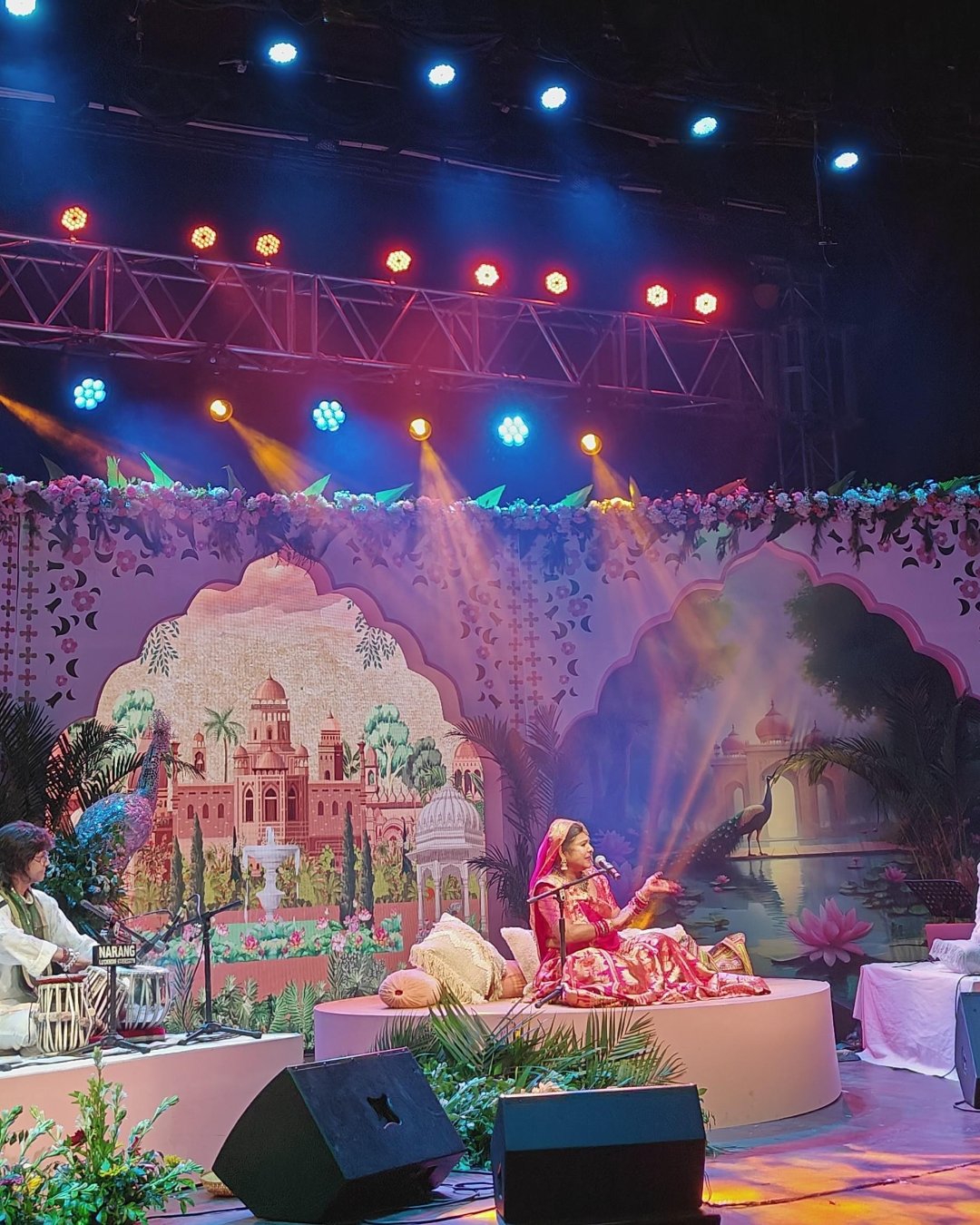
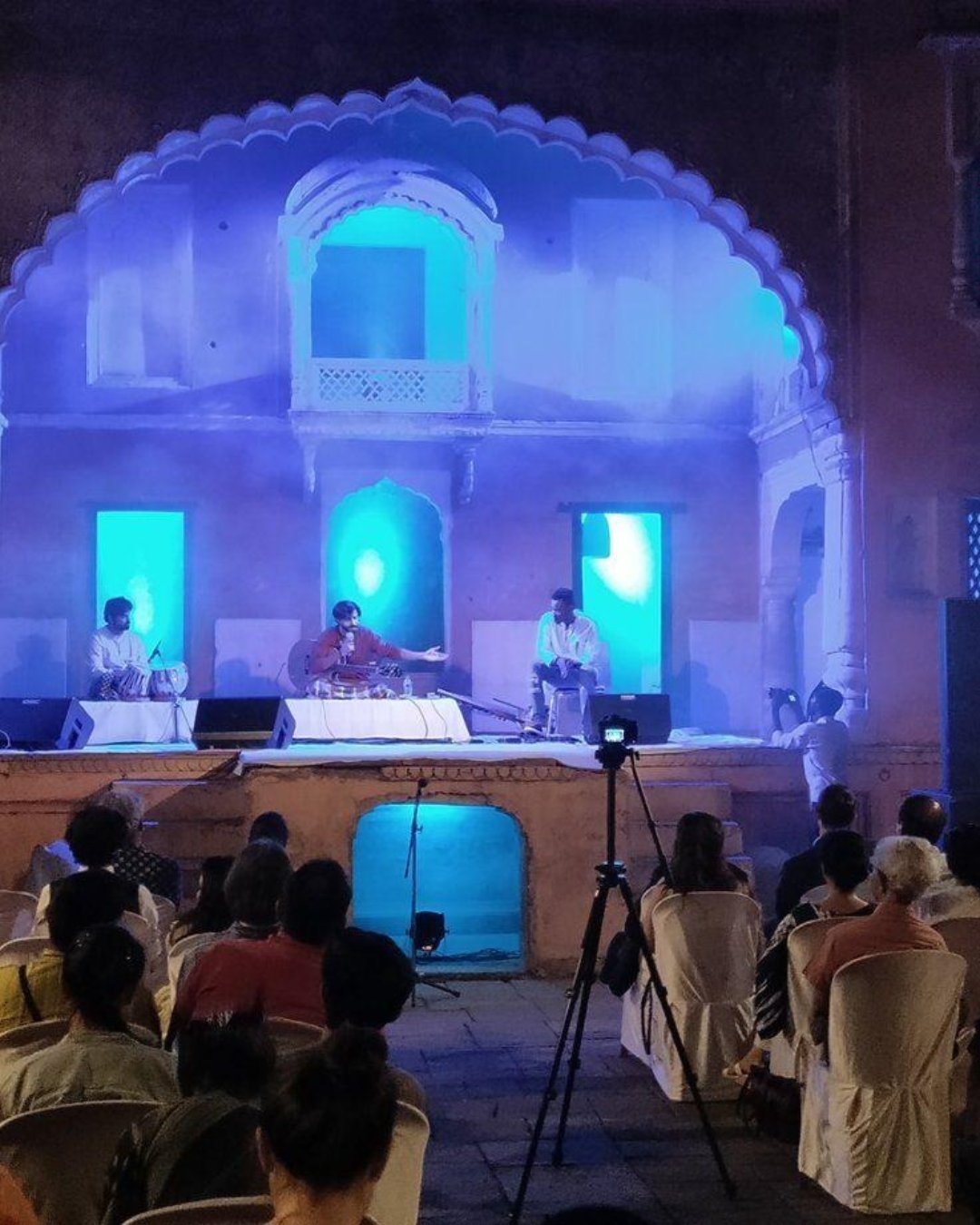
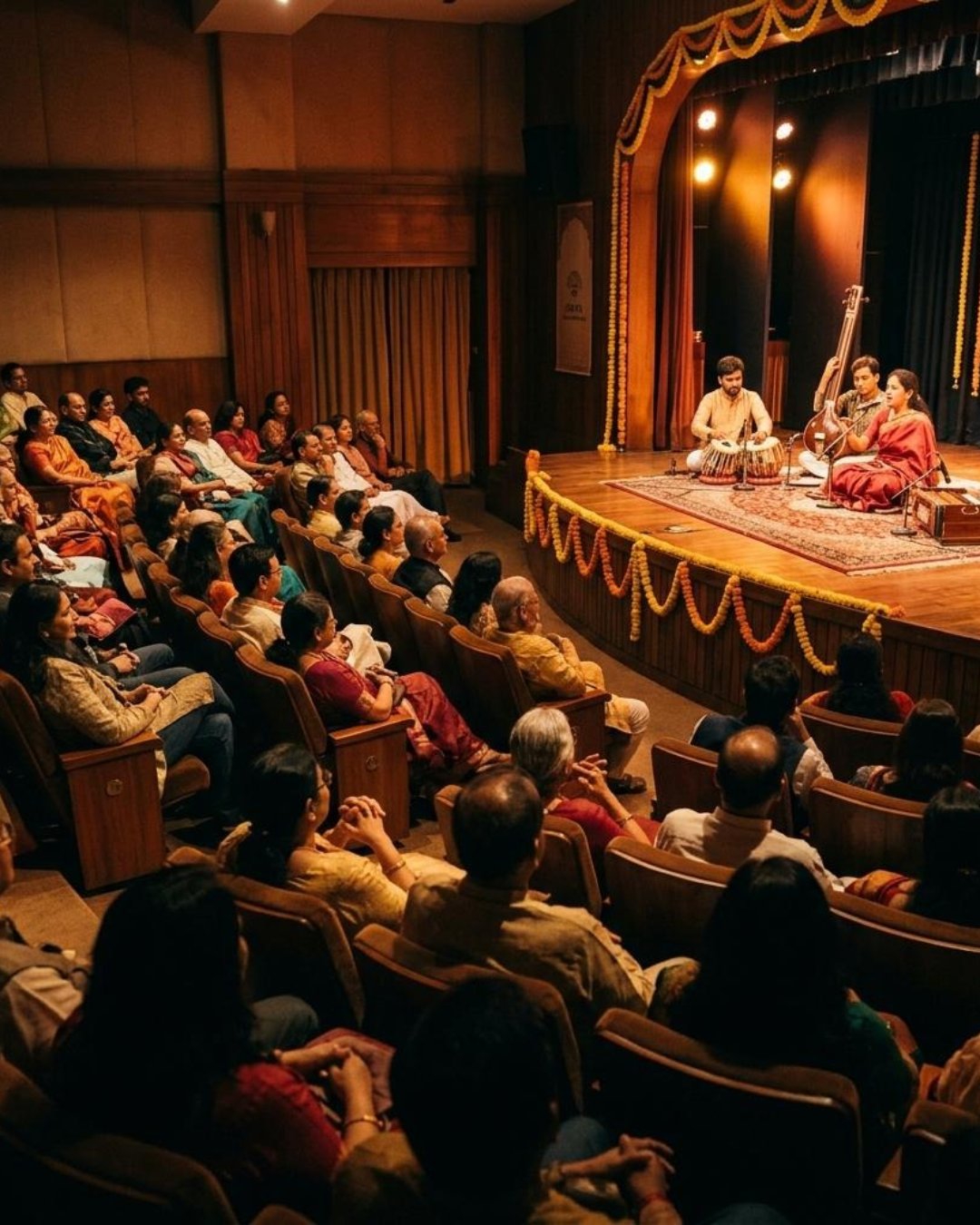
Where you hear it matters as much as when. The real thing often happens not in a concert hall but in a baithak or mehfil — an intimate sitting in a music room, a guru's home, or a ghat-side hall, where a singer, a tabla player and a harmonium or sarangi perform for a small, attentive audience. Ask at your guesthouse, at music schools, or at the ghats about upcoming sittings, and go early; the best of it is unadvertised and word-of-mouth.
Behave as the room does. Take your shoes off where others do, silence your phone, and settle in — these performances unfold slowly and reward patience rather than applause between lines. When a phrase moves you, a soft "wah" or "kya baat" is the traditional way to show it. Always ask before recording or photographing; many artists don't mind, but it's their room and their art.
If you want to learn rather than only listen, treat it like any serious study here. Take a trial lesson before committing, ask the teacher plainly about their lineage and gharana, and pay per lesson or in small blocks rather than one large sum upfront. A tanpura or harmonium is usually provided; you bring your ears and your patience, since this music is taught by imitation, phrase by phrase, the way it always has been. It helps to know the lyrics are in Braj Bhasha, Awadhi or Bhojpuri, and that the themes — love, separation, Krishna, the monsoon — carry the feeling even when the words are unfamiliar.
A few plain practicalities smooth the rest. Carry cash, since lessons and small gatherings rarely take cards; dress modestly, especially in a home or on the ghats; and come curious rather than expert. Give it more than a single evening if you can: one baithak is a taste, but a few nights across a week — or a short run of lessons with the same teacher — is what lets the forms separate in your ear, so you start to feel where a thumri ends and a dadra or a kajri begins. You're not chasing a performance to tick off but a living tradition to sit inside for a while — and the more quietly and patiently you approach it, the more of itself Varanasi's music will show you.