

What the Banaras Gharana Actually Is
Kabir Nagar Churaha, Varanasi, India
When people tell you Varanasi is a great seat of Indian classical music, the word you'll keep hearing is gharana — and it helps to know what that word actually means before you go looking for a teacher. A gharana is not a school with a building or a syllabus. It's a lineage: a distinct style of playing or singing, developed by a founding master and handed down, teacher to disciple, for generations. To study in a gharana is to join a family tree of sound. The Banaras gharana — Benares is the old name — is one of the most important of these lineages, and the city is where it lives.
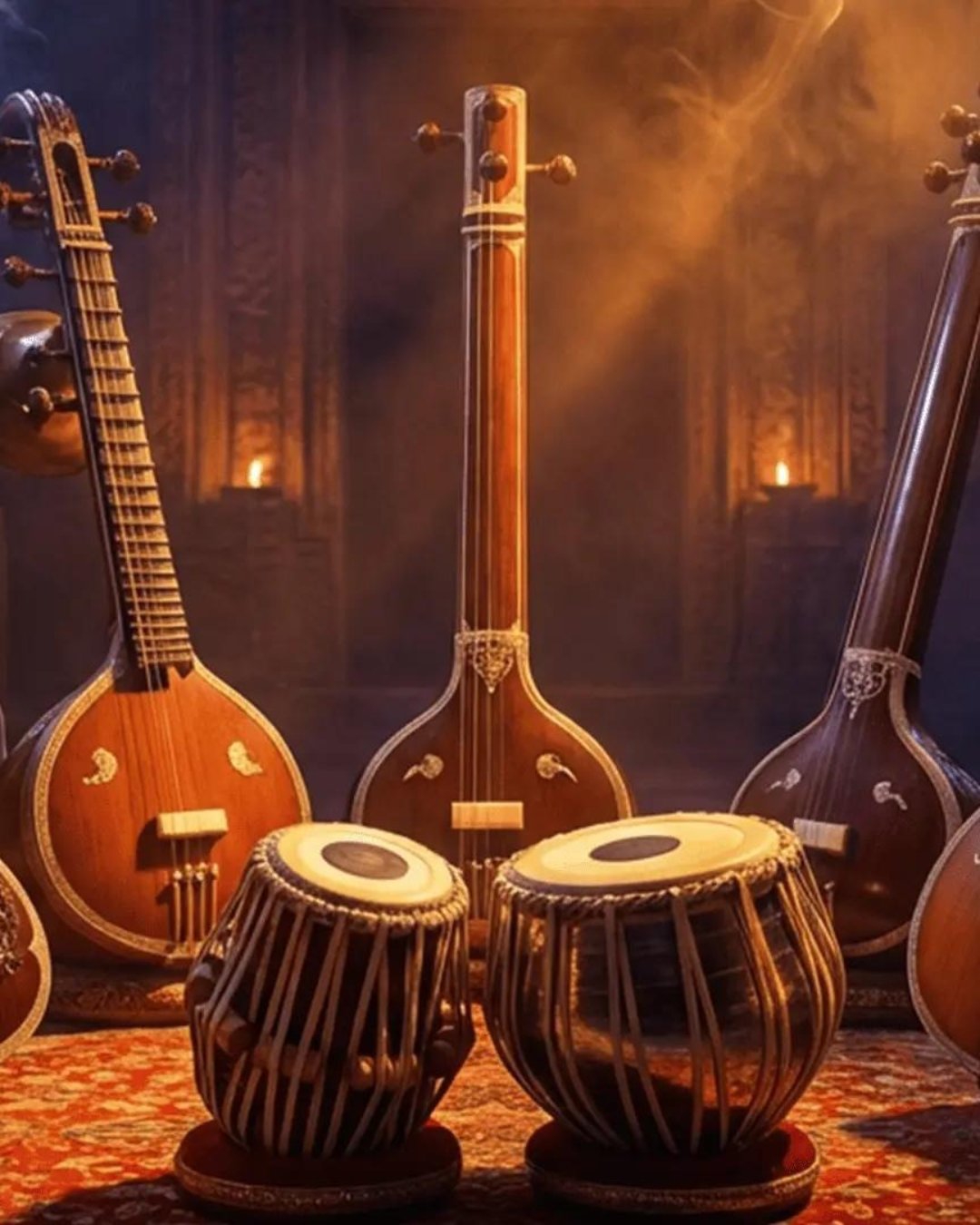
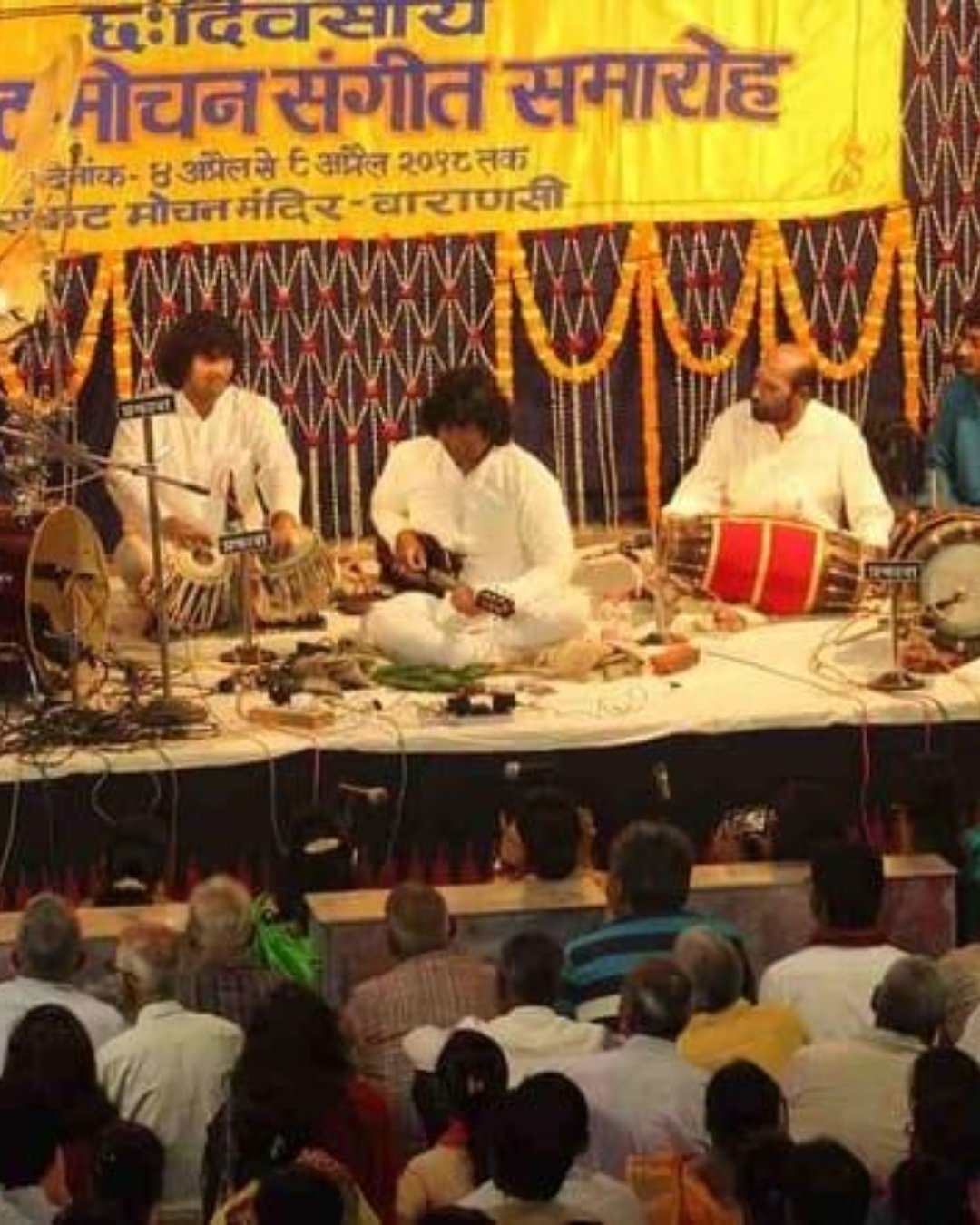
Its most famous branch is tabla. The Banaras tabla gharana traces to Pandit Ram Sahai in the early nineteenth century, who shaped a bold, resonant, open-handed style built for solo performance as much as accompaniment. If you've heard tabla played as a commanding solo voice — long compositions, thunderous bols, a sound that carries — you've heard the Banaras baaj, or something descended from it. Of the handful of major tabla lineages in North India, the Banaras baaj is the one developed most fully for the stage as a solo instrument, and it also drives the footwork of Kathak dance. The tradition runs through legendary names like Pandit Samta Prasad and Pandit Kishan Maharaj, and it's still taught in the lanes today.
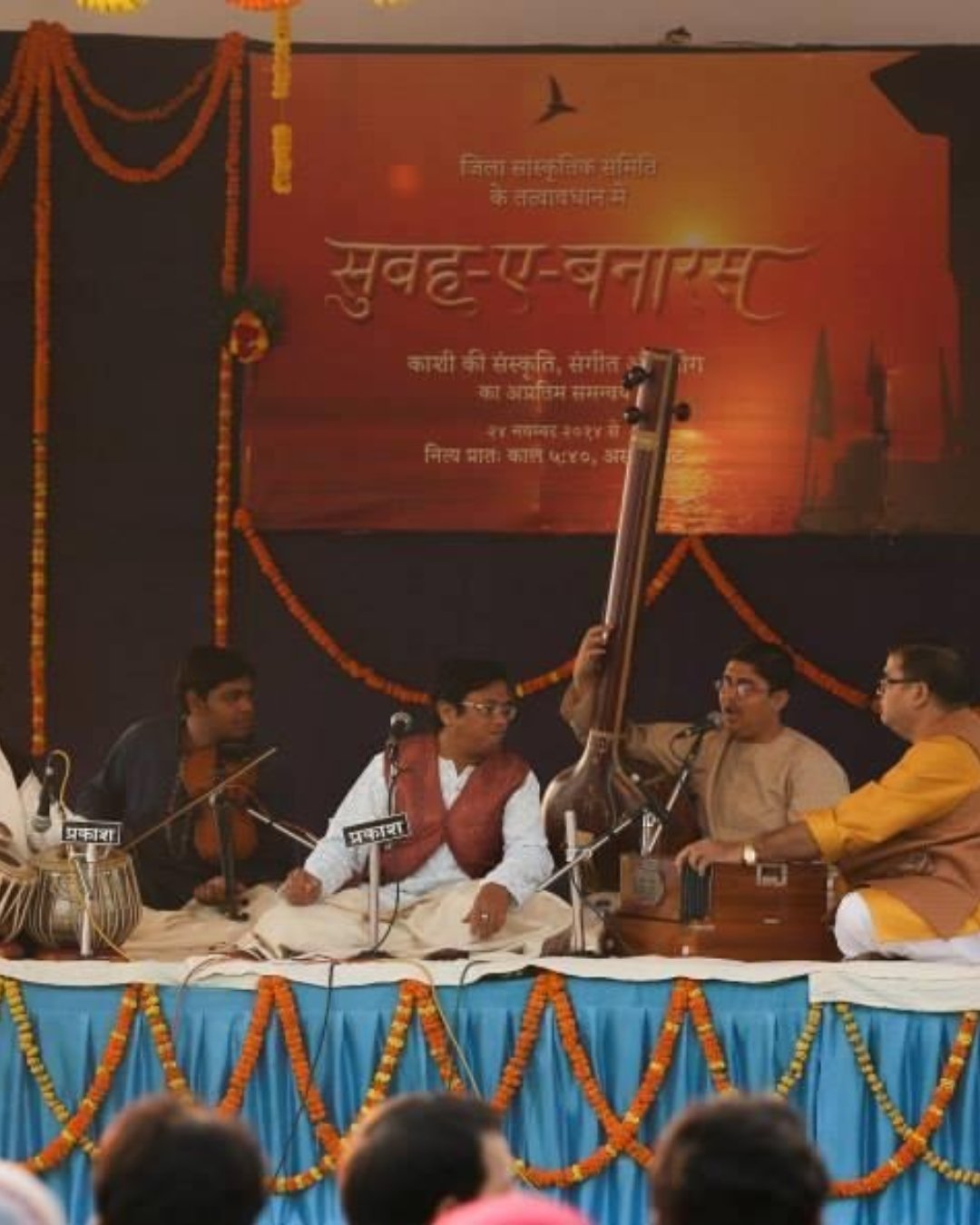
But the gharana is more than drums. Varanasi is the home of thumri, the tender, romantic, semi-classical vocal form, and of its seasonal cousins — kajri, chaiti and dadra — songs tied to the monsoon, to spring, to the moods of the year. This is the city of Girija Devi, the "Thumri Queen," and of a vocal tradition prized for feeling over fireworks. Add to that the shehnai, carried to the world by Varanasi's own Ustad Bismillah Khan, and the sitar and sarangi taught across the old city — the sitar maestro Ravi Shankar was himself born in Varanasi — and you begin to see why students have come here for two centuries. The city's temples, festivals and all-night music sittings mean the tradition isn't kept in a museum; you can still hear it being played, most freely around the ghats and at seasonal festivals, which is half the education in itself.
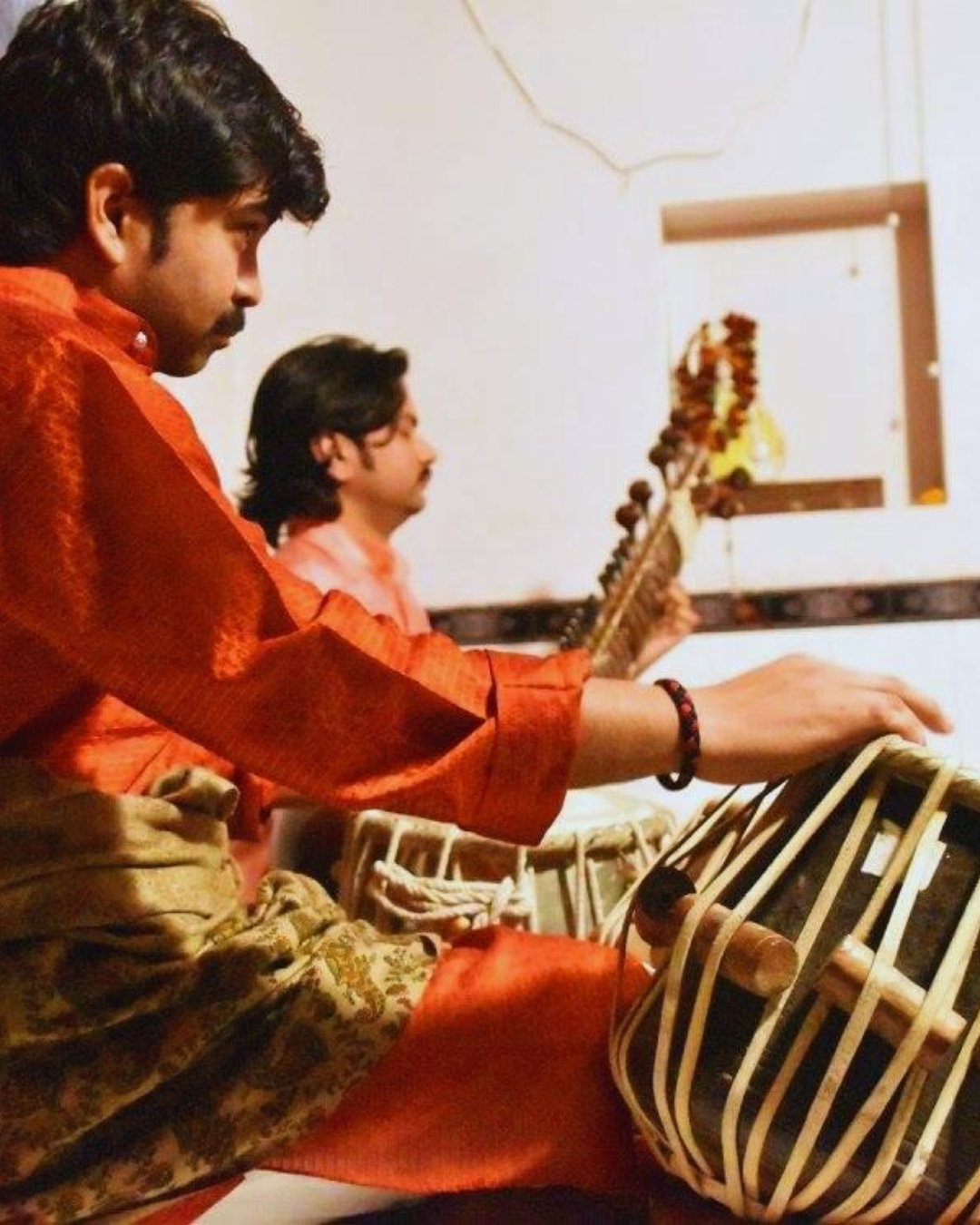
What matters for you, as someone who might actually learn here, is what the gharana implies about how you'll be taught. This is an oral tradition, guru to shishya — you learn by ear and by repetition, sitting beside the teacher, not from a book. Progress is measured in riyaz, patient daily practice, not in certificates. A teacher rooted in a real gharana can tell you exactly whose disciple they are and which line they belong to, and they'll be proud to. That lineage is the thing worth asking about — not a title on a signboard, but the living thread of teachers behind the sound. When you understand that the gharana is a genealogy as much as a style, you understand what you're really being offered: not a course, but a place in a very long conversation.