

Six Nights, No Phones, No Tickets
Shri Sankat Mochan Hanuman Temple, Varanasi, India
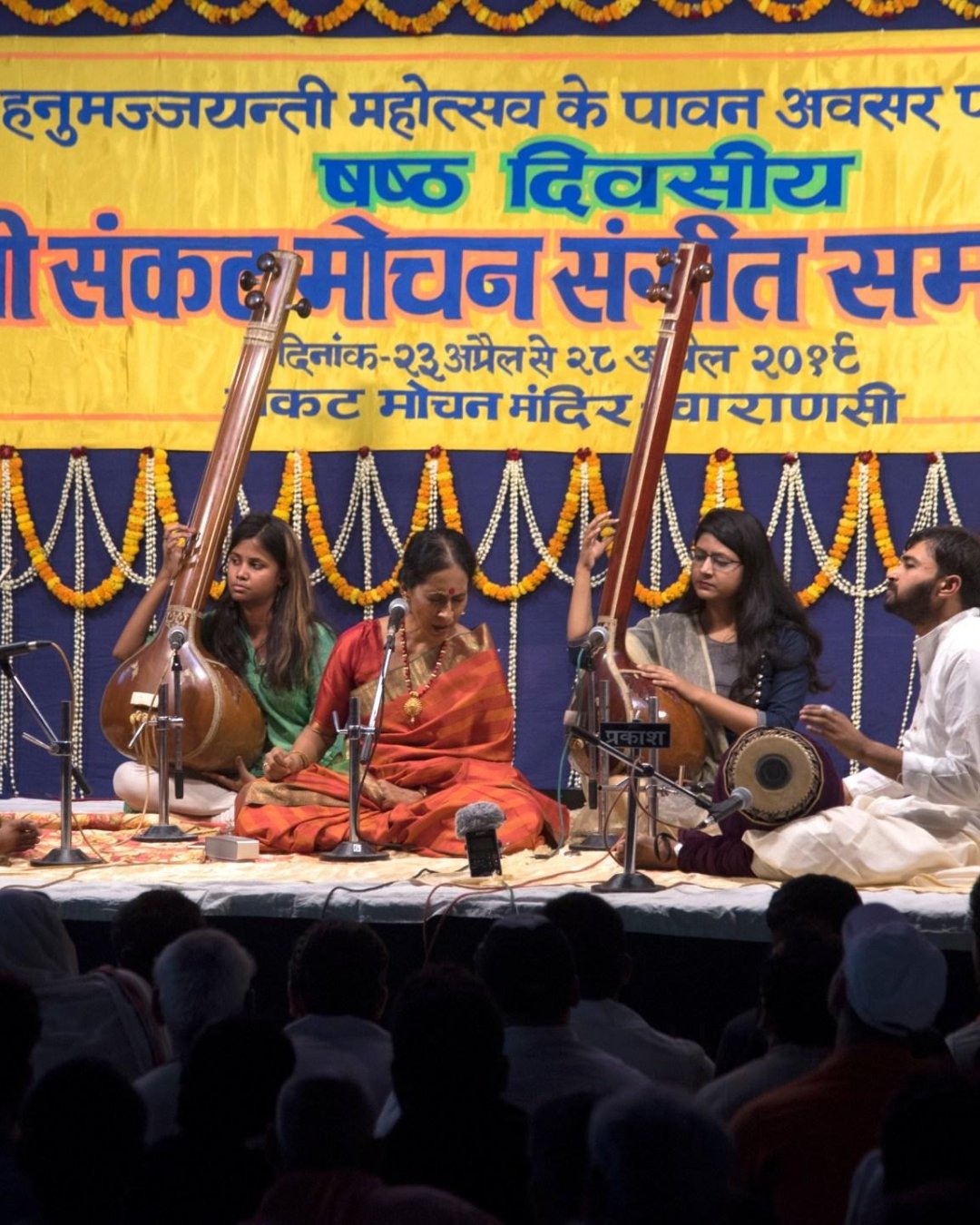
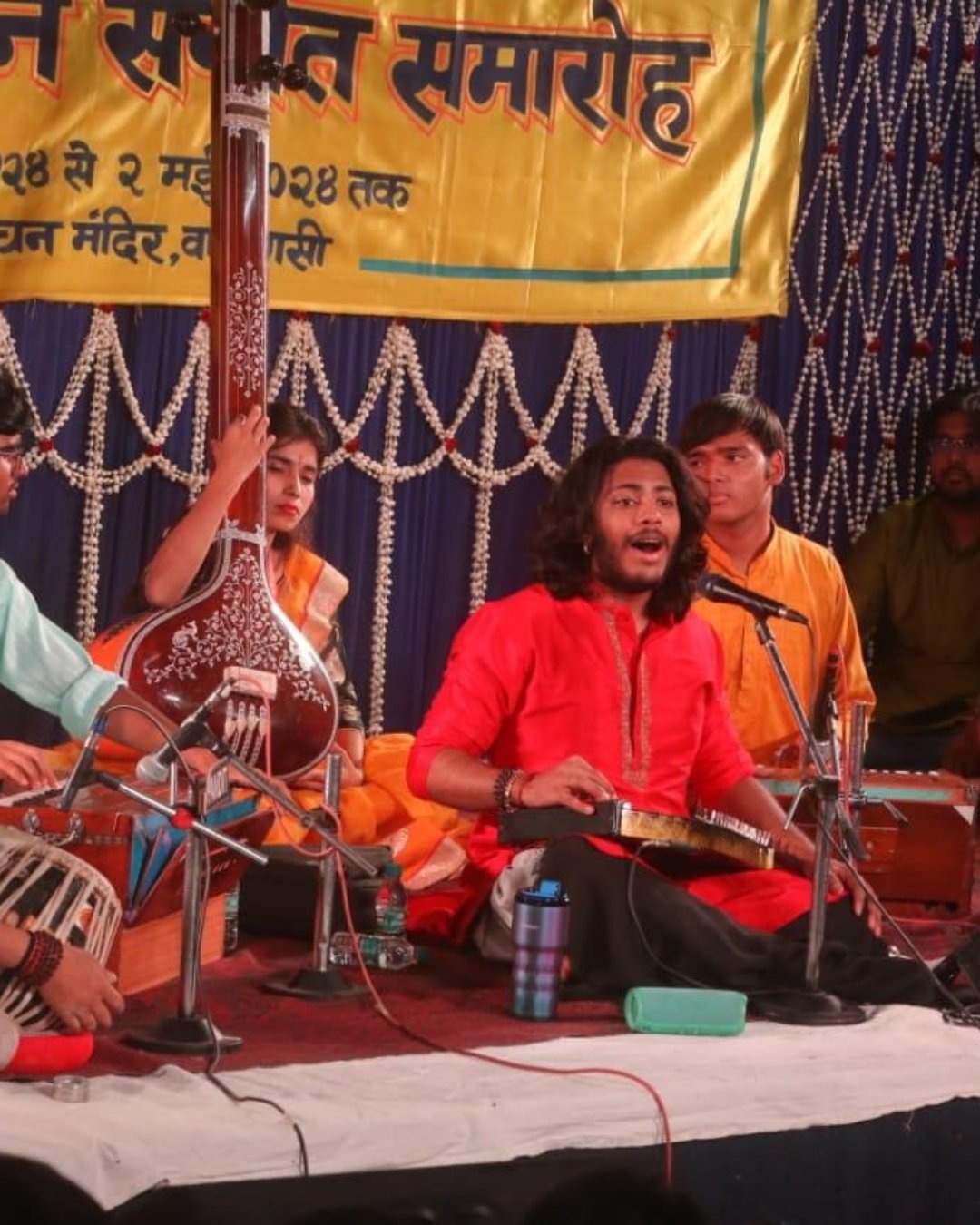
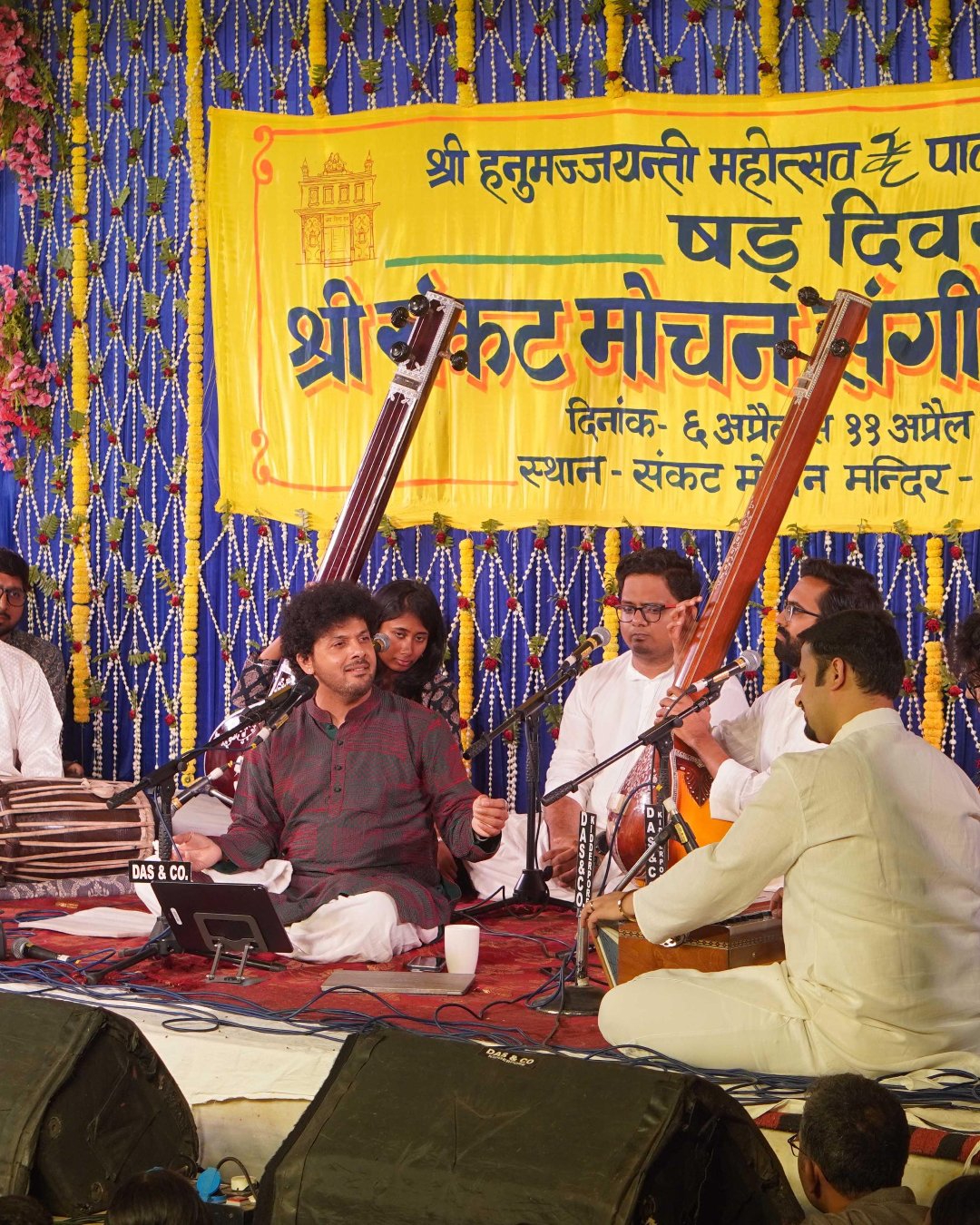
Once a year, for six nights each April, the Sankat Mochan Hanuman temple stops being only a place of worship and becomes the setting for one of India's greatest classical music festivals — the Sankat Mochan Sangeet Samaroh. It's timed to Hanuman Jayanti, so the exact dates shift from year to year with the Hindu calendar, but the shape never changes: night after night of Hindustani classical music and dance, running from around 7:30 in the evening until dawn, in the courtyard of the temple itself.
What makes it unlike any concert you've been to starts with the two things it doesn't have. There are no tickets — entry is free, and the roughly sixty artists who perform across the week, many of them Padma awardees and the biggest names in Indian classical music, take no fee. They come because performing here is understood as an offering to Hanuman, not a booking. And there are no phones: devices are banned, so there are no glowing screens, no recording, no one half-watching through a lens. You simply sit and listen, which is the whole point.
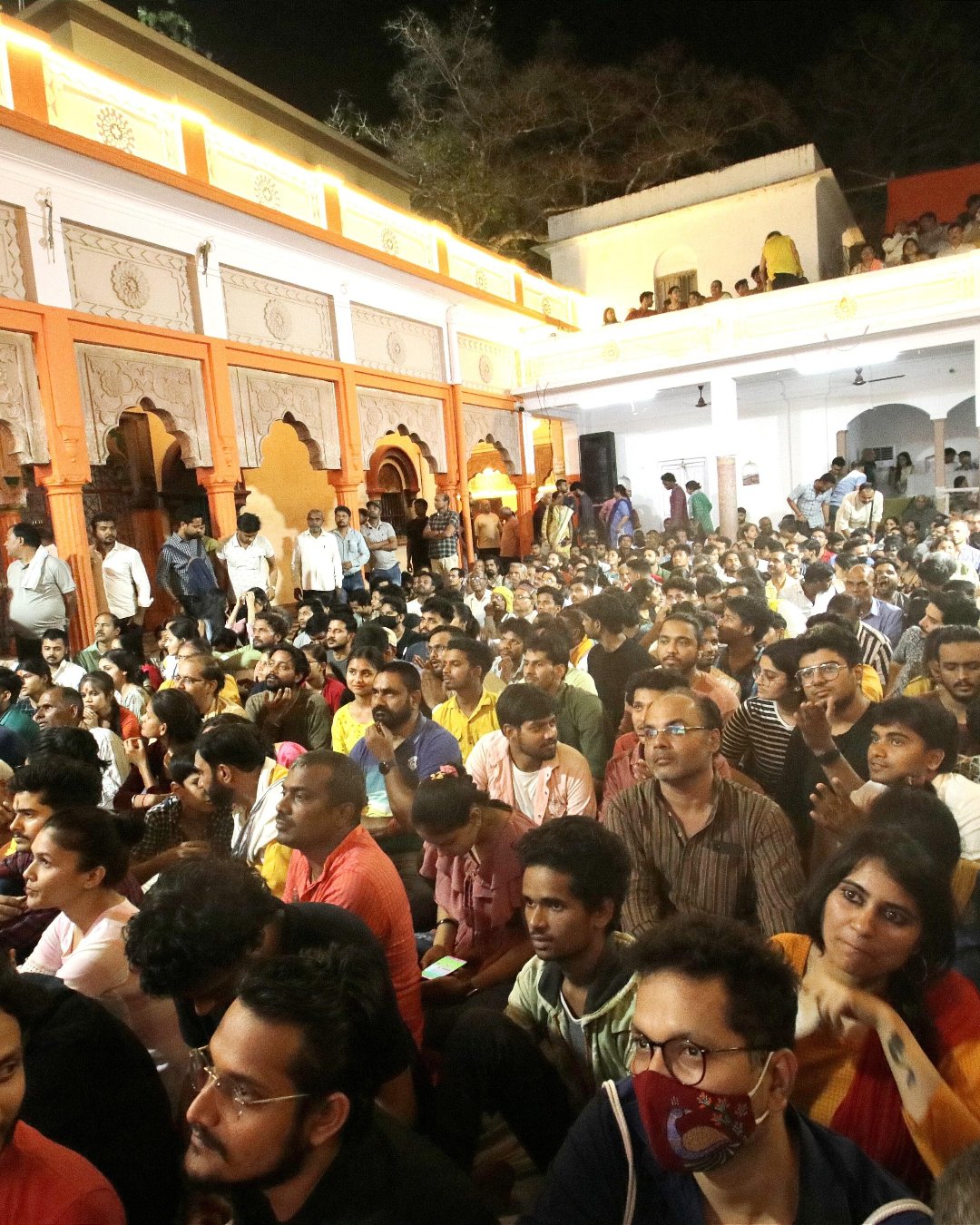
The stage tells you what the festival really is. It sits on the temple veranda, facing the sanctum, so the musicians play toward the deity rather than out at the crowd — you are, in effect, watching an act of devotion from behind, invited to overhear it. The audience settles on the floor of the courtyard and stays, sometimes through the entire night, as one master follows another and a raga unfolds slowly in the dark. By the small hours, when the crowd has thinned to the truly devoted and a great vocalist or a bansuri is filling the temple, it becomes something people remember for the rest of their lives.
To take it in, come as a guest of the temple rather than a spectator. Arrive early if you want a place near the front, be ready to sit on the floor and to stay a while, and dress modestly as you would for any temple. Leave the phone behind or resign yourself to handing it over — this is not a night for photos. Bring patience and an open ear rather than a plan to catch one act and leave; the festival rewards those who let the night carry them. Free, unticketed, unrecorded, and utterly alive, it's the rare event that asks nothing of you but your presence — and gives back a night you couldn't have bought at any price.