

Making It Work Practically
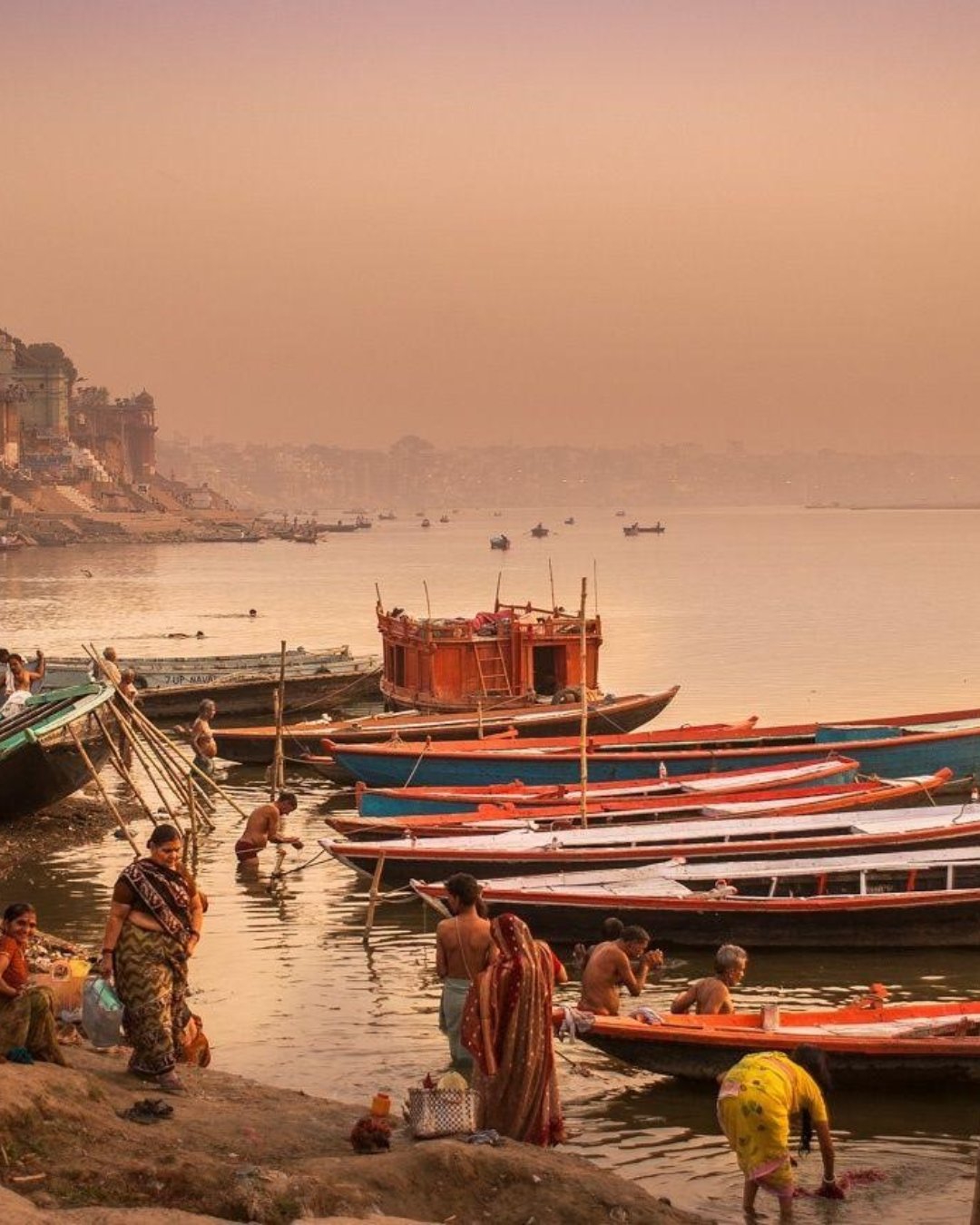
Assi Ghat, Varanasi, India
A practice asks a little more of you than sightseeing does — early starts, a body you're actually using, a diet that either helps or hinders. A few Varanasi-specific choices make the difference between a course you finish glowing and one you quietly abandon by day three.
The best season to practise
Come in the cool window, roughly October to March, if you possibly can. Dawn on the ghats is crisp and comfortable, and your body moves willingly through morning asana. The pre-monsoon heat of April to June is punishing — by mid-morning the air is too hot for anything but the gentlest seated work, so practice has to happen at first light and after dusk, or not at all. The July-to-September monsoon brings heavy humidity that makes vigorous asana draining and slows recovery, and a high Ganga can flood the lower ghats, so those free riverside dawn sessions may move indoors or pause altogether. If your trip is built around practice, the winter months are the ones that repay you.
Stay in Assi for the dawn starts
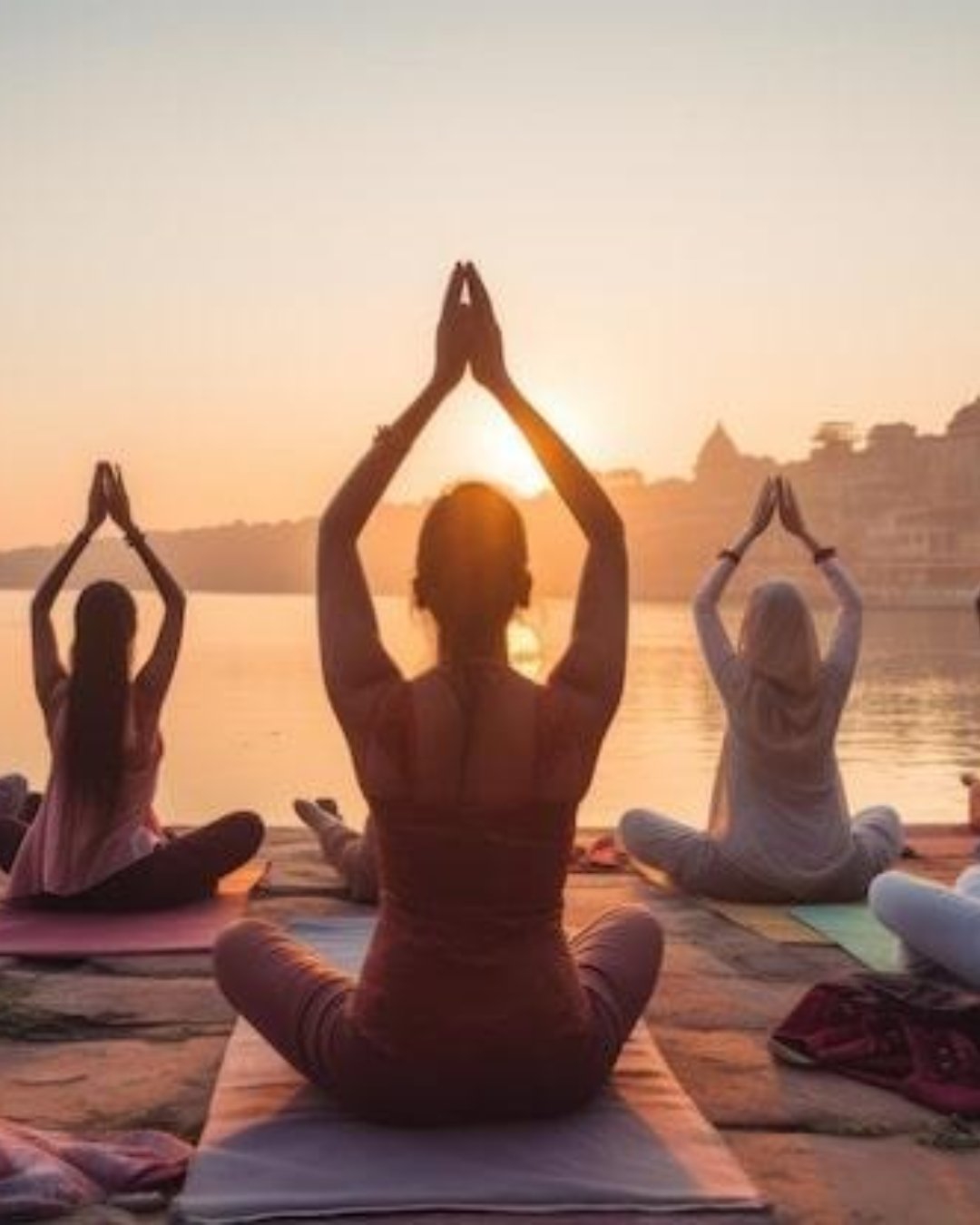
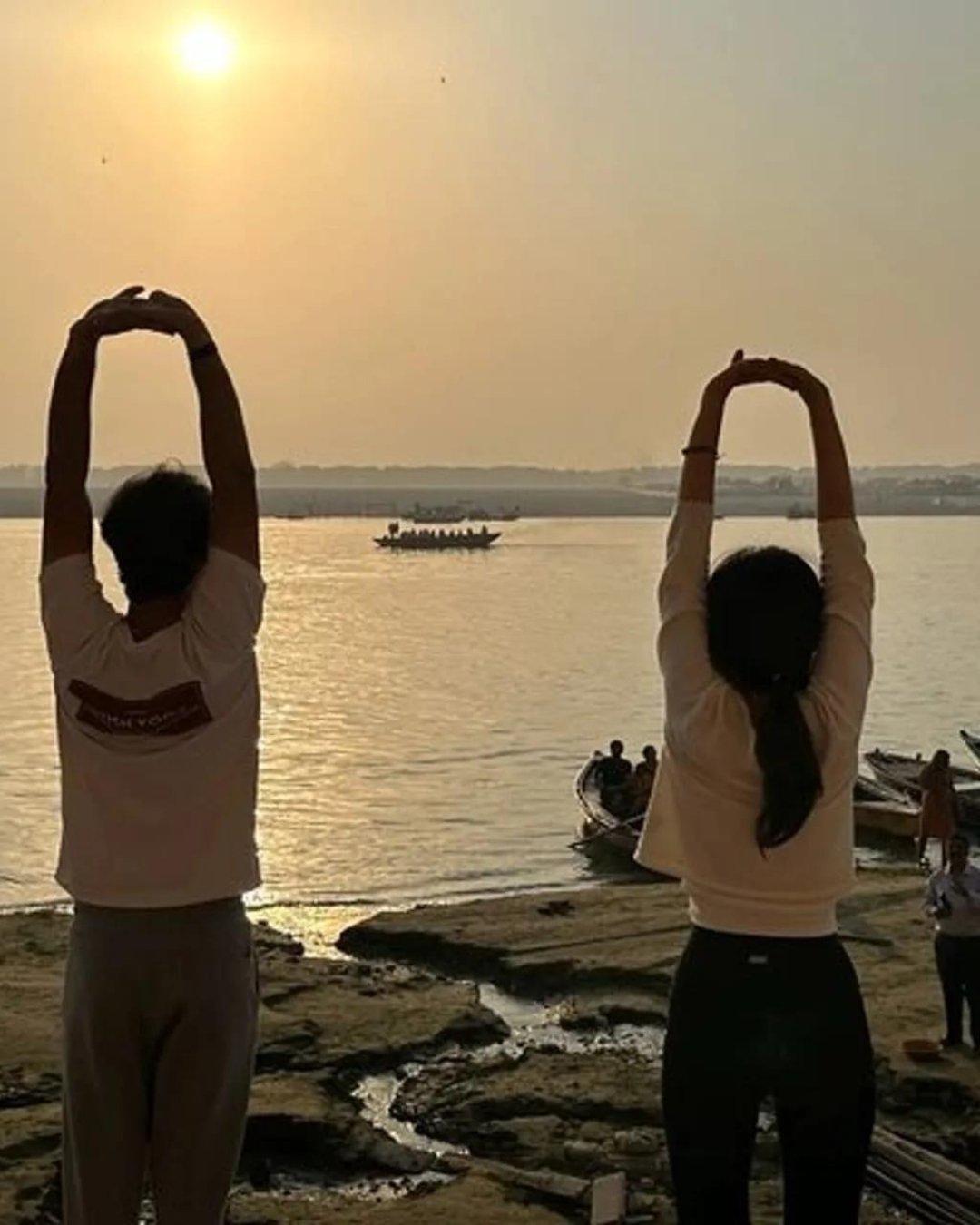
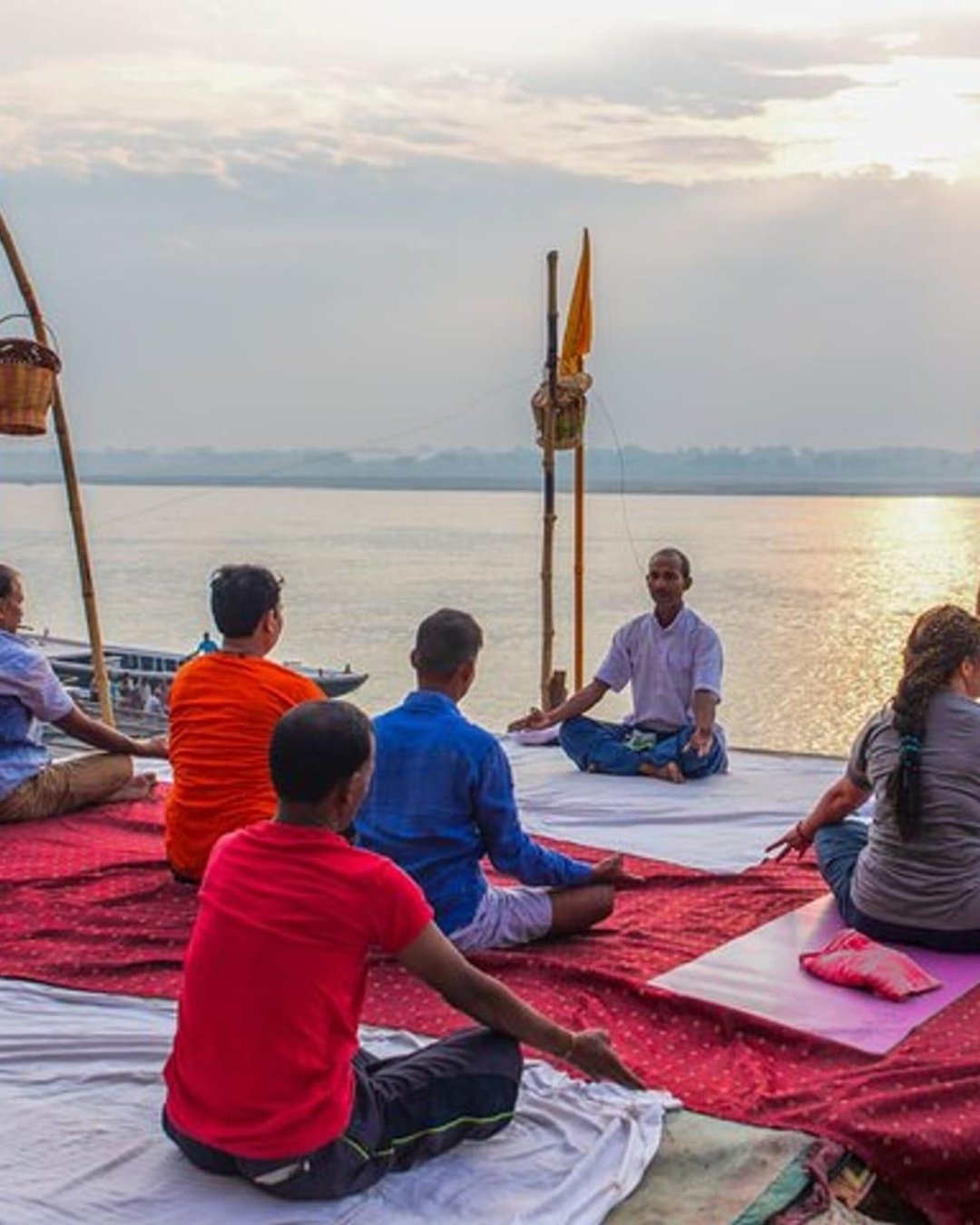
Where you sleep quietly decides whether you actually go. The morning programmes and many of the best schools cluster around Assi Ghat at the southern end of the old city, and the good stuff happens at 5 or 6 a.m. Staying in Assi means the difference between a two-minute walk to your mat and a groggy cross-city rickshaw you'll skip after the first day. Pick a guesthouse within walking distance of your school or the ghat, and the early rhythm becomes easy rather than heroic.
What to bring to class
Most schools keep mats, but bring your own if you're particular, and check before you assume. Wear loose, modest clothing you can fold and stretch in — shoulders and knees covered, especially for anything on the ghats — and carry a light shawl or layer: dawns are cool in winter, and you'll want it draped over you during long seated meditation. Add a water bottle, a small notebook for the philosophy that comes with good teaching, and, for Ayurveda or massage sessions, old clothes you don't mind getting oil on. Tie long hair back and keep a hair tie spare.
Let the heat and humidity set the pace
Your body works harder here than at home, so respect it. In warm months, practise at the cool ends of the day and treat midday as rest; hydrate steadily rather than gulping, and don't push into a strong flow when the humidity is high — you'll dehydrate faster than you notice. In the monsoon, everything dries slowly, so air your mat and clothes, and go easier on the intensity than your ego wants. Listening to the weather isn't laziness; it's the practice.
Eat light, and rest properly
A practice runs best on a light, mostly vegetarian, sattvic diet — the kind Varanasi does naturally — and worst on a heavy meal the night before a dawn asana class. Eat simply and early, keep the richest food for after practice rather than before, and be gentle with a new stomach in a new place while your body adjusts. Just as important, don't over-schedule: an immersion plus a full day of sightseeing leaves you too frayed to absorb either. Build in rest, sleep before those early mornings, and let the days stay unhurried — the progress comes from turning up steadily, not from cramming.