

Yoga & Meditation in Varanasi: Ghats, Schools & Retreats
Sunrise yoga at Assi Ghat, Vipassana near Sarnath, and how to tell
a real yoga school from a certificate mill — practising in Varanasi,
honestly.
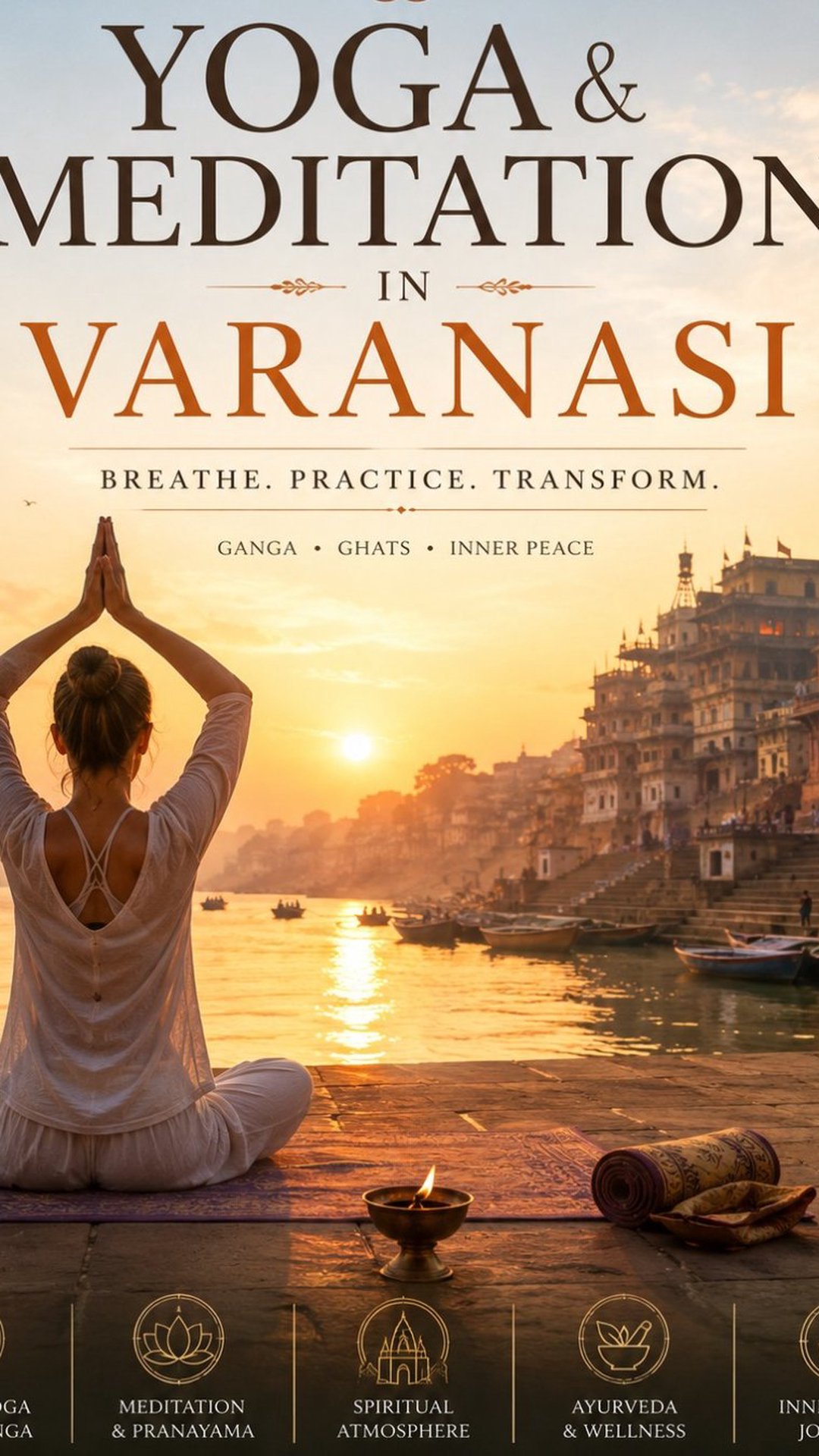
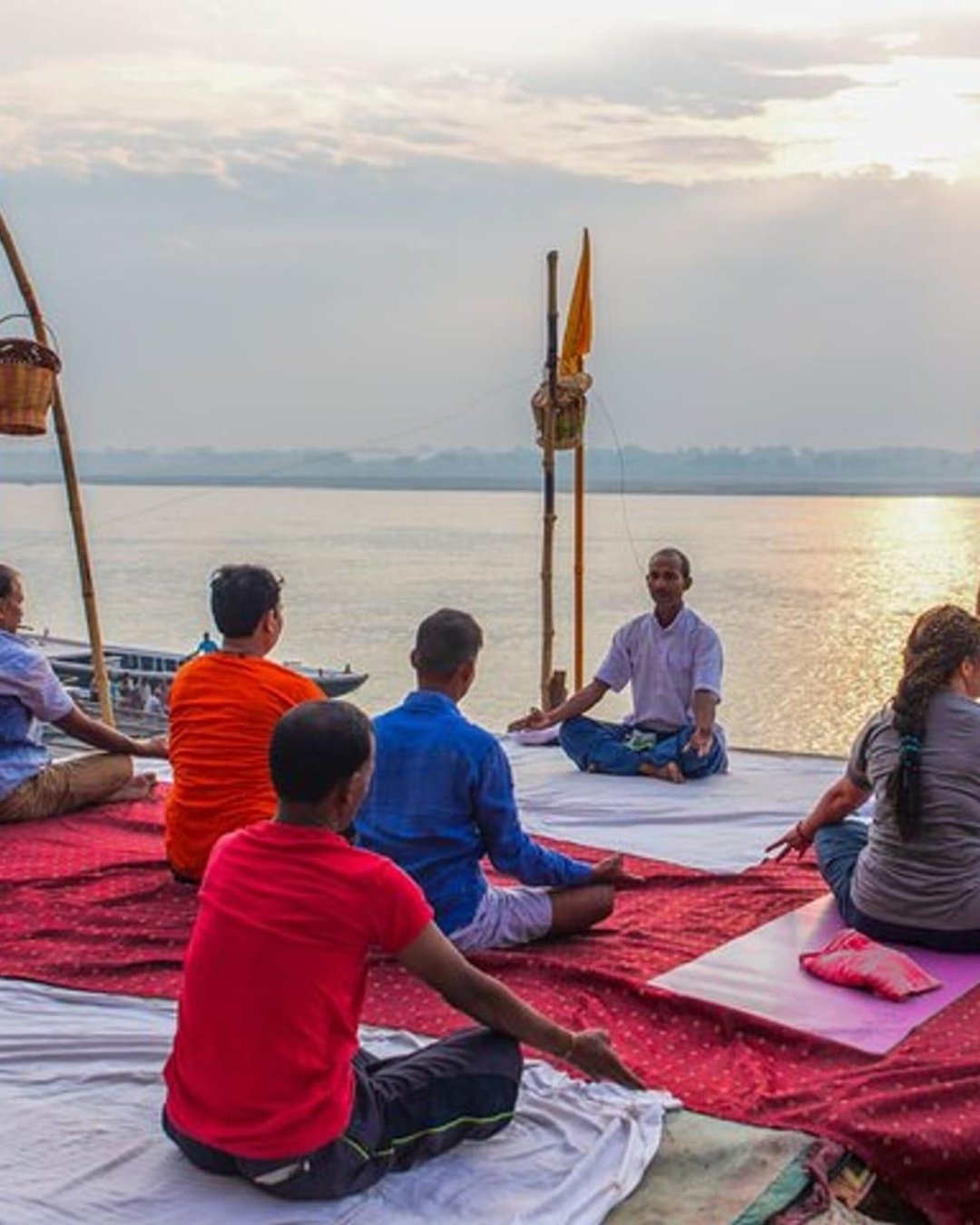
We'll make your Yoga & Meditation in Varanasi journey about experiencing wellness within the living rhythm of Kashi rather than simply attending a yoga class. Your mornings can begin beside the Ganga, with the ghats gradually filling with light, temple bells and chants carrying across the river, and the city slowly coming alive around your practice. Assi Ghat is the natural starting point, especially for *Subah-e-Banaras*, where yoga, chanting, music and morning rituals come together in a uniquely Varanasi experience.
From there, we'll introduce you to riverside yoga and meditation sessions, including Hatha yoga, Surya Namaskar, pranayama and beginner-friendly classes. We'll choose teachers and schools carefully, looking beyond attractive photographs and tourist promises to check teaching experience, class suitability, transparent pricing and the quality of the practice environment. The goal is for you to experience genuine yoga without feeling like you've booked a generic wellness activity.
What makes Varanasi particularly special is the way yoga fits naturally into the city's spiritual landscape. Rather than travelling somewhere solely for a yoga retreat, you'll be able to combine your practice with the Ganga, ancient temples, music, rituals, meditation and the cultural life of Kashi. We'll treat Varanasi as a place where yoga becomes part of your wider journey — a sunrise practice before exploring the city, a quiet meditation after visiting the ghats, or a peaceful evening reflecting beside the river.
If you're looking for something deeper, we'll introduce Vipassana around Sarnath, where meditation becomes a more disciplined practice rather than a short tourist session. We'll make the distinction clear: a genuine Vipassana course requires commitment, silence and a structured routine, so we'll only include it as a dedicated retreat experience rather than trying to squeeze it between sightseeing stops.
We'll also explore Ayurveda in Varanasi, while helping you distinguish traditional Ayurvedic care from an ordinary spa treatment marketed with Ayurvedic language. If you choose a treatment, we'll look for a qualified practitioner, proper consultation, transparent pricing and a clear explanation of what you're receiving. For a short Varanasi trip, a consultation or gentle traditional treatment can be more practical than committing to an intensive programme.
We'll organise everything around your daily sightseeing schedule so wellness never feels like another item to tick off. Early morning is ideal for yoga and meditation, the middle of the day can be reserved for temples and sightseeing, and afternoons can leave space for rest or Ayurveda. If you're staying longer, we'll have more flexibility to introduce workshops,
Route
Home
MomentAssi Ghat, Varanasi
Subah-e-Banaras: The Free One
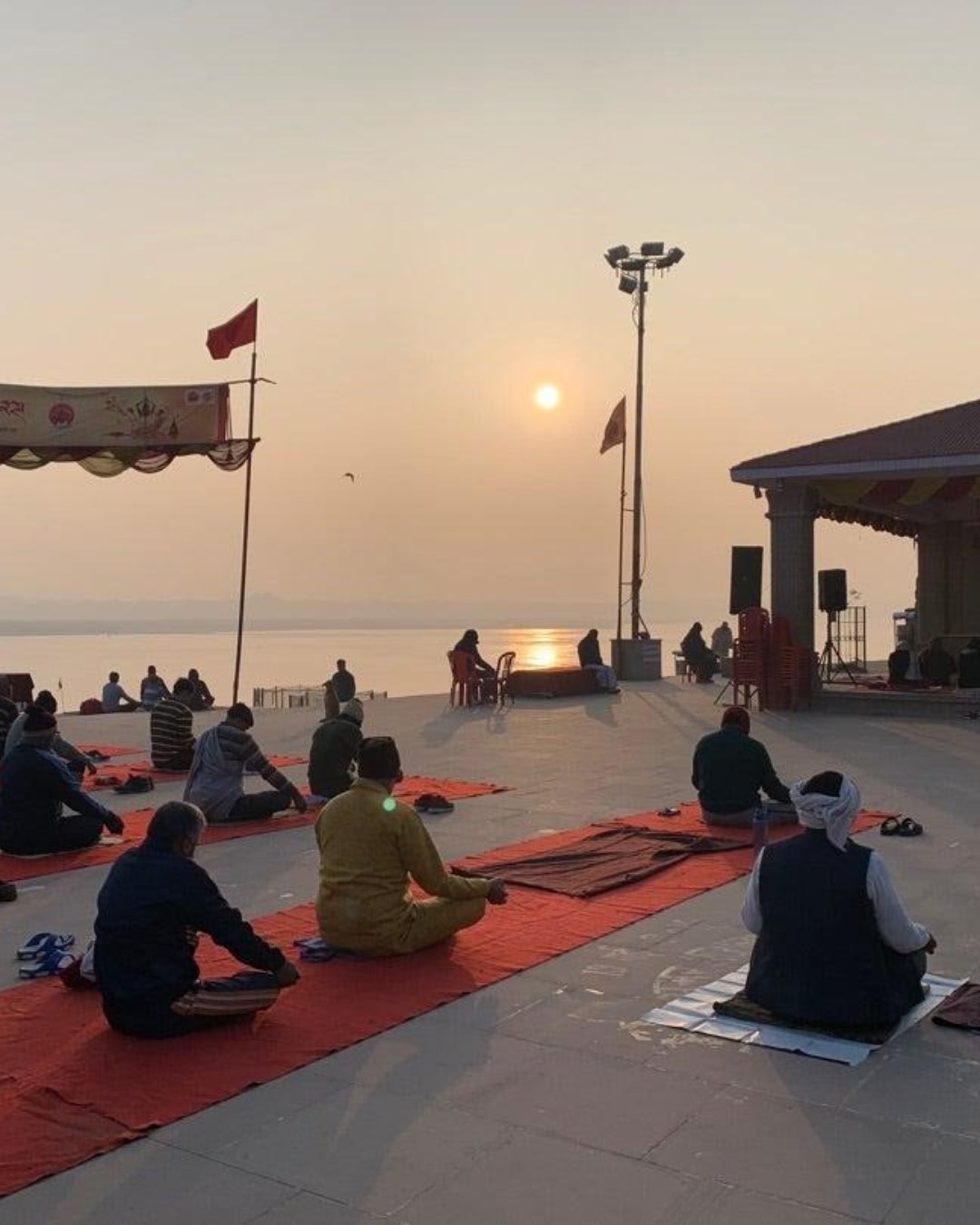
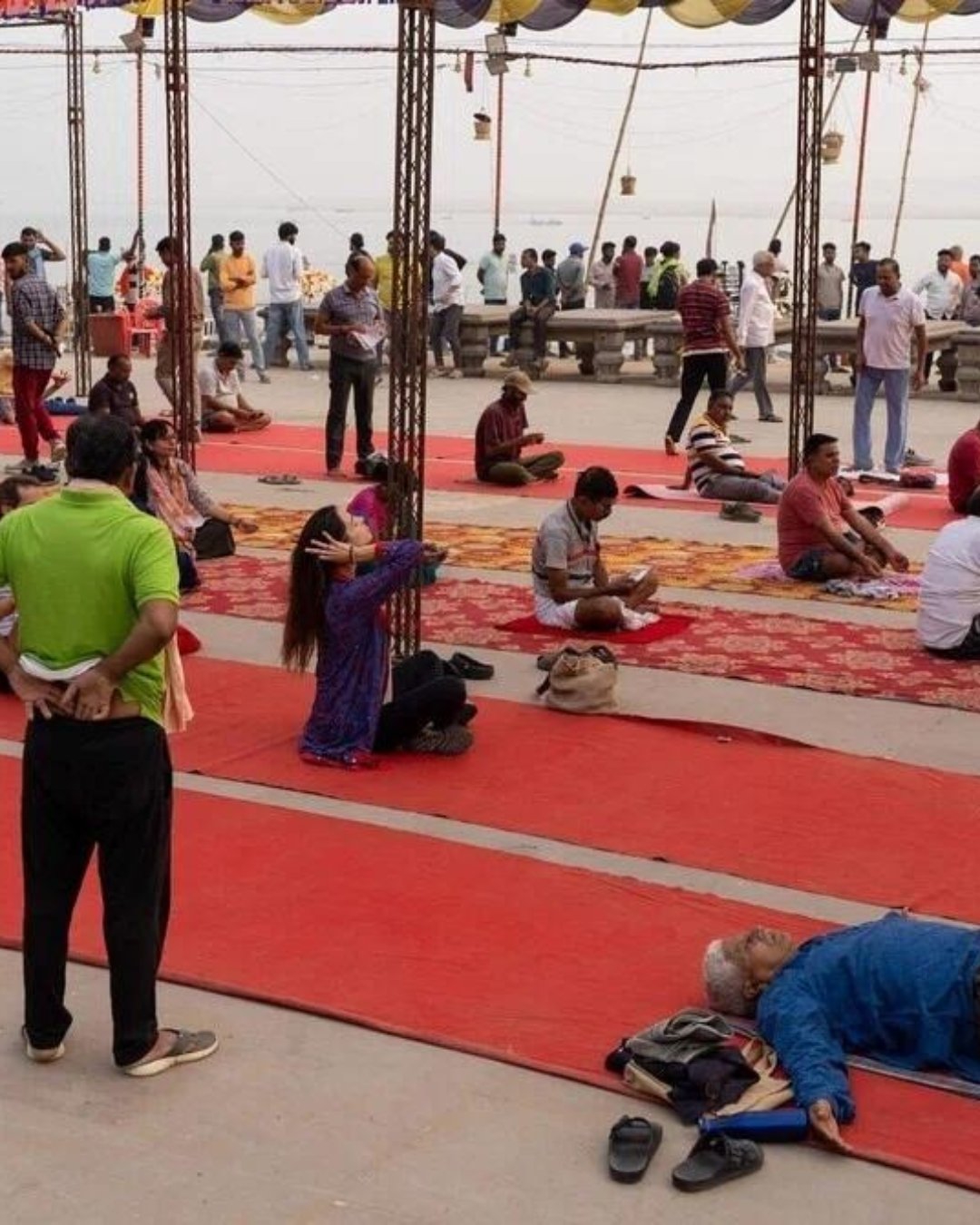
Before the city fully wakes, Varanasi gives you something it asks nothing for in return. Subah-e-Banaras — "Morning of Banaras" — is the daily dawn ritual staged at Assi Ghat at the southern end of the riverfront, and unlike almost everything else a visitor is offered here, it is completely free. No ticket, no guide, no commission, no "special price." You simply turn up in the dark, find a place on the steps, and let the morning unfold. Running daily since 2014, it was created to give the city a gentle, welcoming start to the day and to draw people back to Assi Ghat at dawn; it has since become one of the most loved things to do in Varanasi that costs nothing at all.
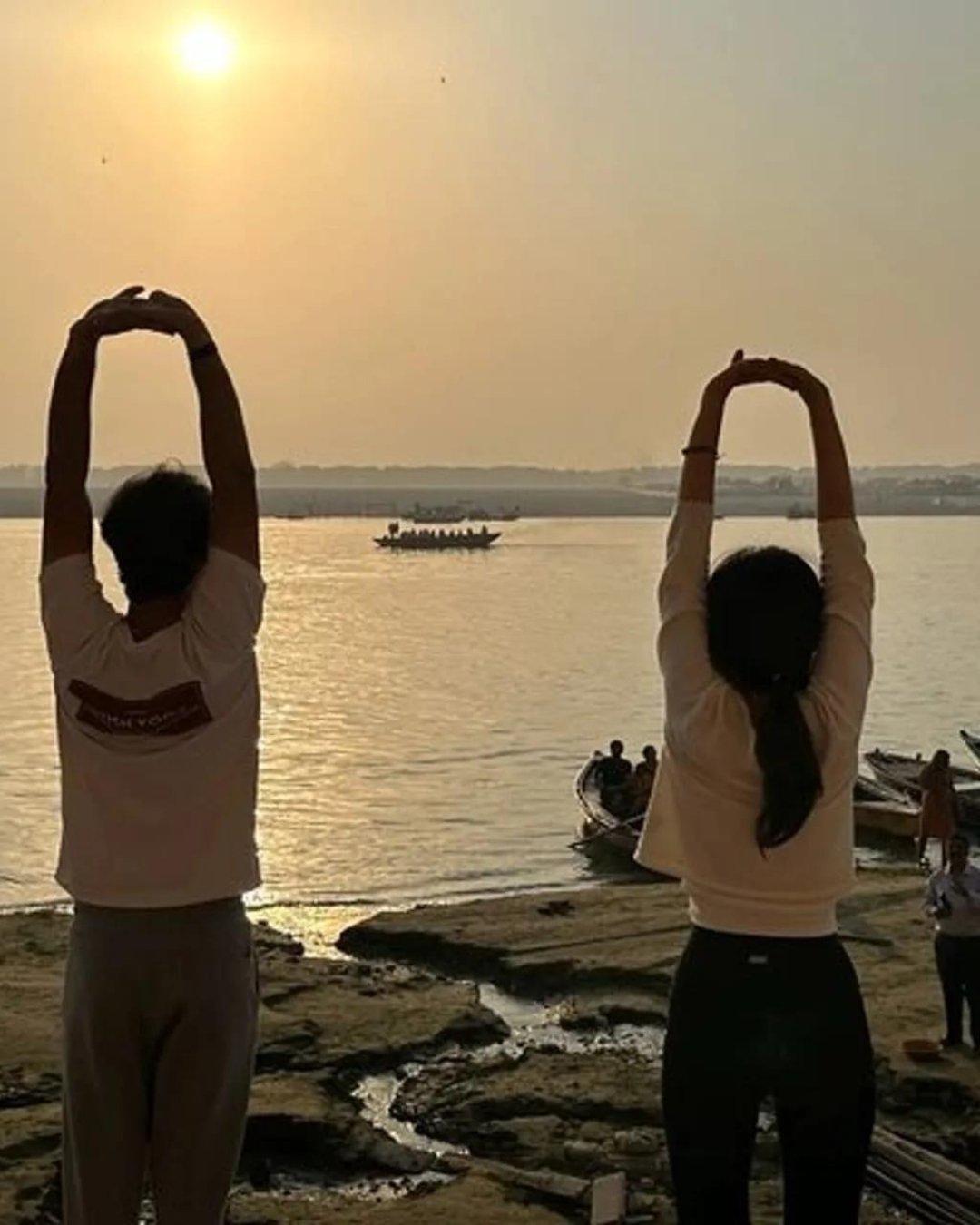
It begins before sunrise, so you'll want to be there by around 5 in the summer and closer to 5:30 or 6 in the winter — check the day's timing, since it shifts with the season. What follows is a carefully held sequence rather than a show. Priests perform a Vedic aarti to the rising sun, lamps circling in slow arcs against the pale sky while conch shells sound and bells ring out across the water. Voices rise in Sanskrit chanting, the old mantras carrying over the Ganga as the first light touches the far bank and the marigold lamps set adrift begin to glow on the water. There's usually a short session of yoga and pranayama you're welcome to join on the ghat, and on many mornings a classical music performance — a raga chosen for daybreak, a sitar or a flute or a khayal singer — that seems written for exactly this hour.
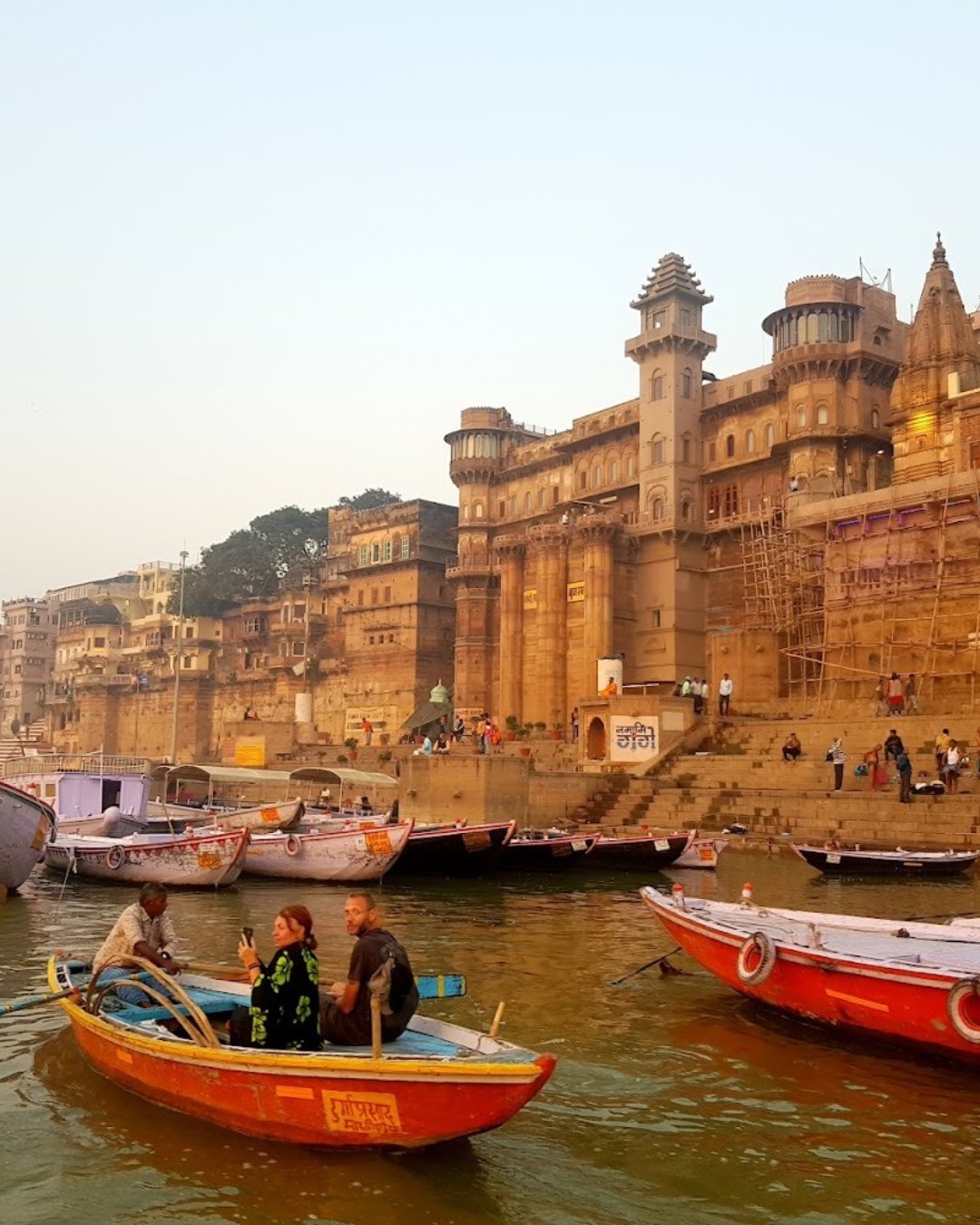
What makes it worth setting an alarm for isn't spectacle; it's the mood. You're watching the city perform its own beginning, alongside locals who come not as tourists but as a habit of devotion. Boats drift past on the grey water, someone bathes at the edge, chai sellers work the crowd, and the whole ghat holds a stillness that the same place will lose entirely by mid-morning.
A few simple things help you take it in well. Come early enough to settle before it starts, rather than arriving mid-ritual. Dress warmly in winter — the pre-dawn river air is genuinely cold — and modestly in any season, since this is a place of prayer. Sit on the steps and stay quiet; photography is fine, but keep it discreet and don't step into the ceremony for a better angle. Assi Ghat sits at the southern end of the riverfront and is easy to reach by auto or e-rickshaw; if you're staying near the main ghats, a short walk or boat ride down the river brings you there too. If you'd like to pair it with a sunrise boat ride, arrange the boat separately and agree the fare first — the aarti itself costs nothing, and no one running it will ask you for money. When it ends, the reward is the walk: the ghats ahead of you, washed in early light, almost empty, entirely yours for an hour before the day arrives. Of everything Varanasi will try to sell you, the thing most worth having is the one it gives away at dawn.
36
MomentAssi Ghat, Varanasi
Practising on the Ghats
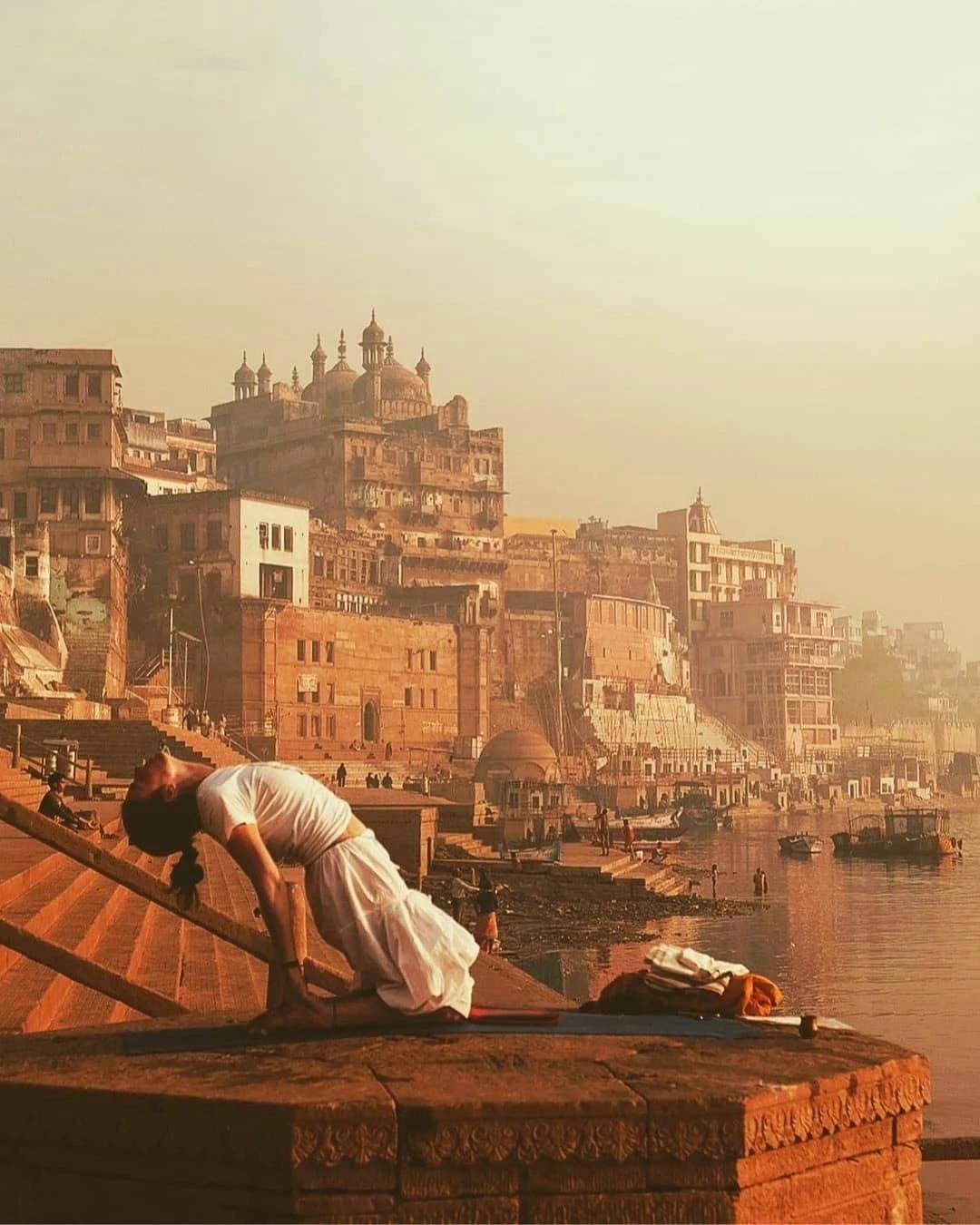
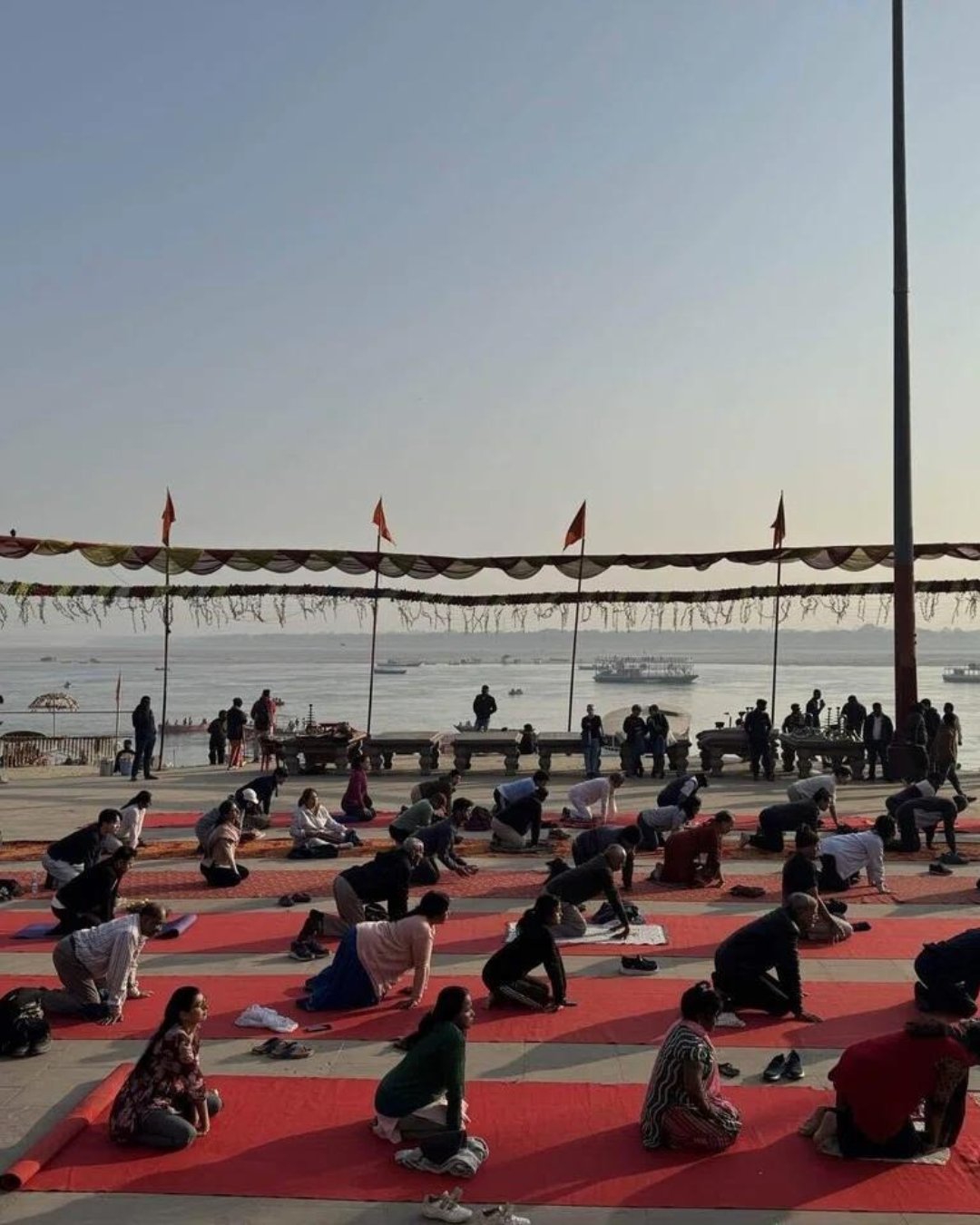
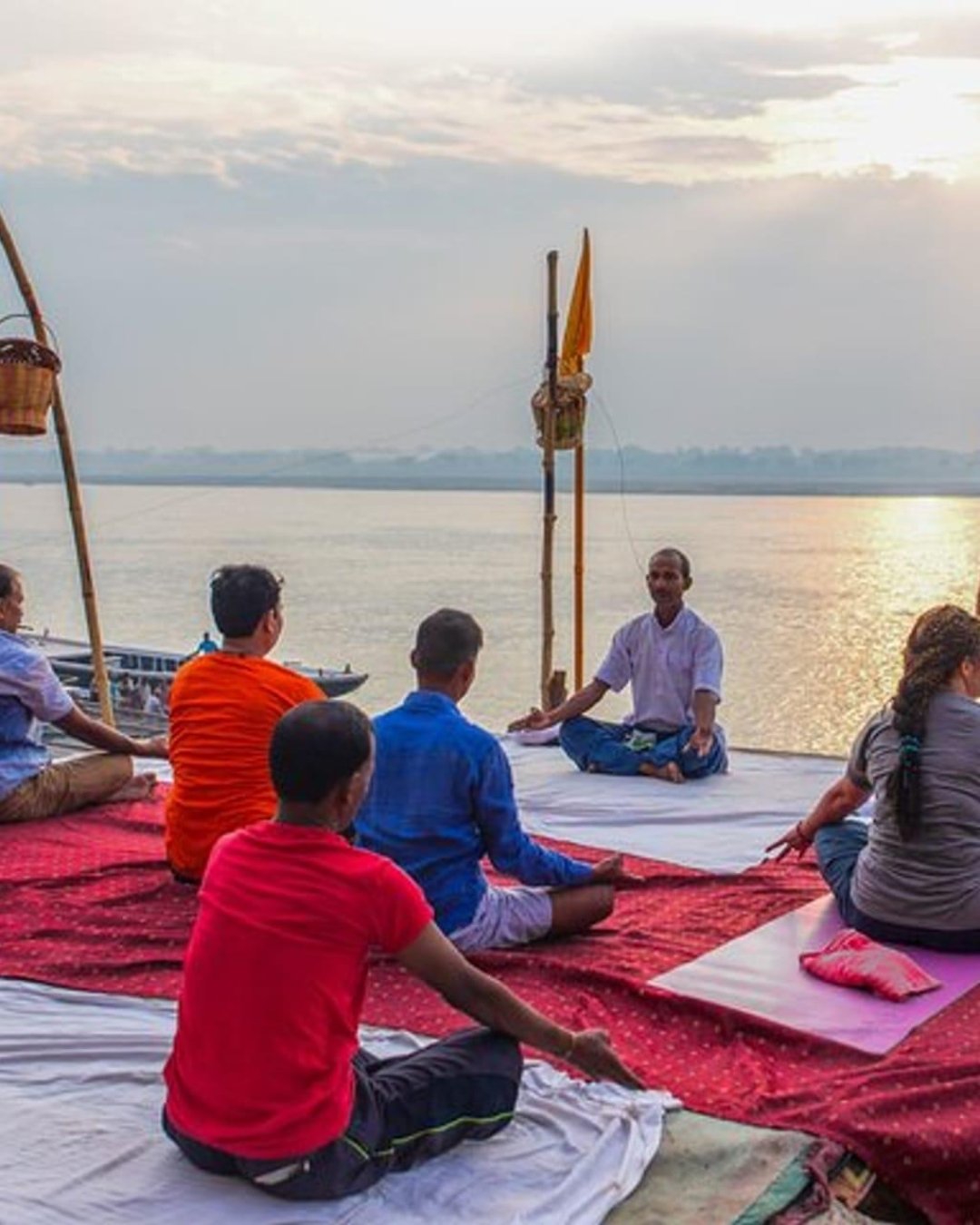
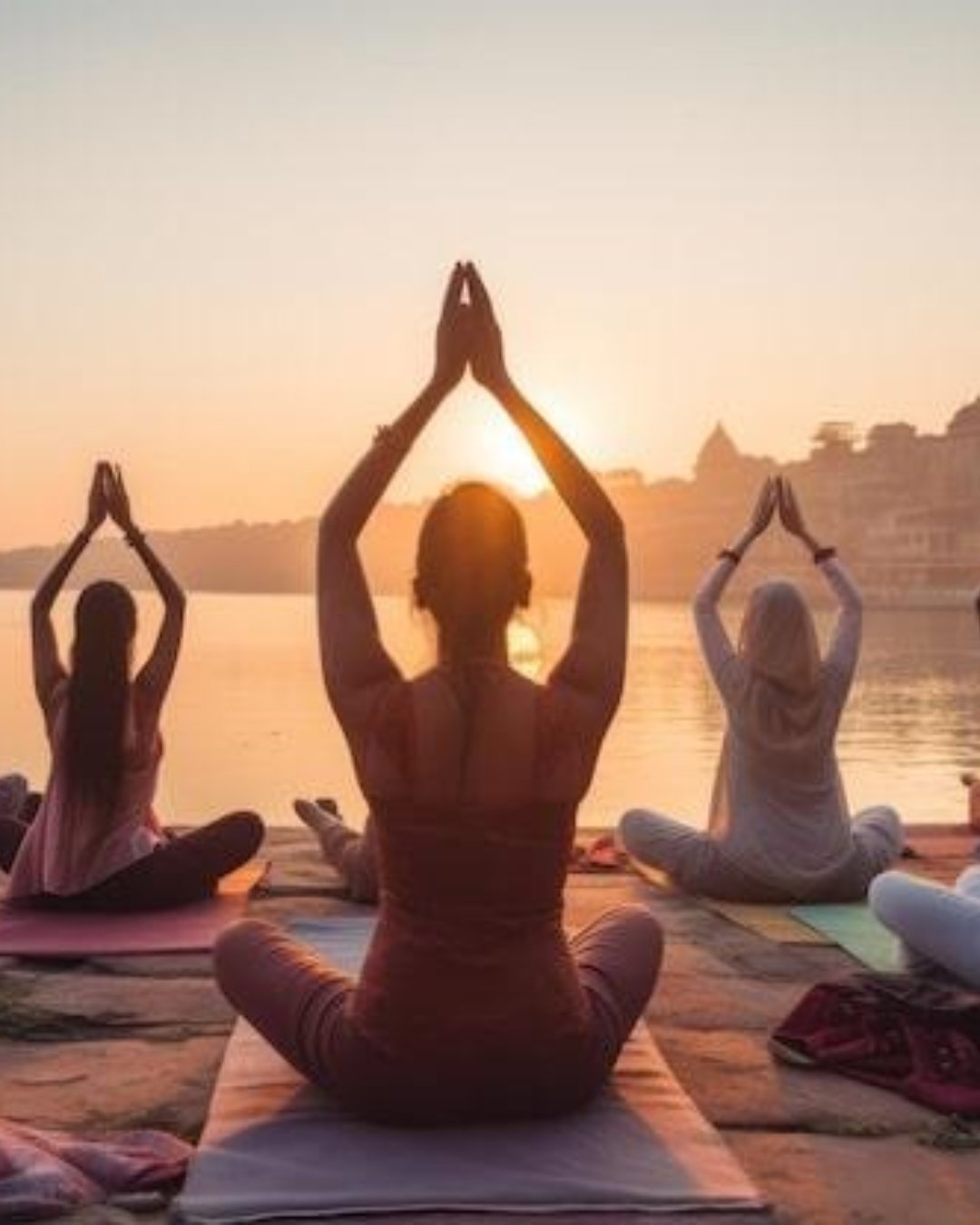
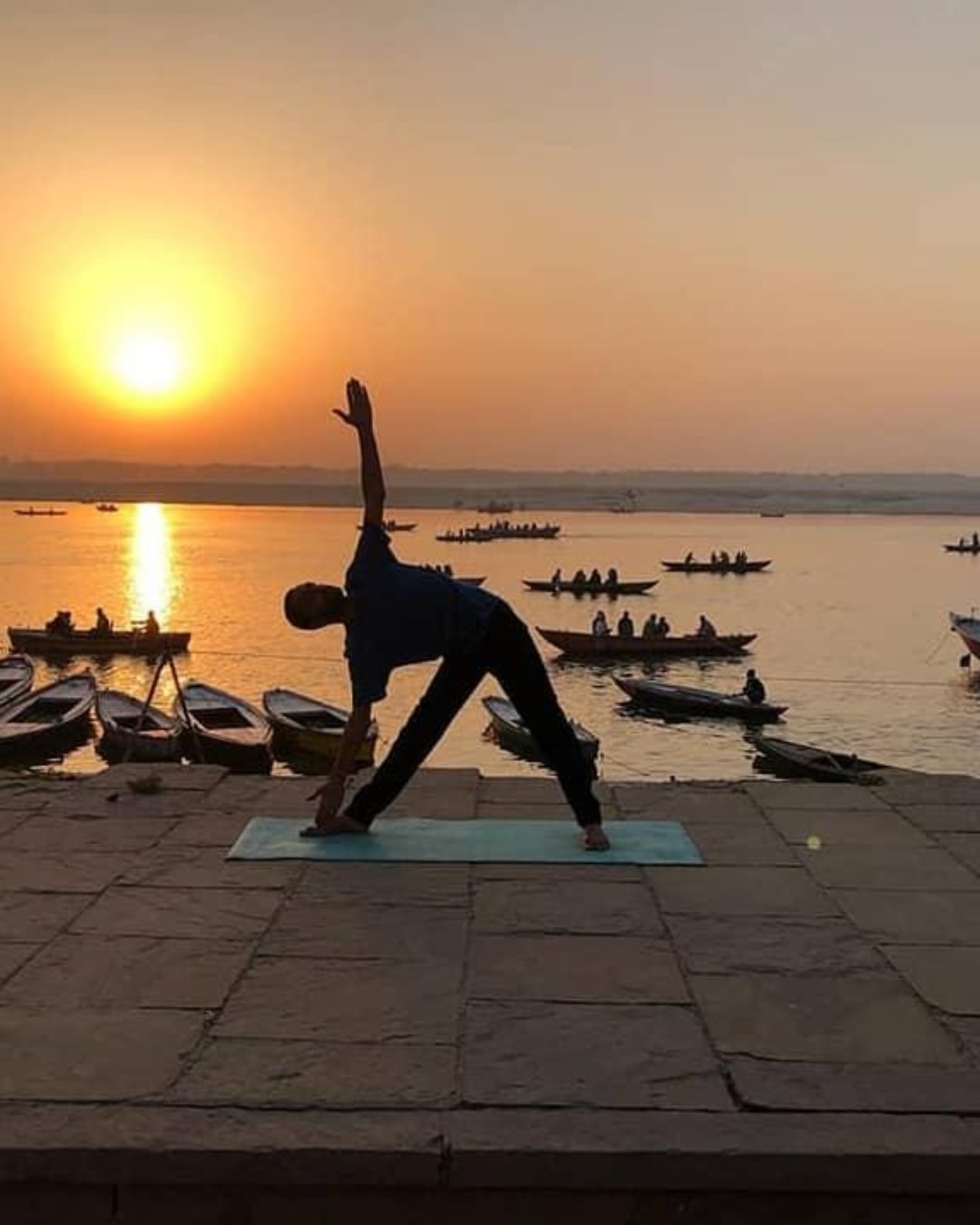
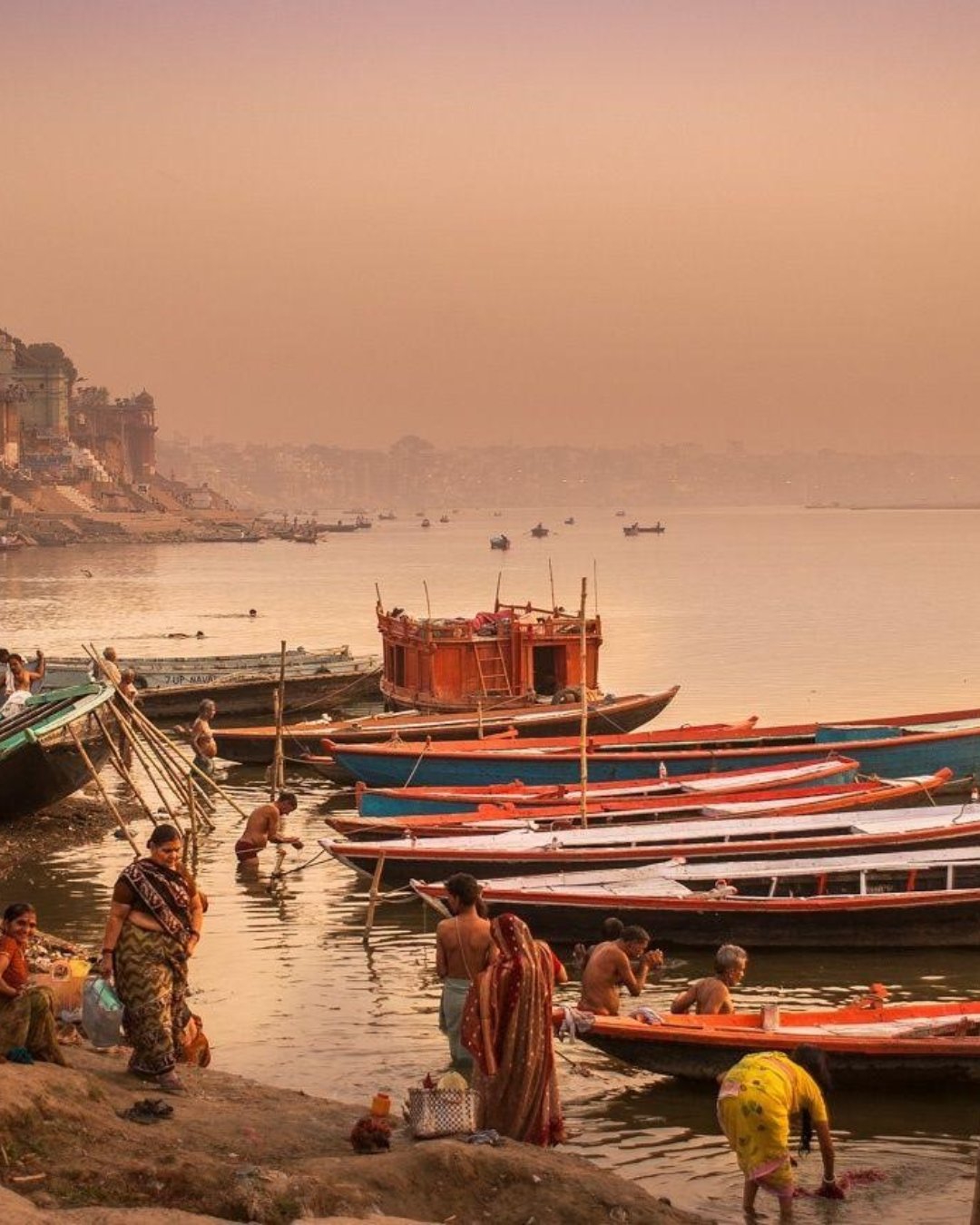
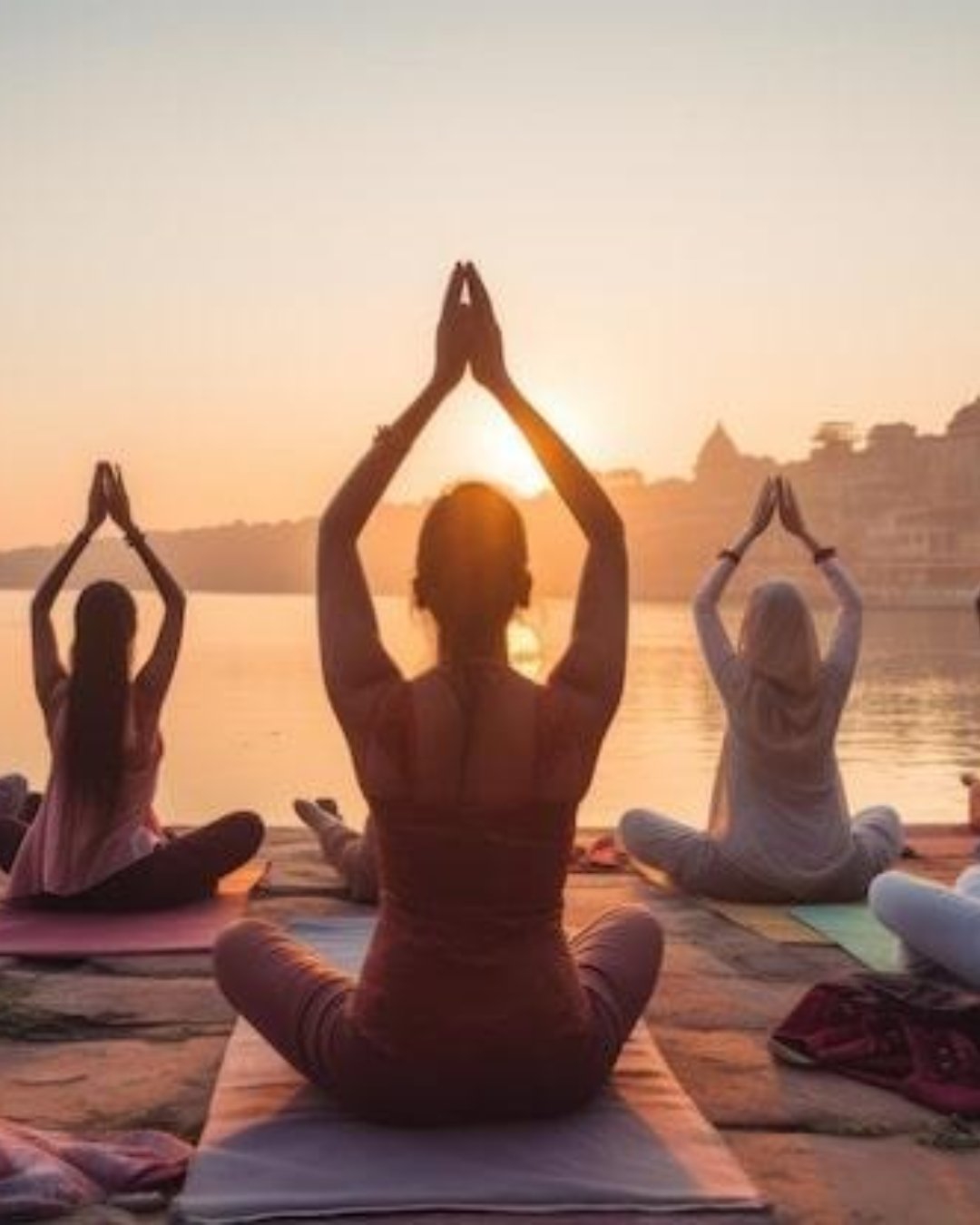
There is no better place to begin a practice than the ghats of Varanasi at first light. Long before the city fully wakes, the stone steps along the Ganga fill with quiet purpose — someone flowing through sun salutations, someone sitting cross-legged with eyes closed, a student running scales on a sitar while the river turns from grey to gold. If you want to bring your own practice to the water, whether it's yoga, meditation, breathwork or music, you'll find the ghats meet you halfway: they have been a place of discipline and devotion for thousands of years, and the atmosphere does half the work for you.
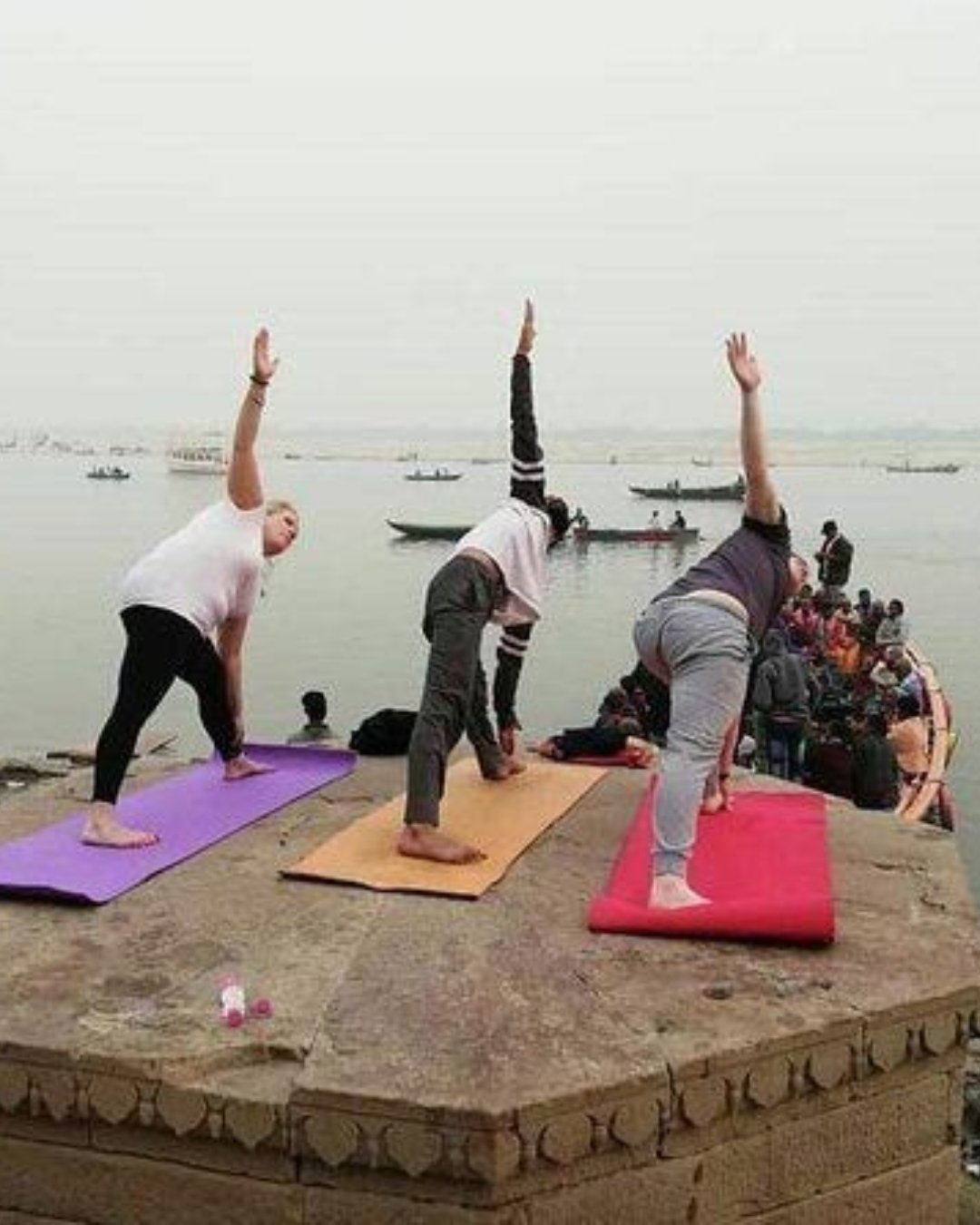
The natural home for morning practice is Assi Ghat, at the southern end of the riverfront, where the daily Subah-e-Banaras gathering begins before dawn with Vedic chanting, live classical music and a free open-air yoga session that anyone can join. You simply turn up, find a space on the mat-lined terrace, and move with the group as the sun clears the far bank. Even if you'd rather practise alone, Assi is a gentle place to start, and from there the quieter ghats — Chet Singh, Tulsi or the stretches between the busier landings — open up for solo meditation, where you can sit facing the water and simply follow your breath as the boats slide past.
To do it well, come early — the hour before and after sunrise is the sweetest, coolest and least crowded, and by mid-morning the steps belong to bathers, boatmen and the heat. Carry a thin mat or a cotton cloth; the stone is often cold, damp or dusty, and you'll want a layer between you and it. Wear something modest and easy to move in, keep your shoes and valuables beside you rather than out of sight, and stay lightly aware of the monkeys, who are bold and curious around bags. A bottle of water and a hat help once the sun is up, and the steps can be slick, so tread carefully near the waterline. Choose your spot with care: the ghats are a living, sacred and working space, so settle a little apart from where people are bathing, praying or performing rituals, and never set up in the middle of a ceremony or a cremation ghat.
Above all, treat your practice here as something you fold into the life of the river rather than impose on it. Let the sounds in — the temple bells, the slap of wet cloth on stone, a boatman's oar, a distant raga — instead of shutting them out; in Varanasi they are part of the meditation, not a distraction from it. If music is your practice, the city is one of the great homes of Hindustani classical tradition, and a little asking around near the ghats can lead you to teachers, morning riyaz sessions and evening recitals of sitar, tabla and voice. Move gently, stay unhurried, and you'll find the ghats give you something no studio can: a practice held inside the oldest living rhythm of one of the world's oldest cities, with the whole of the Ganga flowing past, unbothered and endless, as your only witness.
30
MomentAssi Ghat, Varanasi
Why Varanasi and Not Rishikesh
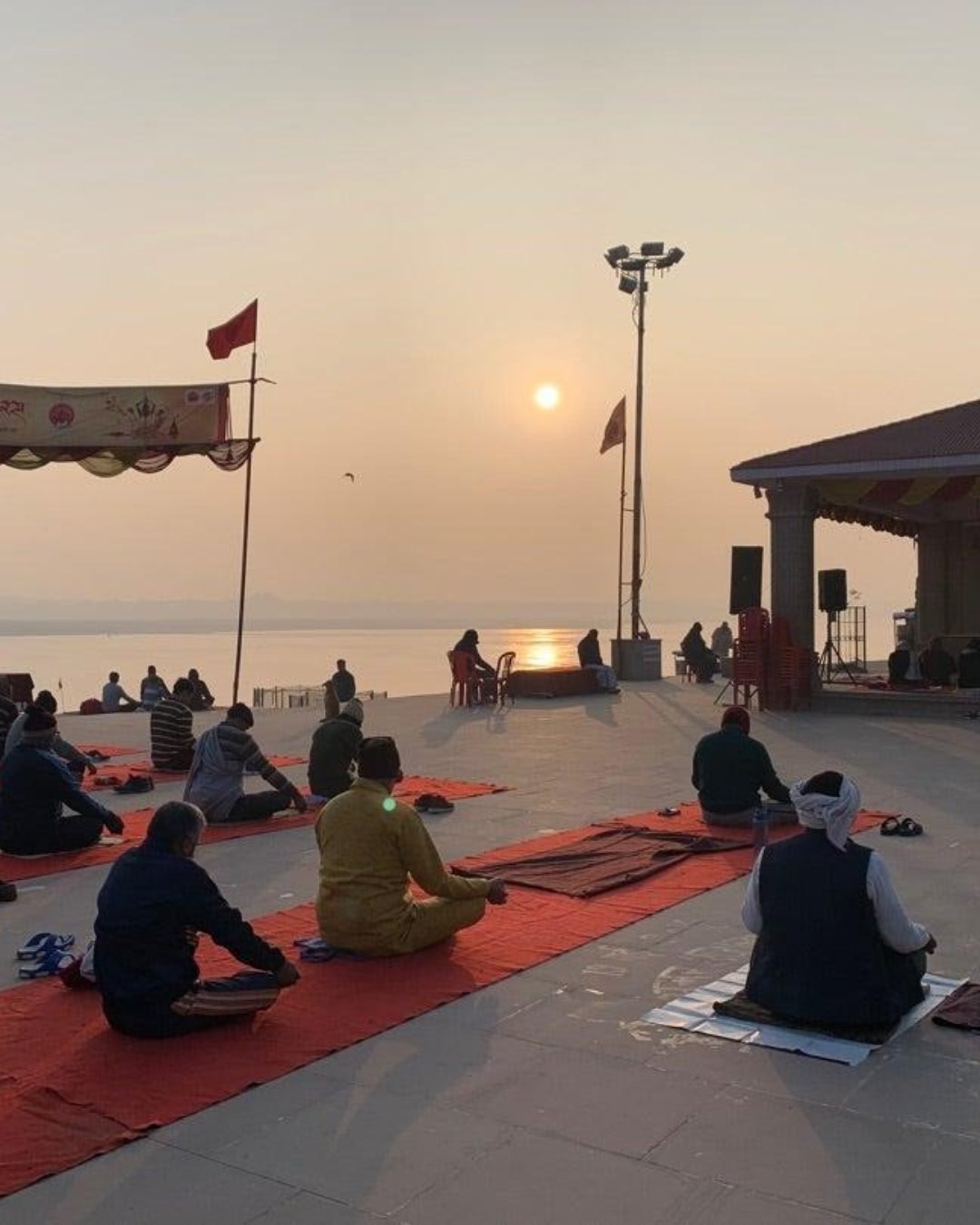
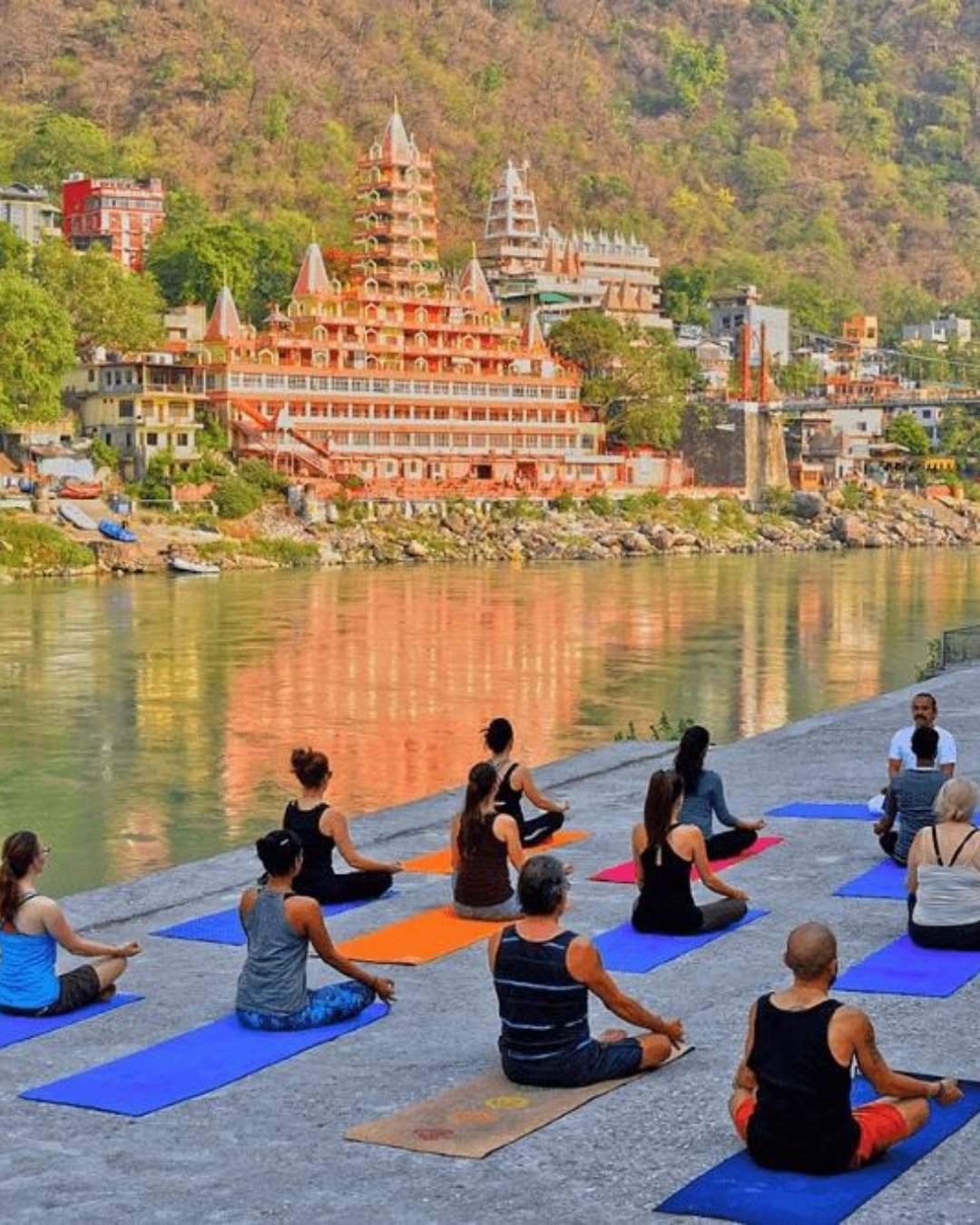
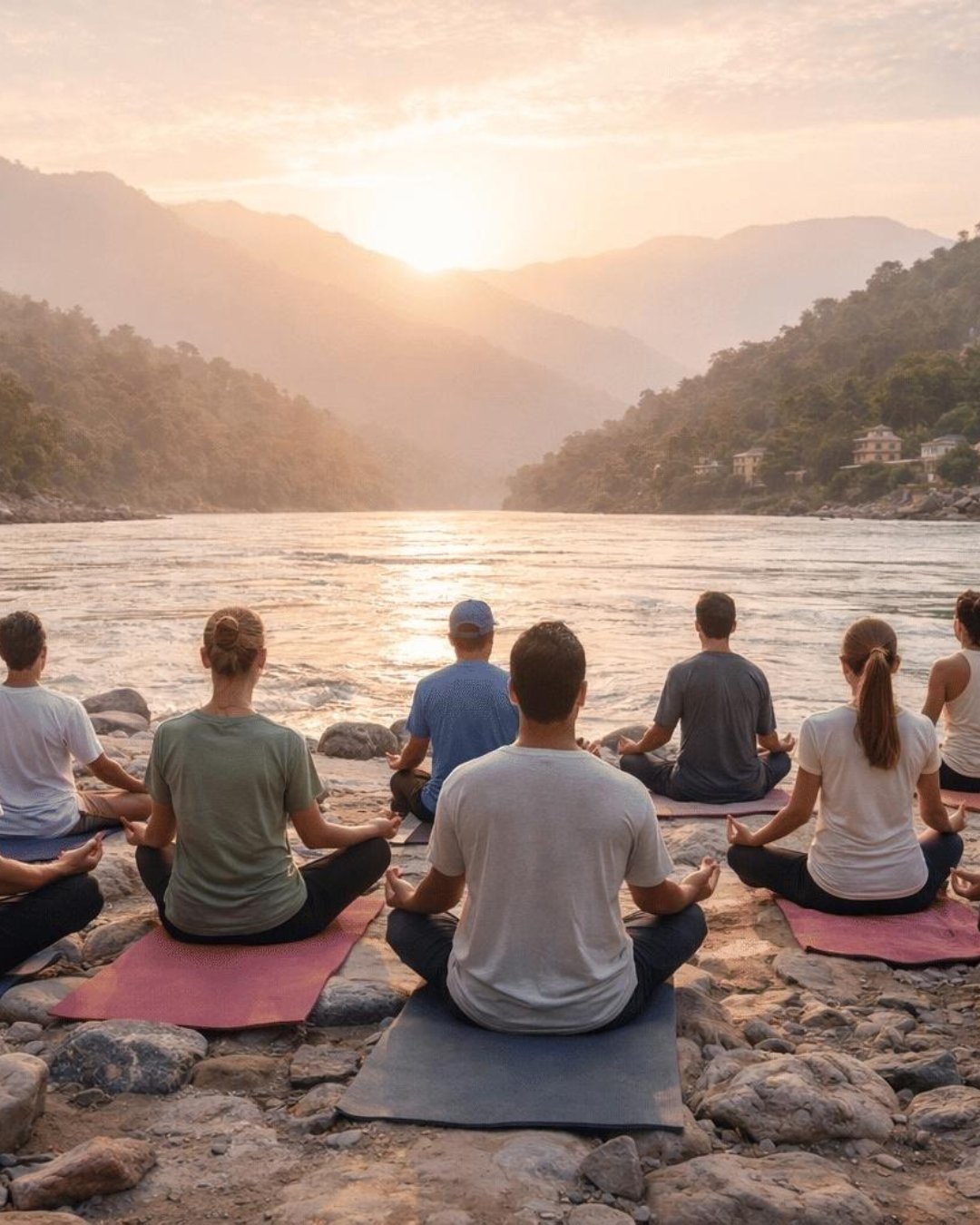
If you're weighing India's two great cities on the Ganga, it helps to know they offer almost opposite experiences — and which one is "better" depends entirely on what you're looking for. Rishikesh, up in the Himalayan foothills, is the gentler choice: clean mountain air, ashrams and yoga schools, riverside cafes, white-water rafting and a calm, wellness-minded crowd. It's where you go to slow down, learn to meditate, and detox. Varanasi asks something different of you. It doesn't soothe; it confronts. And for a certain kind of traveller, that's exactly the point.
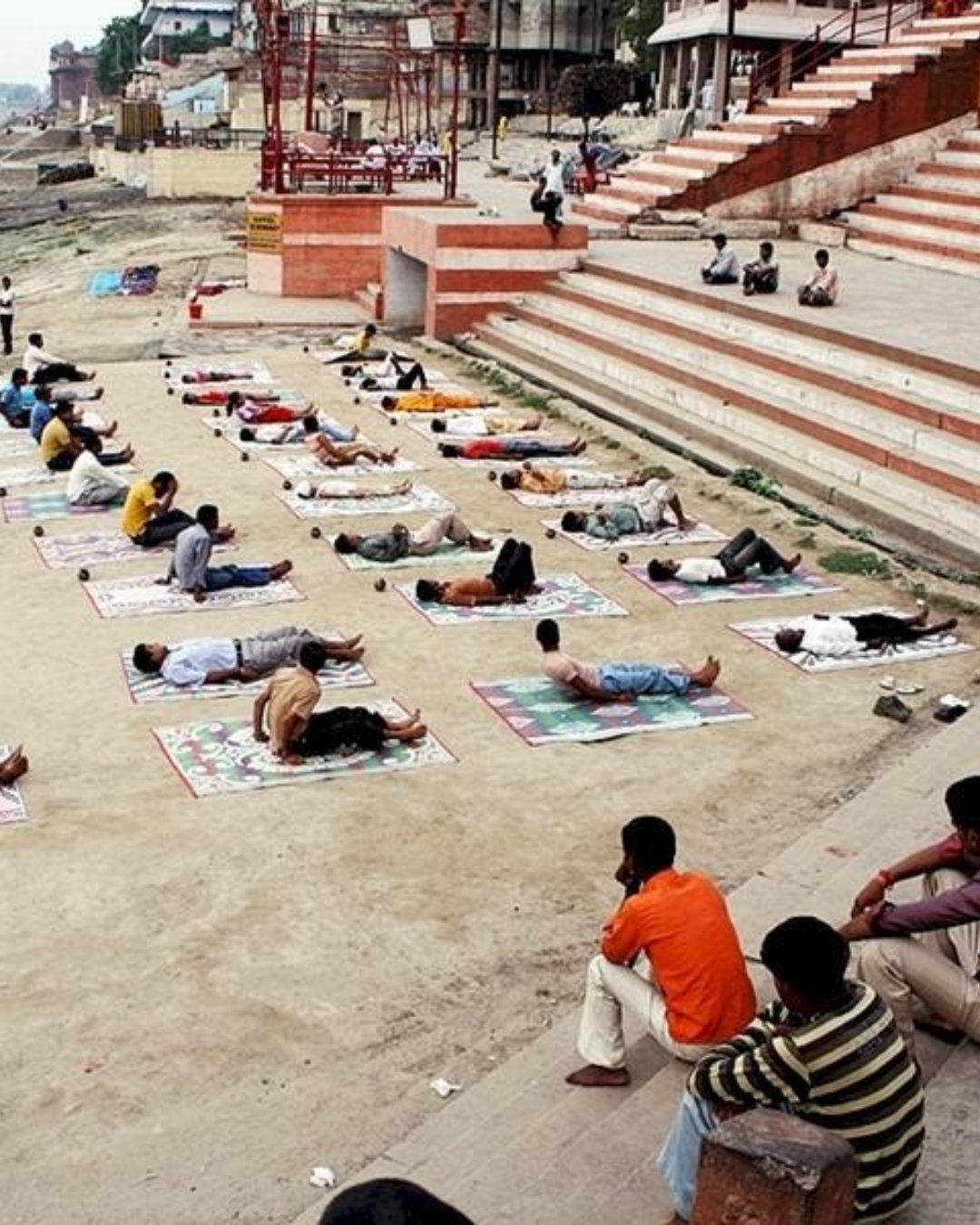
Varanasi is the older story by far — one of the oldest continuously lived-in cities on earth, sacred to Hindus for millennia as the city of Shiva and the place where the cycle of death and rebirth can finally be broken. Where Rishikesh gives you the Ganga as a bright mountain river, Varanasi gives you the Ganga as the axis of life and death itself. You'll see pilgrims bathing at dawn, bodies carried to the burning ghats at Manikarnika, priests performing the Ganga Aarti with towers of fire at dusk — birth, prayer and death all pressed together on the same steps. Nothing is hidden here, and nothing is staged for you. It is intense, sometimes overwhelming, and unlike anywhere else you will ever stand. There's history layered on top of the faith, too: the Buddha gave his first sermon just up the road at Sarnath, so a single trip lets you touch both the Hindu and Buddhist roots of India within a morning of each other.
So choose Varanasi over Rishikesh when you want depth rather than comfort. Come here if you want to witness living Hinduism at its most raw and unfiltered, to walk labyrinthine old-city lanes that have barely changed in centuries, to hear temple bells and sitar drift from a music culture that shaped Indian classical sound, and to eat your way through some of the country's great street food — the kachoris, the chaat, the thick creamy lassi and the famous Banarasi paan. Come if you'd rather feel something profound than simply relax. Rishikesh is the place to work on yourself; Varanasi is the place to confront the biggest questions there are — mortality, faith, impermanence — and let the city answer in its own overwhelming language.
That said, be honest about what you're signing up for. Varanasi is crowded, chaotic and confronting; the ghats can be dirty, the touts persistent, the encounters with death direct and unsentimental. If you want serenity, spa mornings and a tidy riverside yoga retreat, Rishikesh will serve you better and you shouldn't feel you're missing out. But if you want the real, unvarnished spiritual heart of India — the place that stays with travellers for the rest of their lives — you come to Varanasi. Many people, with time to spare, end up doing both: Rishikesh to breathe, Varanasi to be changed. If you can only pick one and you want intensity over ease, Varanasi is the answer.
38
MomentAssi Ghat, Varanasi
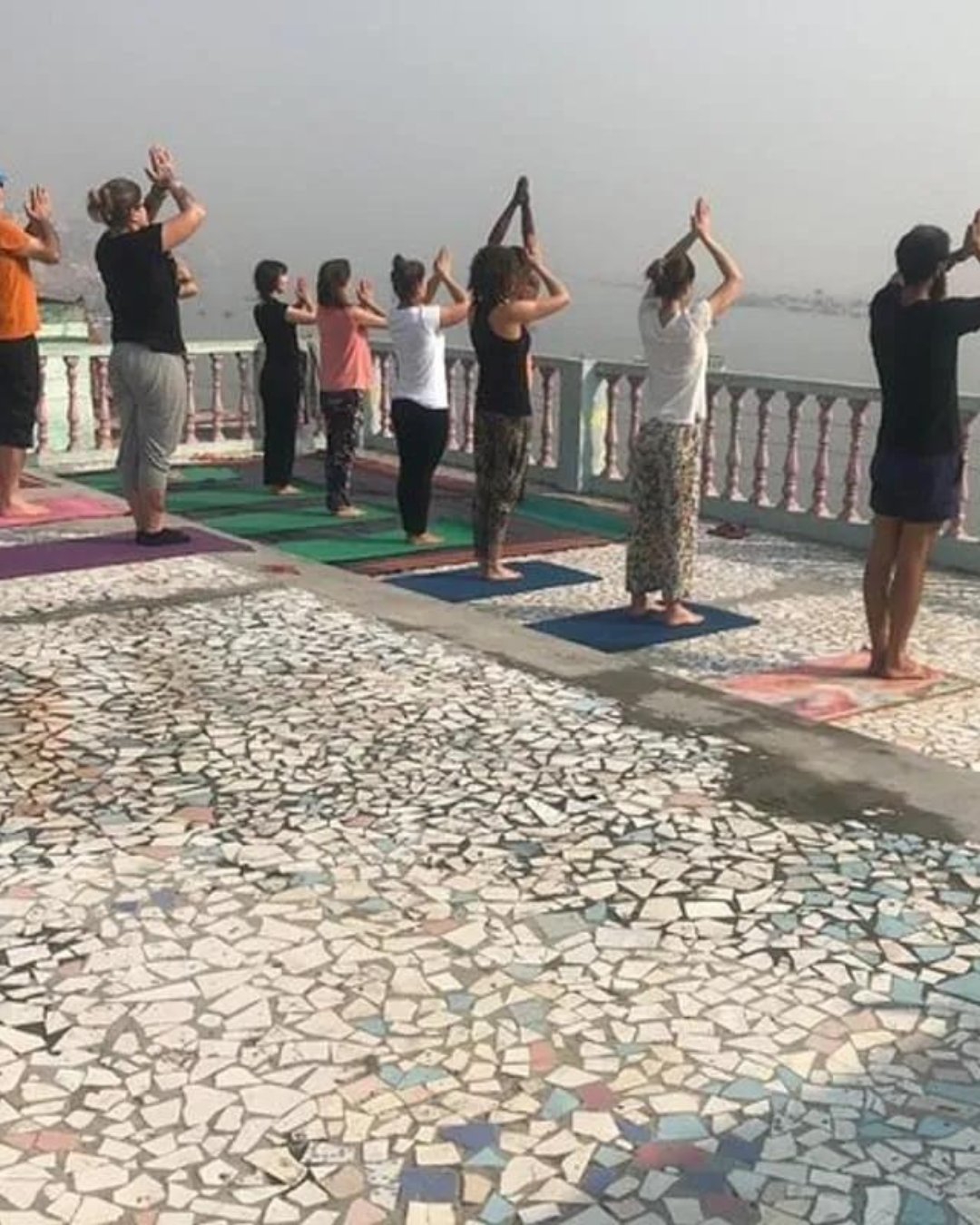
Drop-in Classes & Short Courses
Varanasi rewards the traveller who stays long enough to practise, not just watch. As one of India's great seats of spiritual life, the city wakes early to yoga and meditation — on the ghats at dawn and in dedicated schools through the day — and how much you get from it depends less on your experience than on how long you give it. The simplest way to choose is by time: an hour, a few days, or a couple of weeks.
A single morning — drop-in
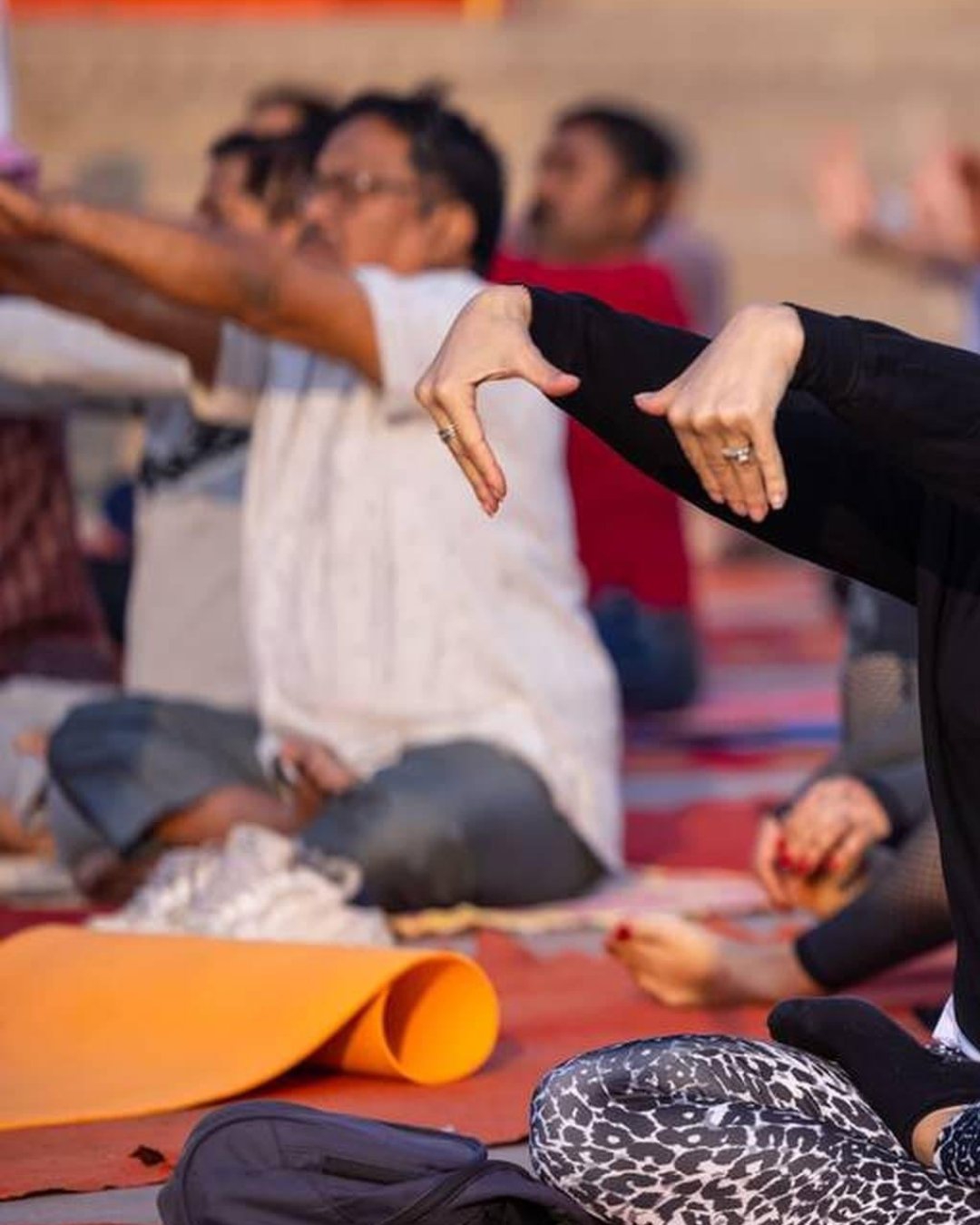
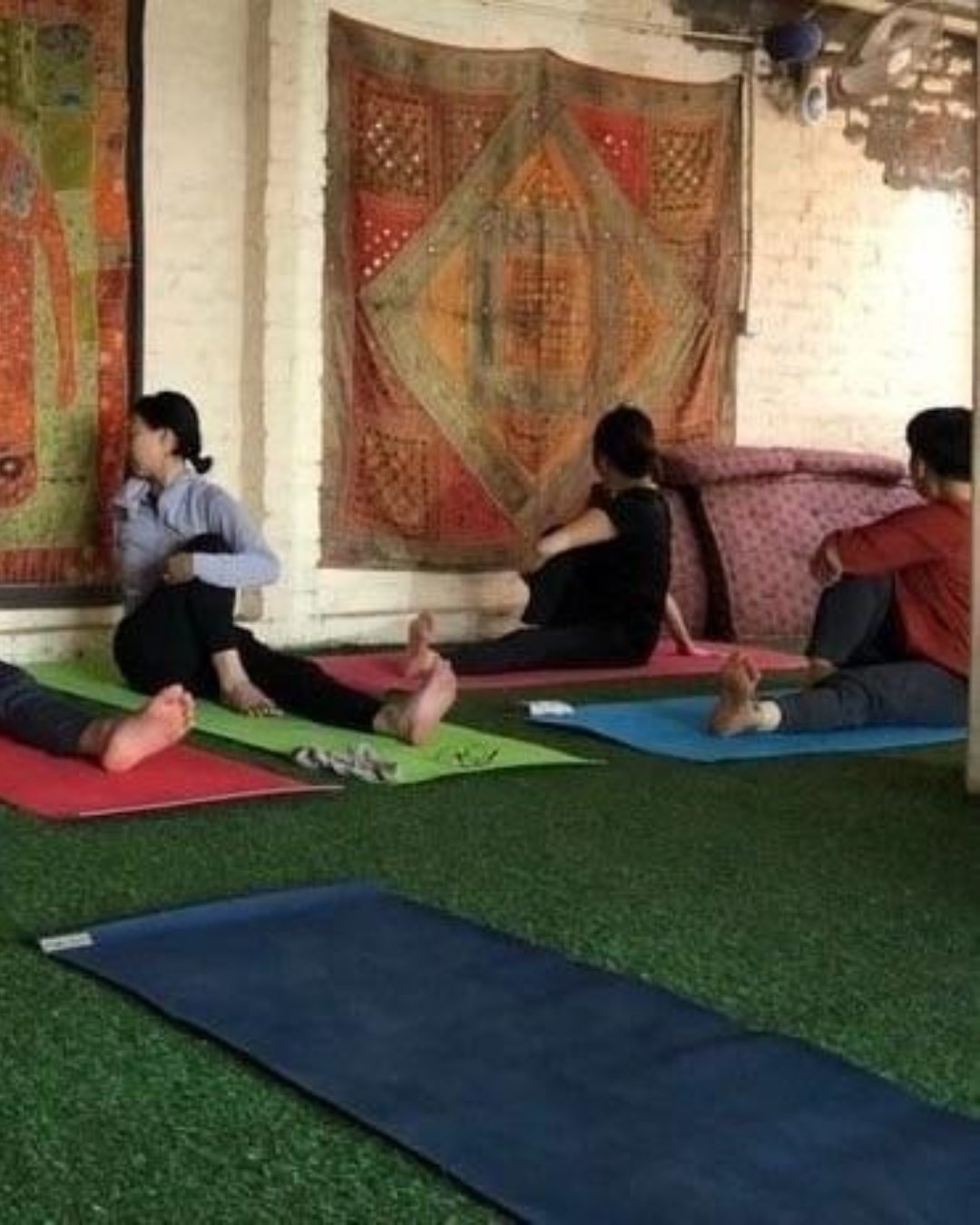
If you only have one session, you're still welcome. Assi Ghat's dawn programme is free and open to anyone: yoga and breathwork by the river as the sun comes up, no booking and no experience needed. Beyond it, dedicated schools across the old city and around Assi run drop-in hatha yoga, pranayama (breathwork) and guided meditation classes you can join for a single morning, and Ayurveda centres offer one-off treatments or a massage. It's the low-commitment way to see whether a teacher or a style suits you before you give it more.
A few days — a 2–5 day short course
Give it several days and the practice starts to settle. A 2-to-5-day short course with a single school lets you build a proper foundation — the basic asanas done slowly and correctly, breathwork, and a first taste of seated meditation — rather than sampling and moving on. Many schools also fold in a little philosophy, so you come away understanding why a practice is done, not just how. This is also the right length for a short Ayurveda or massage introduction, or a themed meditation block, and it fits neatly into a longer Varanasi stay.
A couple of weeks — a 2–3 week immersion
If you can spare two to three weeks, this is where real progress lives. A sustained course — meditation, hatha or a yoga-and-philosophy track — with the same teacher throughout lets the thread carry from one day to the next, which is how this tradition has always been taught. The pace stays unhurried, the emphasis is as much on understanding as on flexibility, and by the end you have something you can keep practising at home rather than a single memorable morning.
Making it work
Most classes are arranged informally — through your guesthouse, a school's noticeboard, or simply by asking — so confirm the price, the length and exactly what's included before you begin, and expect to pay in cash. A single drop-in is usually inexpensive; multi-day and multi-week courses are priced by the week and stay gentle on most budgets. Dress modestly, especially for anything on the ghats, and turn up a little early. Above all, come curious rather than accomplished: teachers here are generous with beginners, and the point isn't mastery in a week but carrying a small, real piece of the practice home with you.
32
MomentAssi Ghat, Varanasi
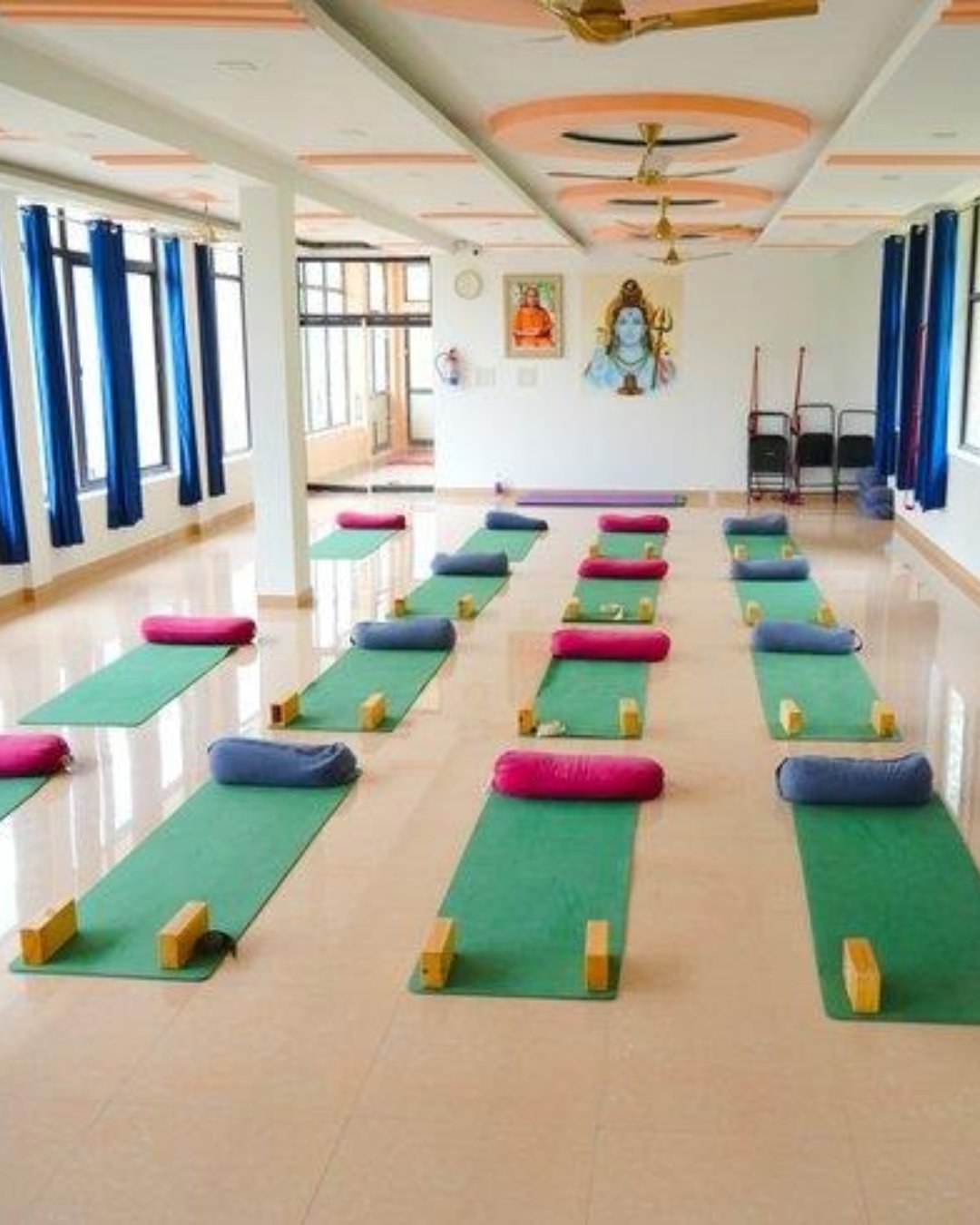
Choosing a School Without Getting Burned
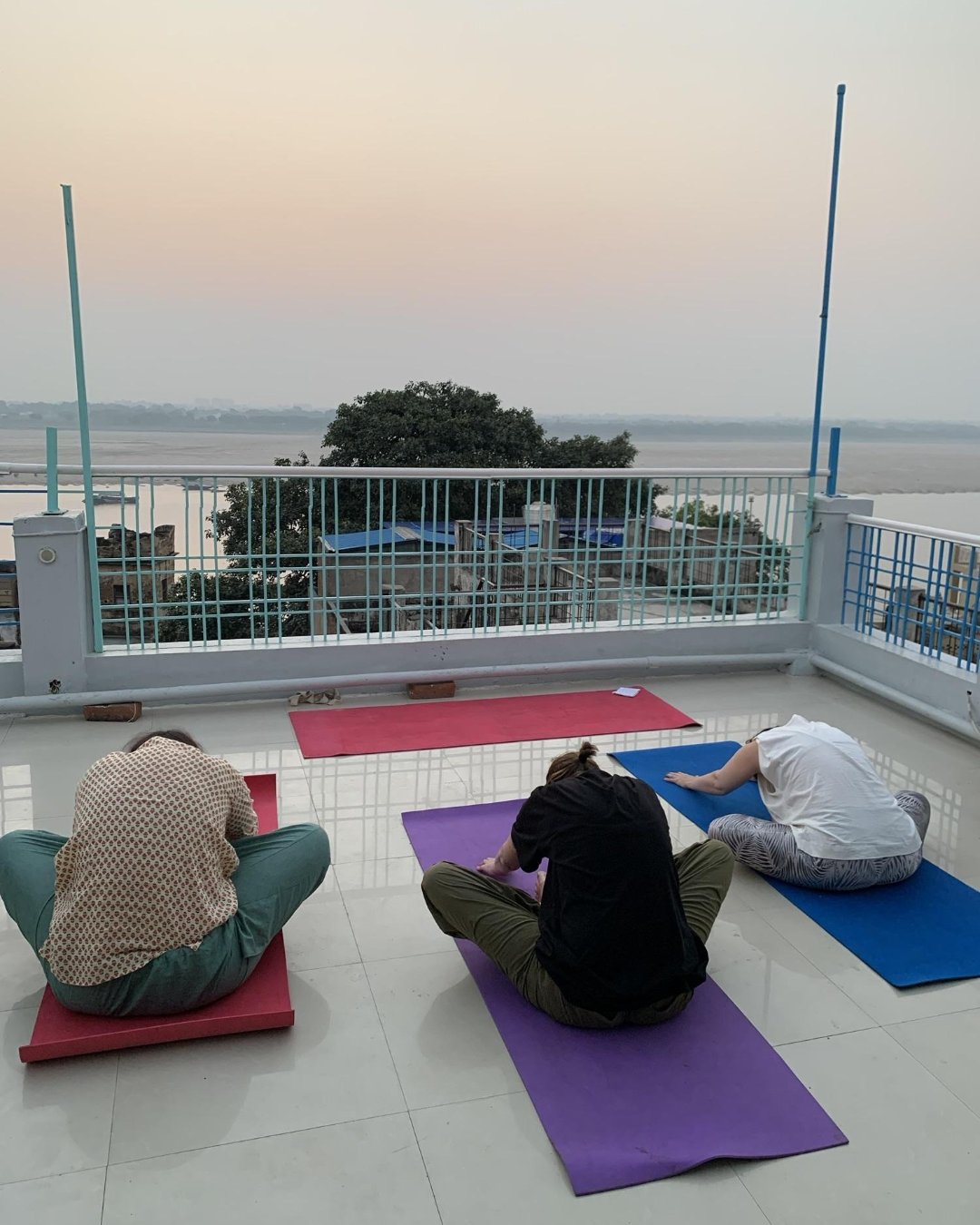
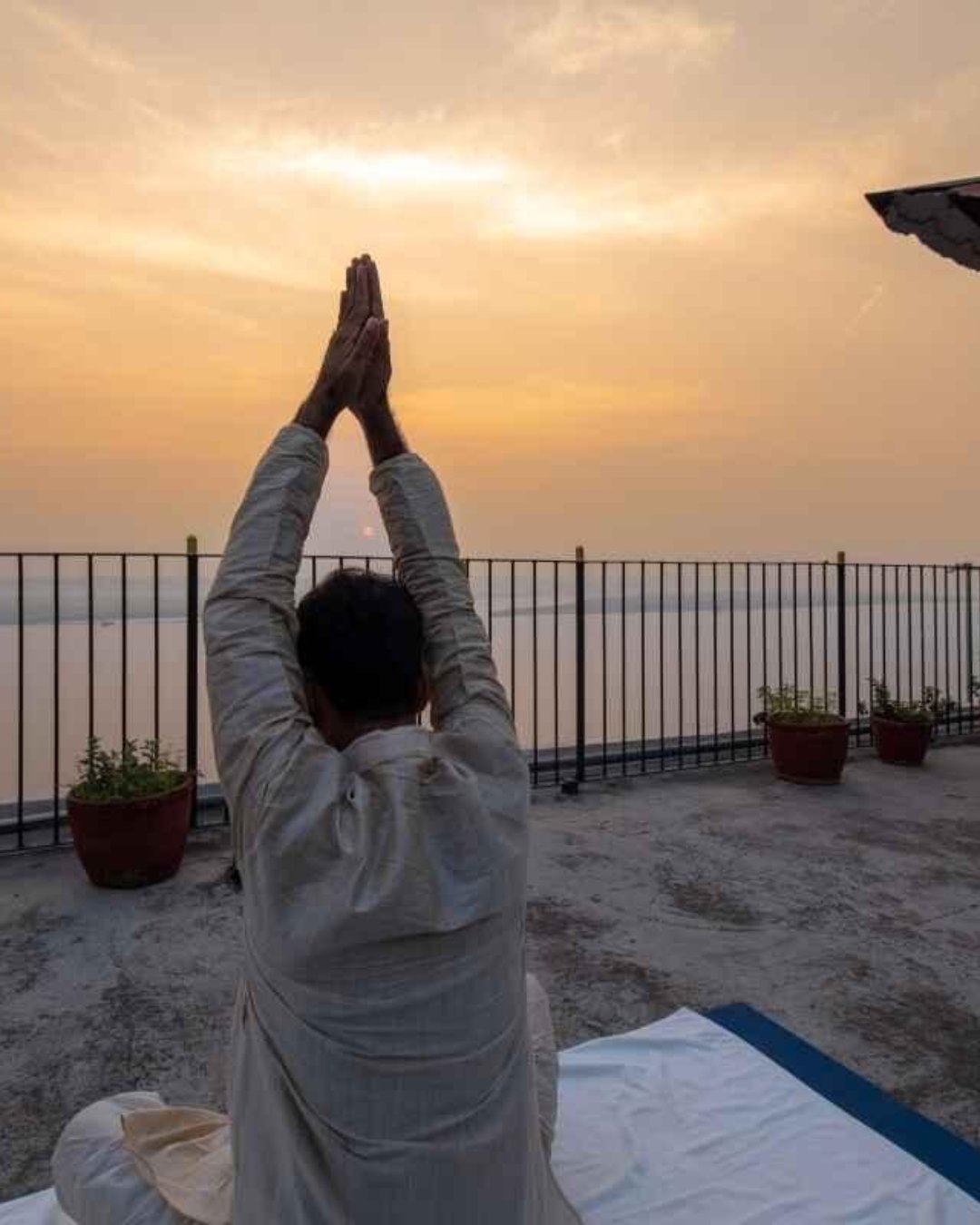
Varanasi has drawn students for centuries, and it still does — people come to practise yoga, sit long meditation courses, and study with a teacher for a week or a whole season. The teaching here can be extraordinary. The trouble is that almost anyone can hang a sign reading "master" or "guru," and the same commission network that steers you toward silk shops works just as hard to steer you toward schools. A guesthouse owner, a rickshaw driver or a friendly stranger who "knows the best yoga school in the city" is very often earning a cut of whatever you pay — and that cut is already baked into the inflated rate you'll be quoted. So slow down, and choose the school yourself rather than being led to one.
Start with the one thing you can actually verify
If a school offers teacher training or advertises a recognised certificate, the single most protective step you can take is to confirm its registration on the Yoga Alliance directory before you pay anything. Yoga Alliance registers schools as RYS 200, RYS 300 or RYS 500 — the number is the hours of teacher training the course is accredited for — and graduates as RYTs (Registered Yoga Teachers). Go to yogaalliance.org, search the school by name, and check that the registration is real, current, and at the level the school claims. A false "Yoga Alliance certified" banner is one of the most common tricks played on visitors, and it takes about two minutes to catch.
Two honest caveats. First, Yoga Alliance is a voluntary, US-based registry, so many genuinely accomplished Indian teachers — especially traditional, lineage-based ones — simply aren't listed; an absence is not proof of a fraud. Second, registration is a minimum standard, not a promise of good teaching. So use the directory for exactly what it's good for: catching false claims and confirming a certificate is worth what you think it is. Then judge the teaching itself with the checks below.
Then work the checklist
Take a trial class first. A genuine teacher will happily give you one. Watch whether they actually teach — listen, correct you, work safely with beginners — or just perform at you and collect the fee.
Never pay for a long course upfront on the strength of one conversation. Pay per class or in small blocks, so you can add sessions if it's going well and walk away cheaply if it isn't.
Talk to current and former students. A teacher worth their reputation has a trail of them, and honest word of mouth beats any five-star board nailed outside the door.
Ask plainly about training and lineage — who they studied under, how long they've taught. Real credentials come with real names and history. Be gently skeptical of grand titles, walls of certificates, and anyone promising to make you "advanced" in a fortnight.
Watch how they handle beginners and injuries before you trust the paperwork. For yoga especially, safe, attentive adjustment matters far more than a framed certificate.
On money and pressure
Agree the rate, the number and length of sessions, and exactly what's included before you begin. Fair prices exist and vary widely, so ask two or three schools directly and compare — the tourist rate you're first quoted is rarely the real one. Above all, trust the quality of the teaching over the size of the claim. Genuine teachers here don't need to hard-sell, chase you down a lane, or pressure you into paying today; if someone's doing all three, that's your signal to walk. Choose on your own terms, verify what can be verified, and the city will give you something worth far more than the fee.
32
MomentSarnath Vipassana Centre – Dhamma Cakka, Kharagaipur
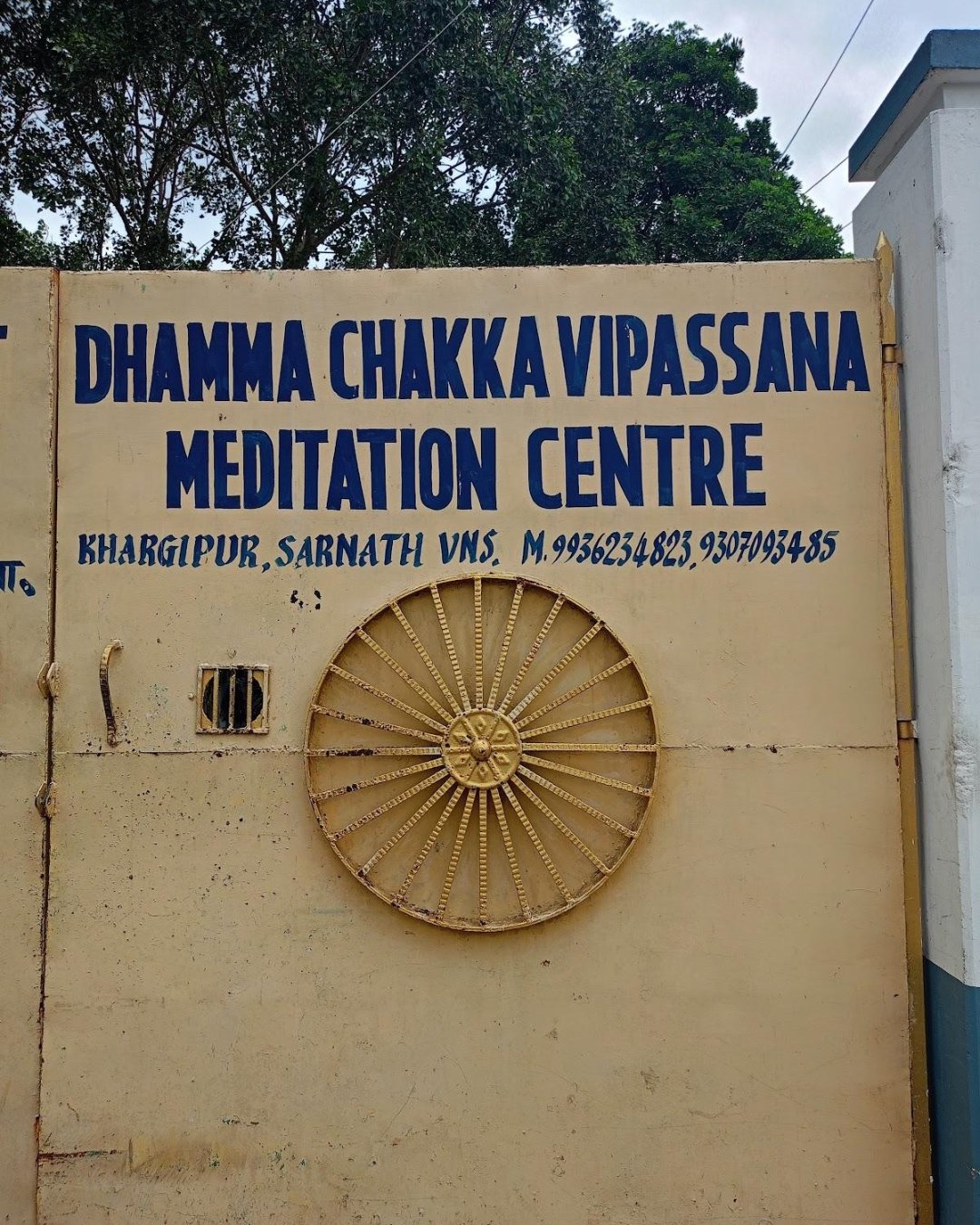
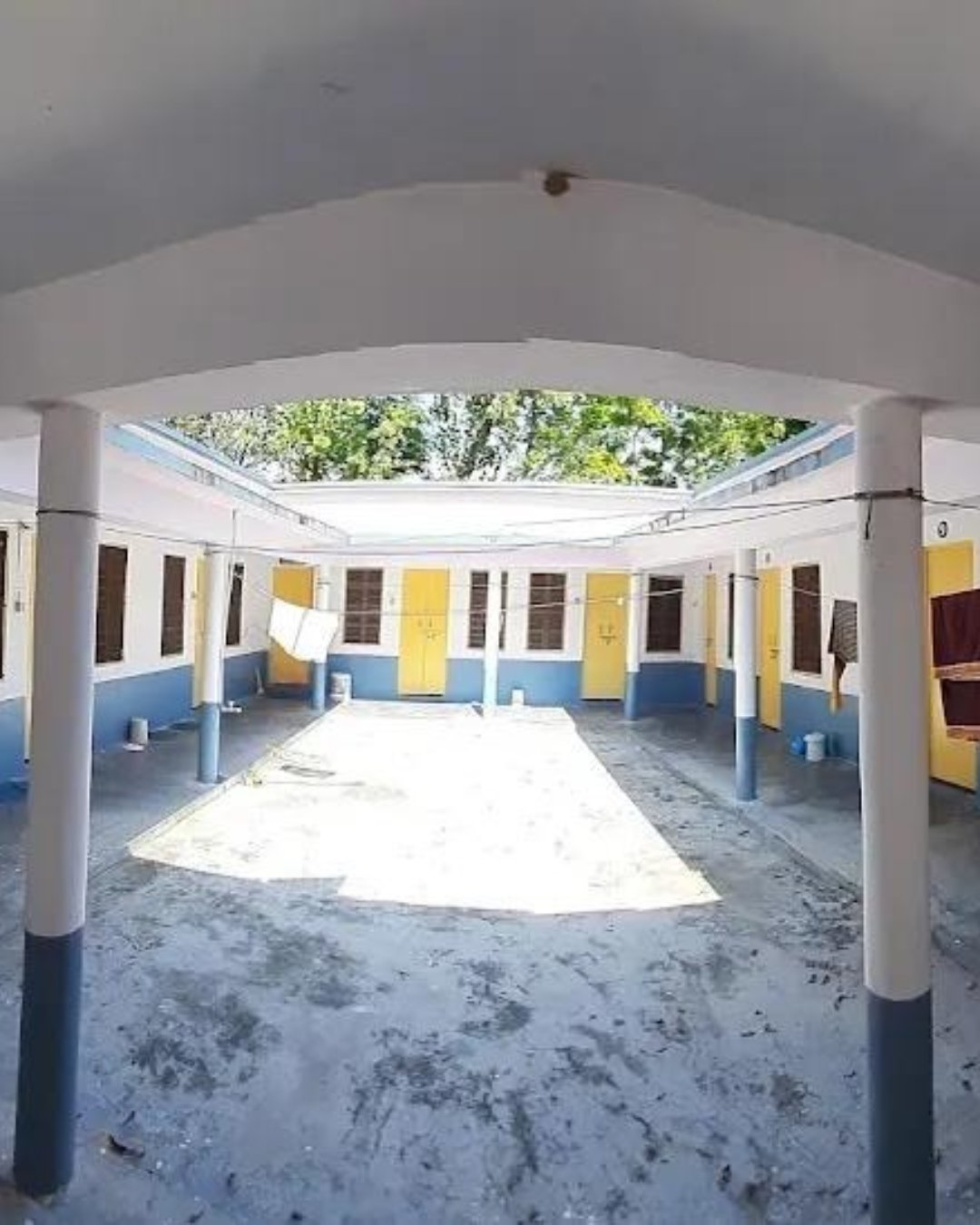
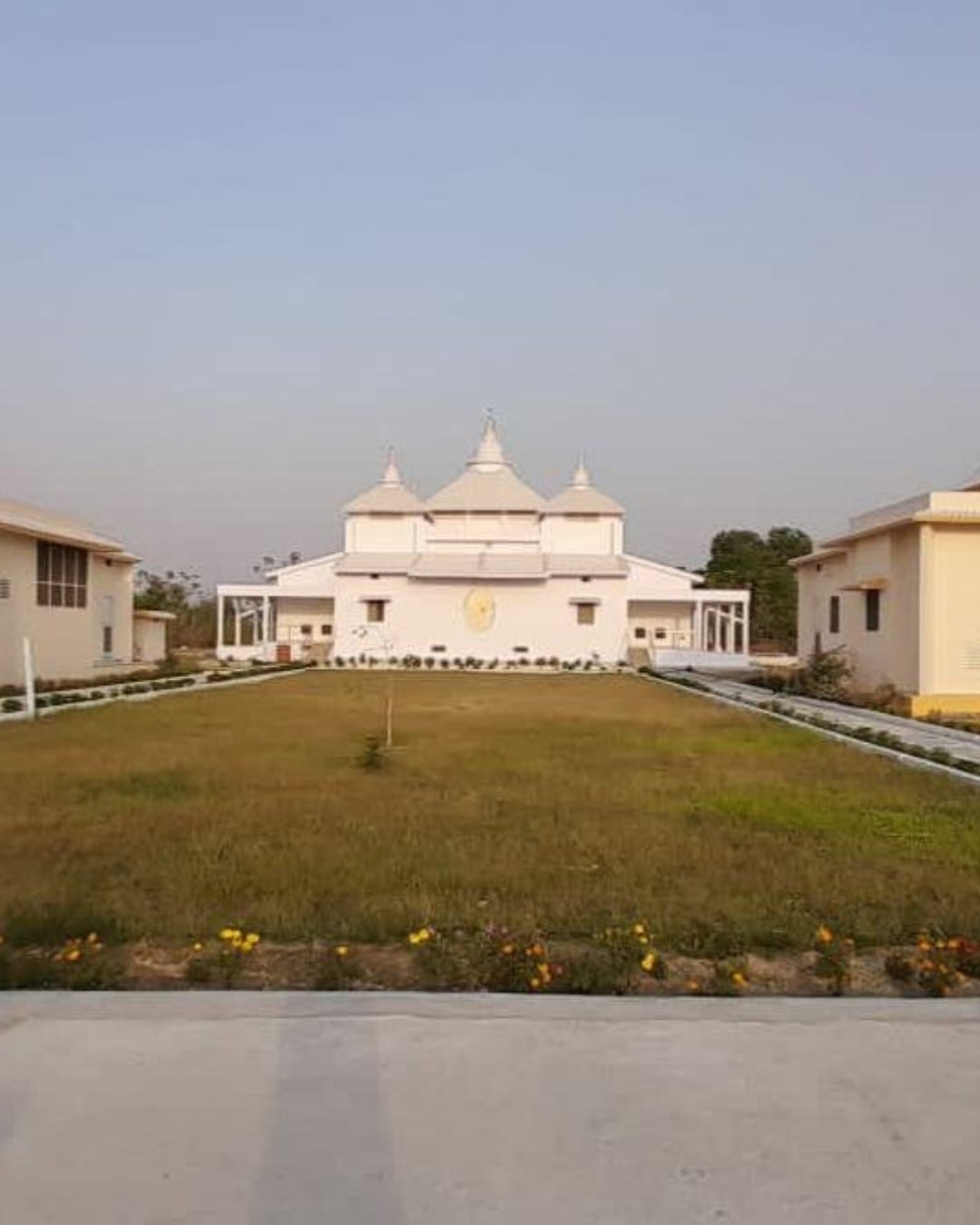
Vipassana Near Sarnath
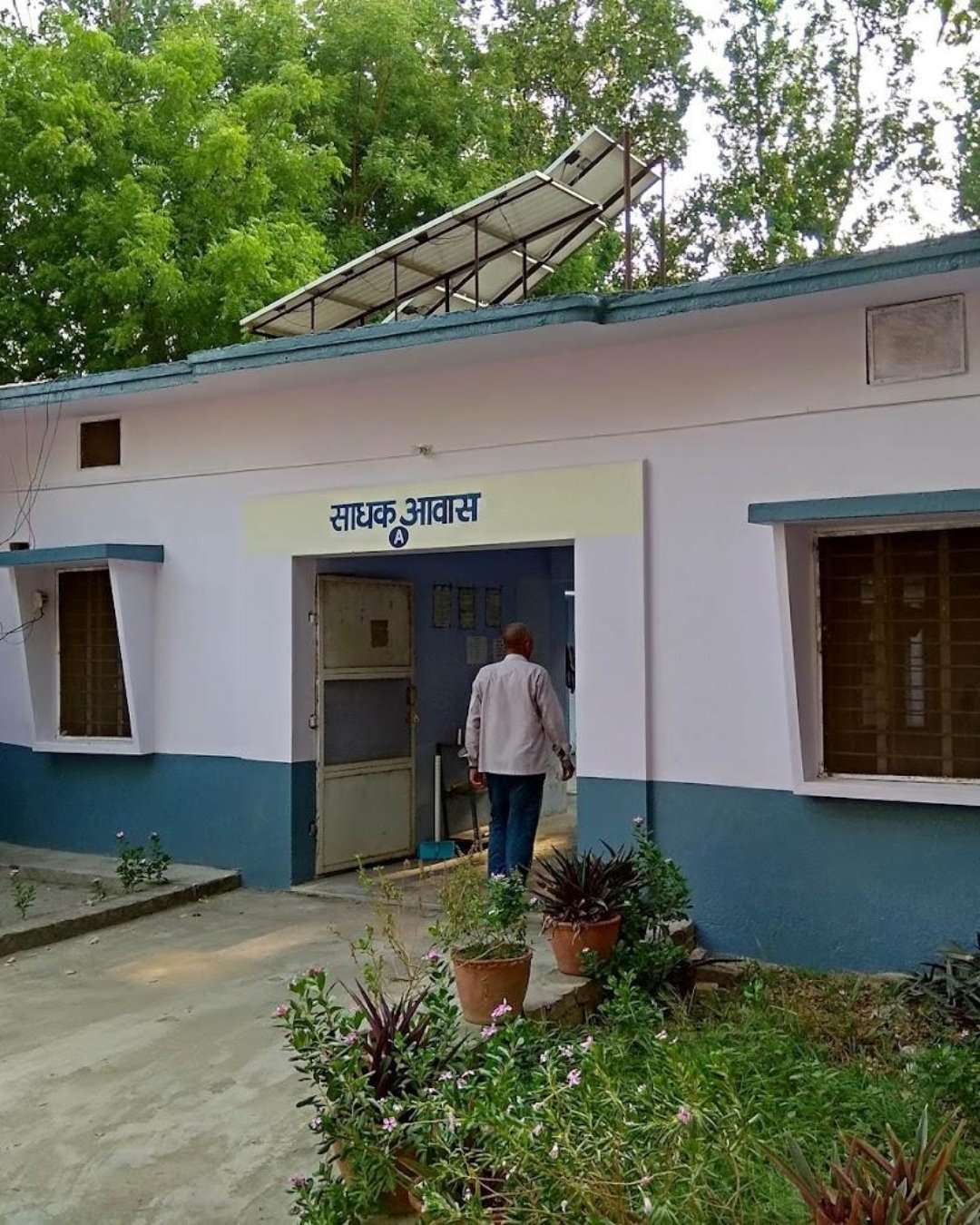
A few kilometres from the Deer Park where the Buddha gave his first sermon, you can do more than visit the birthplace of a 2,500-year-old teaching — you can sit down and practise it. That's what draws people to Dhamma Cakka, the Vipassana meditation centre about four and a half kilometres from Sarnath, on the quiet edge of Varanasi. Its name means "Wheel of Dhamma," and the setting is deliberate: you learn the technique in the same landscape where it was first taught.
Vipassana here is taught in the tradition of S. N. Goenka, in the lineage of the Burmese teacher Sayagyi U Ba Khin. It isn't a retreat in the spa sense, and it isn't tied to any religion you have to adopt. It's a practical technique of self-observation — watching the breath, then the physical sensations of the body — that you learn by doing, intensively, over ten days. The centre runs two ten-day residential courses most months, along with longer Satipatthana, twenty-day and thirty-day courses for those who've already completed the basics.
You should know what you're committing to before you apply. The ten-day course is residential and total: you stay on site the whole time, keep Noble Silence for the first nine days — no talking, no eye contact, no phones, no reading or writing — and follow a monastic timetable that begins around 4:30 a.m. and holds roughly ten hours of meditation a day. Meals are simple and vegetarian, accommodation is basic and single-sex, and the outside world is set aside completely. It is demanding, and it is meant to be; the discipline is the method, not an obstacle to it. A typical day moves in blocks — early sittings before dawn, group meditation in the hall, short breaks to rest or walk the grounds, and a recorded evening discourse that explains what you practised that day and why. There is no fee-per-class, no phone to check, and nothing to organise; the timetable makes every decision for you, which is part of what lets the mind finally settle.
What may surprise you most is the cost: there isn't one. Courses in this tradition are given free of charge — food, lodging and teaching included — funded entirely by donations from past students who sat a course, found it valuable, and wanted to give the same chance to someone else. You can donate only after you've completed a course, and only if you wish to. Nothing is asked of you but your sincerity and your attention.
If this appeals, plan ahead. Places fill and every student must apply and be accepted in advance rather than simply turning up — you register through the centre's online course schedule, and first-time students take the full ten-day course, which is the entry point to everything else. Come with an open mind and no expectations. Whether or not you're drawn to the Buddhist history all around you, ten days of silence a short ride from Sarnath can be the most unexpected and the most lasting thing you take home from Varanasi.
30
MomentSamne Ghat, Varanasi
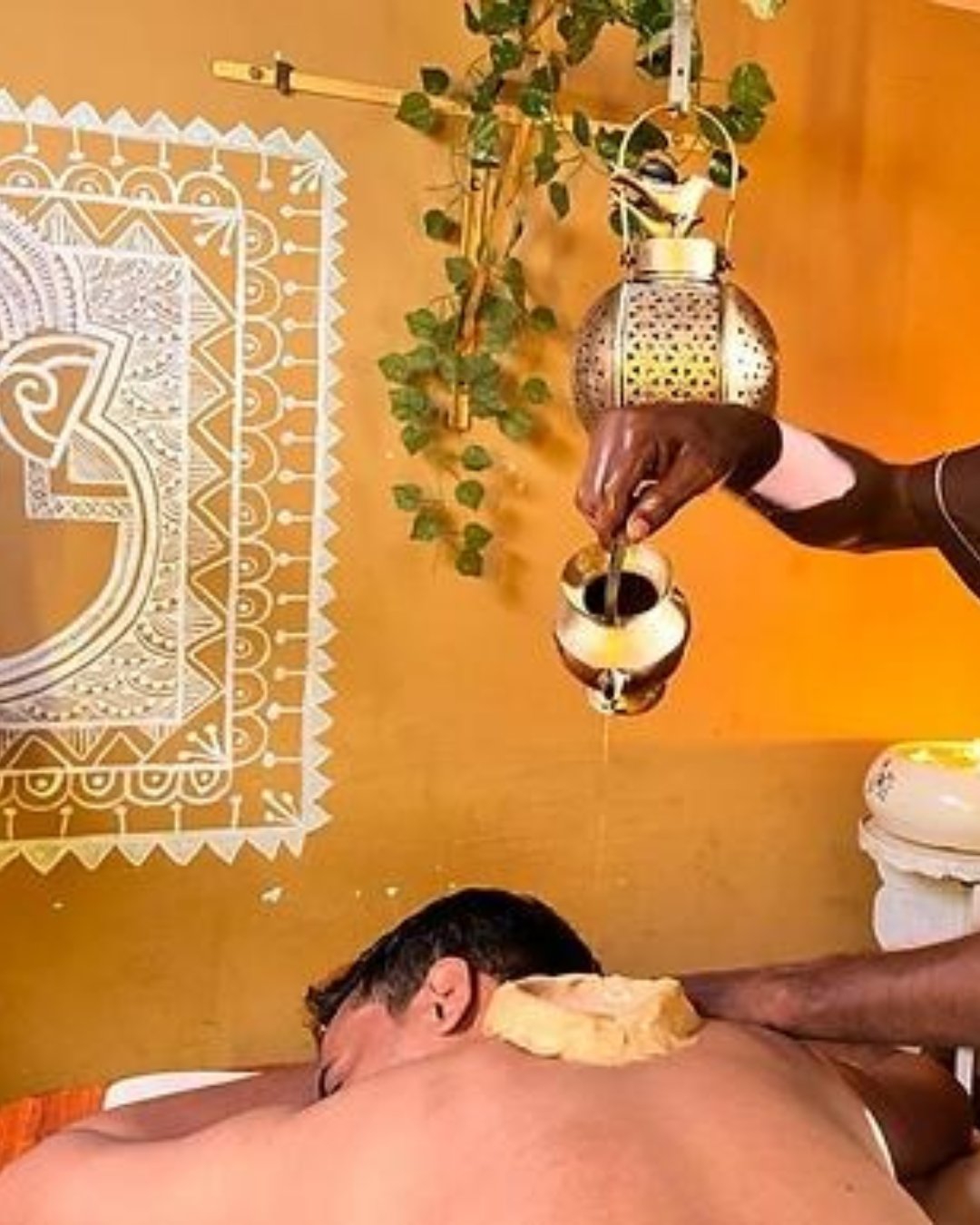
Ayurveda: Real vs Spa
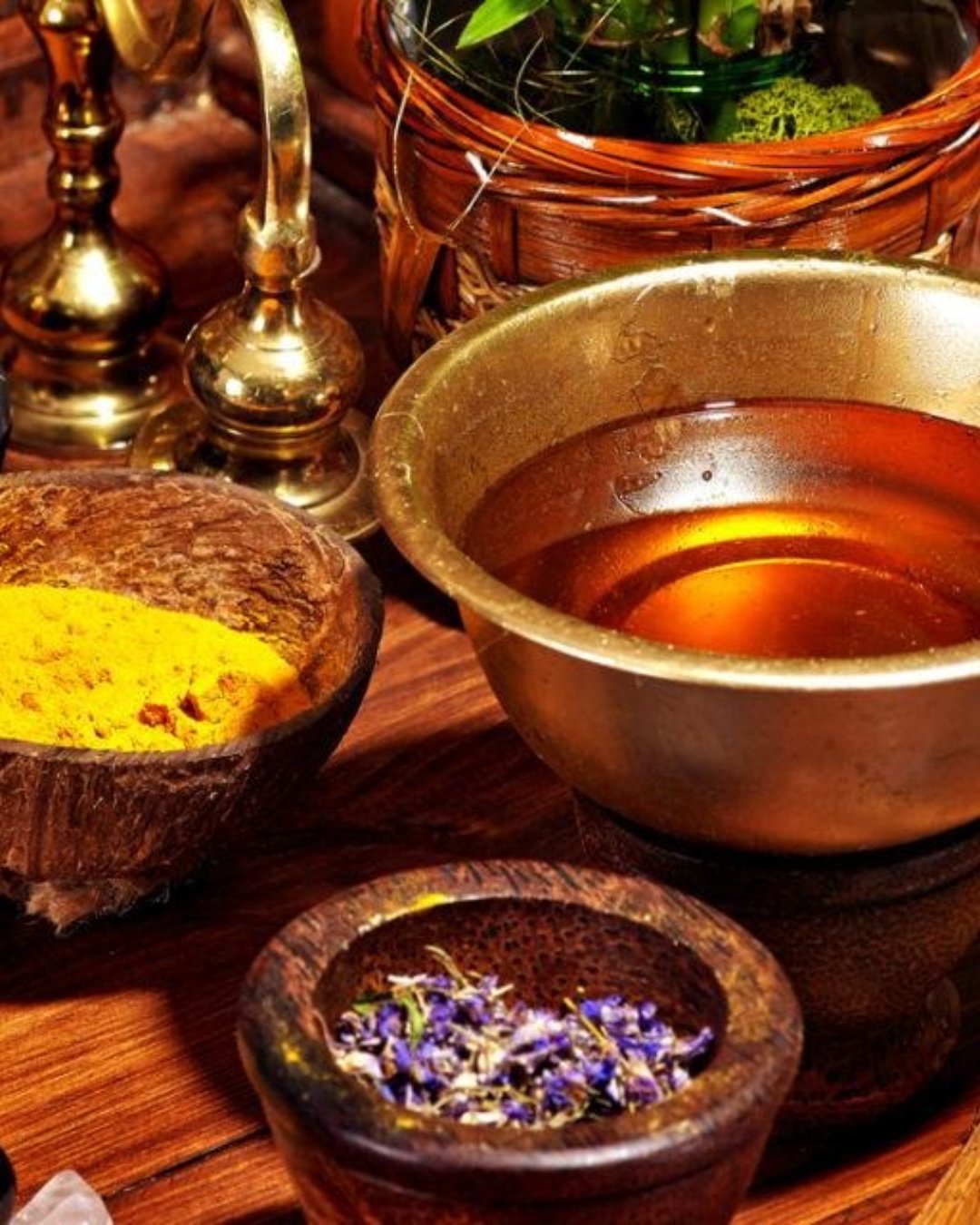
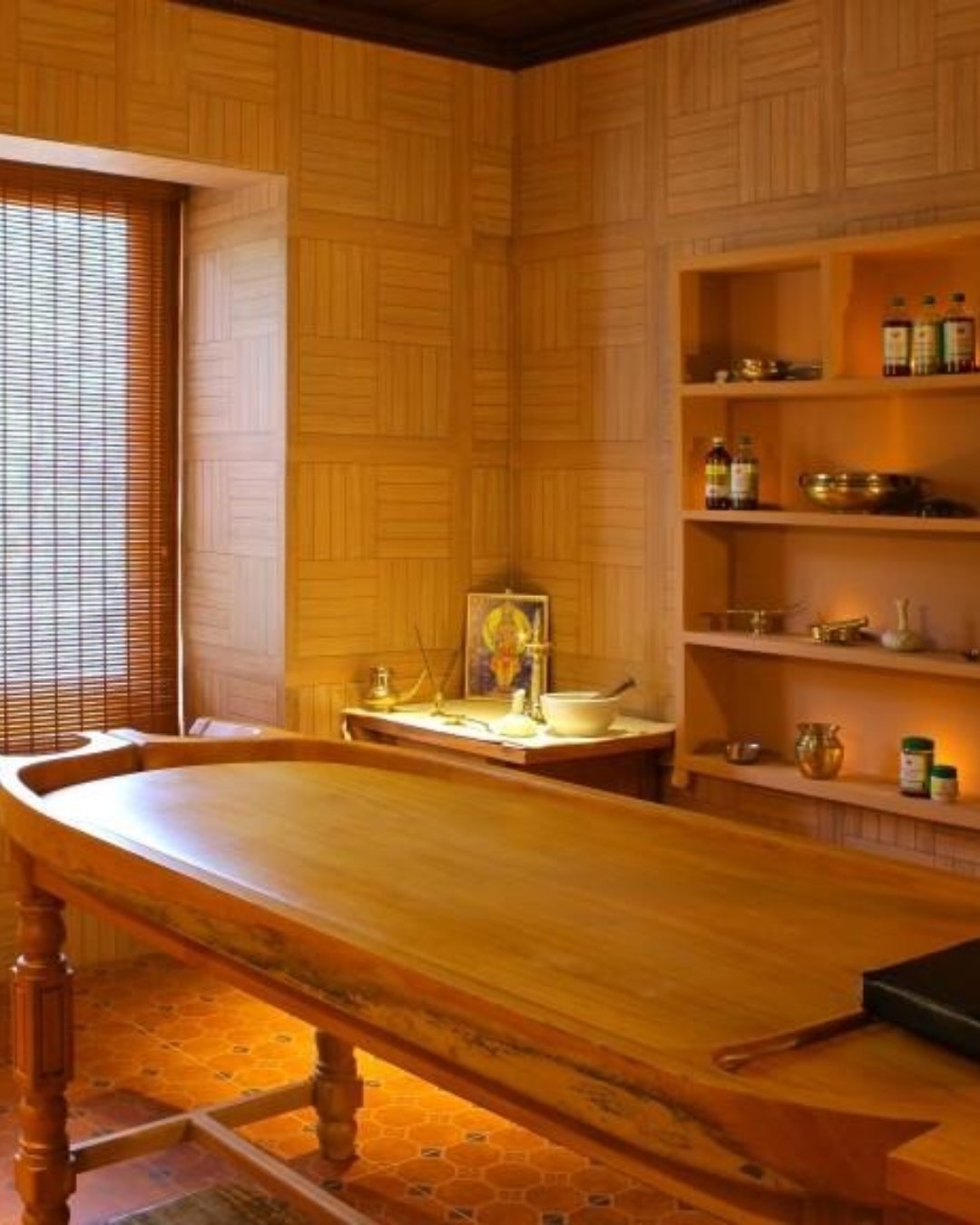
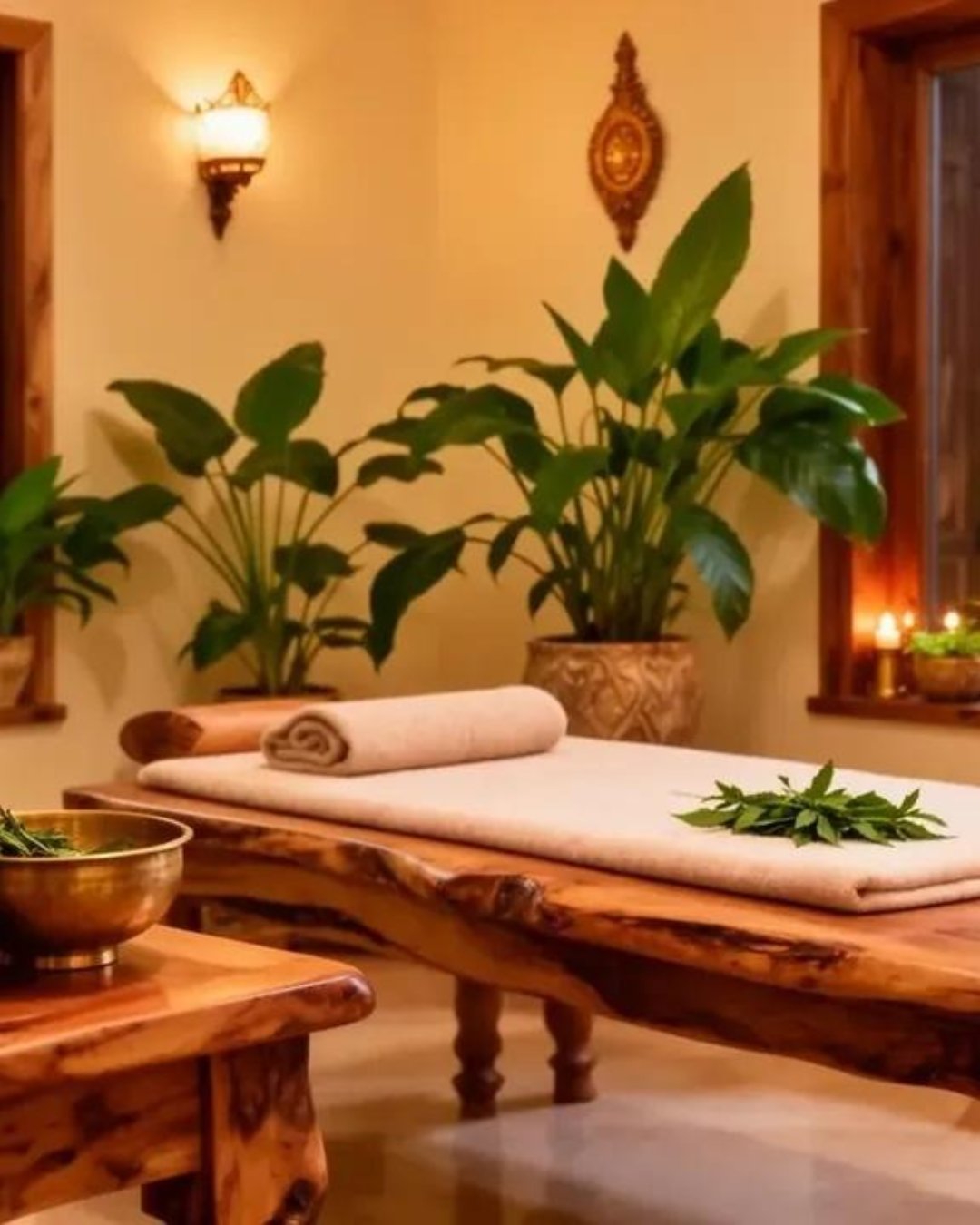
Varanasi is one of India's oldest seats of learning, and Ayurveda has been studied and practised here for centuries — which is exactly why you'll see the word on so many signboards near the ghats. The catch is that "Ayurveda" now covers two very different things, and telling them apart is the whole game. On one side is genuine Ayurvedic medicine: a diagnostic system in which a trained physician reads your constitution and prescribes therapies, herbs and diet to correct an imbalance. On the other is the spa version — a pleasant oil massage in a candlelit room, marketed to travellers as "Ayurvedic" because it uses warm oil and a Sanskrit name. Neither is a scam in itself; the problem is paying medicine prices for, or trusting your health to, something that is really just a massage.
Real Ayurveda begins with a consultation, not a treatment. A qualified vaidya — ideally one with a BAMS degree, the recognised Ayurvedic medical qualification — will take your pulse and ask about your digestion, sleep and history, working out your dosha balance before anyone reaches for the oil. Treatment follows from that diagnosis, and the serious therapies, like panchakarma, run as a supervised course over days or weeks, not a single hour. If a place hands you a menu of treatments with prices but has no doctor and asks no questions, you're looking at a spa, however it's dressed.
Varanasi gives you good options for the real thing. Banaras Hindu University houses one of the country's most respected Faculties of Ayurveda, with a teaching hospital where qualified physicians see patients, and there are long-established registered clinics around the city too. For genuine treatment, start with a recognised institution or a practitioner you can verify — not a riverside sign or a tout's recommendation. Expect it to feel more like seeing a doctor than booking a treat: you may be asked to come back, adjust what you eat, and give the herbs time to work, and the cost usually reflects the consultation and the course rather than a flat per-hour rate.
That doesn't mean you must avoid the spas. A good abhyanga, a warm-oil massage, is genuinely restoring after long days on your feet, and there's nothing wrong with booking one purely for that. Just call it what it is, and hold it to spa standards: clean linens, a professional therapist, oils you can ask about, and a patch test if your skin is sensitive. Be wary of anyone promising to "detox" you, cure a named illness, or fix you in a single session, and of unlicensed operators pushing unlabelled herbal pills or costly "miracle" cures — for anything beyond relaxation, a registered clinic is the safer address.
29
MomentAssi Ghat, Varanasi
Making It Work Practically
A practice asks a little more of you than sightseeing does — early starts, a body you're actually using, a diet that either helps or hinders. A few Varanasi-specific choices make the difference between a course you finish glowing and one you quietly abandon by day three.
The best season to practise
Come in the cool window, roughly October to March, if you possibly can. Dawn on the ghats is crisp and comfortable, and your body moves willingly through morning asana. The pre-monsoon heat of April to June is punishing — by mid-morning the air is too hot for anything but the gentlest seated work, so practice has to happen at first light and after dusk, or not at all. The July-to-September monsoon brings heavy humidity that makes vigorous asana draining and slows recovery, and a high Ganga can flood the lower ghats, so those free riverside dawn sessions may move indoors or pause altogether. If your trip is built around practice, the winter months are the ones that repay you.
Stay in Assi for the dawn starts
Where you sleep quietly decides whether you actually go. The morning programmes and many of the best schools cluster around Assi Ghat at the southern end of the old city, and the good stuff happens at 5 or 6 a.m. Staying in Assi means the difference between a two-minute walk to your mat and a groggy cross-city rickshaw you'll skip after the first day. Pick a guesthouse within walking distance of your school or the ghat, and the early rhythm becomes easy rather than heroic.
What to bring to class
Most schools keep mats, but bring your own if you're particular, and check before you assume. Wear loose, modest clothing you can fold and stretch in — shoulders and knees covered, especially for anything on the ghats — and carry a light shawl or layer: dawns are cool in winter, and you'll want it draped over you during long seated meditation. Add a water bottle, a small notebook for the philosophy that comes with good teaching, and, for Ayurveda or massage sessions, old clothes you don't mind getting oil on. Tie long hair back and keep a hair tie spare.
Let the heat and humidity set the pace
Your body works harder here than at home, so respect it. In warm months, practise at the cool ends of the day and treat midday as rest; hydrate steadily rather than gulping, and don't push into a strong flow when the humidity is high — you'll dehydrate faster than you notice. In the monsoon, everything dries slowly, so air your mat and clothes, and go easier on the intensity than your ego wants. Listening to the weather isn't laziness; it's the practice.
Eat light, and rest properly
A practice runs best on a light, mostly vegetarian, sattvic diet — the kind Varanasi does naturally — and worst on a heavy meal the night before a dawn asana class. Eat simply and early, keep the richest food for after practice rather than before, and be gentle with a new stomach in a new place while your body adjusts. Just as important, don't over-schedule: an immersion plus a full day of sightseeing leaves you too frayed to absorb either. Build in rest, sleep before those early mornings, and let the days stay unhurried — the progress comes from turning up steadily, not from cramming.
Destination
Varanasi, Uttar Pradesh, India
People also ask
01Question
What is Subah-e-Banaras?
Subah-e-Banaras is Varanasi's early-morning cultural and spiritual programme at Assi Ghat, held around sunrise. It brings together Vedic chants, prayers, yoga, meditation and classical music, creating a peaceful way to experience the Ganga as the city wakes up. The programme was launched in 2014.
02Question
What time is Subah-e-Banaras?
Subah-e-Banaras takes place every morning at Assi Ghat, before sunrise. The exact start time changes with the season — roughly 5:00–5:30AM in summer and 5:30–6:15 AM in winter. It includes Vedic chanting, Ganga prayers, classical music and yoga.
03Question
Is Subah-e-Banaras free?
Yes. Subah-e-Banaras is a free daily morning programme at New Assi Ghat. It begins before sunrise and combines Vedic chanting, aarti, classical music, yoga and other cultural activities. The official site explicitly states that the event “remains free every day.”
04Question
Where can I do yoga in Varanasi?
Assi Ghat is the best place to start. You can join the free Subah-e-Banaras morning programme, which includes yoga, Vedic chanting and music before sunrise.
For a structured class, there are several yoga schools around Assi, Bhelupur and the old-city area
05Question
How do I choose a genuine yoga school?
Choose a school that is transparent about its teachers, yoga tradition, curriculum, fees and safety practices. If you're considering teacher training, check whether the school has a recognised credential such as Yoga Alliance's RYS designation, and verify the school's listing rather than trusting a logo on its website.
✅ Check the teacher's qualifications and experience
✅ Ask which yoga tradition/style is taught
✅ Look for a clear class structure and curriculum
✅ Check independent reviews, not just testimonials on the school's own website
✅ Confirm the full price and what's included
🚩 Avoid schools promising instant healing, enlightenment or miraculous results
06Question
Can I do Vipassana near Varanasi?
Yes. The main option is the Sarnath Vipassana Centre – Dhamma Cakka, located in Khargipur, Sarnath, Varanasi, about 4.5 km from the Deer Park where the Buddha gave his first discourse. It offers Vipassana courses in the tradition of S. N. Goenka.
This is not a casual drop-in meditation class. The centre primarily runs 10-day residential Vipassana courses; its 1–3 day short courses are generally for old students who have previously completed a qualifying course. Registration is required.
07Question
Is Varanasi or Rishikesh better for yoga?
For a yoga experience woven into India's spiritual and cultural life, we'd choose Varanasi. At Assi Ghat, you can practise yoga at sunrise with the Ganga, Vedic chanting, classical music and morning rituals happening around you. The official Kashi portal specifically highlights yoga as part of the daily Subah-e-Banaras experience.
Experience layers
Go further into one part of this trip.