

Ayurveda: Real vs Spa
Samne Ghat, Varanasi, India
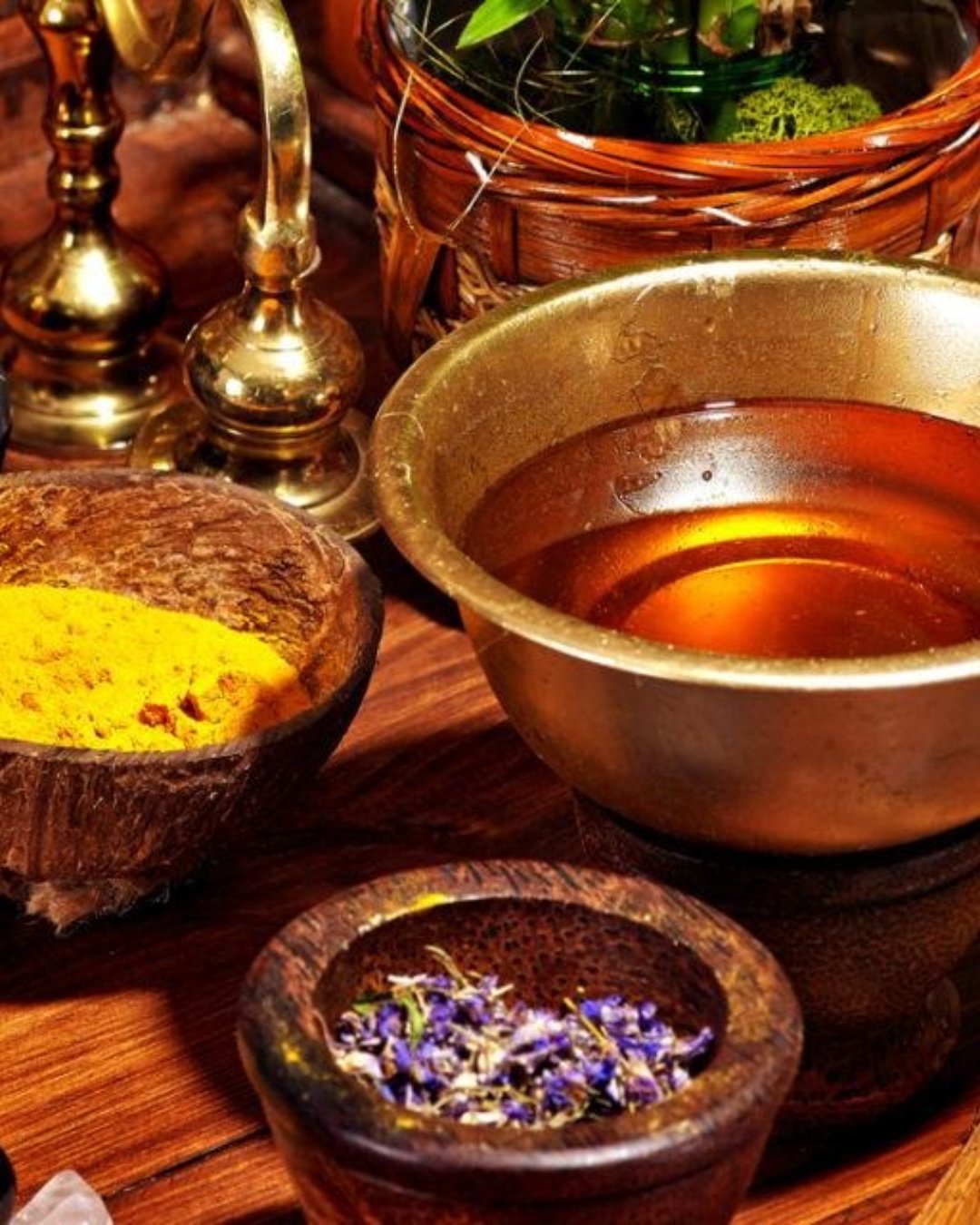
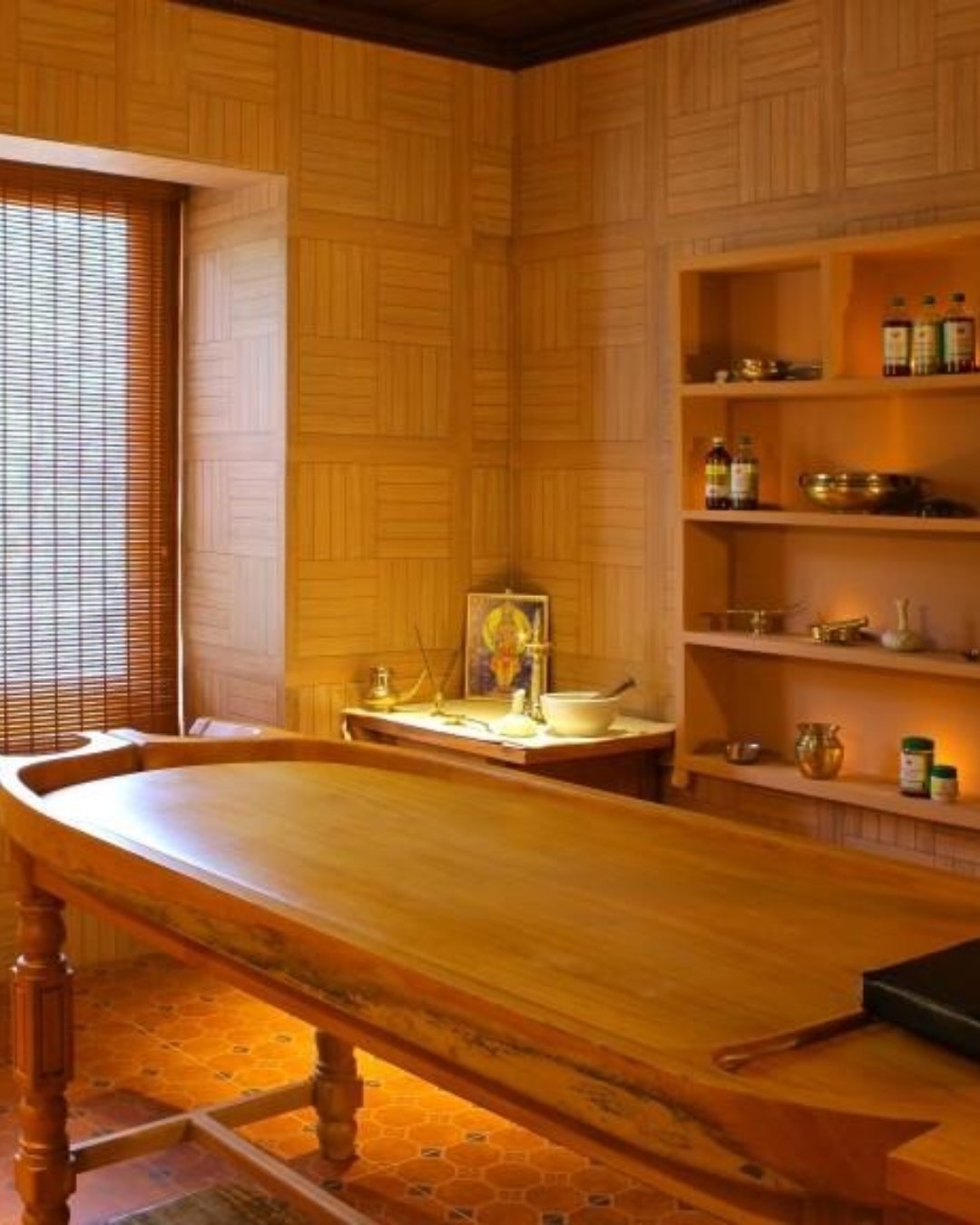
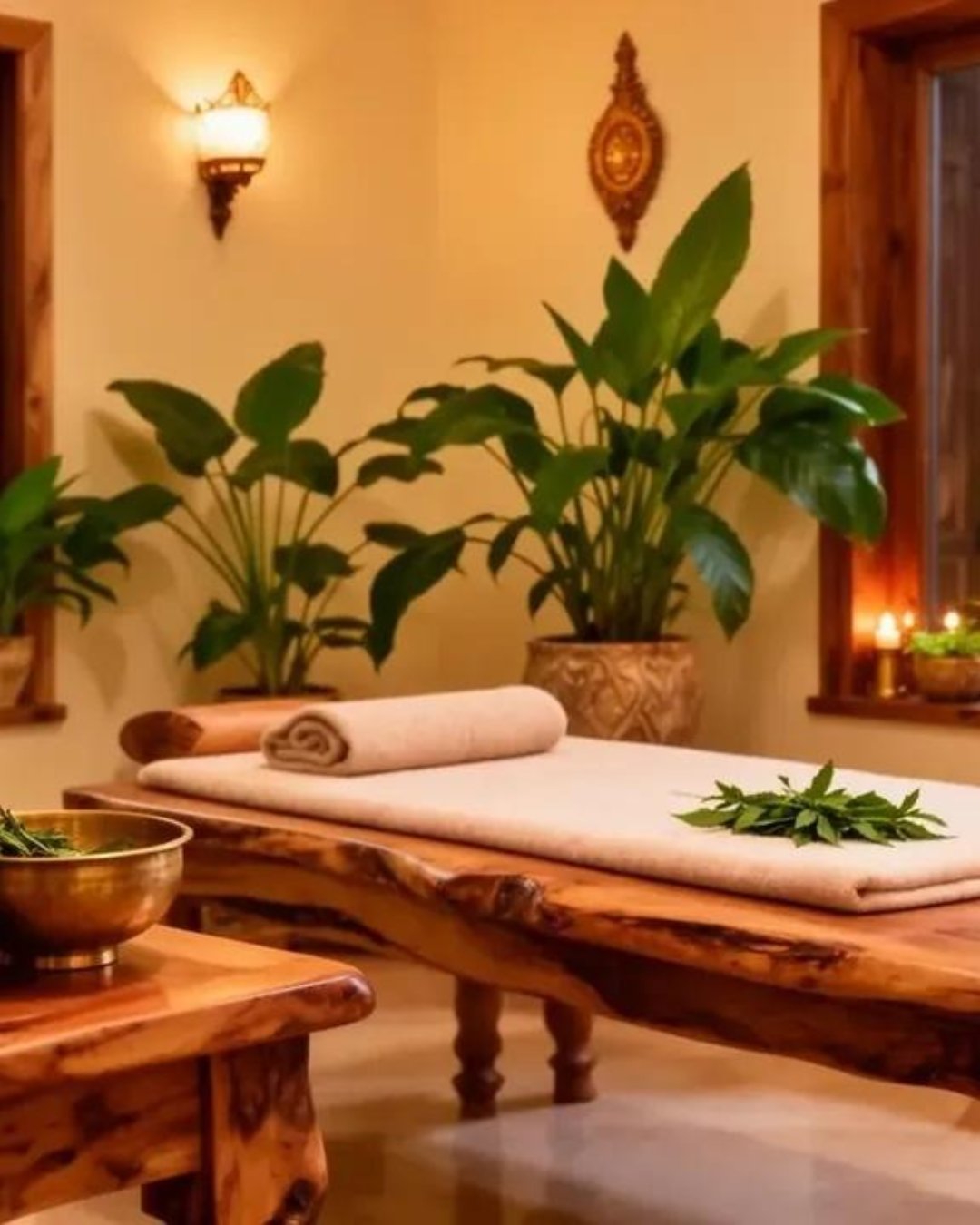
Varanasi is one of India's oldest seats of learning, and Ayurveda has been studied and practised here for centuries — which is exactly why you'll see the word on so many signboards near the ghats. The catch is that "Ayurveda" now covers two very different things, and telling them apart is the whole game. On one side is genuine Ayurvedic medicine: a diagnostic system in which a trained physician reads your constitution and prescribes therapies, herbs and diet to correct an imbalance. On the other is the spa version — a pleasant oil massage in a candlelit room, marketed to travellers as "Ayurvedic" because it uses warm oil and a Sanskrit name. Neither is a scam in itself; the problem is paying medicine prices for, or trusting your health to, something that is really just a massage.
Real Ayurveda begins with a consultation, not a treatment. A qualified vaidya — ideally one with a BAMS degree, the recognised Ayurvedic medical qualification — will take your pulse and ask about your digestion, sleep and history, working out your dosha balance before anyone reaches for the oil. Treatment follows from that diagnosis, and the serious therapies, like panchakarma, run as a supervised course over days or weeks, not a single hour. If a place hands you a menu of treatments with prices but has no doctor and asks no questions, you're looking at a spa, however it's dressed.
Varanasi gives you good options for the real thing. Banaras Hindu University houses one of the country's most respected Faculties of Ayurveda, with a teaching hospital where qualified physicians see patients, and there are long-established registered clinics around the city too. For genuine treatment, start with a recognised institution or a practitioner you can verify — not a riverside sign or a tout's recommendation. Expect it to feel more like seeing a doctor than booking a treat: you may be asked to come back, adjust what you eat, and give the herbs time to work, and the cost usually reflects the consultation and the course rather than a flat per-hour rate.
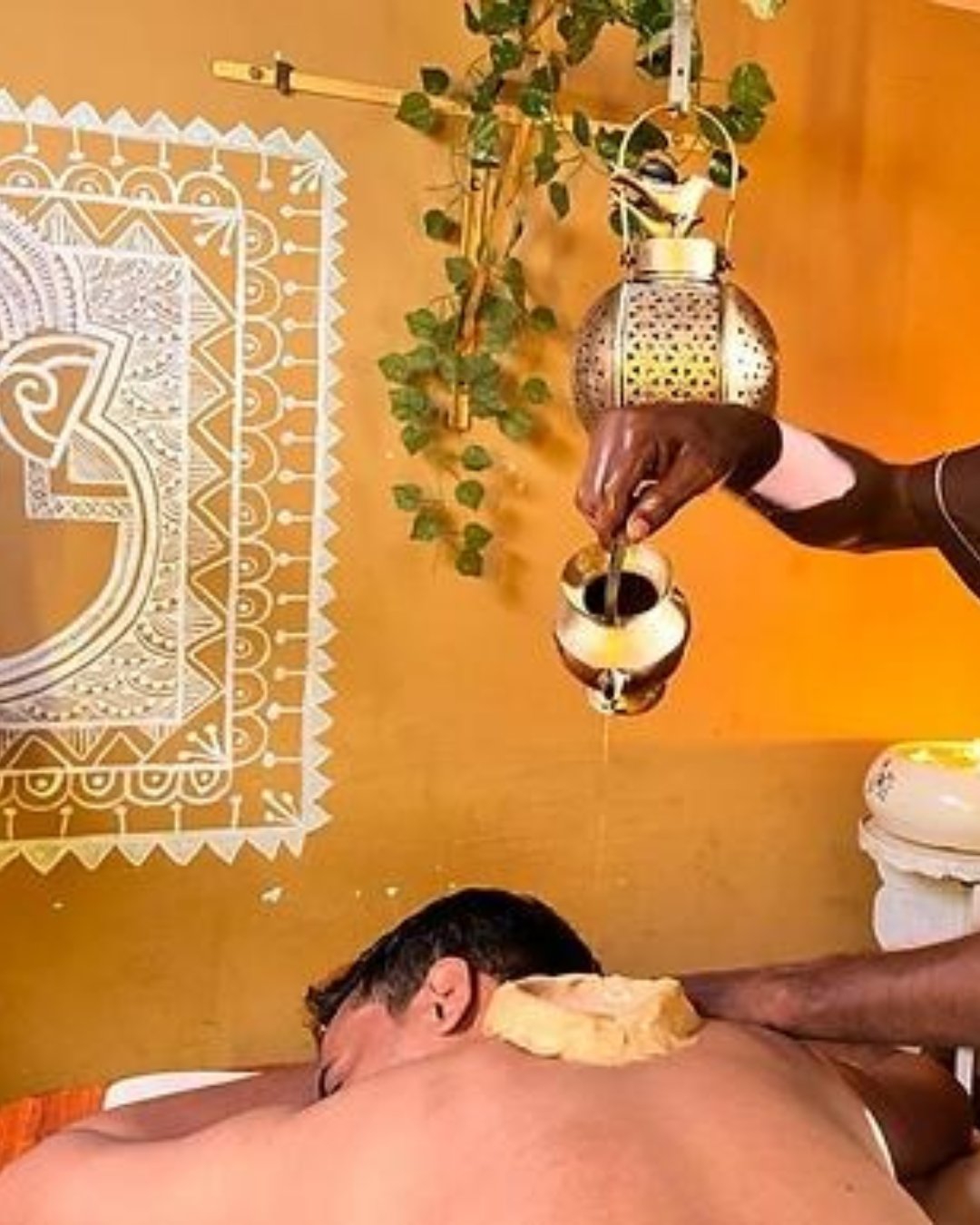
That doesn't mean you must avoid the spas. A good abhyanga, a warm-oil massage, is genuinely restoring after long days on your feet, and there's nothing wrong with booking one purely for that. Just call it what it is, and hold it to spa standards: clean linens, a professional therapist, oils you can ask about, and a patch test if your skin is sensitive. Be wary of anyone promising to "detox" you, cure a named illness, or fix you in a single session, and of unlicensed operators pushing unlabelled herbal pills or costly "miracle" cures — for anything beyond relaxation, a registered clinic is the safer address.