

Vipassana Near Sarnath
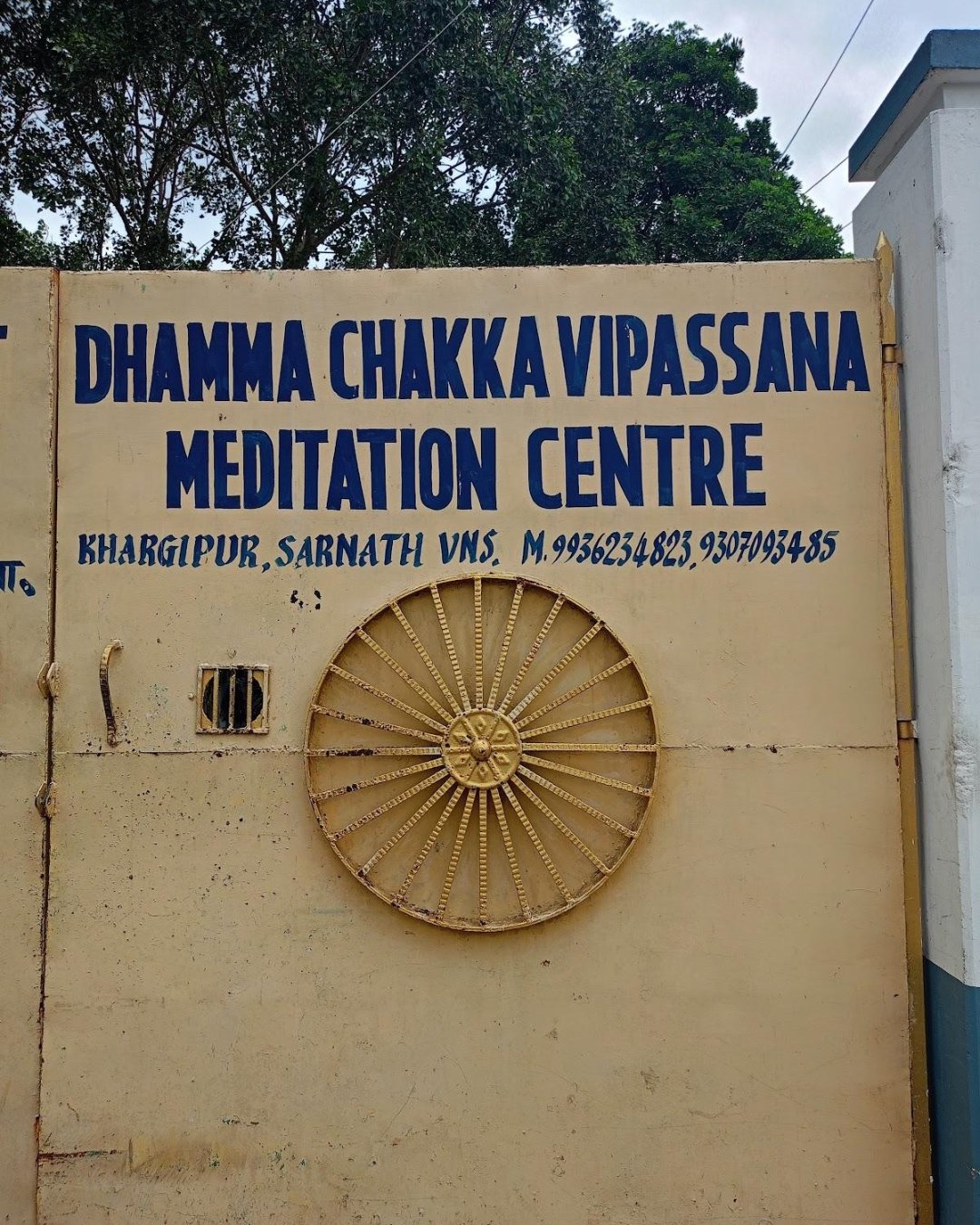
Sarnath Vipassana Centre – Dhamma Cakka, Kharagaipur, India
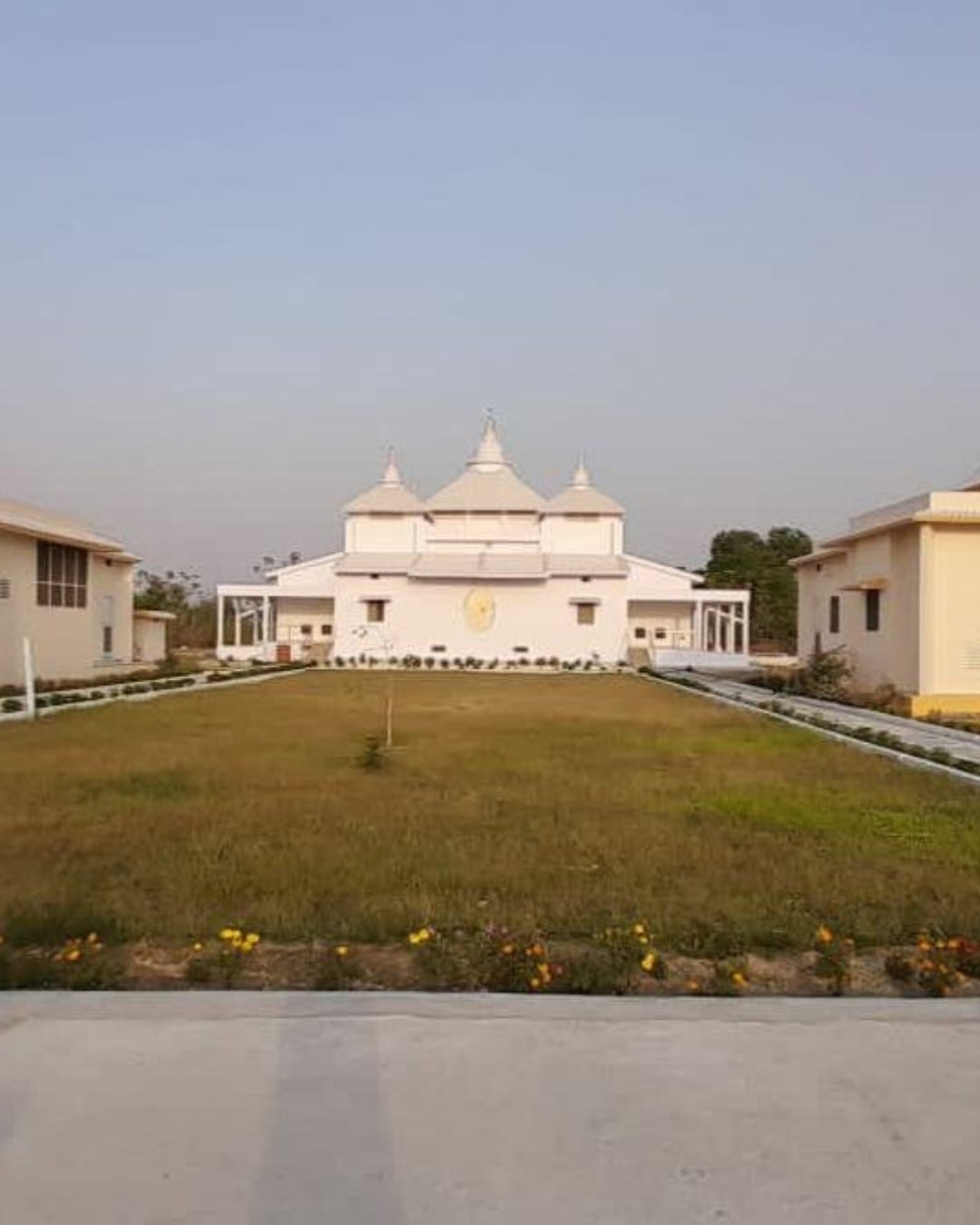
A few kilometres from the Deer Park where the Buddha gave his first sermon, you can do more than visit the birthplace of a 2,500-year-old teaching — you can sit down and practise it. That's what draws people to Dhamma Cakka, the Vipassana meditation centre about four and a half kilometres from Sarnath, on the quiet edge of Varanasi. Its name means "Wheel of Dhamma," and the setting is deliberate: you learn the technique in the same landscape where it was first taught.
Vipassana here is taught in the tradition of S. N. Goenka, in the lineage of the Burmese teacher Sayagyi U Ba Khin. It isn't a retreat in the spa sense, and it isn't tied to any religion you have to adopt. It's a practical technique of self-observation — watching the breath, then the physical sensations of the body — that you learn by doing, intensively, over ten days. The centre runs two ten-day residential courses most months, along with longer Satipatthana, twenty-day and thirty-day courses for those who've already completed the basics.
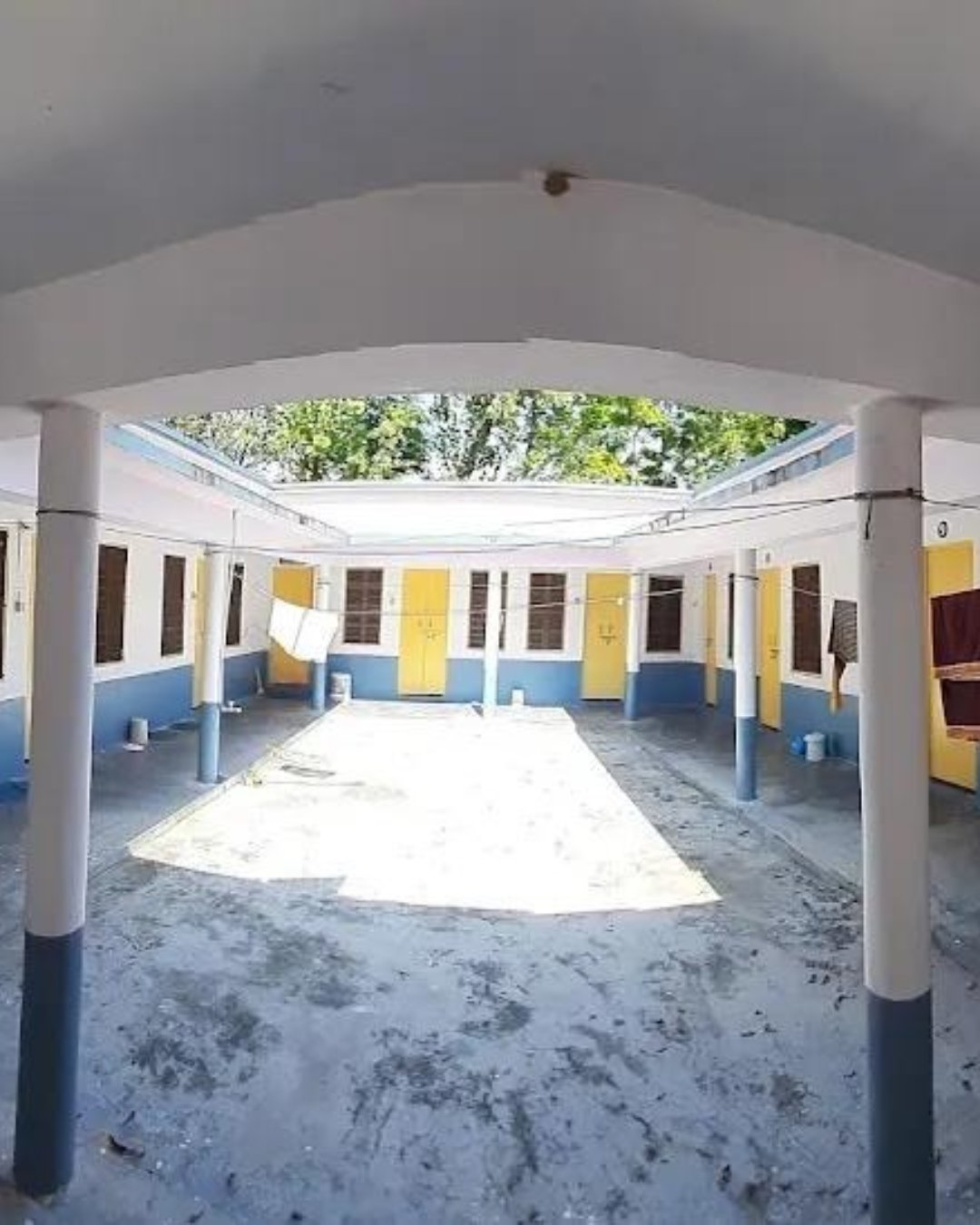
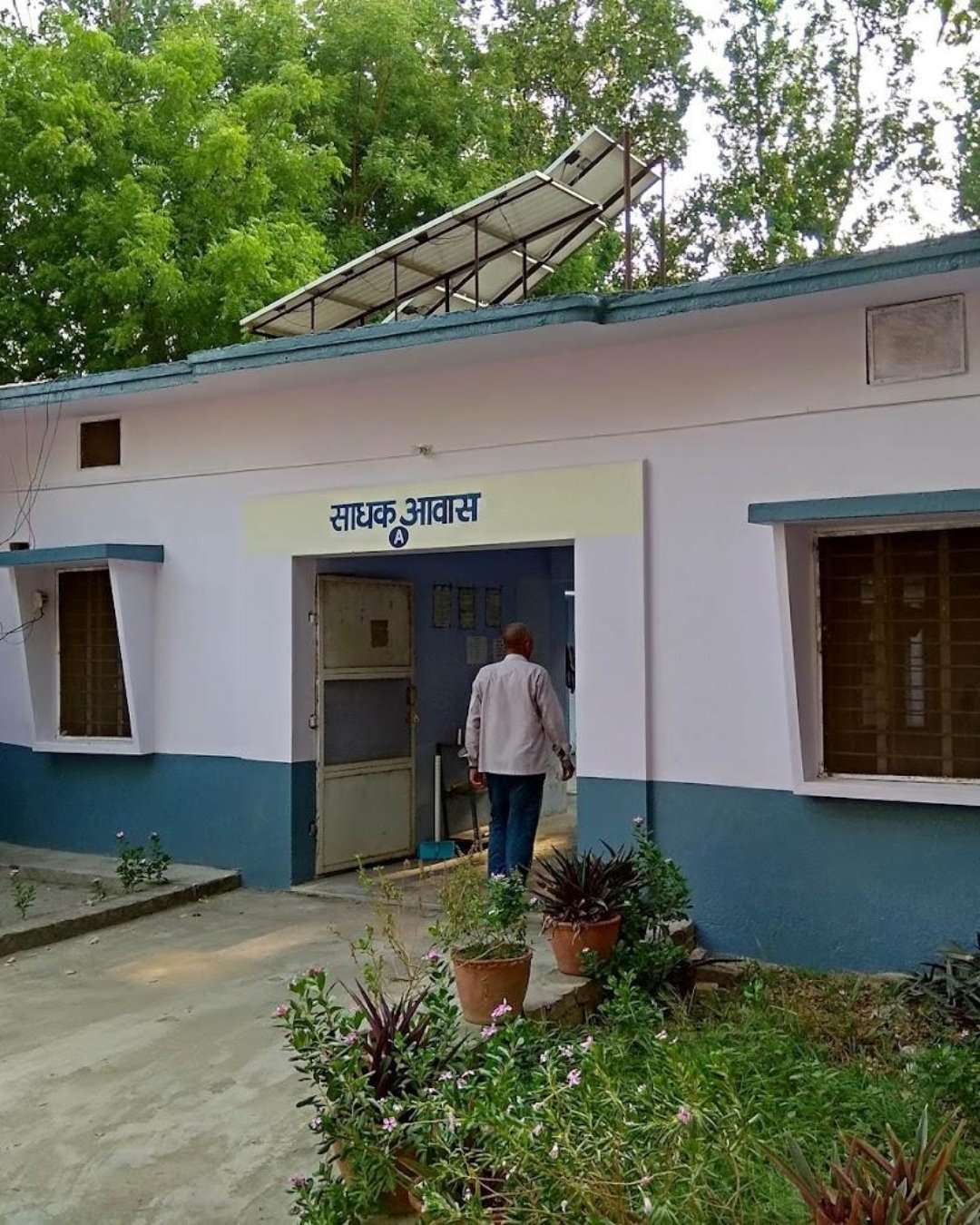
You should know what you're committing to before you apply. The ten-day course is residential and total: you stay on site the whole time, keep Noble Silence for the first nine days — no talking, no eye contact, no phones, no reading or writing — and follow a monastic timetable that begins around 4:30 a.m. and holds roughly ten hours of meditation a day. Meals are simple and vegetarian, accommodation is basic and single-sex, and the outside world is set aside completely. It is demanding, and it is meant to be; the discipline is the method, not an obstacle to it. A typical day moves in blocks — early sittings before dawn, group meditation in the hall, short breaks to rest or walk the grounds, and a recorded evening discourse that explains what you practised that day and why. There is no fee-per-class, no phone to check, and nothing to organise; the timetable makes every decision for you, which is part of what lets the mind finally settle.
What may surprise you most is the cost: there isn't one. Courses in this tradition are given free of charge — food, lodging and teaching included — funded entirely by donations from past students who sat a course, found it valuable, and wanted to give the same chance to someone else. You can donate only after you've completed a course, and only if you wish to. Nothing is asked of you but your sincerity and your attention.
If this appeals, plan ahead. Places fill and every student must apply and be accepted in advance rather than simply turning up — you register through the centre's online course schedule, and first-time students take the full ten-day course, which is the entry point to everything else. Come with an open mind and no expectations. Whether or not you're drawn to the Buddhist history all around you, ten days of silence a short ride from Sarnath can be the most unexpected and the most lasting thing you take home from Varanasi.