

Choosing a School Without Getting Burned
Assi Ghat, Varanasi, India
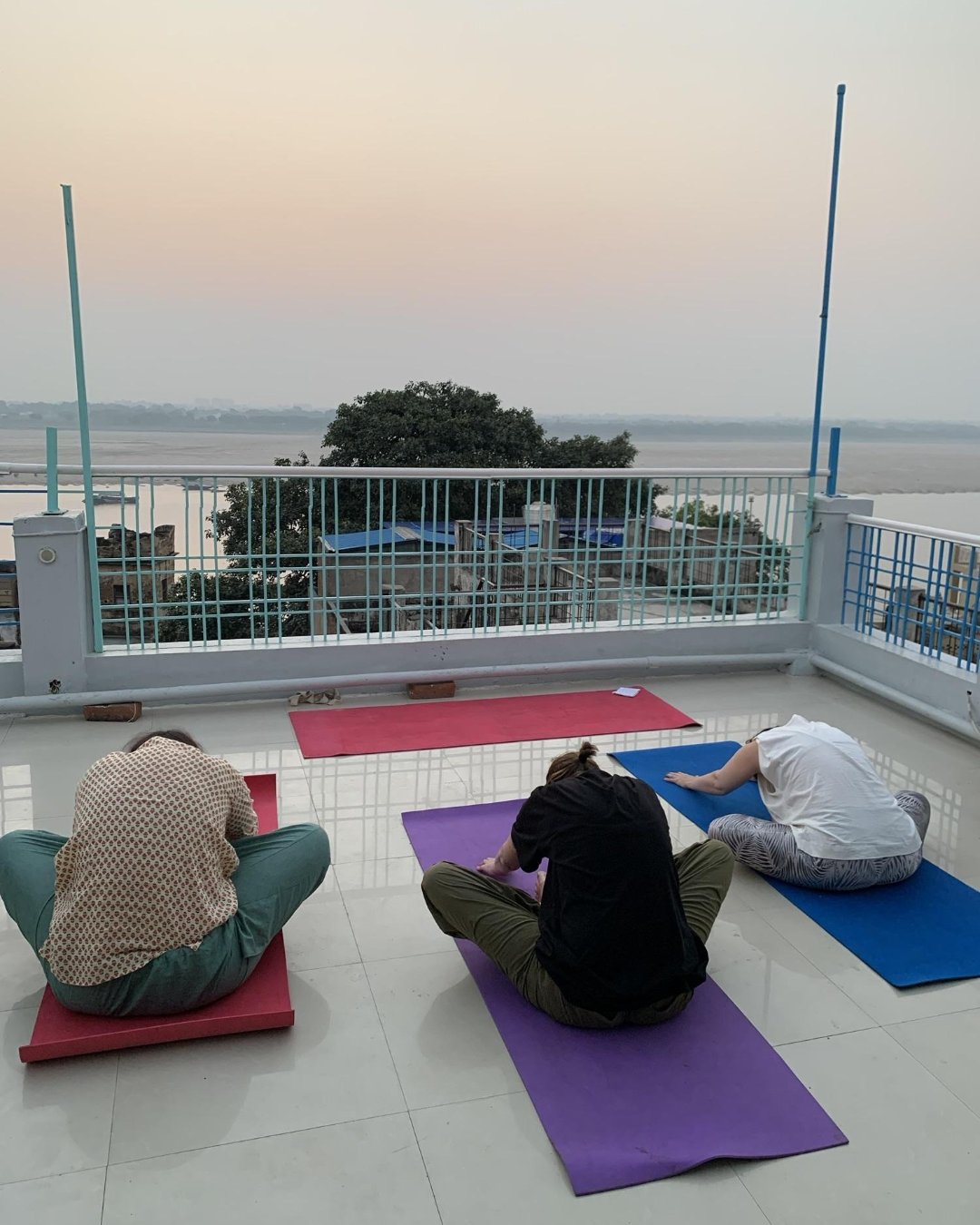
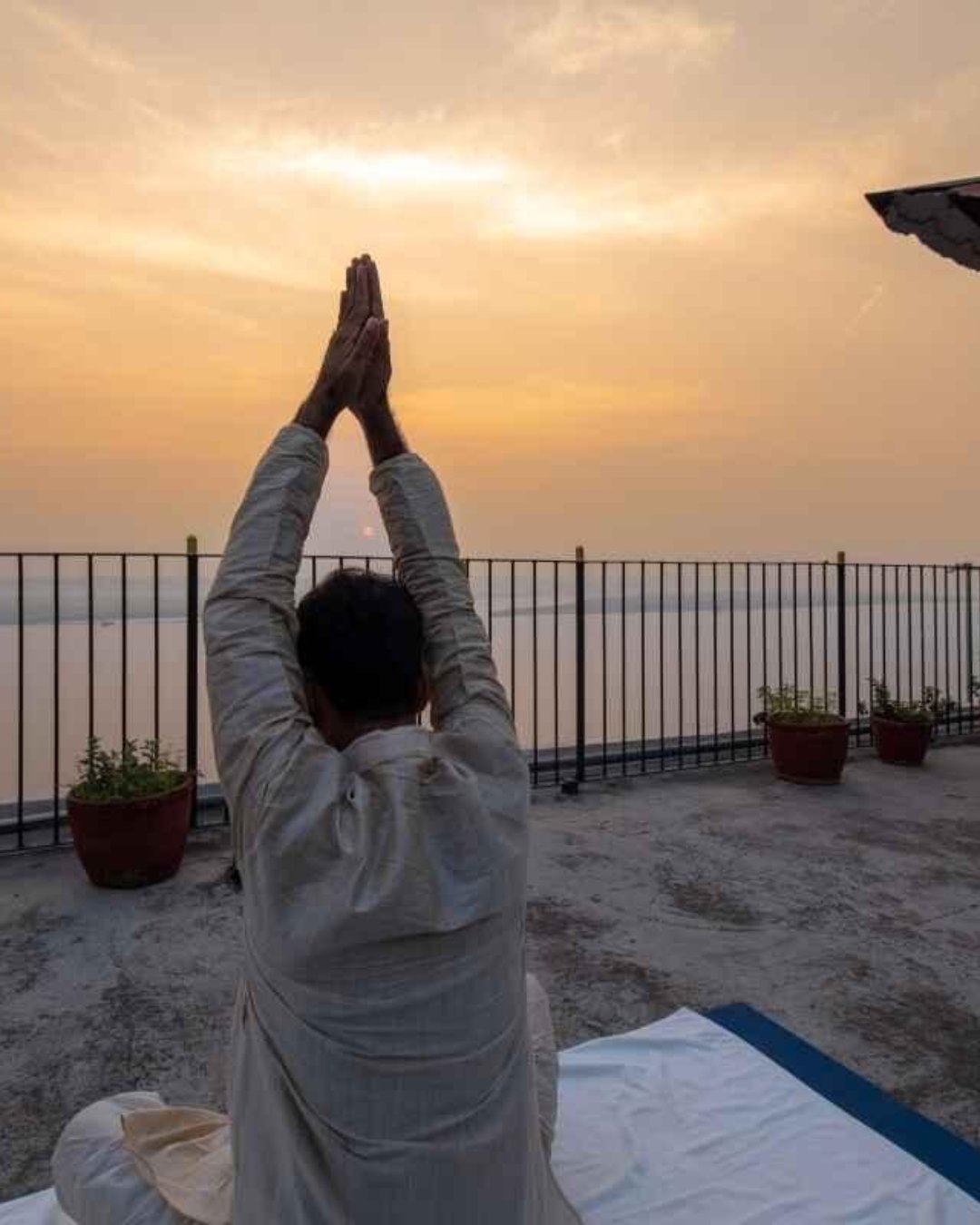
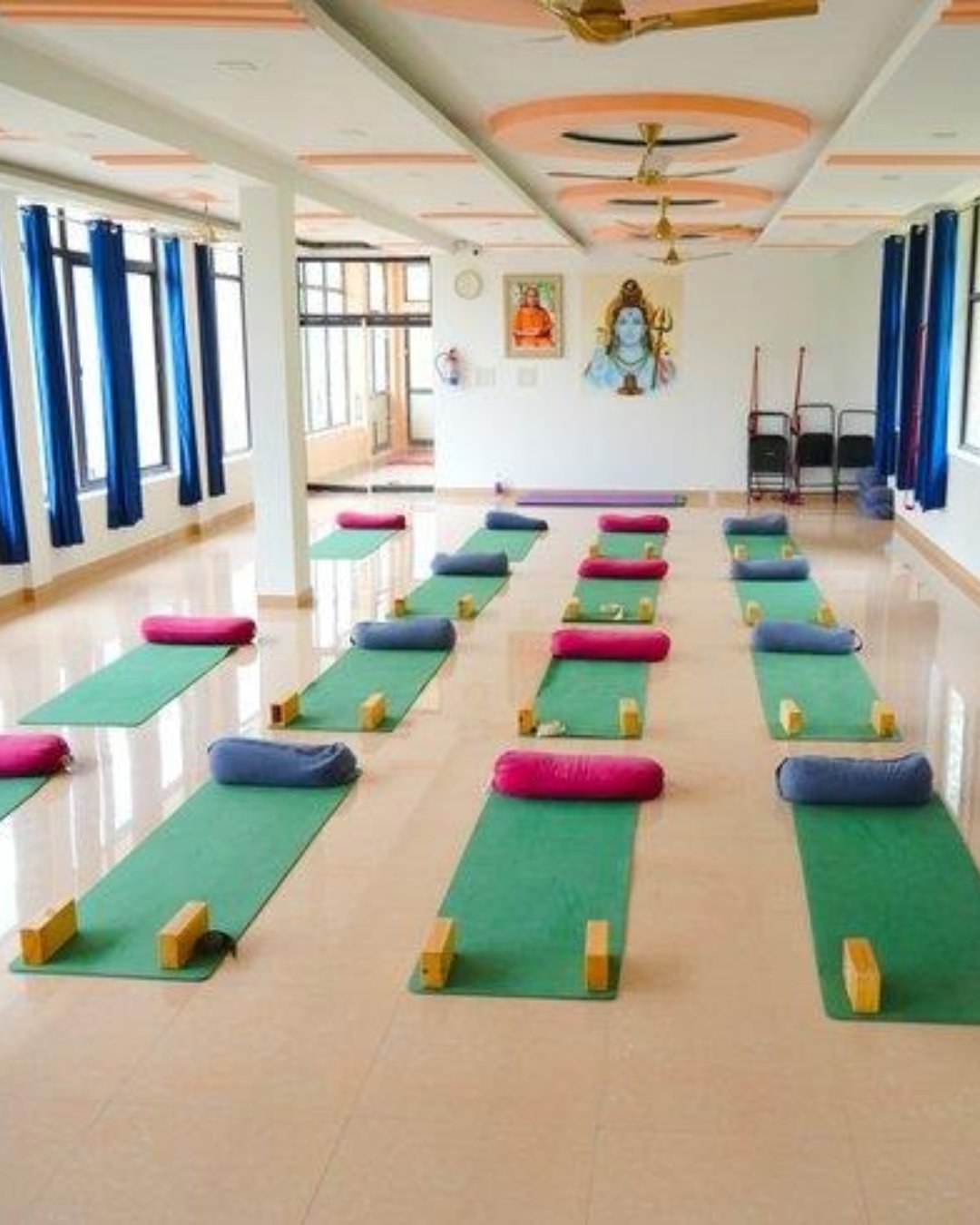
Varanasi has drawn students for centuries, and it still does — people come to practise yoga, sit long meditation courses, and study with a teacher for a week or a whole season. The teaching here can be extraordinary. The trouble is that almost anyone can hang a sign reading "master" or "guru," and the same commission network that steers you toward silk shops works just as hard to steer you toward schools. A guesthouse owner, a rickshaw driver or a friendly stranger who "knows the best yoga school in the city" is very often earning a cut of whatever you pay — and that cut is already baked into the inflated rate you'll be quoted. So slow down, and choose the school yourself rather than being led to one.
Start with the one thing you can actually verify
If a school offers teacher training or advertises a recognised certificate, the single most protective step you can take is to confirm its registration on the Yoga Alliance directory before you pay anything. Yoga Alliance registers schools as RYS 200, RYS 300 or RYS 500 — the number is the hours of teacher training the course is accredited for — and graduates as RYTs (Registered Yoga Teachers). Go to yogaalliance.org, search the school by name, and check that the registration is real, current, and at the level the school claims. A false "Yoga Alliance certified" banner is one of the most common tricks played on visitors, and it takes about two minutes to catch.
Two honest caveats. First, Yoga Alliance is a voluntary, US-based registry, so many genuinely accomplished Indian teachers — especially traditional, lineage-based ones — simply aren't listed; an absence is not proof of a fraud. Second, registration is a minimum standard, not a promise of good teaching. So use the directory for exactly what it's good for: catching false claims and confirming a certificate is worth what you think it is. Then judge the teaching itself with the checks below.
Then work the checklist
Take a trial class first. A genuine teacher will happily give you one. Watch whether they actually teach — listen, correct you, work safely with beginners — or just perform at you and collect the fee.
Never pay for a long course upfront on the strength of one conversation. Pay per class or in small blocks, so you can add sessions if it's going well and walk away cheaply if it isn't.
Talk to current and former students. A teacher worth their reputation has a trail of them, and honest word of mouth beats any five-star board nailed outside the door.
Ask plainly about training and lineage — who they studied under, how long they've taught. Real credentials come with real names and history. Be gently skeptical of grand titles, walls of certificates, and anyone promising to make you "advanced" in a fortnight.
Watch how they handle beginners and injuries before you trust the paperwork. For yoga especially, safe, attentive adjustment matters far more than a framed certificate.
On money and pressure
Agree the rate, the number and length of sessions, and exactly what's included before you begin. Fair prices exist and vary widely, so ask two or three schools directly and compare — the tourist rate you're first quoted is rarely the real one. Above all, trust the quality of the teaching over the size of the claim. Genuine teachers here don't need to hard-sell, chase you down a lane, or pressure you into paying today; if someone's doing all three, that's your signal to walk. Choose on your own terms, verify what can be verified, and the city will give you something worth far more than the fee.