

Why Varanasi and Not Rishikesh
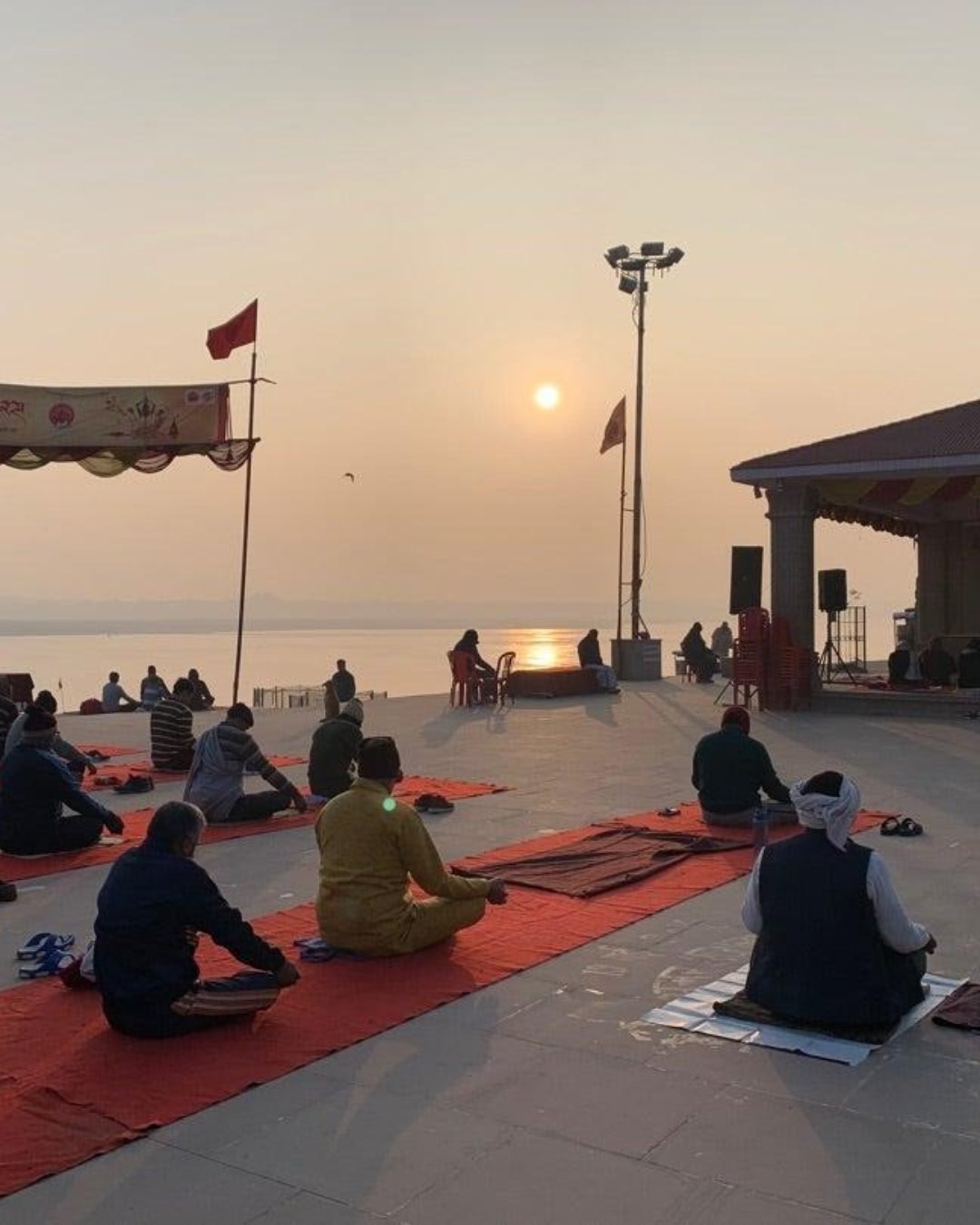
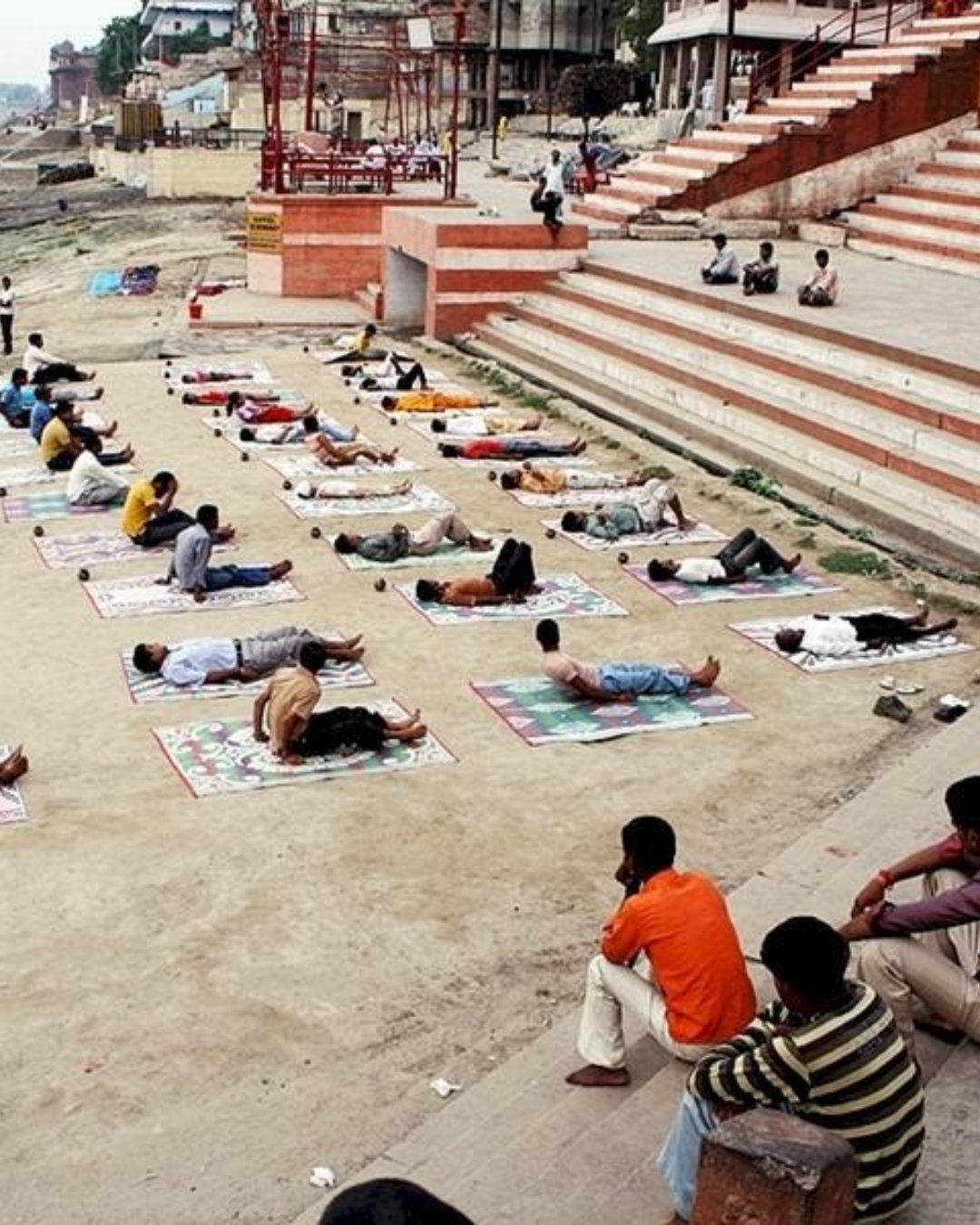
Assi Ghat, Varanasi, India
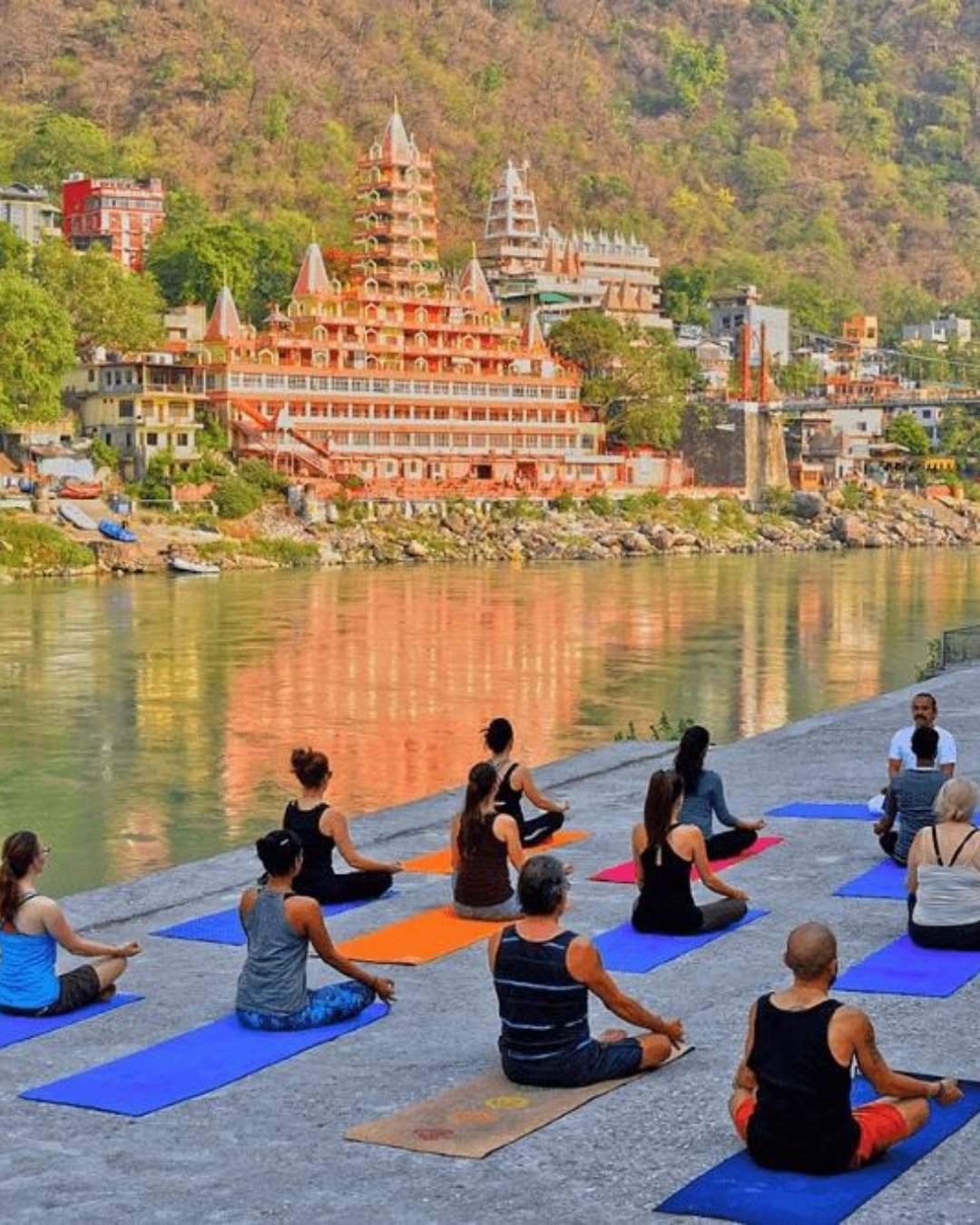
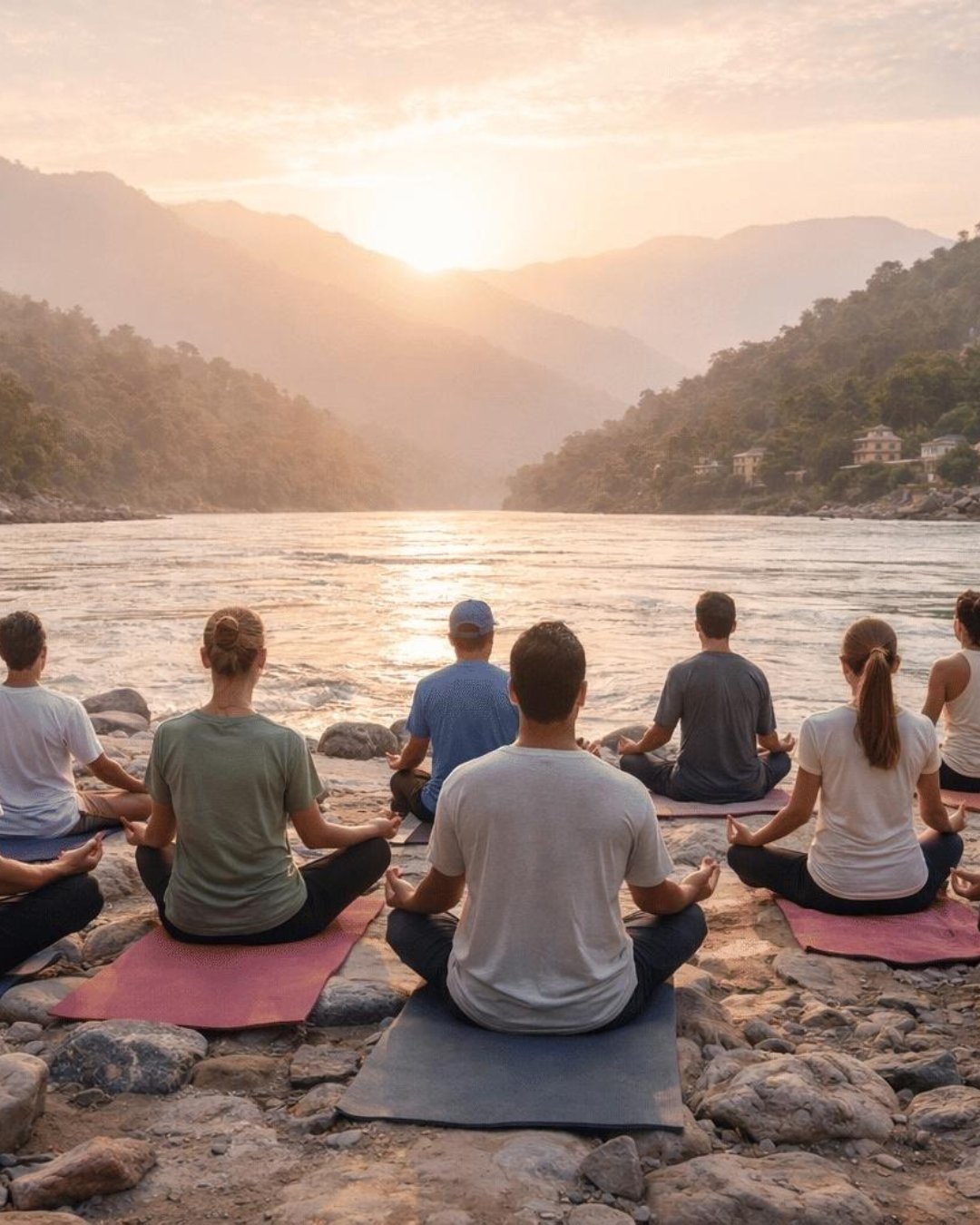
If you're weighing India's two great cities on the Ganga, it helps to know they offer almost opposite experiences — and which one is "better" depends entirely on what you're looking for. Rishikesh, up in the Himalayan foothills, is the gentler choice: clean mountain air, ashrams and yoga schools, riverside cafes, white-water rafting and a calm, wellness-minded crowd. It's where you go to slow down, learn to meditate, and detox. Varanasi asks something different of you. It doesn't soothe; it confronts. And for a certain kind of traveller, that's exactly the point.
Varanasi is the older story by far — one of the oldest continuously lived-in cities on earth, sacred to Hindus for millennia as the city of Shiva and the place where the cycle of death and rebirth can finally be broken. Where Rishikesh gives you the Ganga as a bright mountain river, Varanasi gives you the Ganga as the axis of life and death itself. You'll see pilgrims bathing at dawn, bodies carried to the burning ghats at Manikarnika, priests performing the Ganga Aarti with towers of fire at dusk — birth, prayer and death all pressed together on the same steps. Nothing is hidden here, and nothing is staged for you. It is intense, sometimes overwhelming, and unlike anywhere else you will ever stand. There's history layered on top of the faith, too: the Buddha gave his first sermon just up the road at Sarnath, so a single trip lets you touch both the Hindu and Buddhist roots of India within a morning of each other.
So choose Varanasi over Rishikesh when you want depth rather than comfort. Come here if you want to witness living Hinduism at its most raw and unfiltered, to walk labyrinthine old-city lanes that have barely changed in centuries, to hear temple bells and sitar drift from a music culture that shaped Indian classical sound, and to eat your way through some of the country's great street food — the kachoris, the chaat, the thick creamy lassi and the famous Banarasi paan. Come if you'd rather feel something profound than simply relax. Rishikesh is the place to work on yourself; Varanasi is the place to confront the biggest questions there are — mortality, faith, impermanence — and let the city answer in its own overwhelming language.
That said, be honest about what you're signing up for. Varanasi is crowded, chaotic and confronting; the ghats can be dirty, the touts persistent, the encounters with death direct and unsentimental. If you want serenity, spa mornings and a tidy riverside yoga retreat, Rishikesh will serve you better and you shouldn't feel you're missing out. But if you want the real, unvarnished spiritual heart of India — the place that stays with travellers for the rest of their lives — you come to Varanasi. Many people, with time to spare, end up doing both: Rishikesh to breathe, Varanasi to be changed. If you can only pick one and you want intensity over ease, Varanasi is the answer.