

Subah-e-Banaras: The Free One
Assi Ghat, Varanasi, India
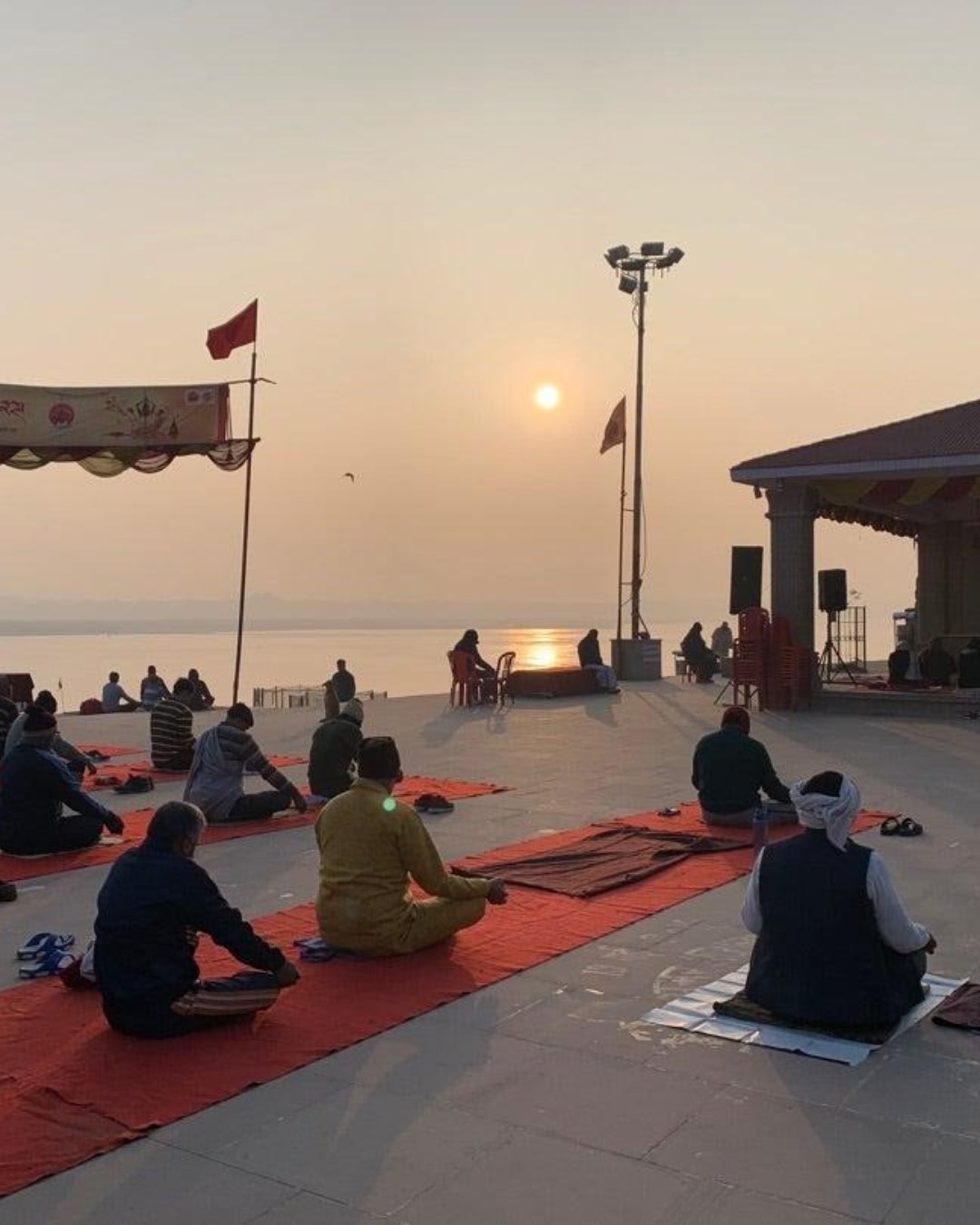
Before the city fully wakes, Varanasi gives you something it asks nothing for in return. Subah-e-Banaras — "Morning of Banaras" — is the daily dawn ritual staged at Assi Ghat at the southern end of the riverfront, and unlike almost everything else a visitor is offered here, it is completely free. No ticket, no guide, no commission, no "special price." You simply turn up in the dark, find a place on the steps, and let the morning unfold. Running daily since 2014, it was created to give the city a gentle, welcoming start to the day and to draw people back to Assi Ghat at dawn; it has since become one of the most loved things to do in Varanasi that costs nothing at all.
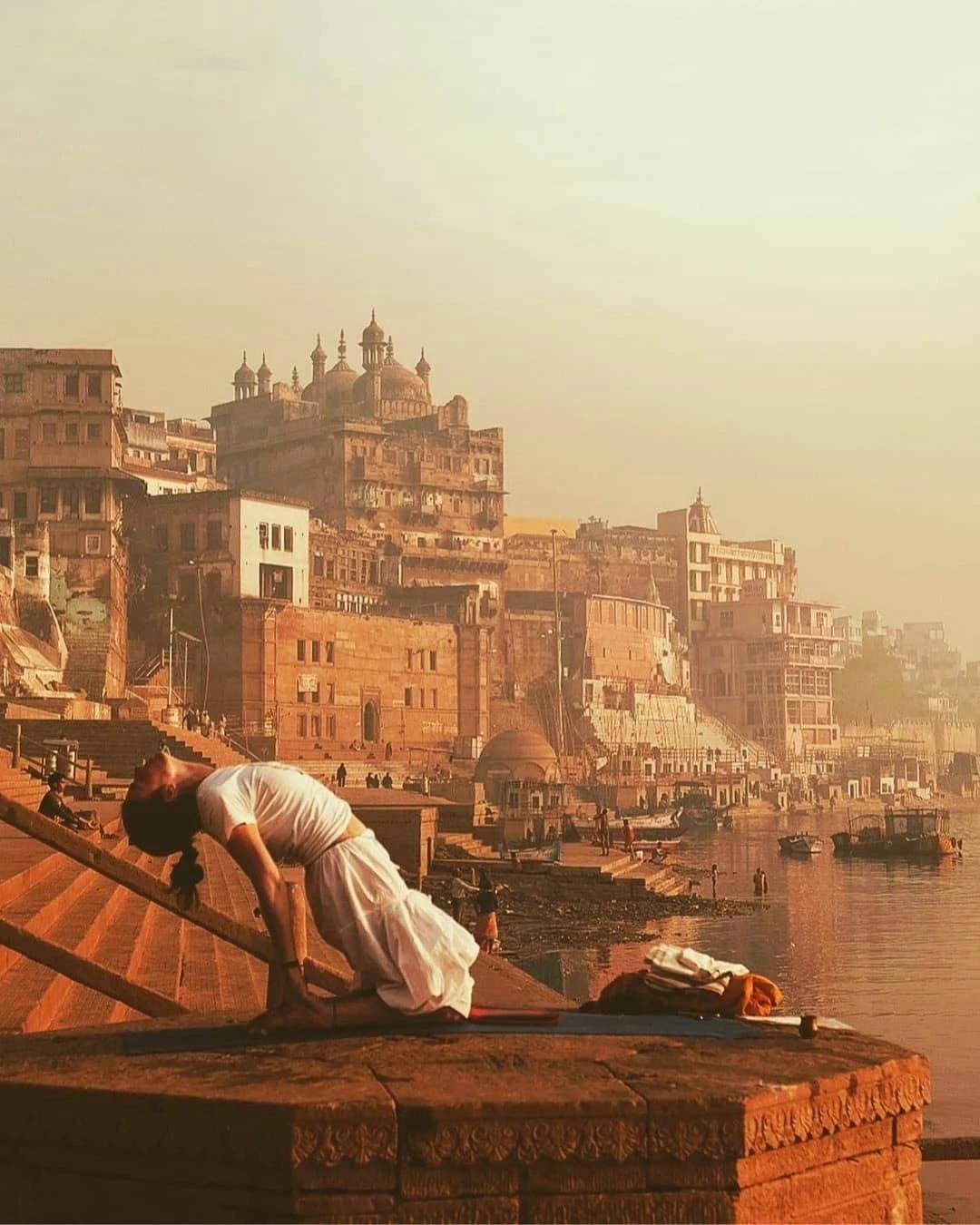
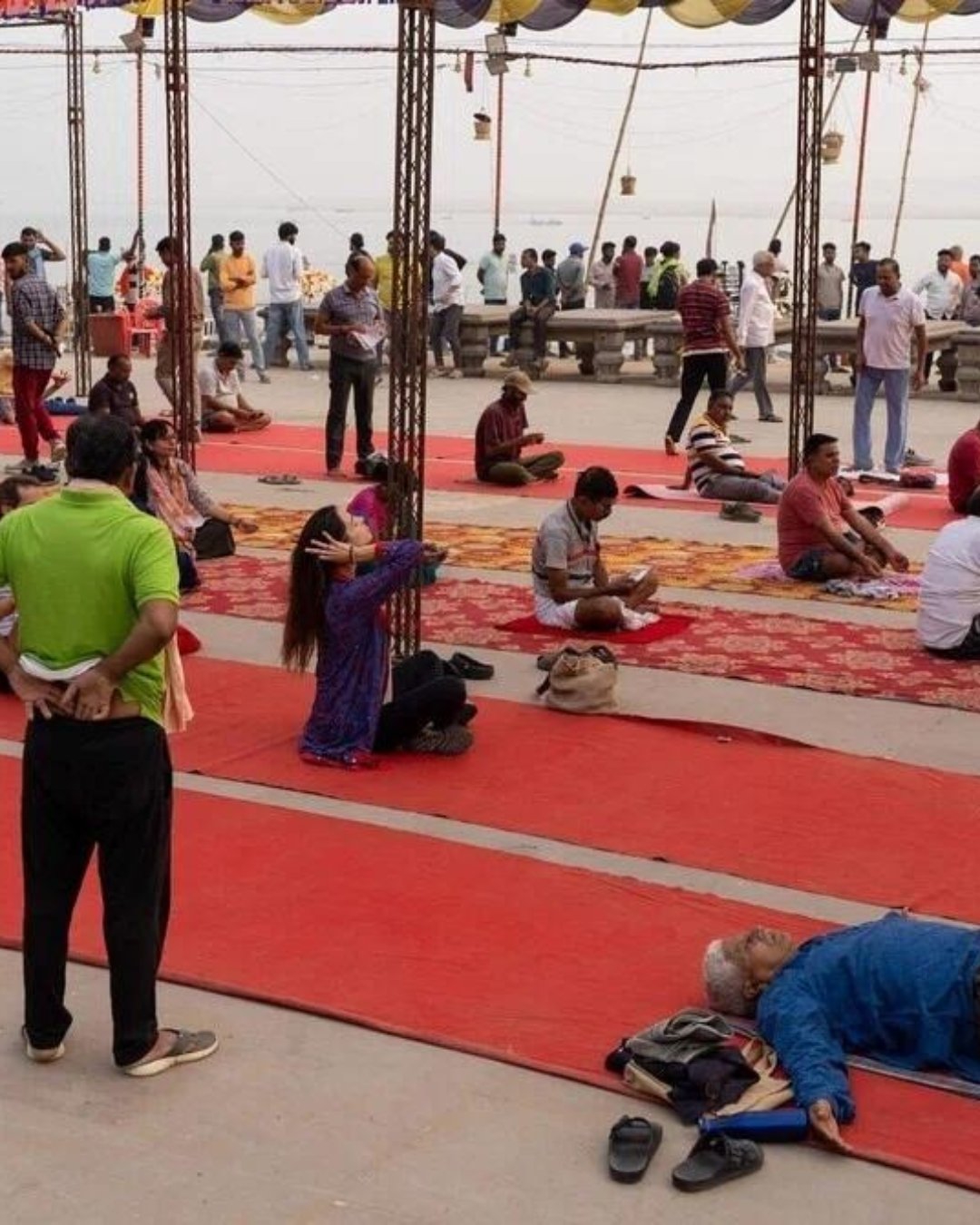
It begins before sunrise, so you'll want to be there by around 5 in the summer and closer to 5:30 or 6 in the winter — check the day's timing, since it shifts with the season. What follows is a carefully held sequence rather than a show. Priests perform a Vedic aarti to the rising sun, lamps circling in slow arcs against the pale sky while conch shells sound and bells ring out across the water. Voices rise in Sanskrit chanting, the old mantras carrying over the Ganga as the first light touches the far bank and the marigold lamps set adrift begin to glow on the water. There's usually a short session of yoga and pranayama you're welcome to join on the ghat, and on many mornings a classical music performance — a raga chosen for daybreak, a sitar or a flute or a khayal singer — that seems written for exactly this hour.
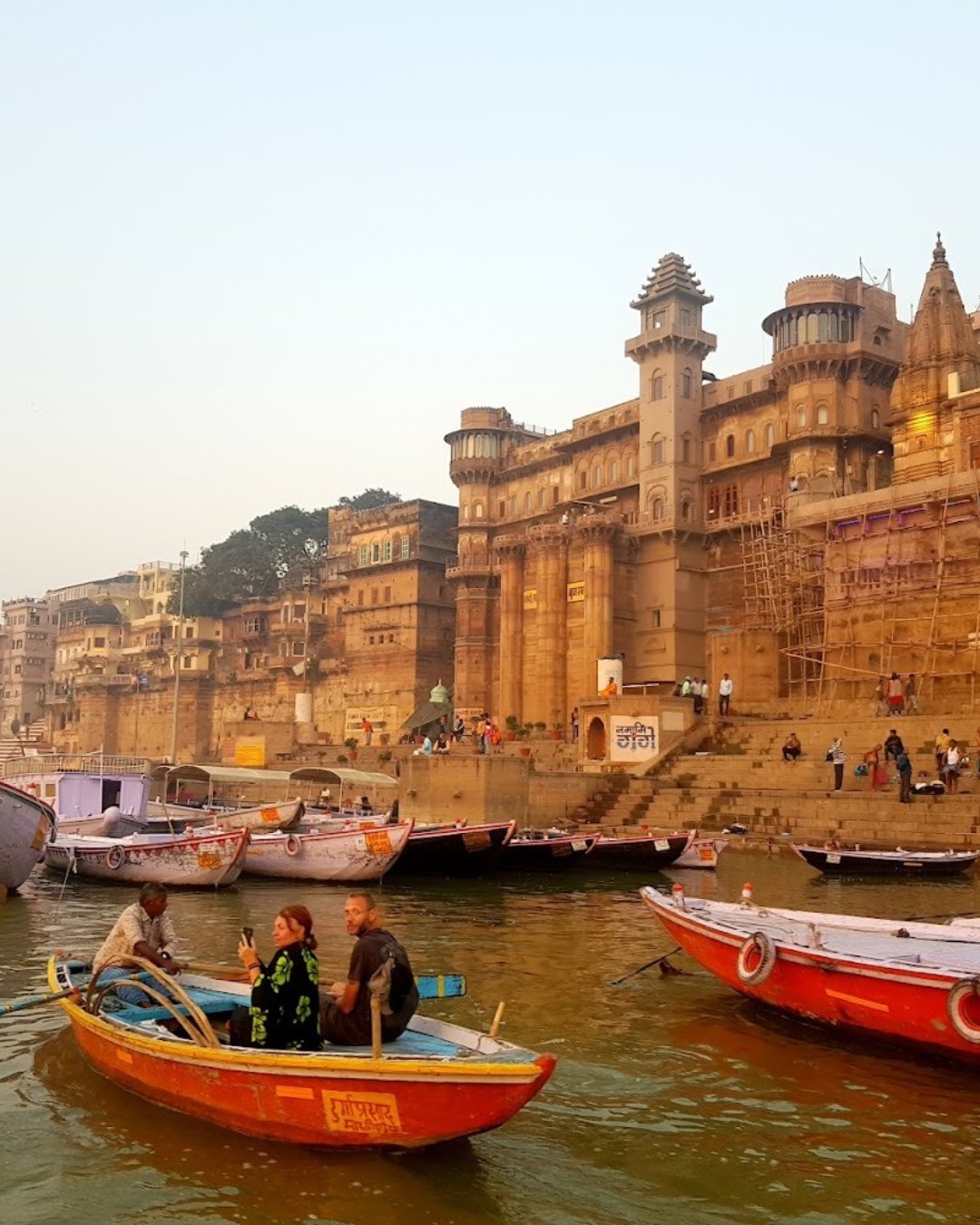
What makes it worth setting an alarm for isn't spectacle; it's the mood. You're watching the city perform its own beginning, alongside locals who come not as tourists but as a habit of devotion. Boats drift past on the grey water, someone bathes at the edge, chai sellers work the crowd, and the whole ghat holds a stillness that the same place will lose entirely by mid-morning.
A few simple things help you take it in well. Come early enough to settle before it starts, rather than arriving mid-ritual. Dress warmly in winter — the pre-dawn river air is genuinely cold — and modestly in any season, since this is a place of prayer. Sit on the steps and stay quiet; photography is fine, but keep it discreet and don't step into the ceremony for a better angle. Assi Ghat sits at the southern end of the riverfront and is easy to reach by auto or e-rickshaw; if you're staying near the main ghats, a short walk or boat ride down the river brings you there too. If you'd like to pair it with a sunrise boat ride, arrange the boat separately and agree the fare first — the aarti itself costs nothing, and no one running it will ask you for money. When it ends, the reward is the walk: the ghats ahead of you, washed in early light, almost empty, entirely yours for an hour before the day arrives. Of everything Varanasi will try to sell you, the thing most worth having is the one it gives away at dawn.