

Getting There & Doing It Right
Sarnath Museum, Varanasi, India
Sarnath sits about ten kilometres northeast of Varanasi's old city — close enough to be a half-day trip, far enough that the noise of the ghats falls away the moment you arrive. Getting there is simple; doing it well is mostly a matter of timing and quiet.
From the ghats or Godowlia, reckon on 30 to 45 minutes depending on traffic. From Varanasi Cantt railway station it's nearer eight kilometres and 20 to 30 minutes, and if you're arriving by air, Sarnath is roughly twenty kilometres from Babatpur airport, easy to fold into the trip in or out of the city. You have a few ways to cover the distance, rising in price with comfort. A shared auto or e-rickshaw is the cheapest, somewhere between ₹30 and ₹200, with e-rickshaws running the Sarnath road regularly. A reserved auto-rickshaw, at around ₹150 to ₹300 one way, is the simplest option for two or three people. A cab booked through an app or your guesthouse runs about ₹300 to ₹700 one way, while a half-day taxi that waits for you and brings you back — the most convenient by far — costs roughly ₹1,500 to ₹2,500. For a relaxed visit that waiting taxi is worth the extra; a reserved auto is fine if you'd rather keep it cheap. Either way, agree the fare, and whether it includes waiting time, before you set off, and go early, when the light is soft, the temples are at prayer, and you beat both the heat and the Cantt-area traffic.
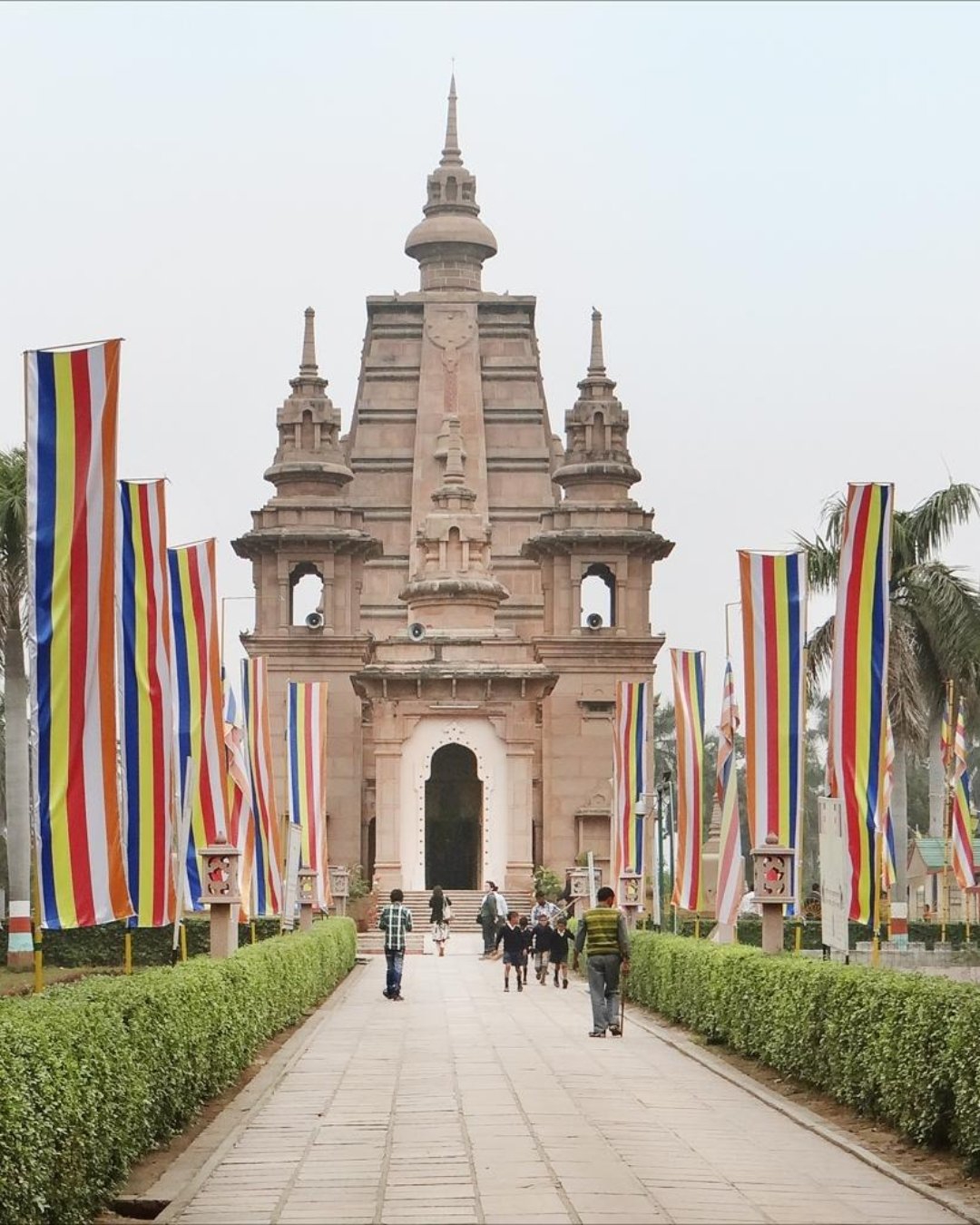
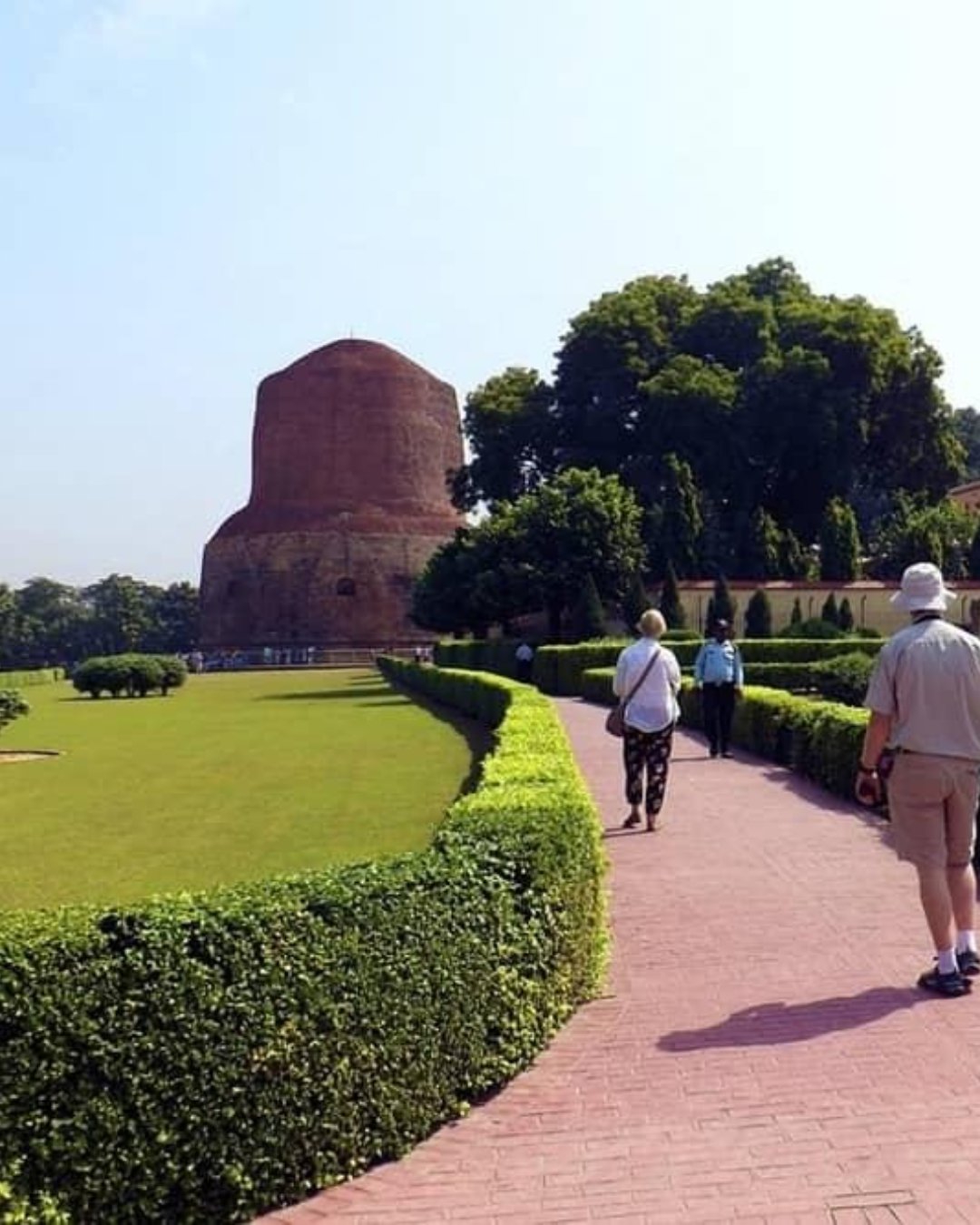
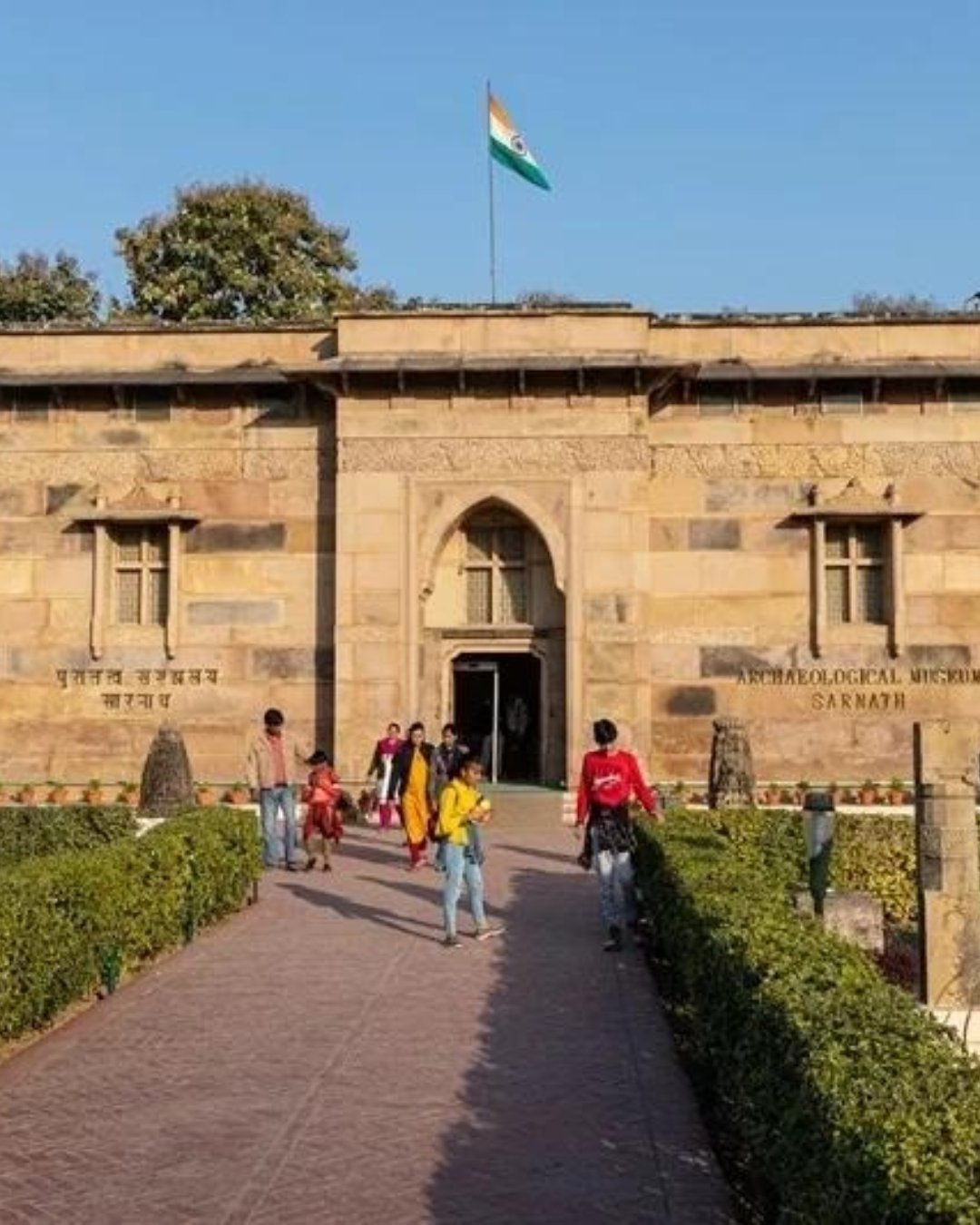
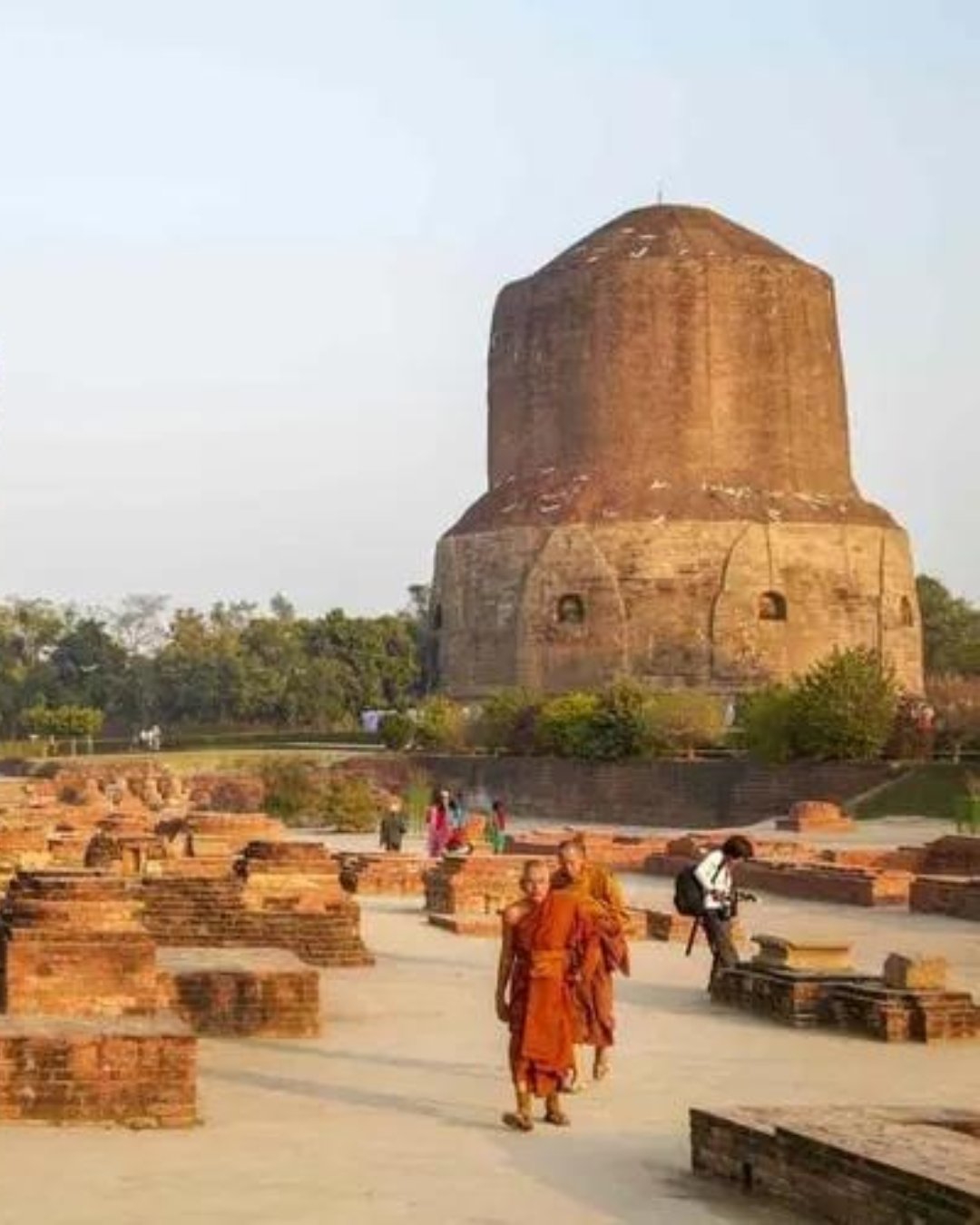
Once you're there, it helps to know that Sarnath's sights keep different hours. The Dhamek Stupa and the surrounding archaeological ruins are open daily from sunrise to sunset, roughly six in the morning to six in the evening. The Archaeological Museum — home to the original Lion Capital of Ashoka — runs from 10 a.m. to 5 p.m. but is closed on Fridays, so if the Lion Capital is on your list, don't come on a Friday. Mulagandha Kuti Vihar keeps two sessions, approximately 4:30 to 11:30 in the morning and 1:30 to 5:30 in the afternoon, every day, and entry to the temple itself is free. The cluster of international temples — Thai, Tibetan, Japanese, Chinese, Myanmar and Korean — generally open through daylight hours and ask no fee, though a donation is always welcome. On tickets, the simplest approach is the ASI combined ticket, which costs ₹25 for Indian visitors and ₹100 for foreign nationals and covers the ruins, the Dhamek Stupa and the museum together, rather than paying for each separately. Hours shift a little by season, so confirm before making a special trip.
Three to four hours is enough to do Sarnath properly — the stupa and deer park, the museum, Mulagandha Kuti Vihar and a wander through two or three of the national temples — without rushing. A half-day, in other words: out after breakfast, back by lunch. And remember that these are active places of worship, not just monuments. Dress modestly, with shoulders and knees covered, and slip your shoes off before entering any shrine. Keep your voice down where monks or pilgrims are chanting. Photography is usually fine outdoors, but ask before shooting temple interiors or people at prayer, and put the camera away where a sign or a monk asks. Move gently and unhurried, and Sarnath gives you what the old city can't: silence, and room to feel the weight of where you're standing.