

How to Bargain — Without Being Rude
Godowlia, Varanasi, India
You may arrive in Varanasi expecting every purchase to turn into a negotiation. So you arrive braced for a fight, ready to slash every quote in half and walk away hard. But here's the thing nobody tells you: the traveller who treats every transaction like a battle has just as bad a time as the one who overpays for everything. Turn a silk shop into a standoff and you'll leave with a sour taste and probably still overpay; refuse to bargain at all and you become the mark that inflates prices for everyone behind you. There's a middle way, and it's mostly about warmth.
Before you start negotiating in the bazaars, it helps to understand what bargaining actually means here. Here's how bargaining in Varanasi actually works, and how to get it right the first time.
Why it's a conversation, not a contest
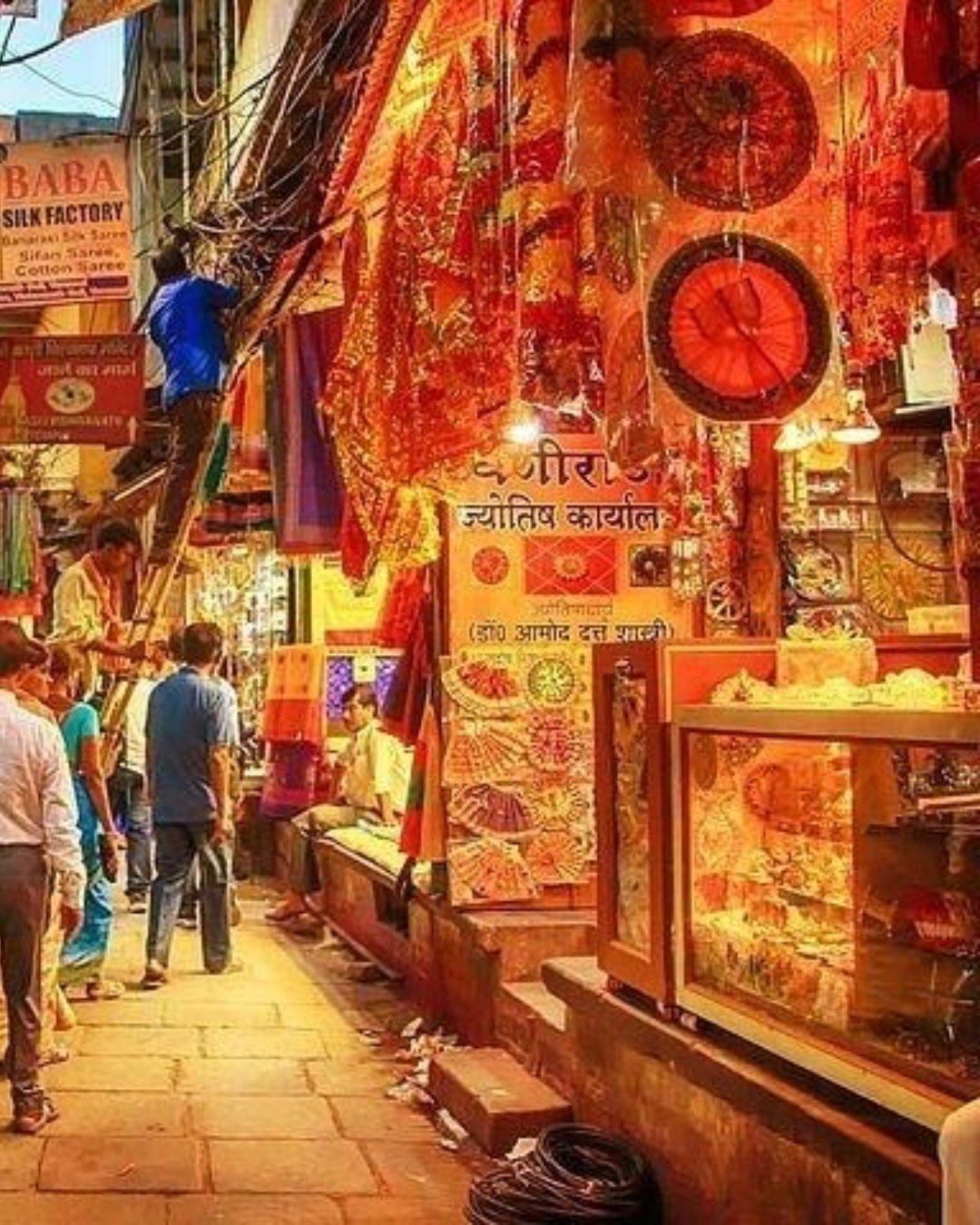
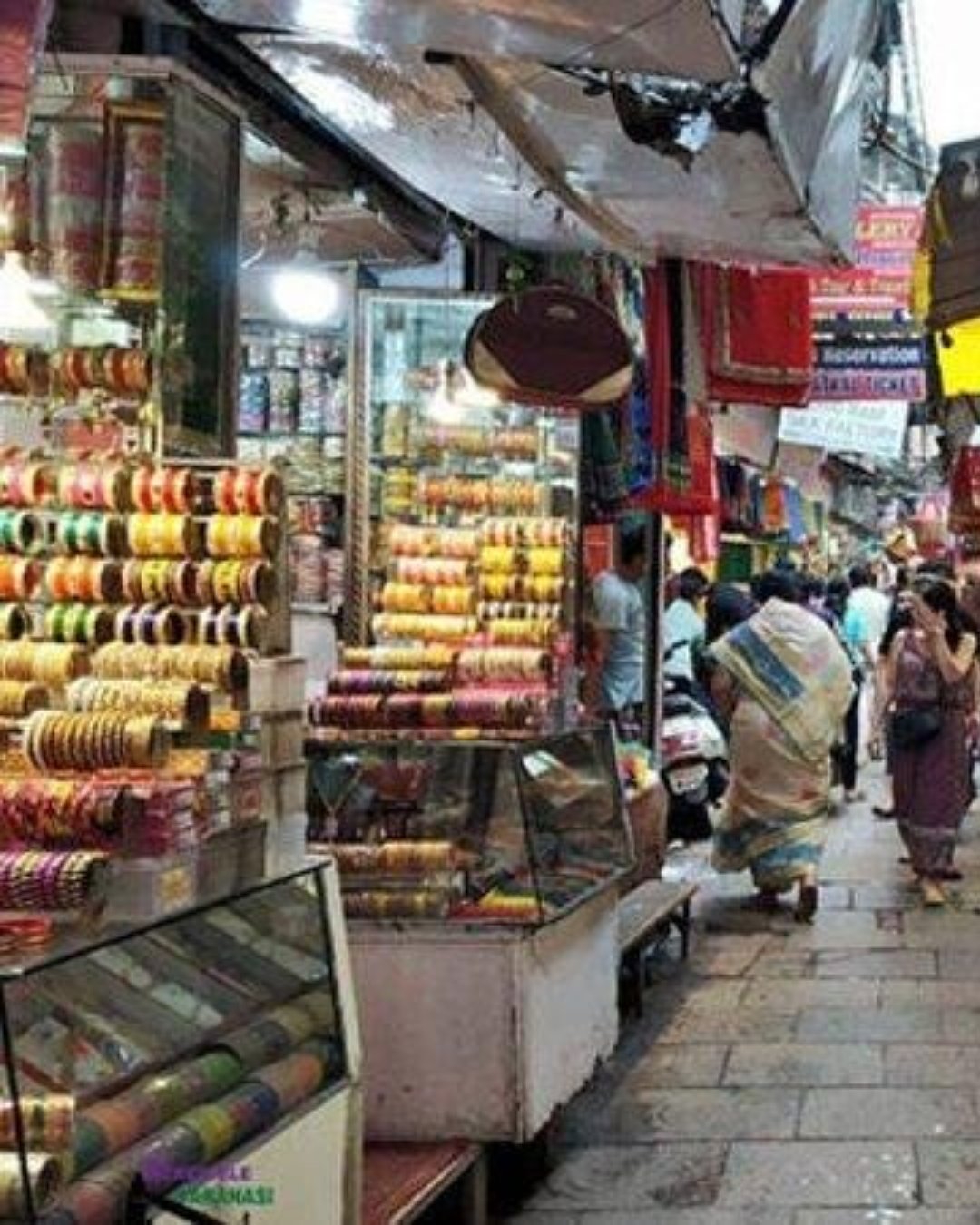
The first thing to remember is that bargaining in Varanasi is usually more social than confrontational. In the bazaars around the ghats, a quoted price is the opening line of a conversation, not a fixed number — and the conversation is half the point. The vendor expects a little back-and-forth; skipping it entirely is almost impolite. But the goal isn't to "win." It's to land on a price you both feel fine about, without either of you losing face.
Your tone can matter more than the number you offer. That means the register matters more than the number. A smile, a bit of humour, a "that's a little much for me, what's your best?" gets you further than a cold demand. Bargaining hard and warmly is a skill locals respect. Bargaining rudely just makes you the tourist nobody enjoyed selling to.
What you'll actually be haggling over
Knowing when to negotiate — and when to leave the price alone — will save you more trouble than trying to bargain over everything:
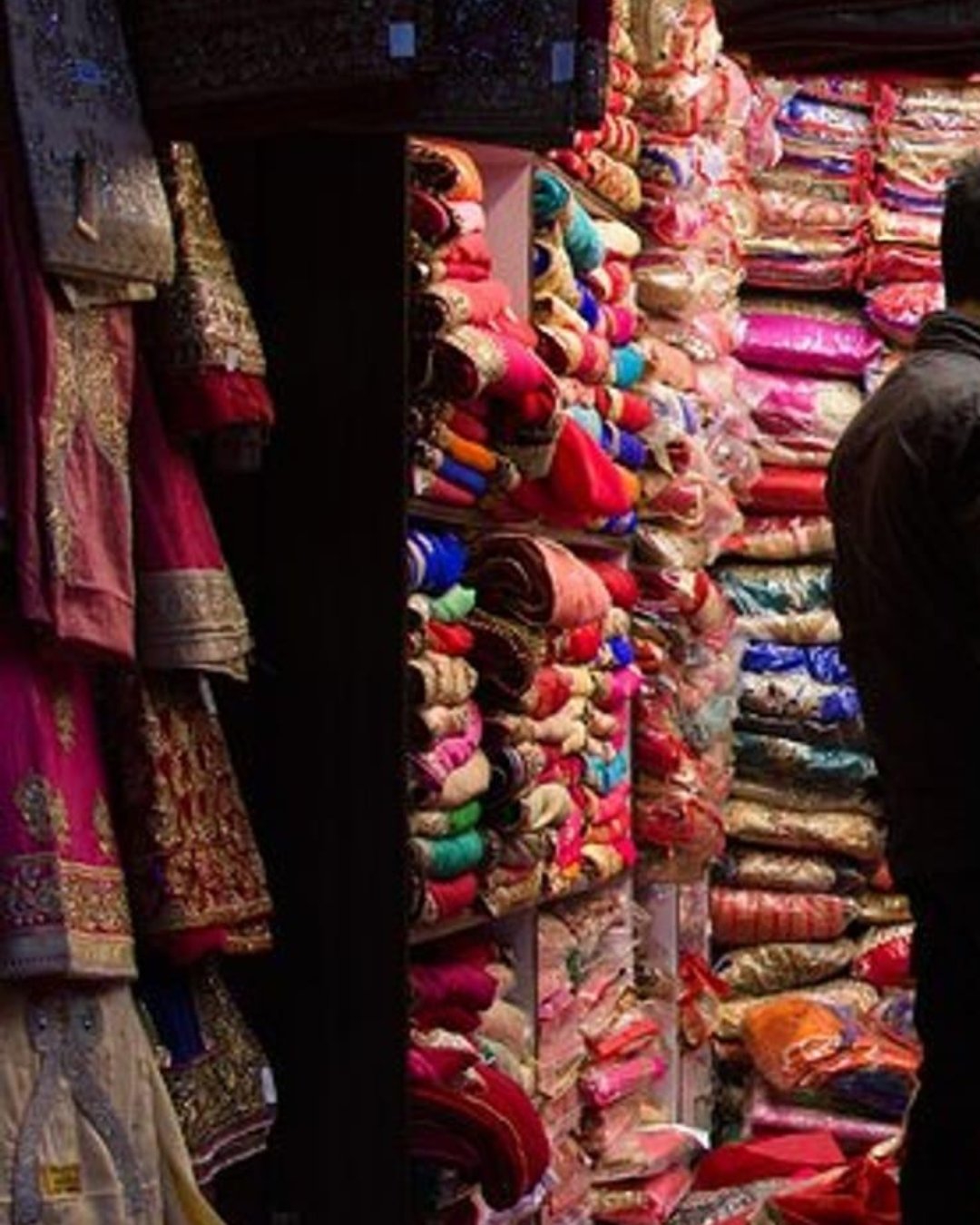
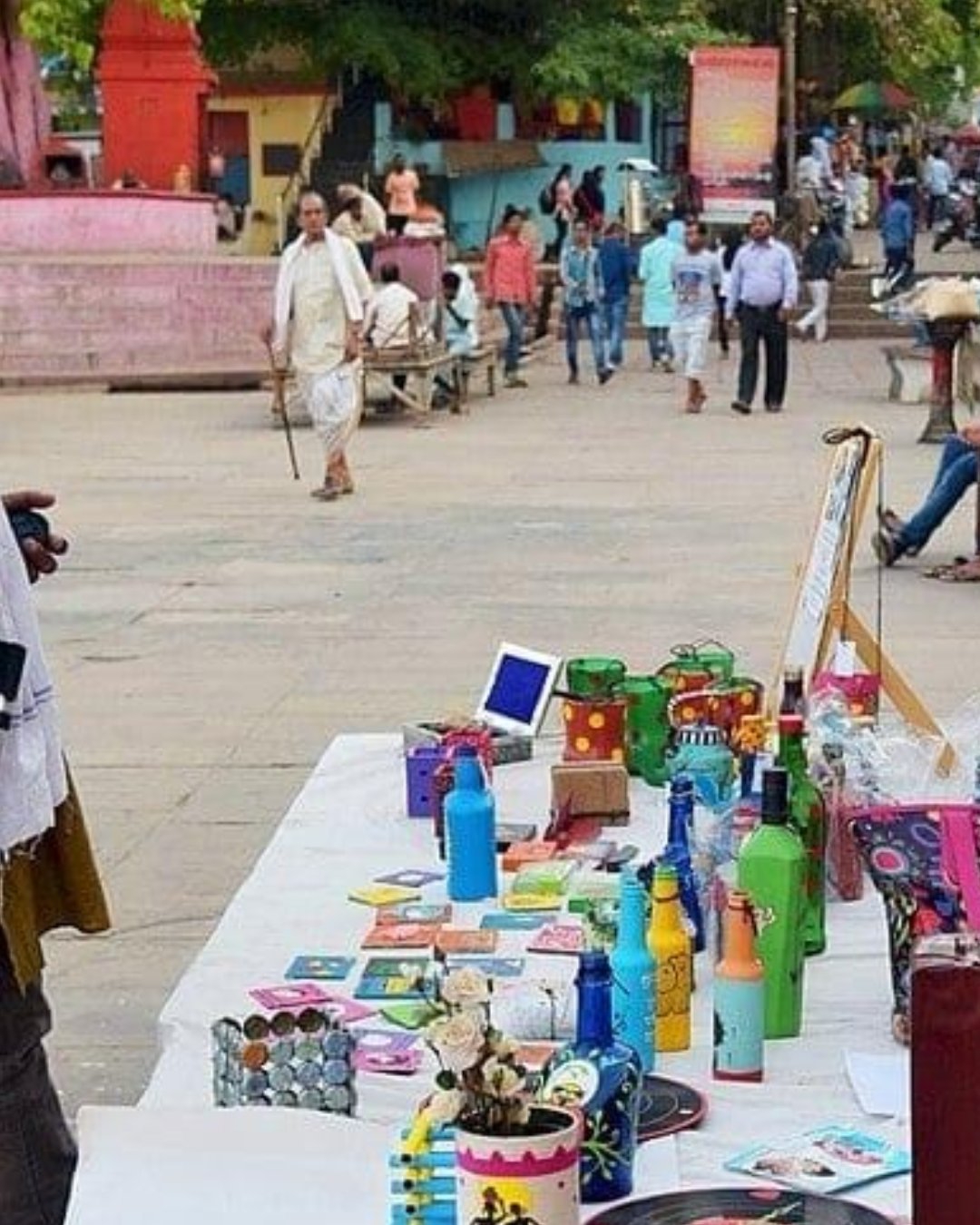
Fair game — souvenirs, silk, brassware, autos and cycle-rickshaws, boat rides, guiding.
Lightly, if at all — small food stalls, chai, a few rupees of fruit. Haggling a poor vendor over ₹10 isn't thrift, it's meanness.
Never — temple offerings, priests, donations, and anything to do with the cremation ghats. Fixed-price shops and government emporiums are fixed; don't push.
Set the price first — always with autos and boats, before you get in, never after.
When you're moving around the city, carry small notes and change. "I don't have change" is a line that works on you far more often than the reverse.
The biggest advantage you can give yourself is simply refusing to rush. Travellers who do this well will tell you the same thing — the person in a hurry always pays more. Take the quote, smile, look at the thing properly, maybe walk to look at the next stall. The unhurried buyer has all the leverage; the flustered one has none. That ease, not aggression, is the part that actually moves the price.
Pro tip: Ask the price with a smile, counter at roughly 50–60% of the first quote, and expect to settle somewhere in the middle. If it stalls, the polite walk-away is your strongest and gentlest move — a genuine "thank you, maybe later" often gets called back with a better number, and if it doesn't, no harm done. Never start bargaining for something you don't intend to buy; agreeing a price and then walking is the one move locals genuinely find rude. And once you've shaken on a number, honour it.
The mistakes that ruin it
The most common bargaining mistakes are surprisingly easy to avoid. They get aggressive and turn a friendly haggle into a standoff. They bargain hard over pennies with people who can least afford it. Or they skip the price talk with an auto or boatman and get stung at the end of the ride.
The simplest approach is to keep it warm, know what's actually negotiable, and always agree the number before the service — or let the boats, cars and guiding be arranged in advance so there's nothing to haggle over half-asleep at 5 a.m.