

Beyond Silk: Meenakari, Brass & Toys
Thatheri Bazar, Varanasi, India
Most visitors arrive in Varanasi with a silk saree at the top of the shopping list and little else in mind. Banarasi sarees may be the headline, but Varanasi's craft traditions stretch far beyond the loom — into the soft pink shimmer of meenakari, the weight and warmth of temple brass, and the colourful world of lacquered wooden toys. These aren't just souvenirs; they are crafts shaped by generations of artisans and deeply woven into the city's identity. The mistake is spending your entire shopping trip chasing the famous Banarasi label and missing the crafts that reveal another side of Varanasi. Once you know what to look for, where to look, and how to tell genuine workmanship from a tourist-market imitation, shopping here becomes less about buying something expensive and more about taking home something truly made in Varanasi.
Before you spend your shopping time searching only for silk, take a look at the crafts that make Varanasi interesting in their own right. Here's how shopping the other crafts of Varanasi actually works, and how to get it right the first time.
Why the workshop beats the showroom
The first thing to understand is why the old workshops can be more rewarding than the polished showrooms. The showrooms clustered near the ghats and the big hotels exist to sell to tourists, at tourist prices, with a cut for whoever brought you. The crafts themselves come from workshops in the old city — Kashmiri Gali, Thatheri Bazaar, the lanes around Vishwanath — where the artisan and the price are both real.
The better strategy is to get closer to where the craft is made. It costs you a walk into the galis instead of a taxi to an emporium, and the difference is both the price and the authenticity. Go in the morning, when the workshops are active and you can actually watch things being made, rather than the afternoon, when it's just counters.
What you'll actually find
Once you know what to look for, Varanasi's non-silk crafts make a surprisingly good shopping list:
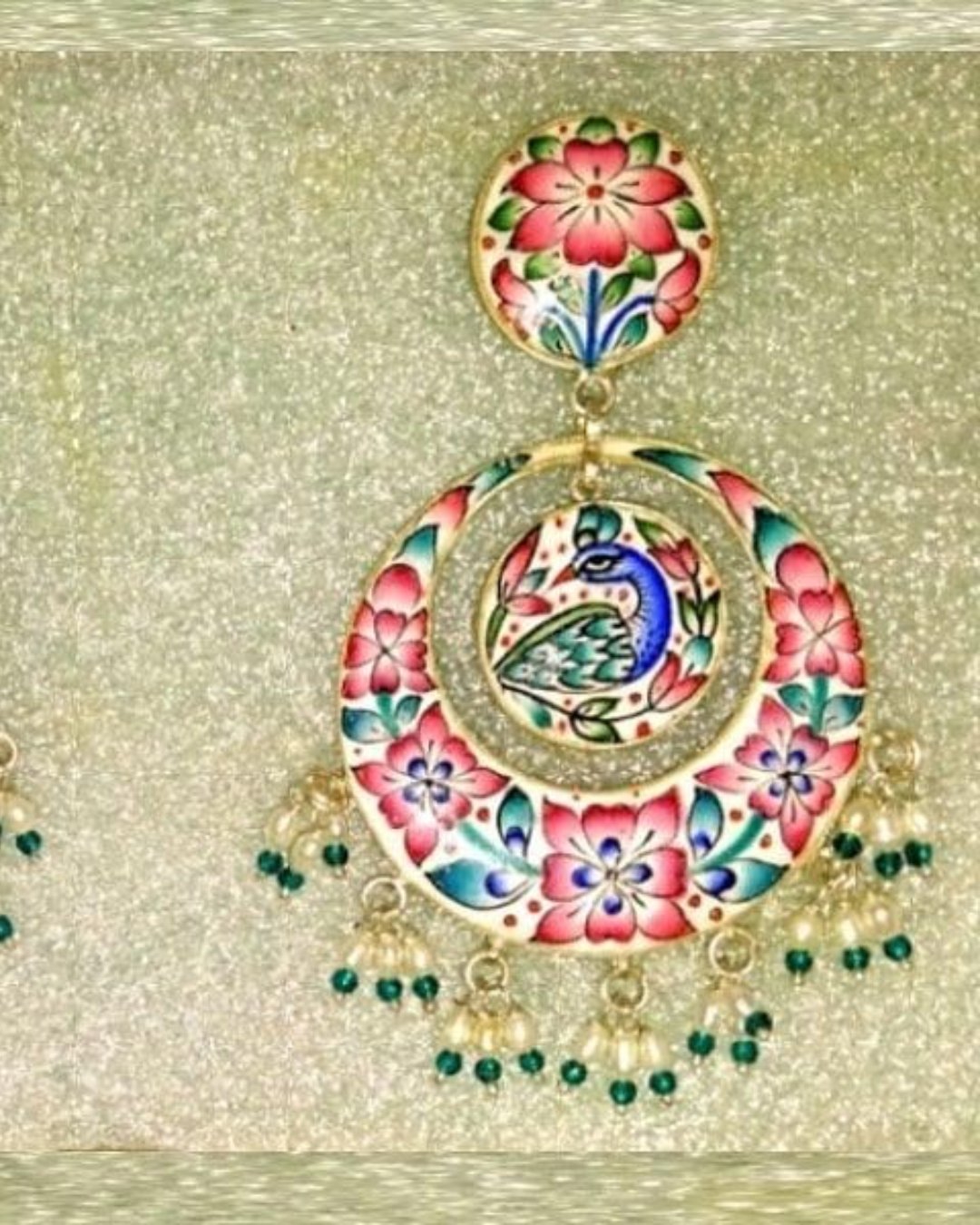
Gulabi meenakari — the city's signature "pink enamel" work on silver, a delicate GI-tagged craft made by only a handful of families now.
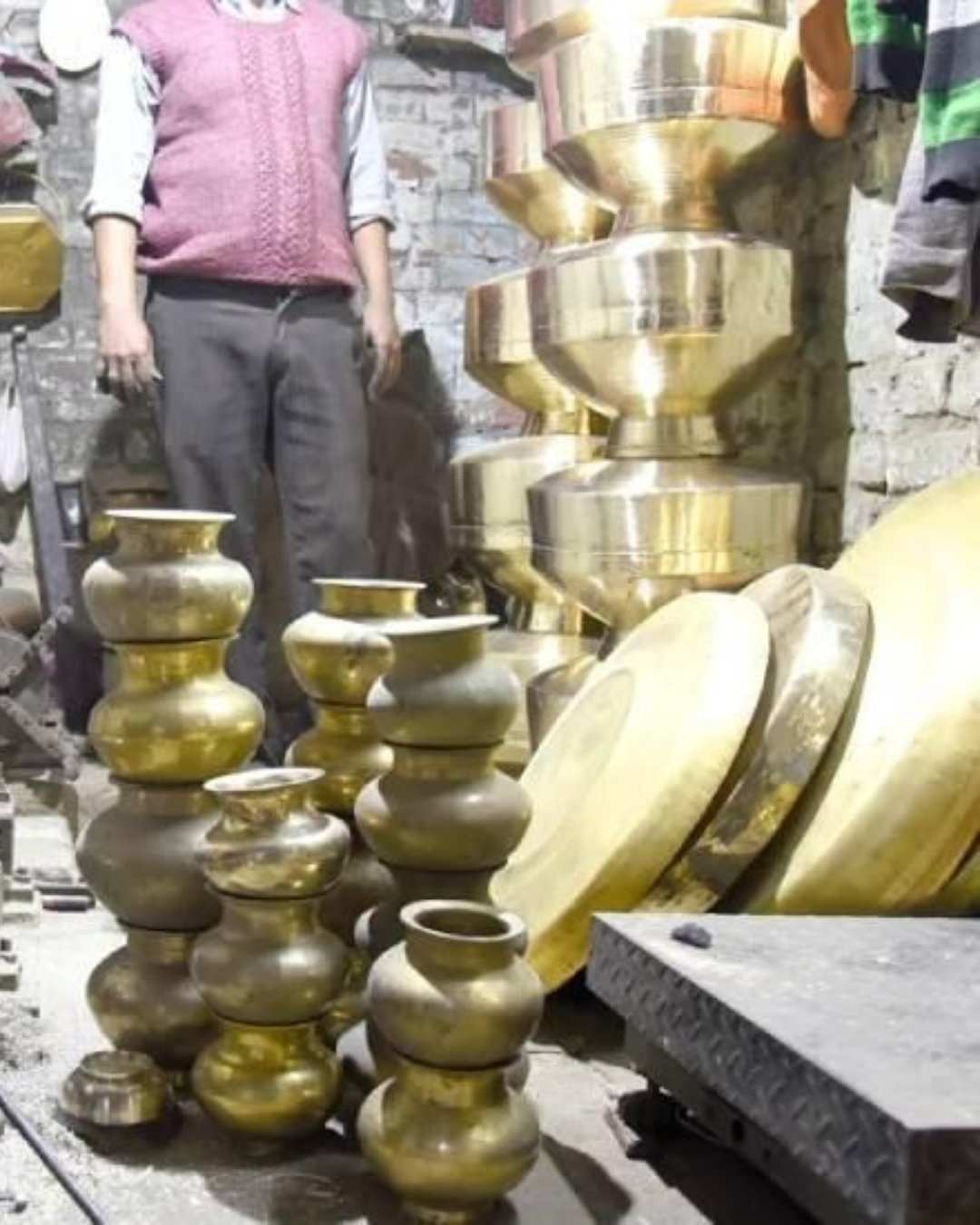
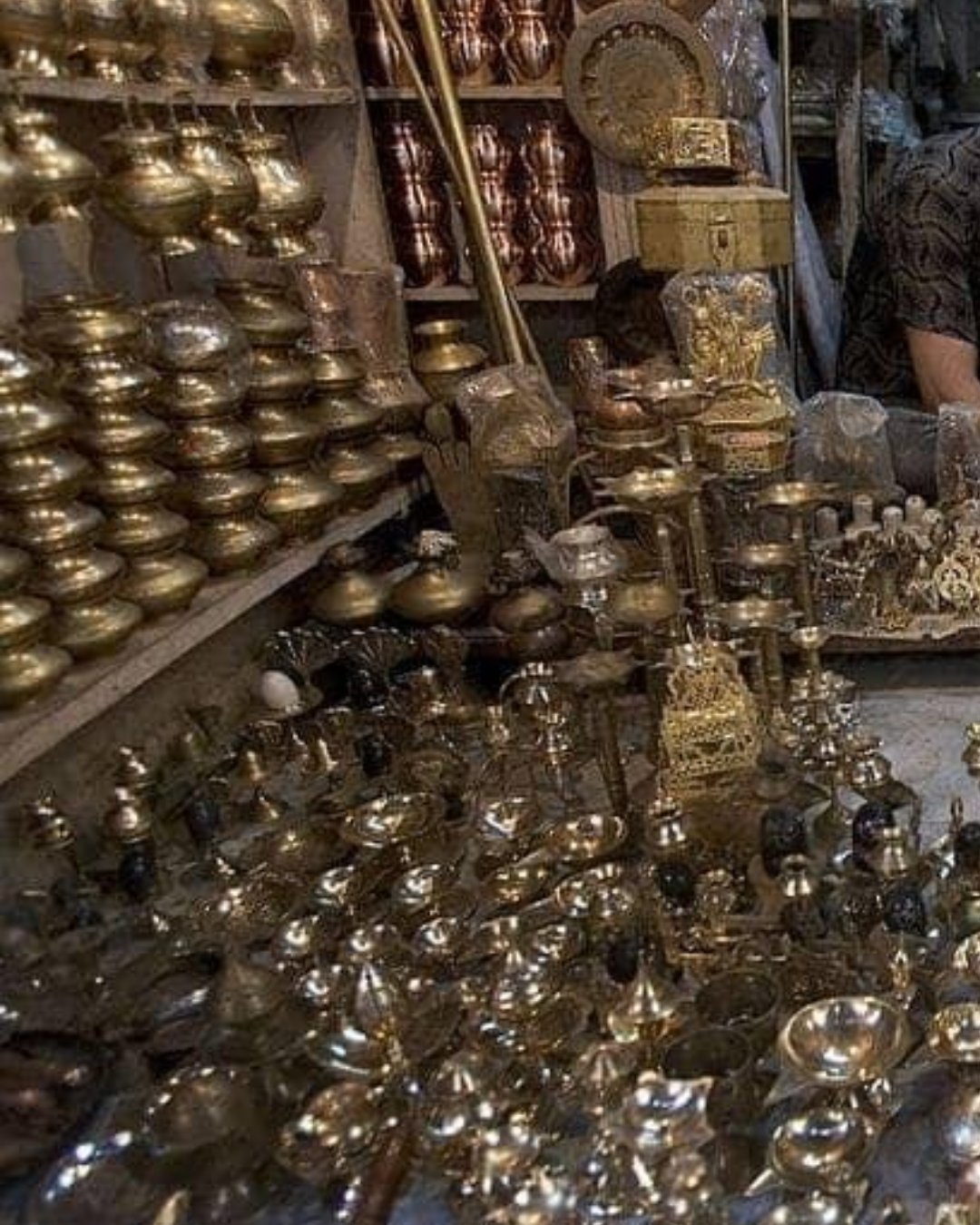
Brass and bronze — Thatheri Bazaar is the metal lane: puja lamps, bells, idols, and utensils, sold by weight.
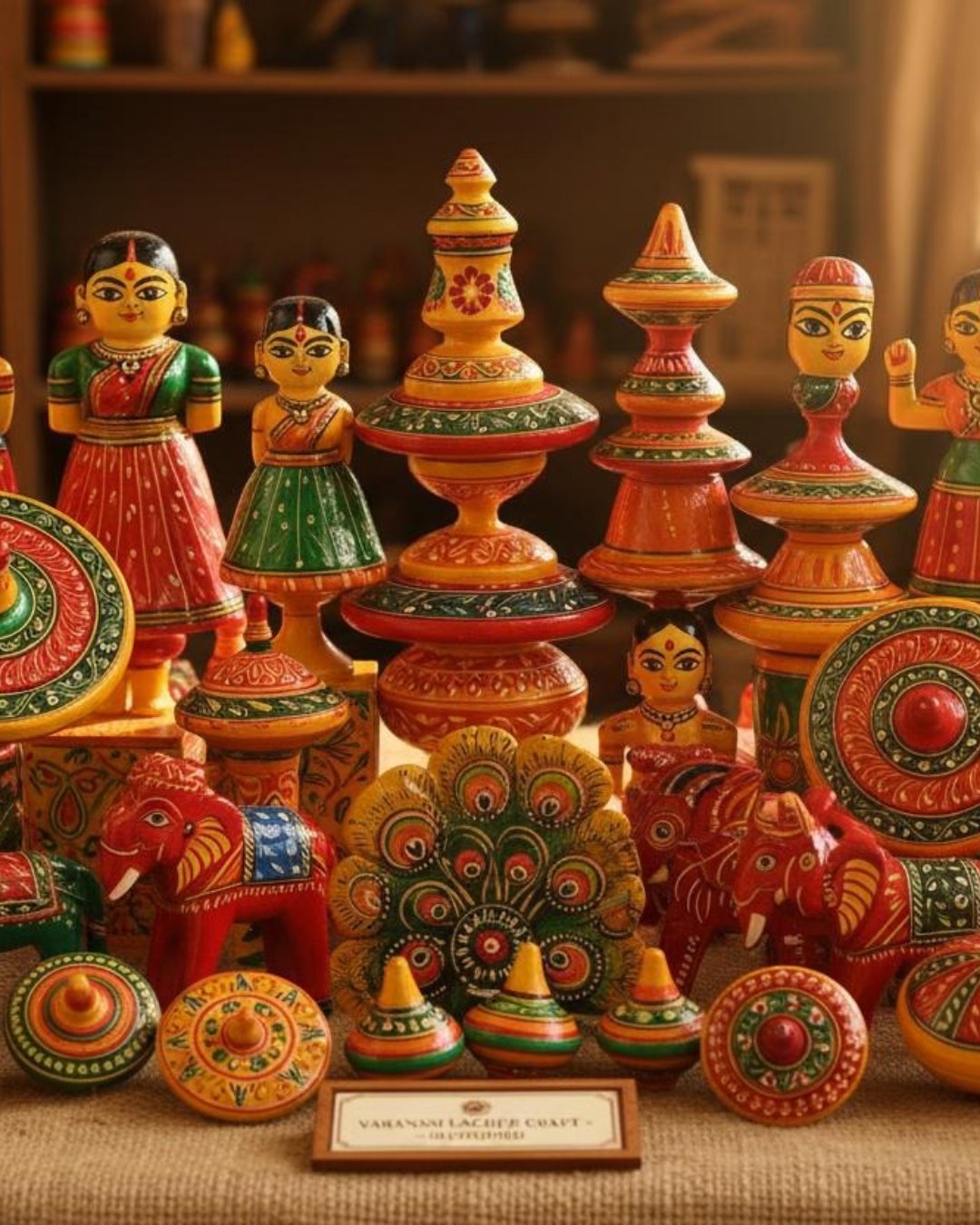
Lacquered wooden toys — the bright, turned-and-painted toys and figures Varanasi has made for centuries.
Glass beads and bangles — from nearby, spilling through the bazaars in every colour.
Wall hangings and gulabi-thread work — the softer textile crafts that aren't full silk.
When you head into the bazaars, carry small notes and a cloth bag, and expect to bargain gently — it's normal, and starting around half the first ask is a fair opening in the bazaars.
Your phone can be surprisingly useful when you're shopping these crafts. Travellers who shop well here will tell you the same thing: photograph the piece and do a quick search on the craft — meenakari, the brass weight-price, the GI tag — before you commit, not after. A dealer who's selling the real thing won't mind a buyer who knows what it is; the one who bristles is telling you something. That small check, made in the lane rather than back at the hotel, is what separates a real bit of Banaras from a marked-up souvenir.
Pro tip: Buy meenakari from a known workshop or a GI-tagged maker, not a ghat-side stall — the genuine pink-enamel work is scarce and widely faked. For brass, Thatheri Bazaar prices by weight, so know the rough rate before you go. And be wary of any "guide" or driver who insists on taking you to a particular emporium — the commission is inside your price, every time. Ask to go to the craft lanes instead.
The mistakes that ruin it
The easiest way to overspend is to treat every Varanasi craft as something you should buy from the same tourist showroom. Most first-timers trip over the same few things. They buy everything in one tourist emporium at a marked-up, commission-loaded price. They pay silk-saree money for machine-made imitations. Or they let a driver choose the shop and never see the workshops at all.
The simplest solution is to shop the old-city craft lanes in the morning, know roughly what things should cost, and go with someone who isn't earning a percentage of your bill.