


The Commission Scam — and How to Beat It
Vishwanath Gali, Varanasi, India
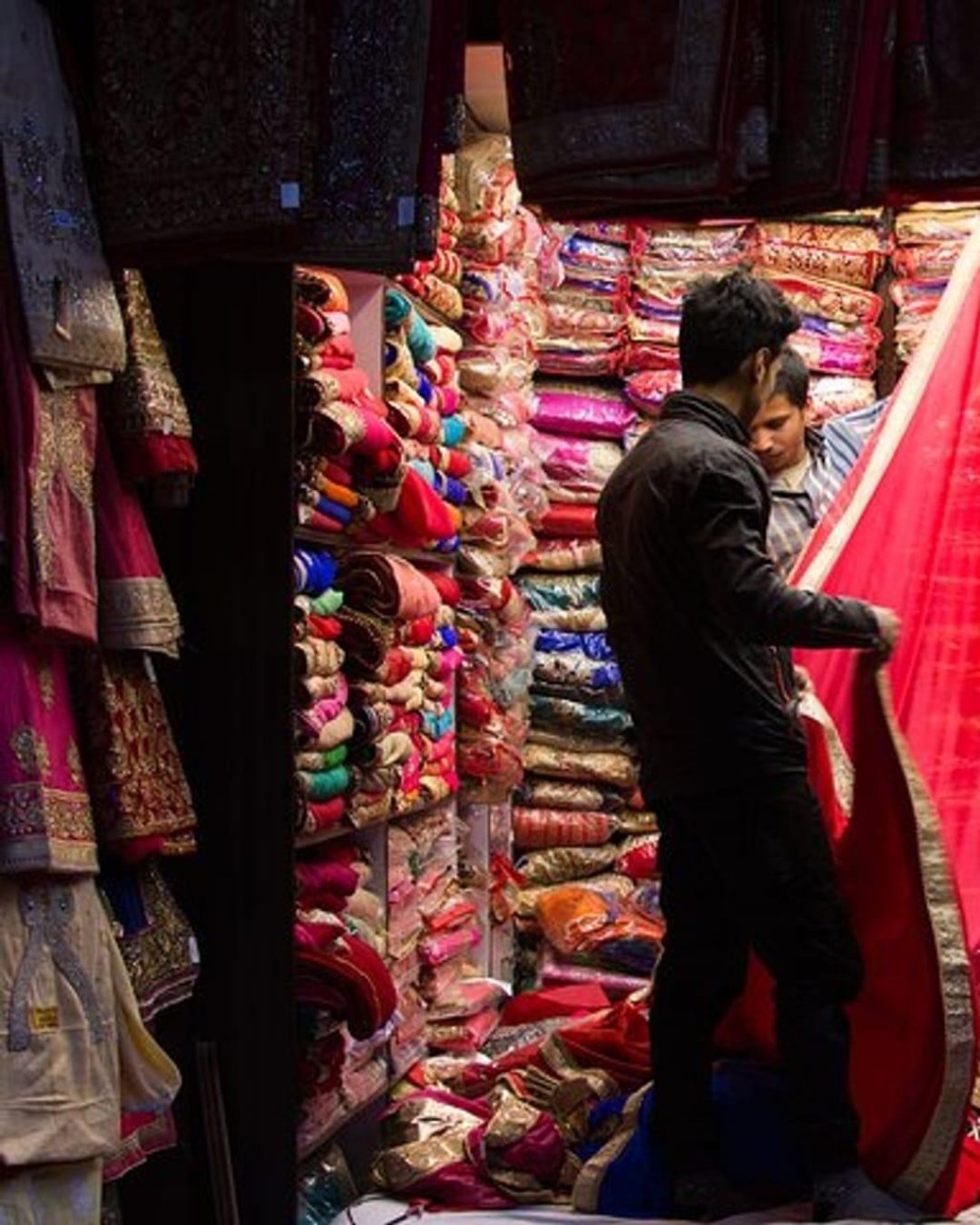
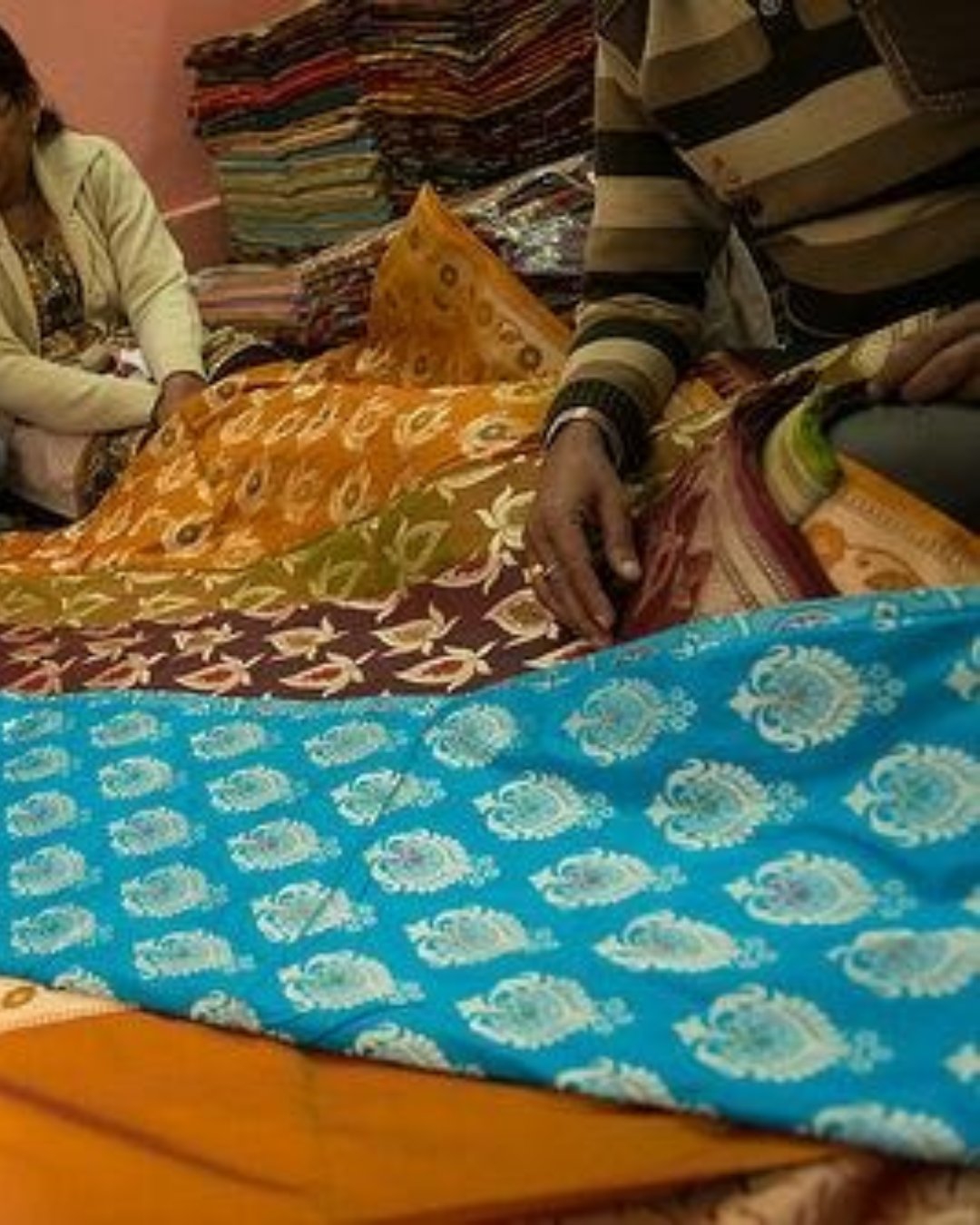
You walk into a Varanasi silk shop expecting to bargain over a saree, not to negotiate your way through a commission chain. But what if the person “helping” you choose the right shop isn't actually helping you at all? A friendly auto driver recommends a particular emporium, a stranger promises “genuine handloom,” or a guide insists that one shop has the best Banarasi silk in the city. The saree may be beautiful, the salesman may be convincing, and the price may even sound reasonable — but somewhere behind the recommendation, a commission can quietly be built into what you pay. That is the shopping trap to watch for in Varanasi: not one dramatic scam, but a chain of small incentives designed to make you buy where someone else earns a cut. Knowing how that chain works — and how to step outside it — is one of the easiest ways to shop for genuine Banarasi silk without paying for someone else's commission.
Before you accept advice from someone who suddenly appears helpful, understand how the money trail works. Here's how the commission scam actually works, and how to beat it.
Why it's a commission, not a robbery
The important thing to understand is that most tourist-targeting schemes in Varanasi aren't about stealing your belongings. The economy that targets tourists runs on commission — a percentage kicked back to whoever delivered you to the sale. Your rickshaw driver who "knows a good silk place," the guesthouse tout who recommends a restaurant, the boatman who takes you to a particular ghat-side shop: each is paid a cut, and that cut is baked into the price you pay, marked up 30, 50, sometimes 100 percent to cover it.
Once you recognise that pattern, a lot of seemingly random interactions become easier to read. The over-friendly stranger, the unsolicited "let me show you," the driver who's suddenly parked outside an emporium you didn't ask for — none of it is coincidence. It's the funnel, and you're the product being delivered.
Where you'll actually meet it
Certain parts of a Varanasi trip attract this kind of commission arrangement again and again:
Silk shops — "factory direct," "government approved," a driver's favourite. The markup is the commission.
The cremation-ghat wood scam — a "guide" walks you close, then asks you to buy wood for a "poor family." Pure theatre.
Pandit and puja touts — someone who attaches at a temple and arranges an inflated "special" ceremony.
Boat and guide fixers — the tout who finds you a boatman, and adds his layer on top.
Auto and cycle-rickshaw "recommendations" — the detour to a shop you never asked to visit.
The good news is that avoiding the system doesn't require confrontation. None of this requires you to be rude. It requires you to be clear.
Your phone can be useful here as a quick reality check rather than a distraction. Check a price, a distance and a fair fare before you engage, not after. Travellers who beat this will tell you the same thing — the moment you can say "I know what this costs and I know where I'm going," the funnel stops working, because you're no longer someone who can be steered. That quiet confidence is the part no guidebook quite conveys.
Pro tip: Decouple advice from money. Never shop, book a pandit, or hire a boat through the person who brought you there — the driver, the tout, the over-helpful new friend — because that person is being paid on your spend. Say "no shops, direct to the destination" to every auto before you get in, and hold to it. Buy silk from a fixed-price government or well-reviewed independent store you chose, not one you were delivered to. And decline every unsolicited "guide" politely but firmly; the good ones you book in advance, they don't grab your arm.
The mistakes that make you a target
The same few habits make first-time visitors particularly easy to steer. They accept the "friend" who offers to show them around for free. They let the driver pick the shop. Or they negotiate a price after they've already followed someone somewhere, when the leverage is gone.
The simplest solution is to arrange your boat, guide and shopping yourself, in advance, and refuse to let the person transporting you also be the person selling to you.