
What Varanasi Is Actually Worth Buying
Madanpura, Varanasi, India
Everyone comes home from Varanasi with a scarf. Almost nobody comes home with the thing they should have bought.
Varanasi is the kind of city where shopping can easily become a checklist: buy a Banarasi silk saree, walk through a market, bargain for a souvenir, and leave. But if you look beyond the obvious silk counters, the city opens up into a much richer craft story. Varanasi is not simply a place to shop for souvenirs; it is a place to discover traditions that have been shaped by generations of artisans, traders, and families. Some of the most interesting things to take home are not the items with the biggest tourist signs, but the crafts whose techniques and identities are closely tied to the region.
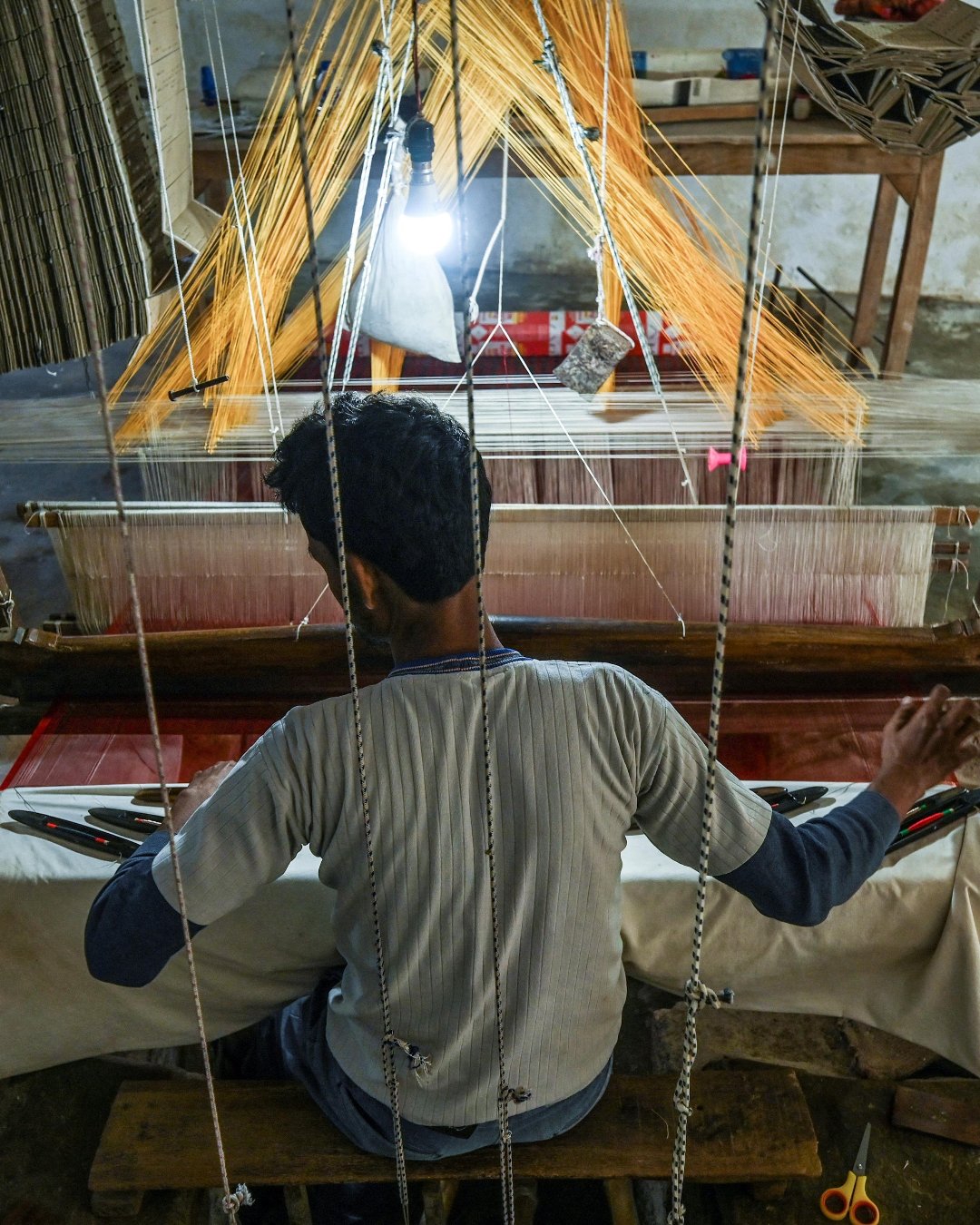
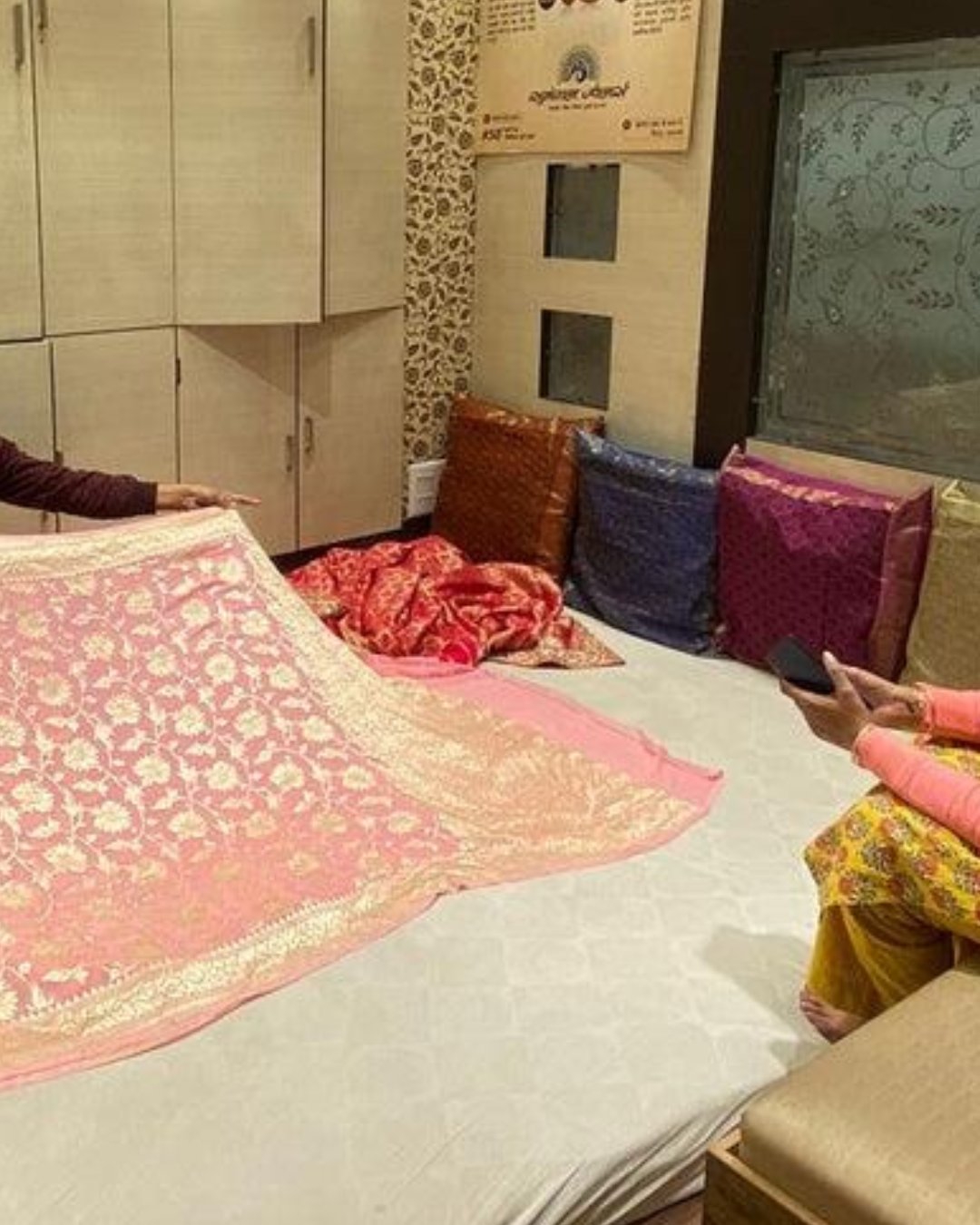
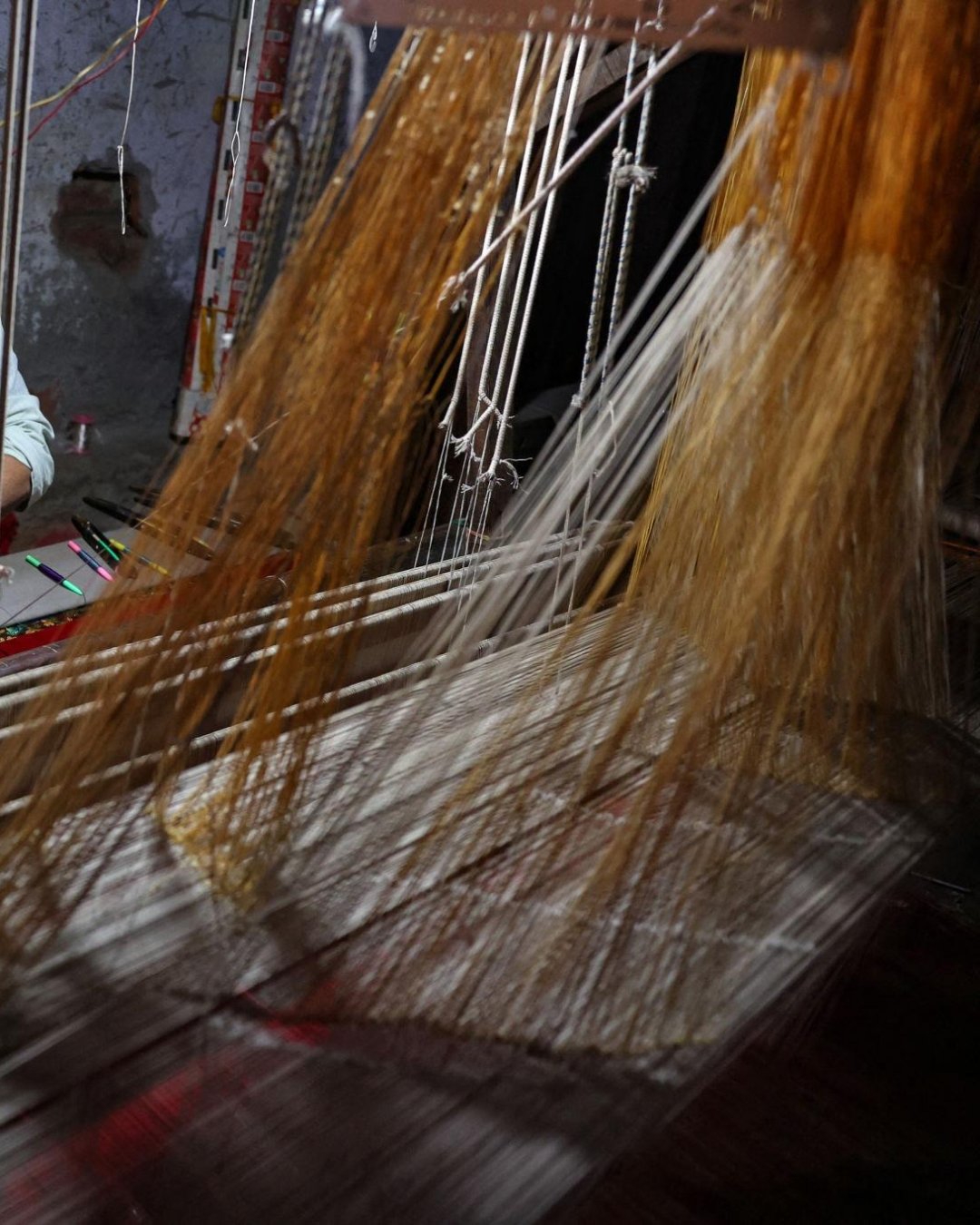
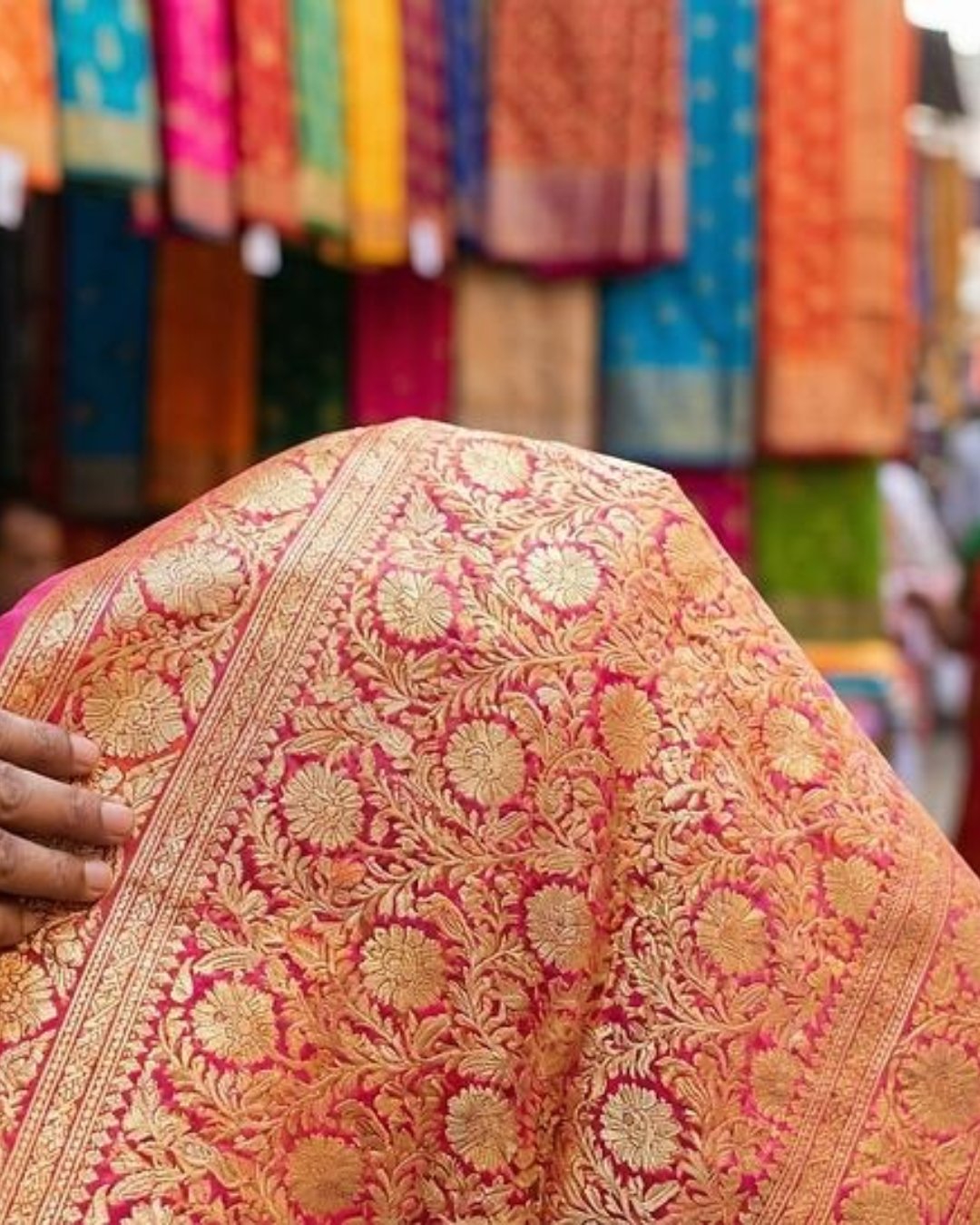
The obvious starting point is Banarasi silk, the headline purchase and the craft most strongly associated with Varanasi. Its appeal lies in the intricate weaving, rich zari work, elaborate motifs, and the skill required to produce it. But silk is also where shoppers need to be most careful. A saree described as “Banarasi” is not automatically the same as a traditionally handwoven Banarasi silk product, and prices can vary enormously depending on the fibre, weaving technique, zari, design, craftsmanship, and seller. The Banaras Brocades and Sarees tradition has a GI tag, giving the regional product a recognised geographical identity, but the tag alone does not mean every expensive saree in a tourist shop is necessarily the best choice. Understanding what you are buying matters more than simply buying from the most polished showroom.
Then there is Gulabi Meenakari, one of Varanasi's most distinctive decorative crafts. Recognisable for its delicate pink enamel work, it is traditionally associated with jewellery, decorative objects, and religious or ceremonial pieces. The craft is particularly interesting because it demonstrates how Varanasi's artistic traditions extend beyond textiles. The pink enamel is often combined with gold or other metals to create intricate designs, and the work requires considerable hand skill. It is the kind of purchase where looking closely at the finishing, workmanship, and craftsmanship tells you far more than a sales pitch.
Thatheri brass and copper work offers another side of the city's material culture. Traditionally associated with metalworking communities, these artisans create utensils, lamps, religious objects, vessels, and decorative pieces. Brass and copper products can be particularly good purchases if you want something practical as well as culturally connected to the city. However, shoppers should ask whether a piece is actually made locally or sourced from elsewhere and resold. Weight, finish, construction, and the quality of the metal can all help distinguish a carefully made traditional object from a mass-produced souvenir.
The colourful lacquered wooden toys of Varanasi bring yet another craft tradition into the picture. These small toys and decorative objects are often brightly painted and have a distinctly handmade character. They are lighter and easier to carry than brassware or a silk saree, making them an appealing souvenir for travellers who want something inexpensive but more distinctive than a generic tourist trinket. As with other crafts, however, the closer you look at the finishing and construction, the easier it becomes to distinguish handmade work from factory-produced copies.
Ultimately, the best Varanasi shopping experience is not about filling your suitcase with everything the market offers. It is about choosing a few things whose craftsmanship, origin, and story you actually understand. Banarasi silk may be the headline, but meenakari, brass, wooden toys, rudraksha, and attar reveal a much broader Varanasi — one built not only around the Ganga and its ghats, but around hands, workshops, techniques, and traditions passed from one generation to the next.
And among all these purchases, Banarasi silk deserves special attention. It is the city's most famous craft, one of its biggest shopping draws, and also one of the easiest purchases for a visitor to get wrong. So before you buy that saree, the next moment breaks down what makes Banarasi silk genuinely Banarasi — how it is made, what to look for, what the different qualities mean, and how to avoid paying premium prices for something that only sounds authentic.