

Safety on the Ganga.
Dashashwamedh Ghat, Varanasi, India
The Ganga at Varanasi is a real river with real currents, and boats here do capsize. The difference between a magical evening and a genuinely dangerous one is a few questions you ask before you step in — not after.
No life jackets, no headcount, an oarsman pushing off into the dark with twenty people aboard — and everyone assuming someone, somewhere, has checked that this is fine. But here's the thing nobody tells you: the Ganga at Varanasi is a real river with real currents, boats do capsize, and the difference between a magical evening and a genuinely dangerous one is a few questions you ask before you step in, not after.
Let's fix that. Here's how to stay safe on the Ganga, and how to get it right the first time.
Why the boat you choose matters more than the price
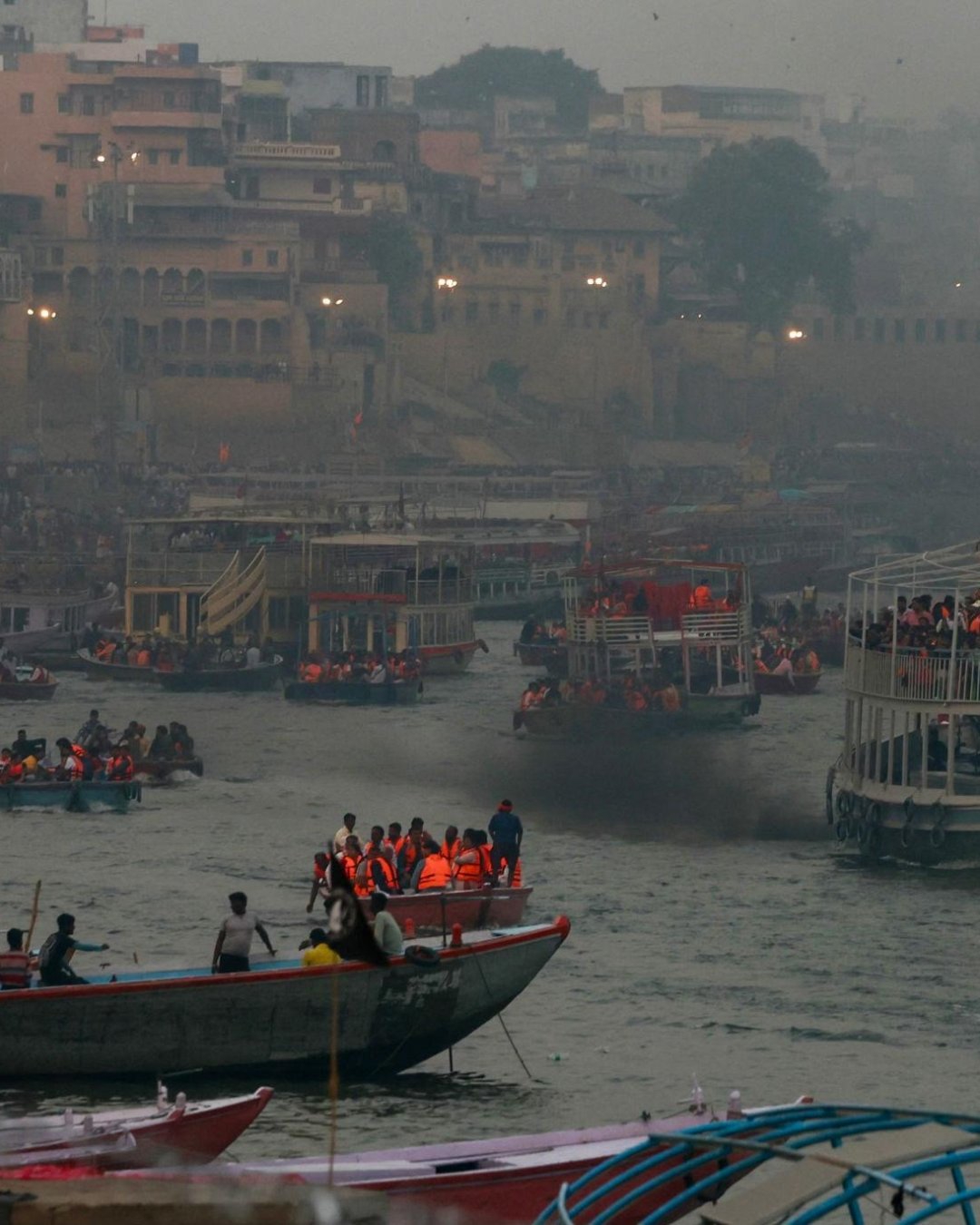
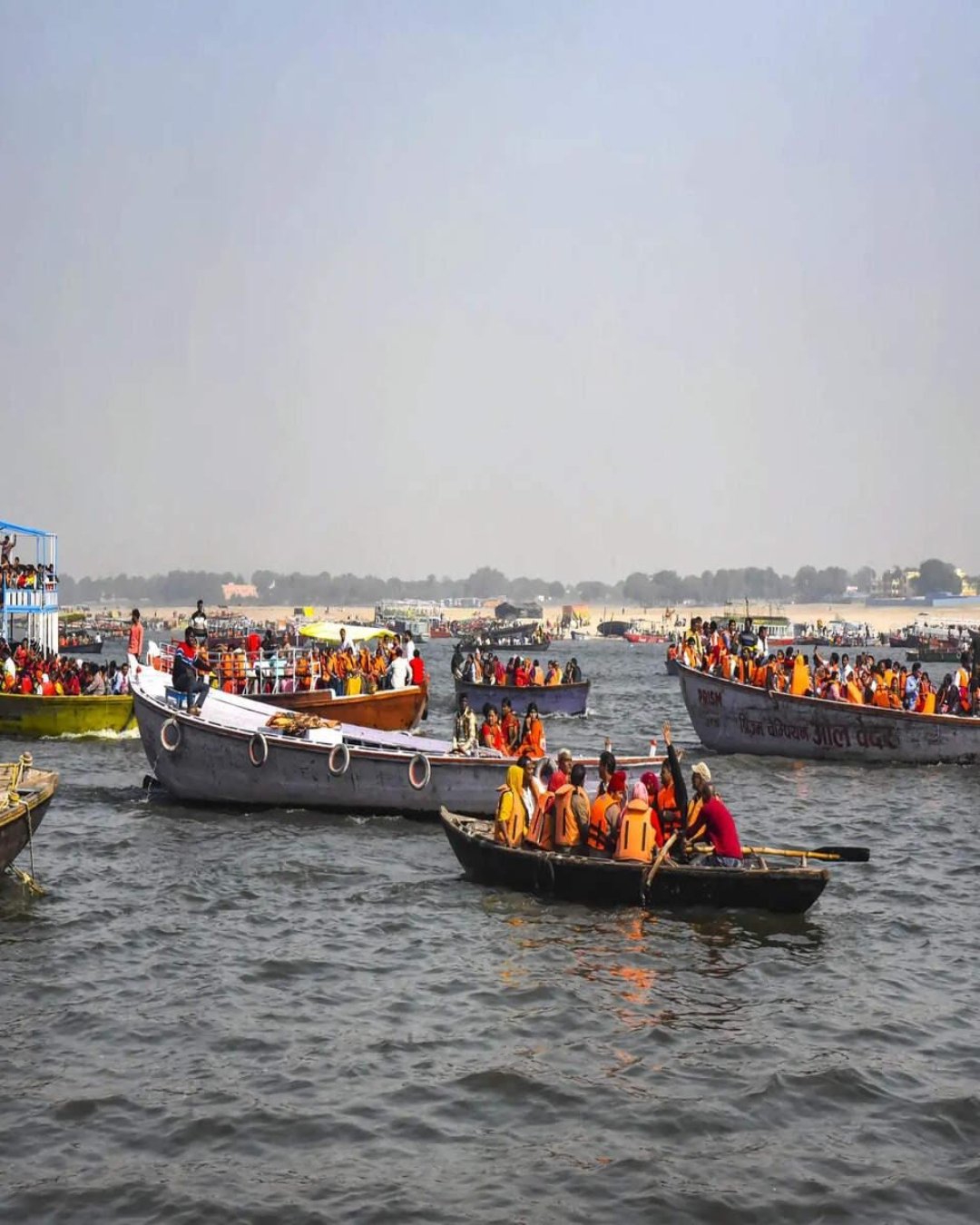
Most incidents here come down to overloading. A wooden rowboat built for a dozen gets loaded with twenty-five on a busy aarti evening, sits low in the water, and has no margin if the wind picks up or the wake from a bigger boat hits it. Cheaper and fuller is exactly the wrong instinct.
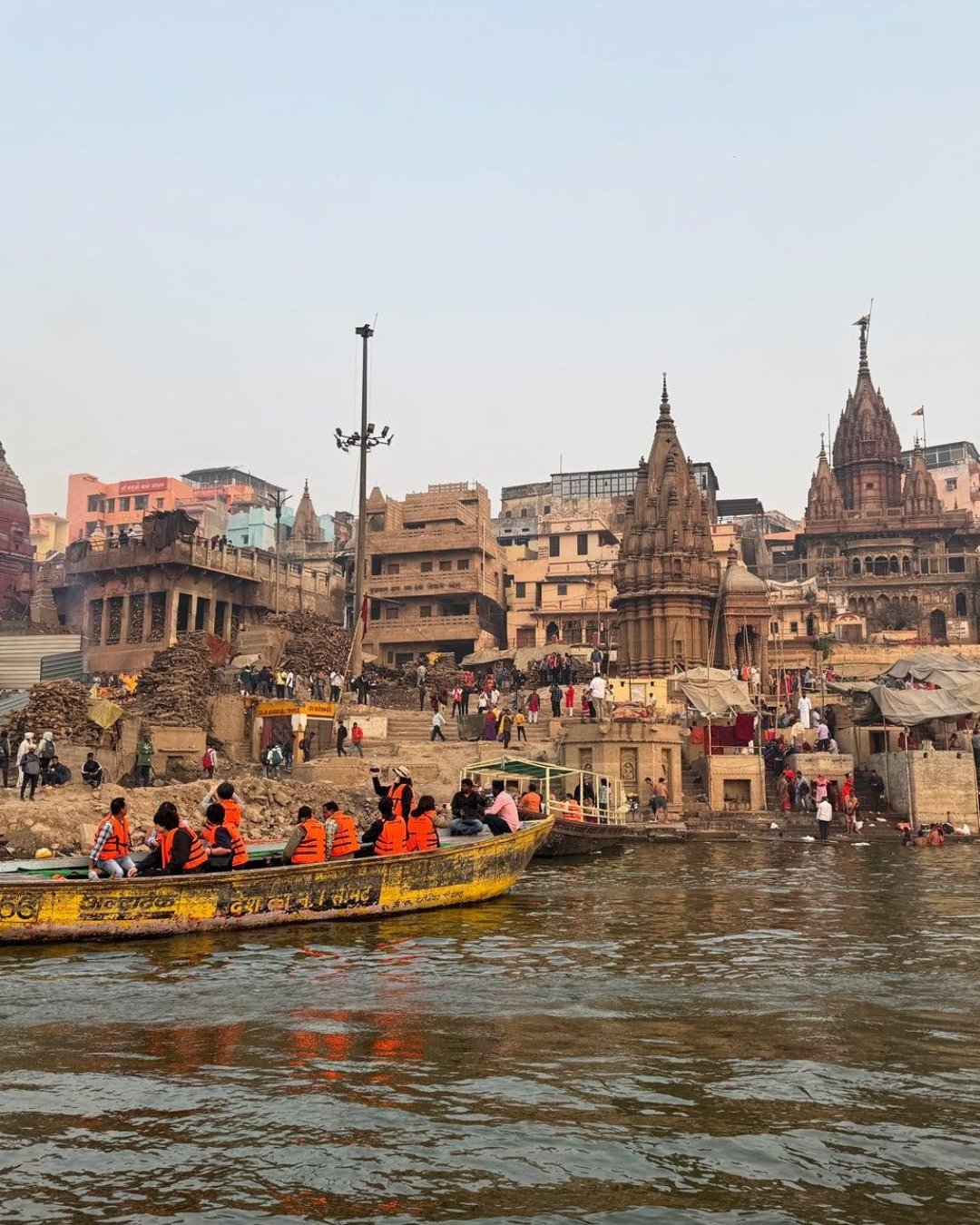
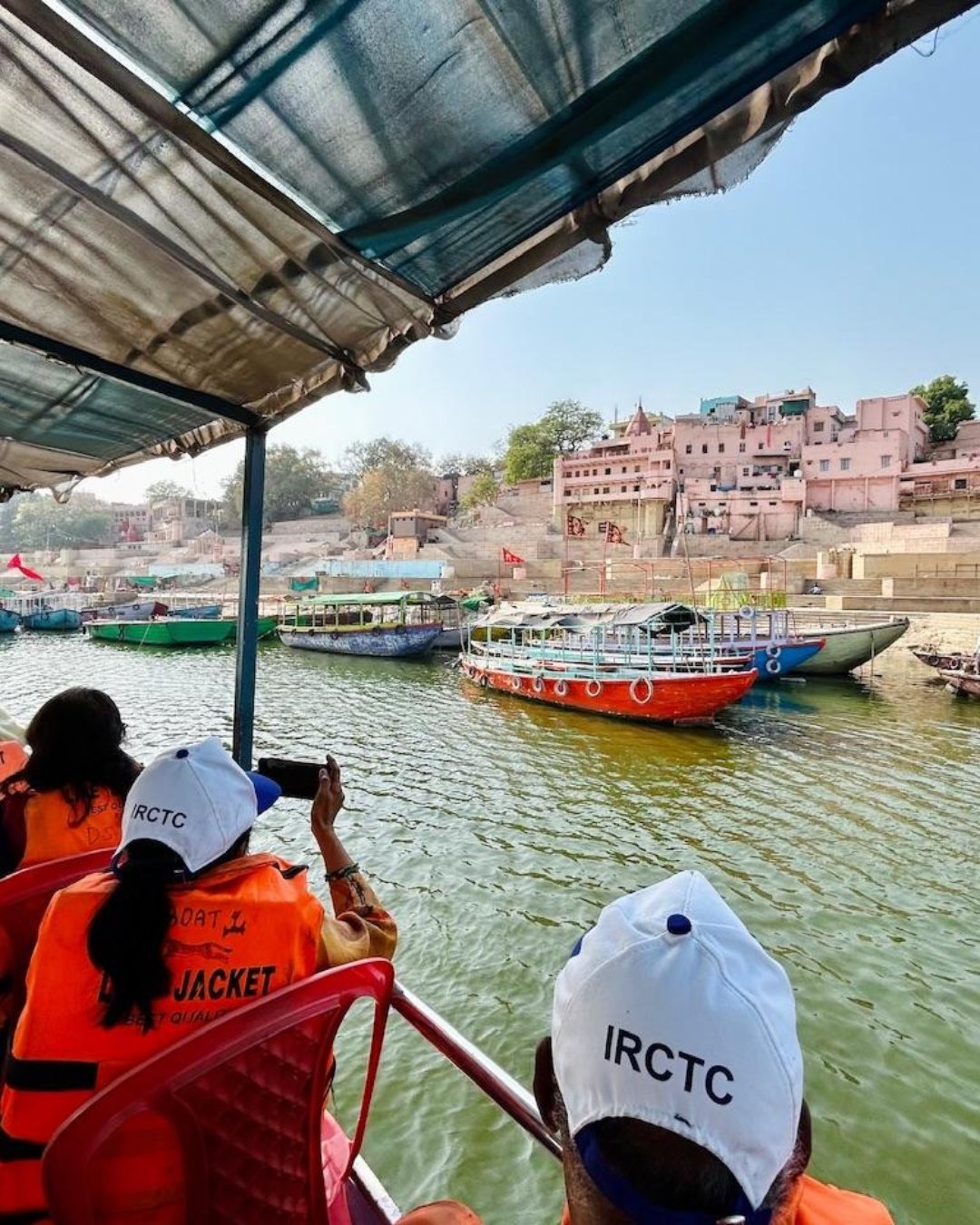
So the single best safety decision is the boat itself: one that isn't overloaded, with life jackets actually aboard, run by an operator who isn't cramming in one more fare. That usually means paying a little more for a private or properly-limited boat rather than squeezing onto the cheapest crowded one. On aarti evenings especially, when the river is at its busiest, this is the call that matters.
What to check before you board
Thirty seconds of looking, before your feet leave the steps:
Life jackets — are they on the boat, one per person, and will yours actually be worn? Insist, particularly for children.
The load — is it sensibly full or dangerously packed? If it's already low in the water, wait for the next one.
The boatman — sober, unhurried, and clear about the route and duration you agreed.
The weather — in monsoon (July–September) the current runs hard and high; boating is sometimes suspended for good reason, so don't push it.
Bring a light layer and keep your phone and valuables zipped away — not just against pickpockets in the crush, but because a phone lost overboard is gone.
And here's the part people get wrong for the right reasons: the river is holy, but do not drink it or swim in it. Pilgrims bathe here as an act of faith, with lifelong immunity you don't have; for a visitor the Ganga at Varanasi carries serious pollution, and a mouthful can mean a ruined trip. Float your diya, dip a hand if you wish, and leave it there. That restraint is the part no one puts in the brochure.
Pro tip: Book through your hotel or a known operator rather than the loudest tout on the steps — a boatman with a reputation to keep is a safer boatman. Agree the price, route and duration on land, confirm life jackets before boarding, and never let anyone rush you onto a boat that's already too full. If you can't swim, say so and wear the jacket the whole time. And keep a firm hand on children the entire ride; the steps and the gunwales are slick.
The mistakes that ruin it
Most first-timers trip over the same few things. They pile onto the cheapest, fullest boat on a packed aarti night. They skip the life jackets because nobody else is wearing one. Or they treat the holy river as clean and take a sip or a swim they regret.
The easy fix is to choose a safe, properly loaded boat, confirm life jackets before boarding, agree the price, route and duration in advance, and avoid overcrowded boats — especially during the evening aarti and festivals.