

Boat-Ride Photography.
Assi Ghat, Varanasi, India
You've probably saved the shot already — golden light, silhouetted boats, a wall of glowing steps — and assumed you'll come home with it. But the people who took those knew exactly where to sit, which light to wait for, and when to put the camera down.
Golden light on the water, silhouetted boats, a wall of ancient steps glowing. Then you get on the boat, fire off two hundred frames from a moving rowboat in the half-dark, and every one comes out blurred, tilted, or a muddy grey nothing. But here's the thing nobody tells you: the photos you love were taken by people who knew exactly where to sit, what light to wait for, and — crucially — when to put the camera down. Do it wrong and you'll spend the best hour in Varanasi staring at a screen and still get nothing.
Let's fix that. Here's how boat-ride photography on the Ganga actually works, and how to get it right the first time.
Why the light, not the gear, decides your shots
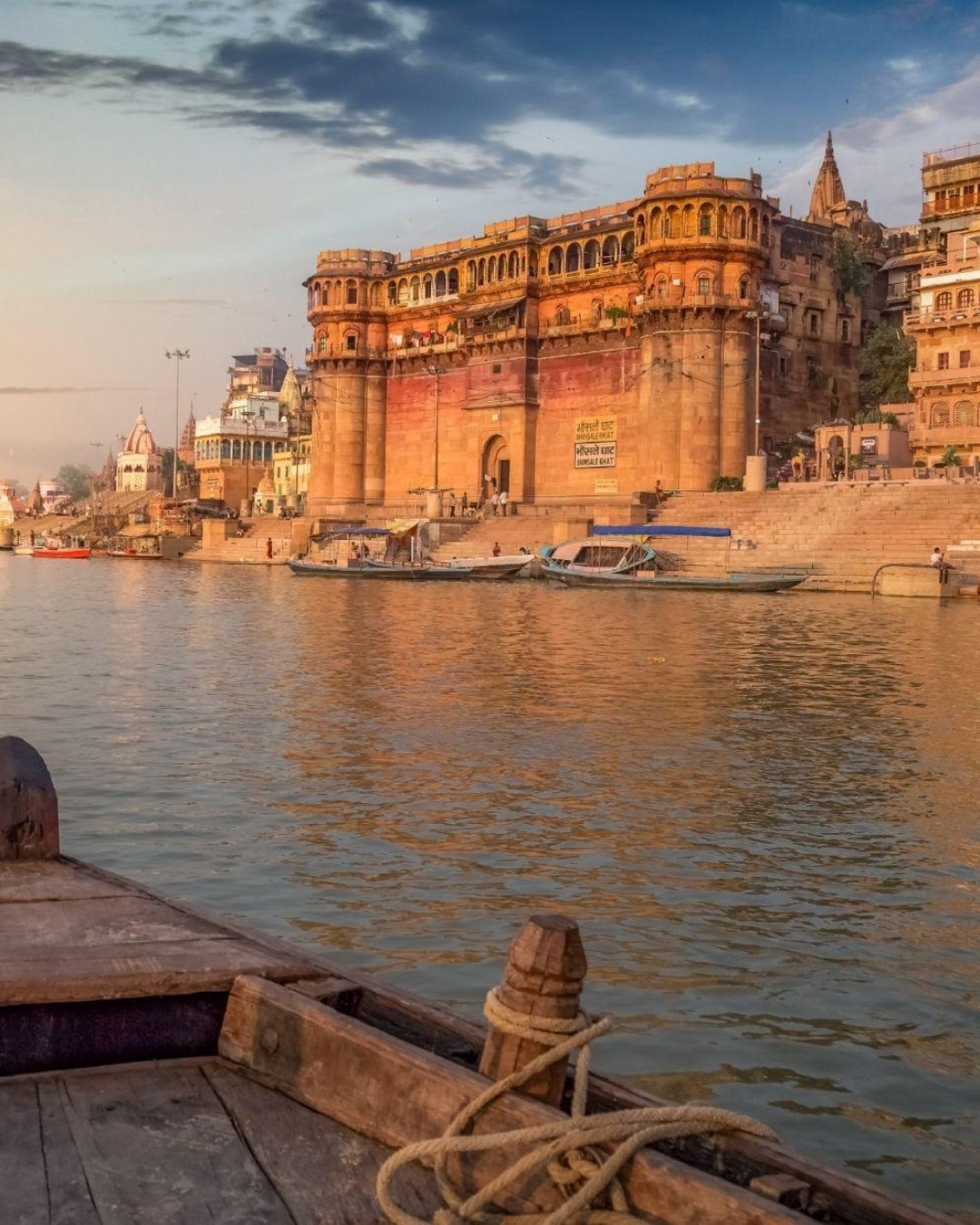
The famous Varanasi photograph is a light photograph, not a camera one. The magic window is narrow: the twenty minutes before sunrise, when the sky glows and the ghats catch warm colour, and the twenty after, when the sun clears the far bank and rakes gold across the steps. Miss that and you're shooting flat, hard light on a grey river.
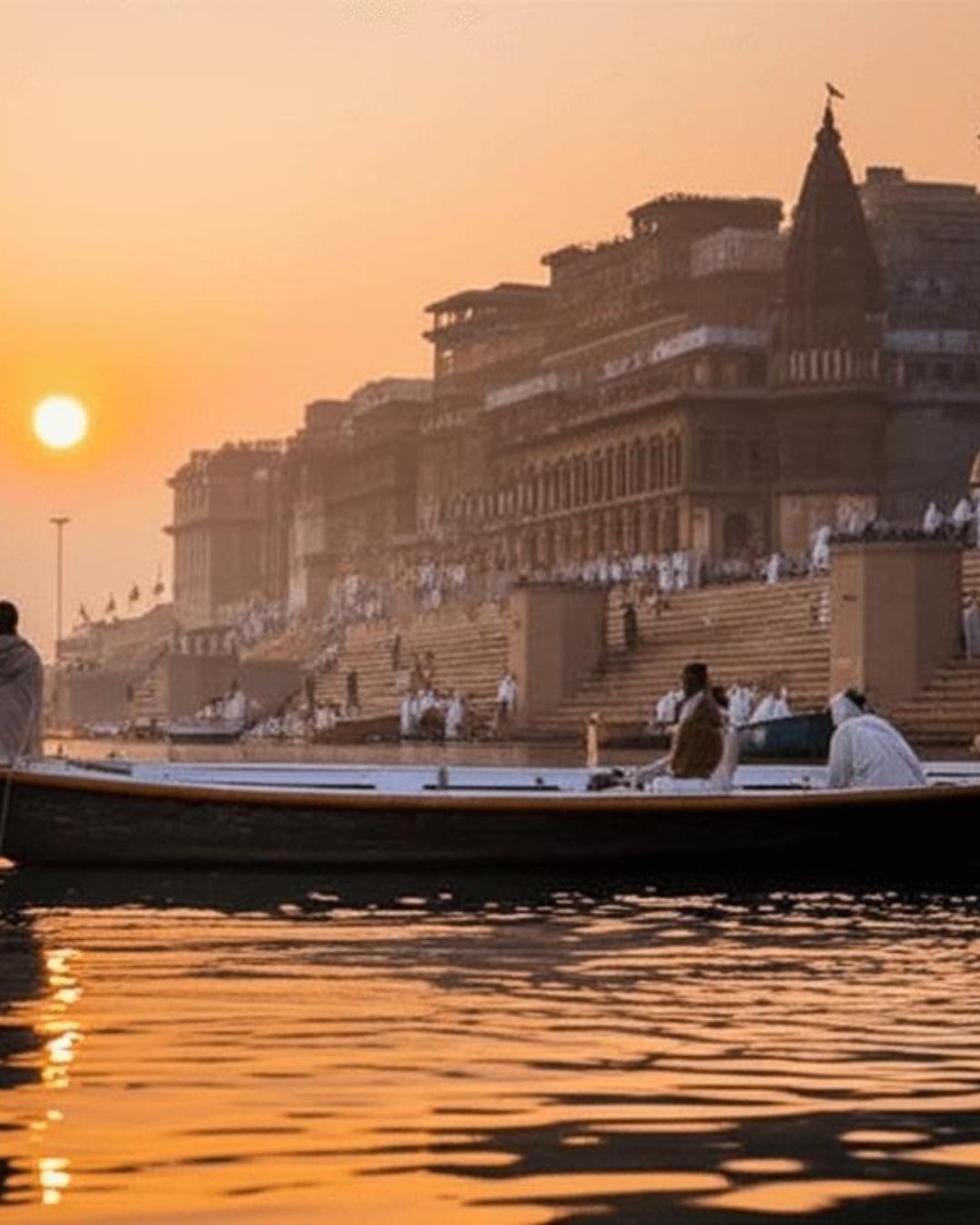
So the whole game is being on the water before the sun — hotel by 5:00 to 5:30 in summer — and being ready when it turns. The far (eastern) bank is open sand, so the sun comes up straight across the river into your lens. That's your backlight, your silhouettes, your reflections. By eight it's gone.
What you'll actually shoot
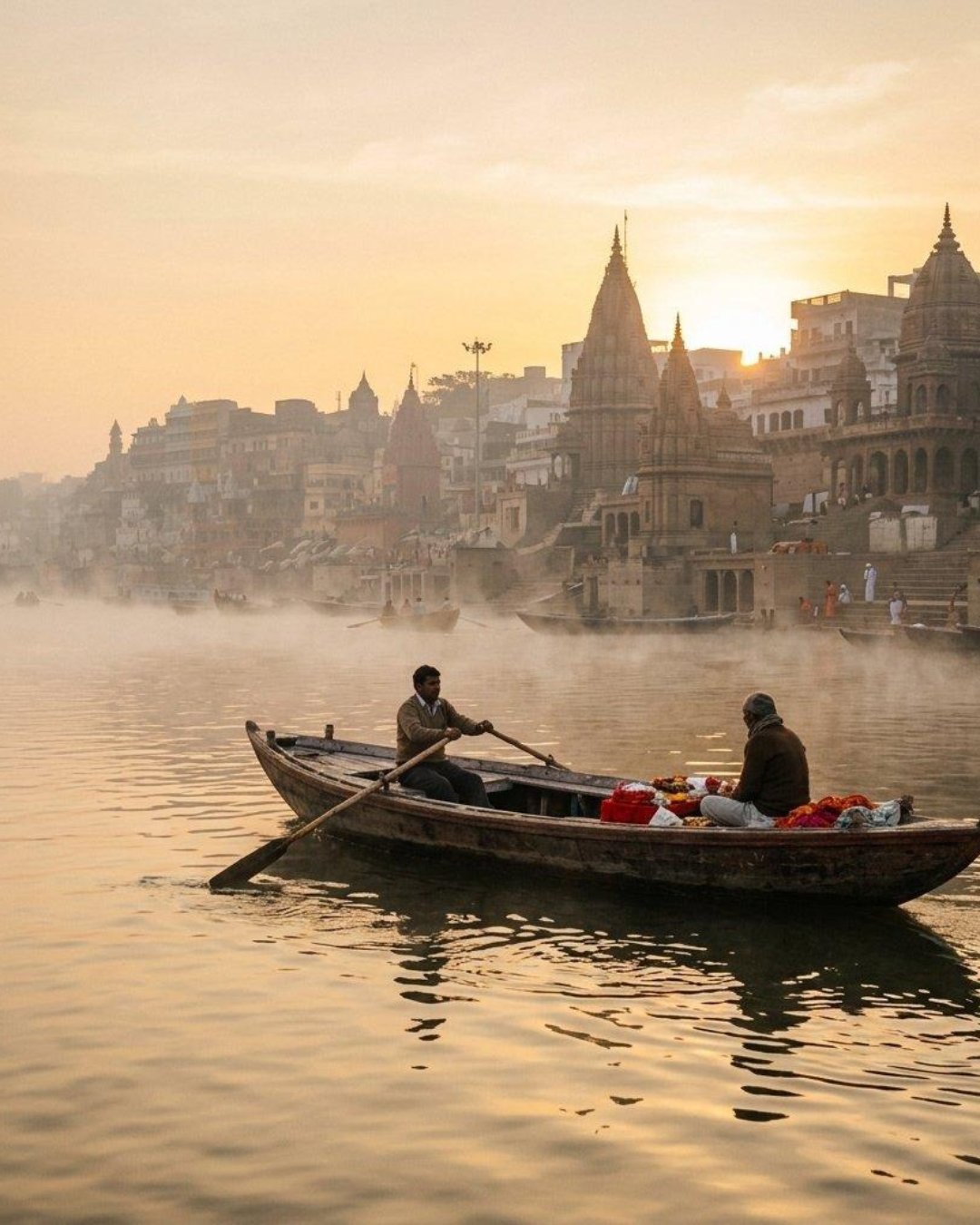
From a slow rowboat, close to the ghats, you'll get:
The ghats in warm light — the classic wide shot, steps and temples stacked up the bank.
Silhouetted boats and bathers — against the rising sun and its reflection on the water.
Diyas and detail — little floating lamps, folded hands, marigolds, close and low.
Life on the steps — priests, sadhus, dhobis, the everyday, from just offshore.
Bring a jacket — it's cold and breezy on the water at dawn — and something to steady you, because the boat never stops moving.
And keep the camera down for the first ten minutes anyway. Travellers who've done this will tell you the same thing: the urge is to shoot from the second you push off, but if you photograph the whole ride you never actually see it, and your pictures are worse for the panic. Watch first, find the light, then shoot with intent. The bells, the chanting, the slap of the oar — that's the part no photo catches, and chasing it with a lens is how you lose it.
Pro tip: Book a private rowboat, not shared and never a motorboat — you can ask the oarsman to slow, hold position, or turn you into the light, which a shared boat won't. Shoot at a high ISO and a fast shutter (1/500 or faster) to kill the boat's motion; brace your elbows on your knees. Shoot toward the sun for silhouettes and reflections, not away from it. And the hard rule that overrides every shot: at Manikarnika and Harishchandra, the cameras go away. No cremation photographs, ever — it's forbidden, and it's someone's funeral, not your portfolio.
The mistakes that ruin the shots
Most first-timers trip over the same few things. They arrive after the light and shoot flat grey. They spray hundreds of blurred frames from a moving boat instead of waiting for a few good ones. Or they point a lens at the pyres and get, rightly, confronted.
The easy fix is to be on the water before dawn in a private boat, shoot with the light rather than at everything, and know which two ghats are never photographed.