

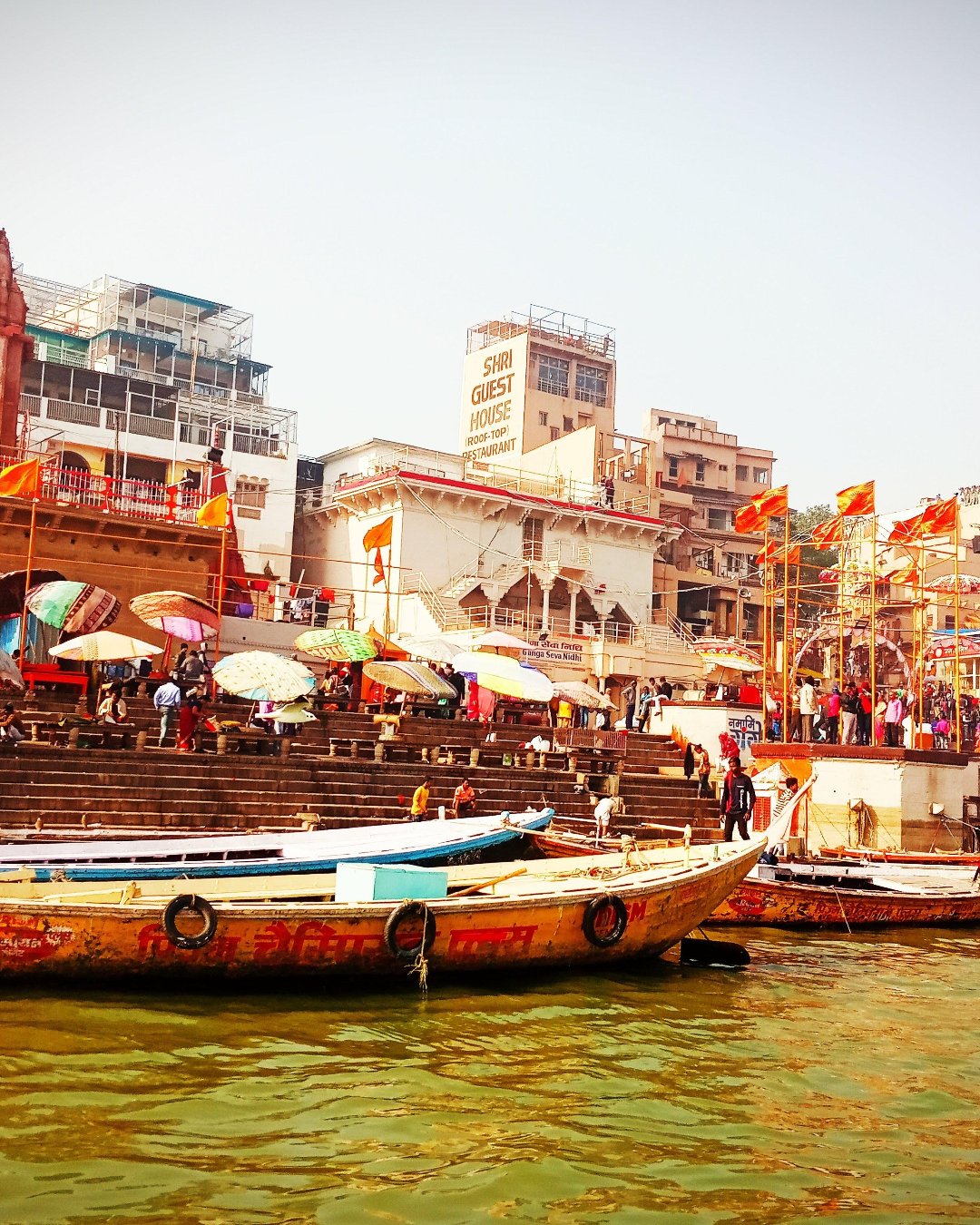
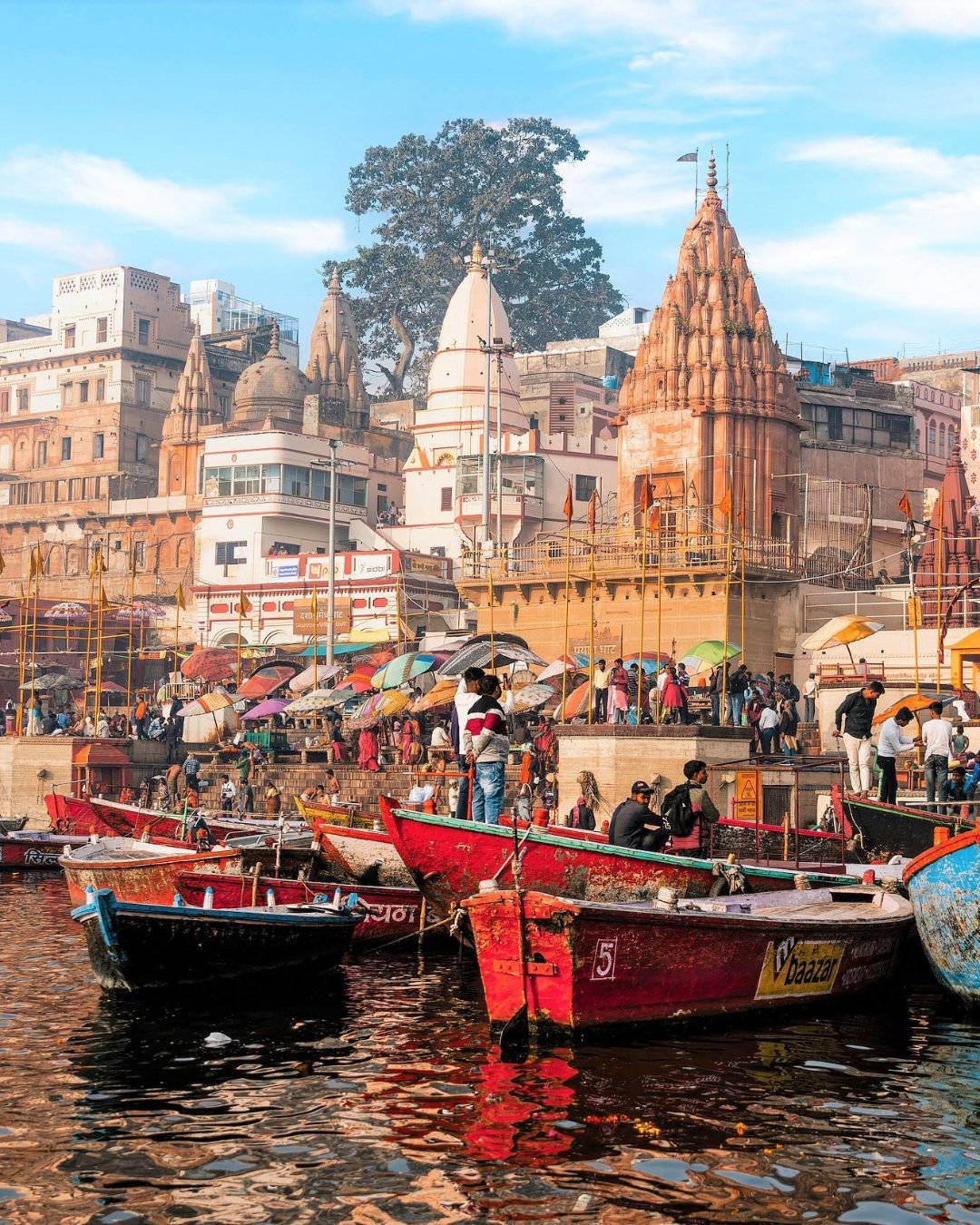
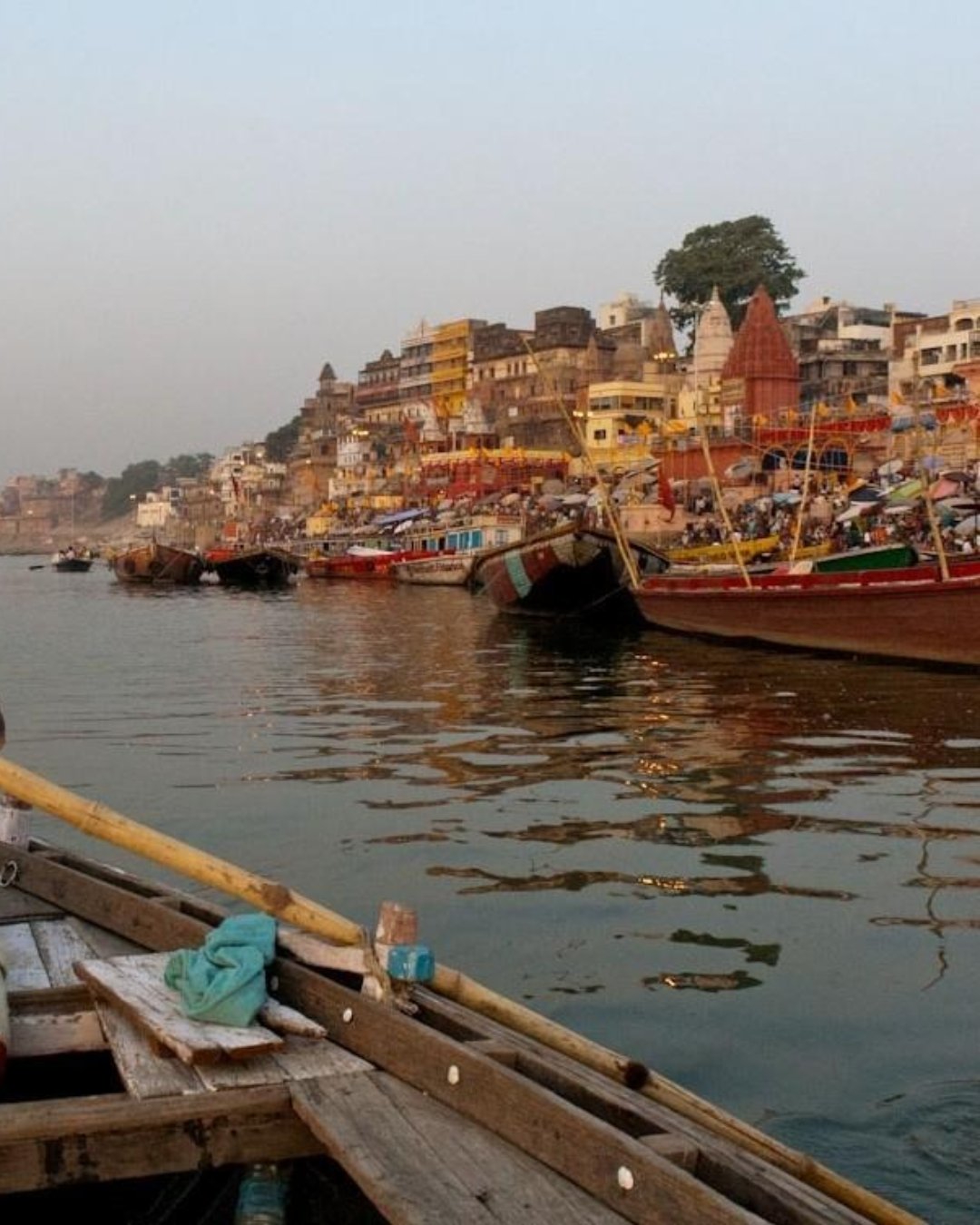
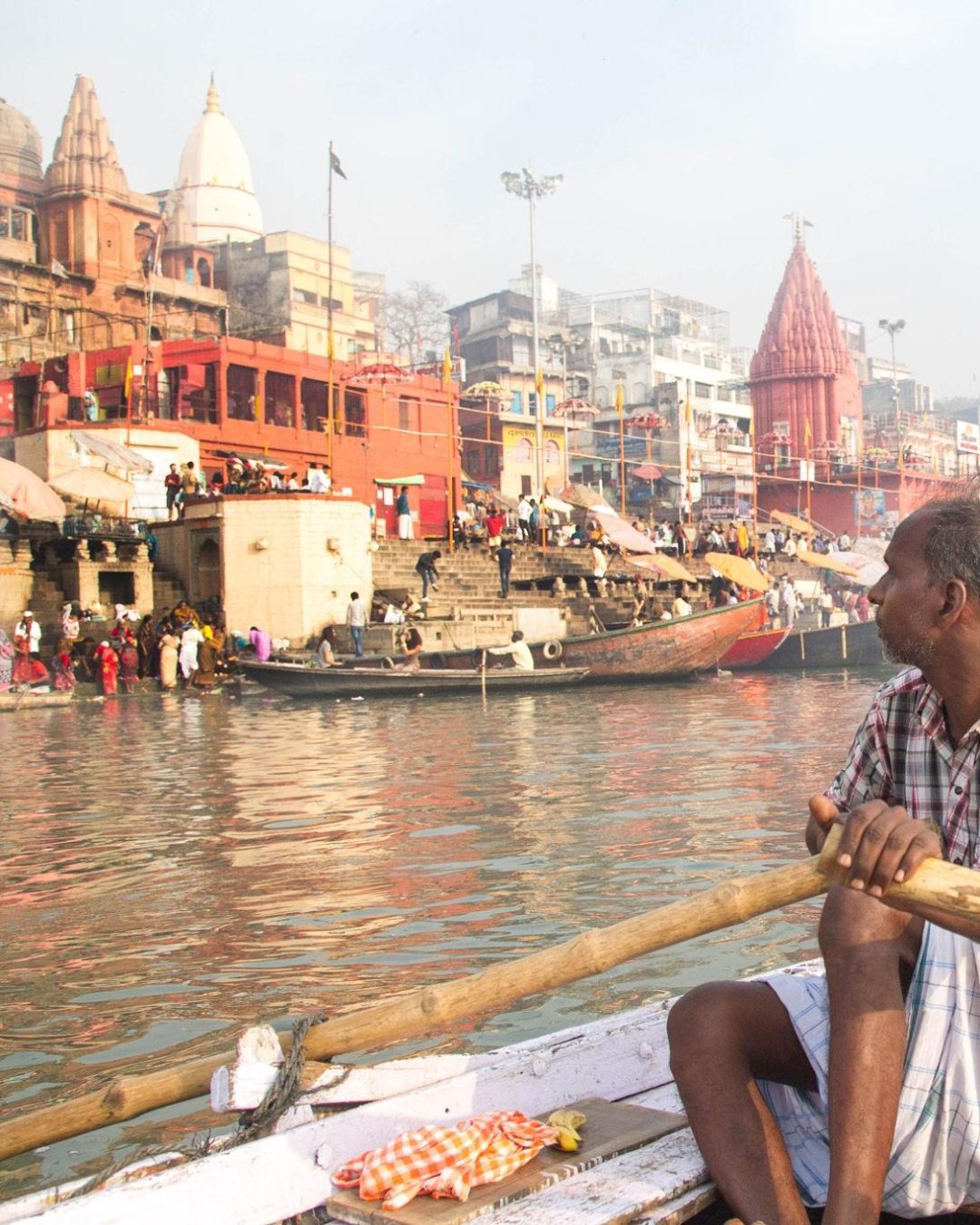
How to Book — and How to Bargain.
Assi Ghat, Varanasi, India
Two rules save you every rupee in this city: arrange the boat the night before, and never settle a price at 5 a.m. on the steps. Get those two right and the haggling mostly takes care of itself.
Varanasi has a reputation, and you've read the warnings: the touts, the "special price," the boatman who names a number and then triples it once you're mid-river. But here's the thing nobody tells you: almost every bad price in this city comes from booking in the wrong place at the wrong moment — on the ghat steps, at dawn, half-asleep, with ten men shouting at once. Fix when and where you arrange things, and the bargaining mostly takes care of itself.
Let's fix that. Here's how booking and bargaining in Varanasi actually work, and how to get it right the first time.
Why the night before beats the morning of
The single worst time to negotiate anything is 5 a.m. on the ghat, with the light coming and a boat you need now. You have no leverage, no time, and no way to compare — so you take the first number, and it's the wrong one. The touts know this, which is exactly why they work the dawn steps.
So move every decision earlier. Arrange the boat the evening before, through your hotel or a fixed-rate operator, and the pressure evaporates: you show up, you step in, you go. The same holds for guides, autos and the aarti seat. Anything settled in daylight, unhurried, with an agreed number, is a transaction. Anything settled at dawn on the steps is an ambush.
What you'll actually be quoted
Know the shape of the pricing before anyone quotes you:
Shared rowboat — the cheapest, per-seat, and you leave when it's full.
Private rowboat — a set price for the boat, by the hour; you set the pace and stops.
Motorboat — faster, louder, and wrong for a dawn ride where silence is the point.
Guides and autos — always priced up front, never "as you like" (which means "as I decide later").
Carry small notes, always. "No change" is the oldest way to turn your ₹500 into a ₹500 fare, and it works because you let it.
And here's the counterintuitive part: don't lead with the phone or the calculator. Travellers who handle this well will tell you the same thing — the tone matters more than the tactics. A calm "what's your best price?", a smile, and a genuine willingness to walk away will beat aggressive haggling every time. Fixing the number before you commit, not fighting over it after, is the part that actually saves you money — and the goodwill is worth more than the last fifty rupees.
Pro tip: Agree three things before you commit to any boat, auto or guide — the price, the duration, and exactly what's included (which ghats, how long, private or shared). Get it clear while you're still on dry land, in daylight, not once you're on the water and have no exit. Decline anyone who approaches you first; the ones who grab your arm are the ones to avoid. And if a deal needs deciding at 5 a.m. on the steps, that's the signal it was set up to catch you — walk on.
The mistakes that ruin it
Most first-timers trip over the same few things. They negotiate at dawn on the ghat with no leverage. They agree a price but not a duration, and get cut short. Or they hand over a big note and lose the change to "sorry, no change."
The easy fix is to book the night before, agree price-duration-inclusions up front, and carry small notes — or let it all be arranged ahead so there's nothing to bargain for at five in the morning.