

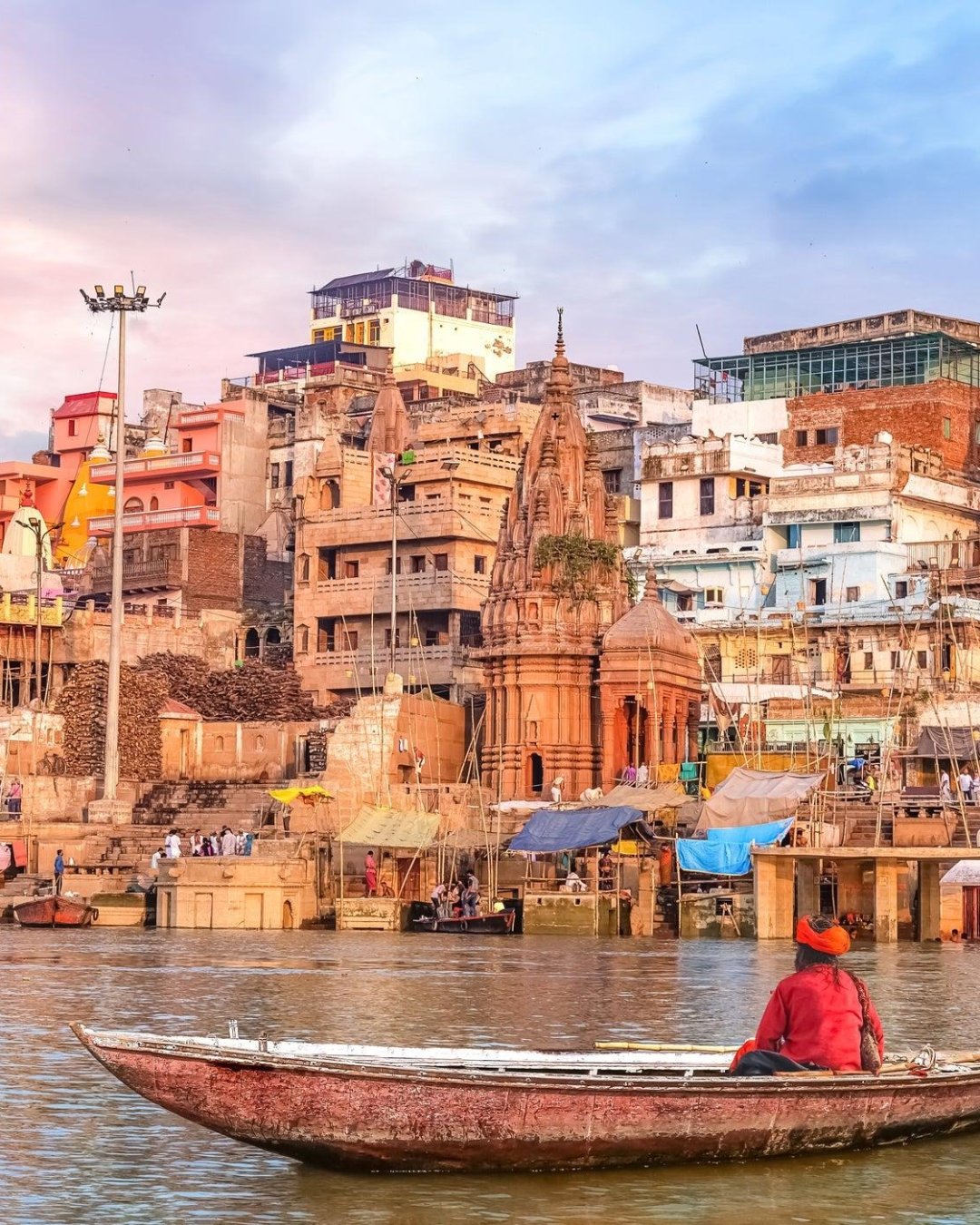
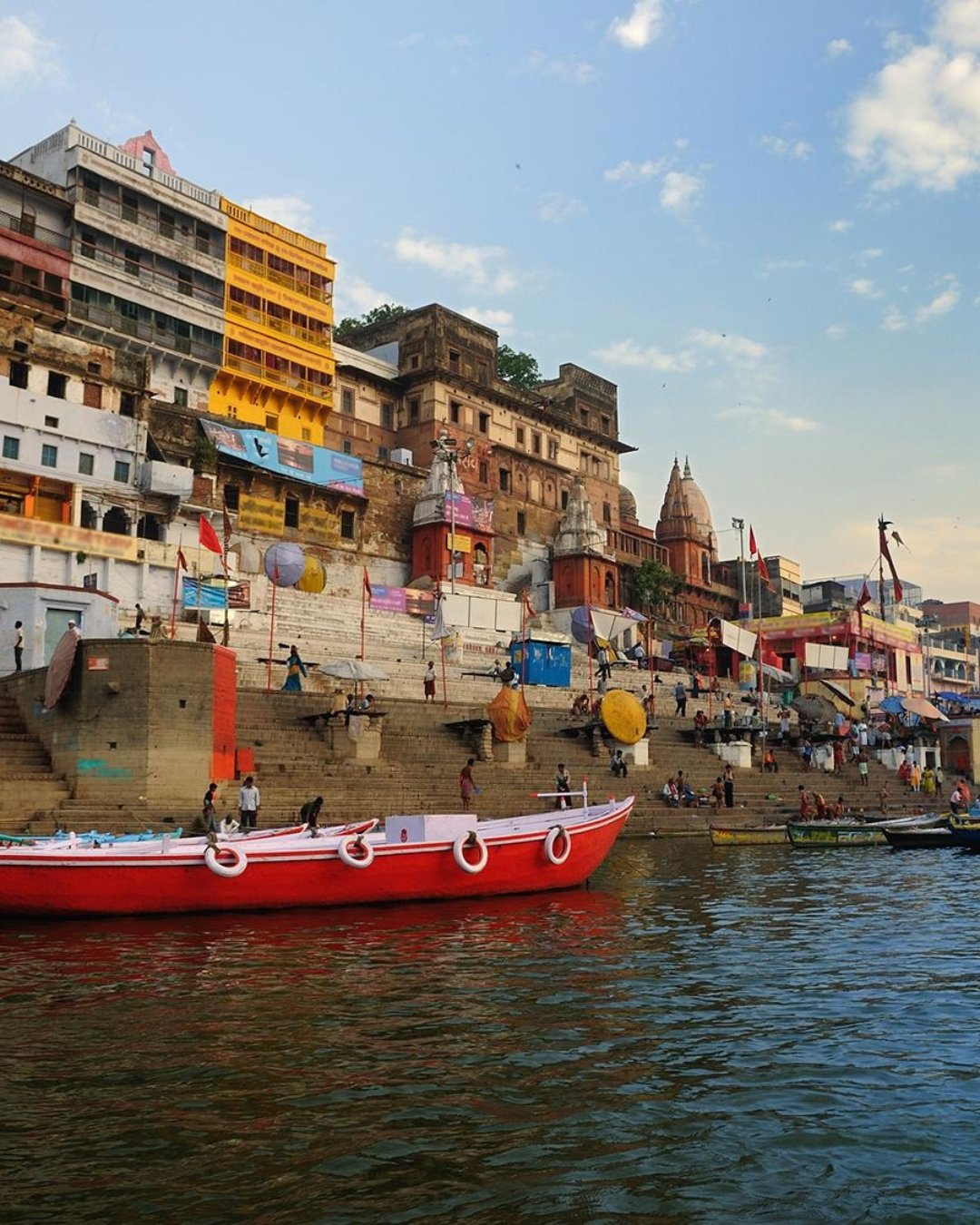
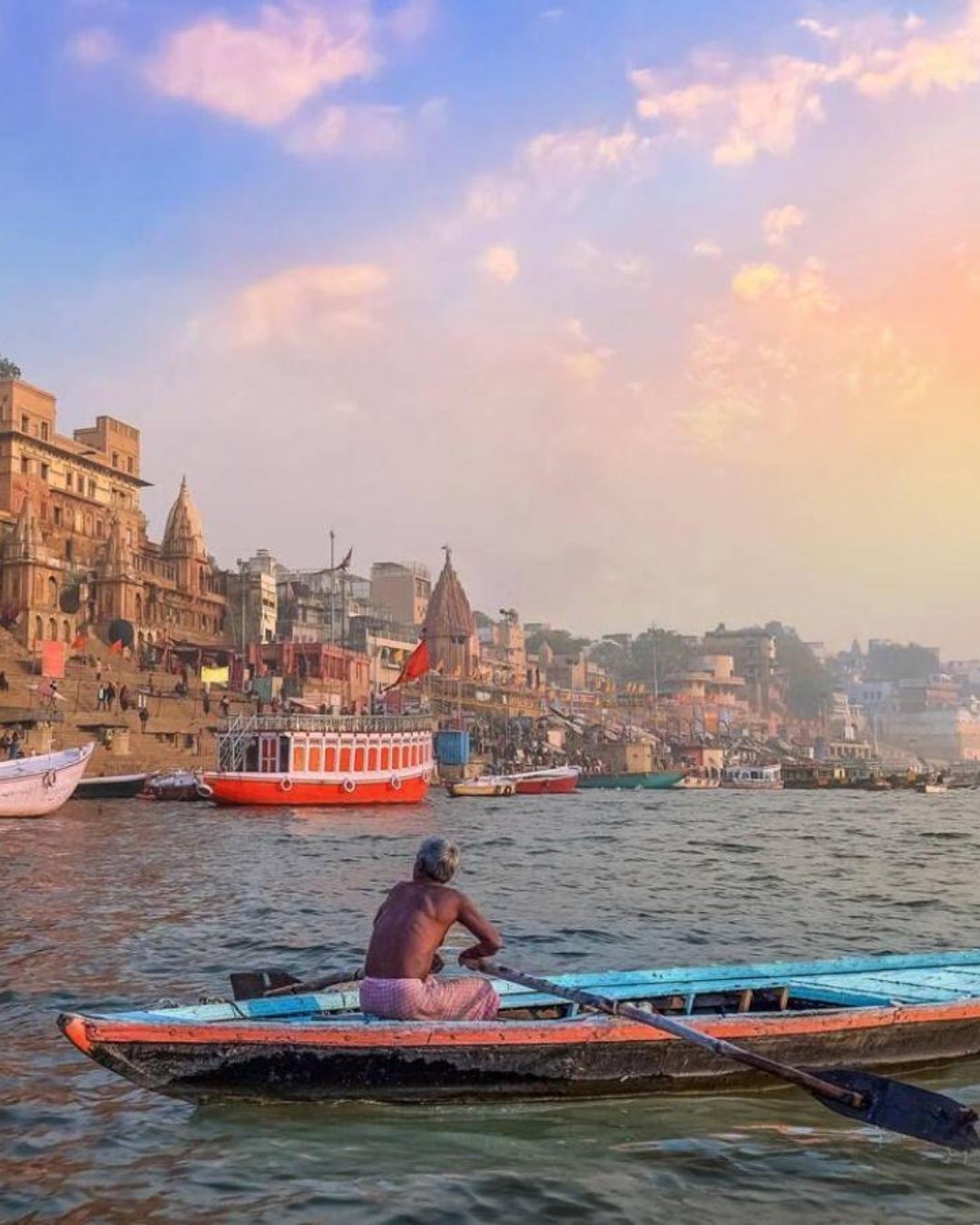
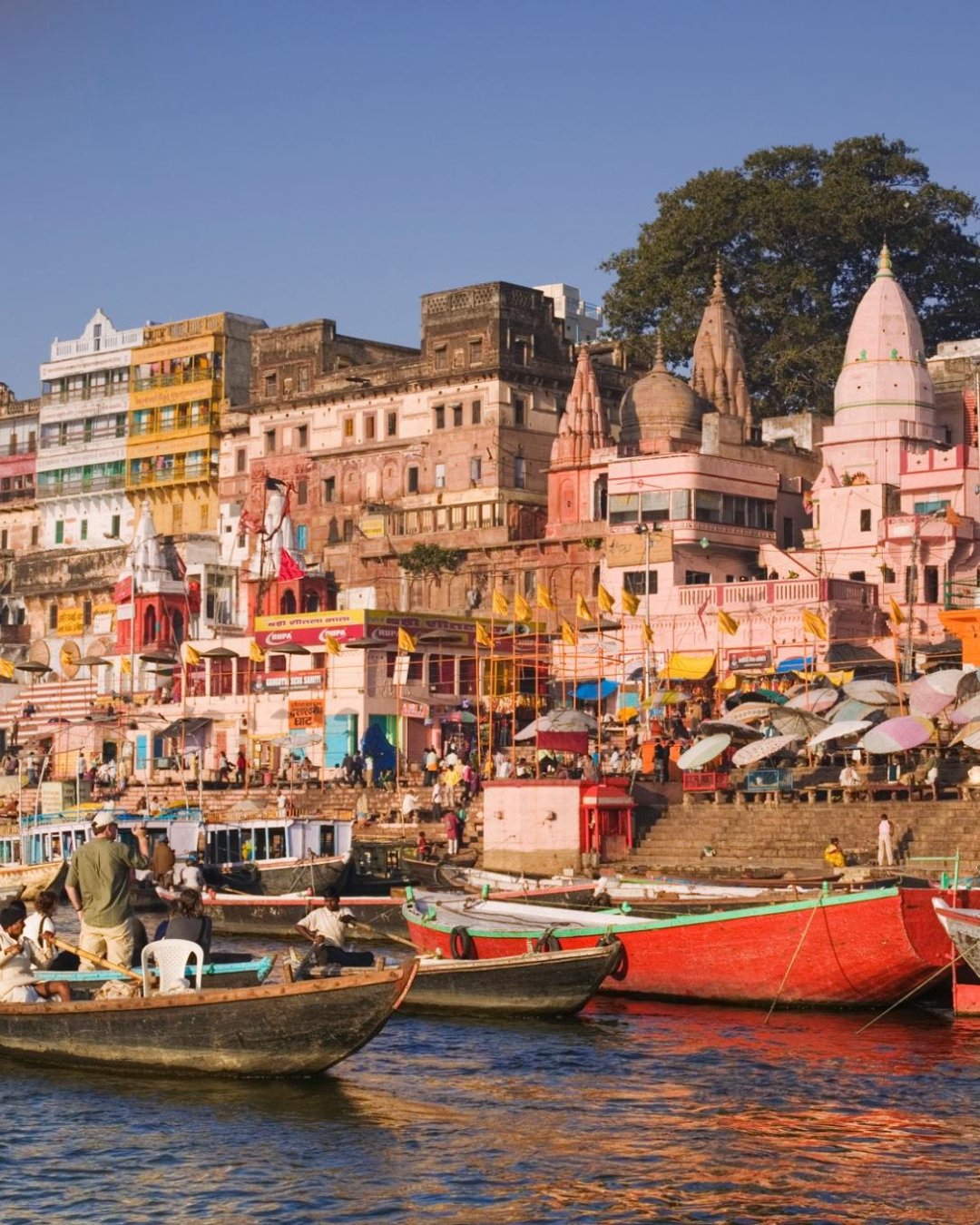
What a Boat Ride Costs.
Dashashwamedh Ghat, Varanasi, India
One traveller pays ₹300, the next swears they were charged ₹2,000 for the same forty minutes. Neither was exactly lied to — there's just no fixed price on the Ganga, and that's the whole problem.
A friend paid a few hundred rupees; a review swears they were charged two thousand for the same trip. But here's the thing nobody tells you: there's no fixed price for a boat ride in Varanasi, and that's exactly the problem. What you pay depends on the boat, the hour, the season, your bargaining, and whether the man who approached you clocked you as a first-timer — and the ones who get fleeced are almost always the ones negotiating half-asleep on the steps at 5 a.m.
Let's fix that. Here's what a boat ride actually costs, and how to pay a fair price the first time.
Why there's no single price
The rate swings on a few things. A shared boat, where you join a dozen others, is cheap per head. A private rowboat, just your group, costs more but buys you silence and the freedom to linger. A motorboat is priced differently again — and worst at dawn, when the noise ruins the very thing you came for. Then there's timing: sunrise and the evening aarti are peak, and prices climb; midday is quiet and cheaper. And season matters — the wedding and festival months, and Dev Deepavali, push everything up.
So the honest answer to "what does it cost" is "it depends" — which is precisely why you settle it before you step in, not after.
What you'll actually pay, roughly
Treat these as ballpark, not gospel, and always confirm on the day:
Shared rowboat — the cheapest option, a per-person rate, fine if you don't mind company.
Private rowboat — a whole-boat rate for up to a handful of people; the sweet spot for most visitors.
Motorboat — priced by the boat and the distance; skip it at dawn regardless of price.
Peak surcharge — expect to pay more at sunrise, at the aarti, and through festival season.
Carry small notes. Nobody at the ghat has change for a large bill at 5 a.m., and "no change" is a classic way to round your fare up.
And here's the part people forget in the dark: agree the whole deal, not just a number. Travellers who've done this will tell you the same thing — the price is only half of it. Nail down the duration, the route, private versus shared, and whether it's per person or per boat, out loud, before you sit down. The disputes that sour a ride almost always come from a number agreed without the terms attached — "you said 500" meeting "that was per person, for 20 minutes." Settle all of it on the steps, and the ride itself is effortless.
Pro tip: Fix the price and the terms before you board — total cost, how long, which ghats, per boat or per head — and don't hand over money until you're back on the steps at the end. Skip the first tout who grabs your arm; walk a little, and the rate drops. And the single easiest fix: arrange the boat the night before, or through your hotel or a guide, so you're not bargaining in the dark at 5 a.m. against someone who does this every day.
The mistakes that cost you
Most first-timers trip over the same few things. They negotiate half-asleep on the steps and overpay. They agree a number but not the terms, and get a shorter ride than they thought. Or they pay upfront and lose their leverage the moment the boat pushes off.
The easy fix is to settle price and terms in advance, carry small notes, and pay at the end — or let the boat be arranged ahead so there's nothing to haggle at dawn.
Shared rowboat : ₹150–₹300/person
Private rowboat : ₹1,500–₹3,000/hour
Private motorboat : ₹3,500–₹5,000/ride
Shared motorboat : ₹300–₹500/person
Ganga Aarti boat : ₹3,000–₹5,100/boat