

Eating Safely Without Missing Out
Varanasi, Haldwani, India
You've probably been warned off it completely. "Don't eat the street food in Varanasi, you'll be sick for a week." So you play it safe, stick to the hotel buffet, and go home having skipped kachori-sabzi at dawn, a clay cup of thick malaiyo in winter, and the best lassi you'll ever have. But here's the thing nobody tells you: the blanket "don't eat anything" advice is as wrong as eating everything blind. The travellers who get sick and the ones who eat gloriously well are separated by a handful of simple rules, not by luck.
Let's fix that. Here's how eating in Varanasi actually works, and how to get it right the first time.
Why where and when matters more than what
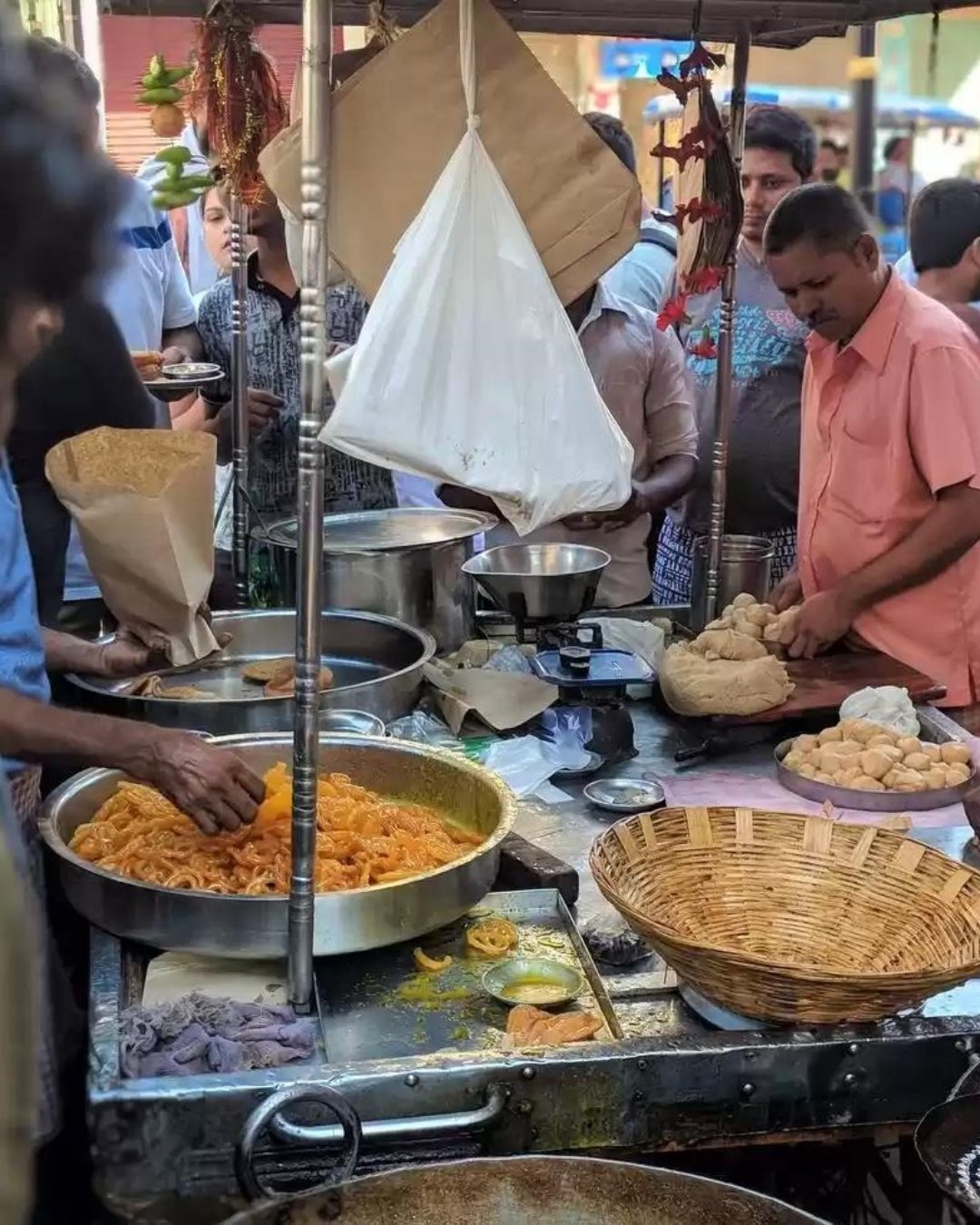
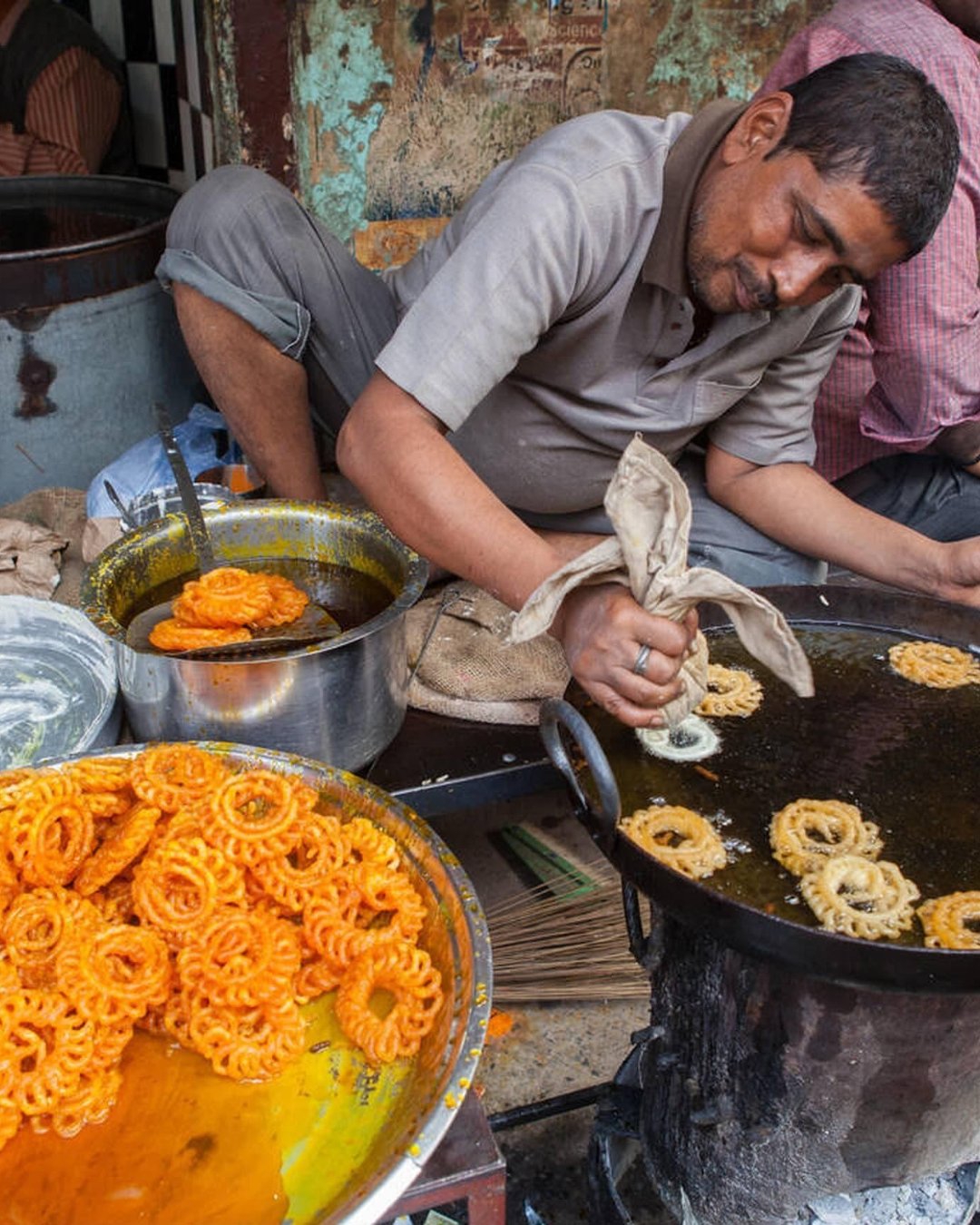
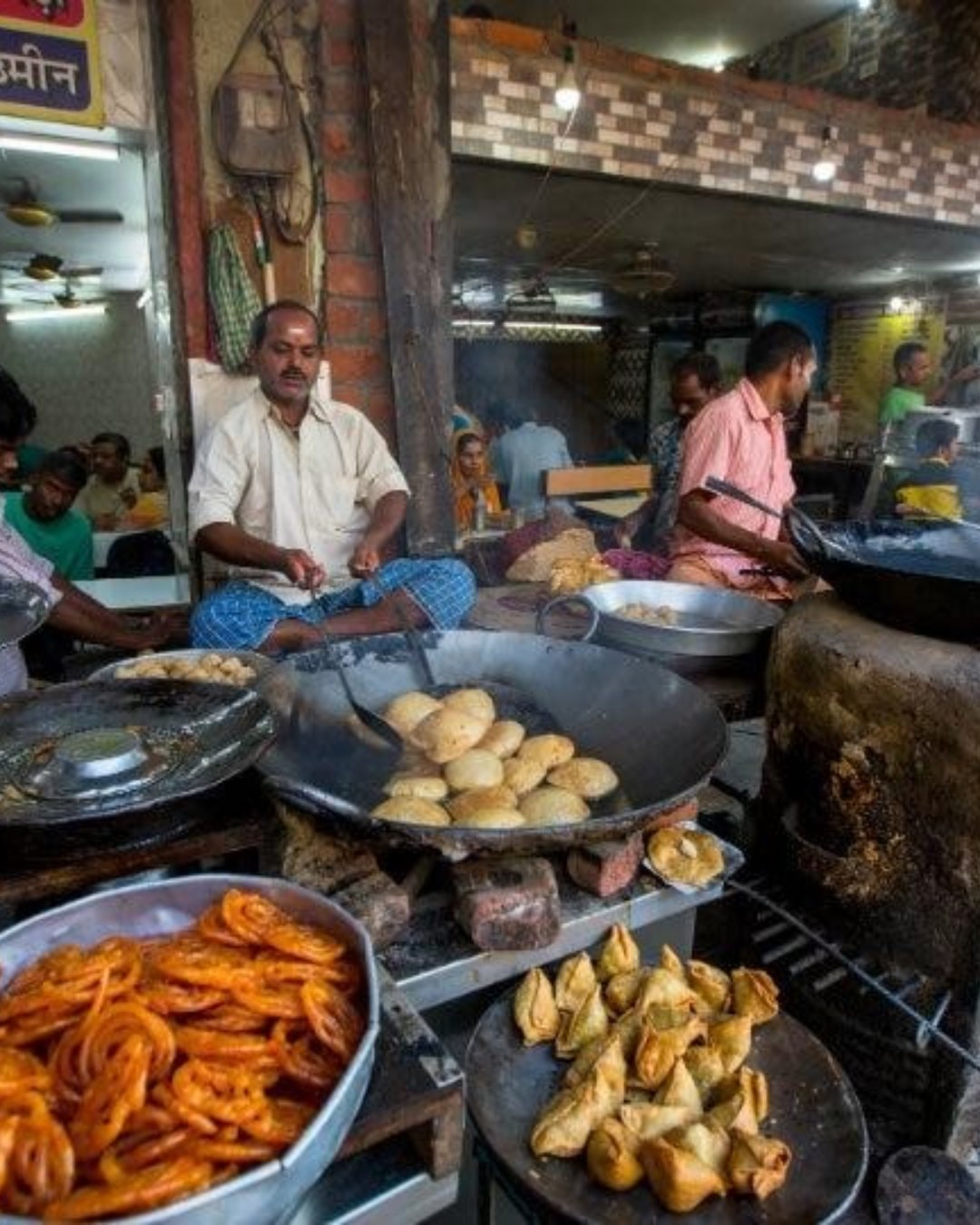
Varanasi's street food is extraordinary, and much of it can be enjoyed safely if you follow the heat and the turnover. The rule is simple: eat food that's cooked hot in front of you, fried, or freshly boiled, preferably from a stall with a steady queue. A busy stall sells out and restocks constantly, so food is less likely to sit around. An empty stall may have food that's been waiting, and prolonged holding at room temperature increases the risk of contamination.
Timing follows the same logic. Kachori-sabzi is a breakfast thing, made in the morning and best eaten then. Sweets move quickly at busy shops. What you avoid isn't the cuisine itself, but foods that have been standing around: pre-cut fruit, uncovered food at room temperature, and water that isn't sealed or properly treated.
What you'll actually want to eat
Varanasi's food is worth coming for on its own. The stars:
Kachori-sabzi — deep-fried, breakfast standard, best eaten hot and fresh from the stall.
Banarasi lassi — thick, traditionally served in a clay cup, from a busy shop in the old city.
Malaiyo — a winter-only saffron milk foam, sold at dawn and gone by mid-morning. Seasonal magic.
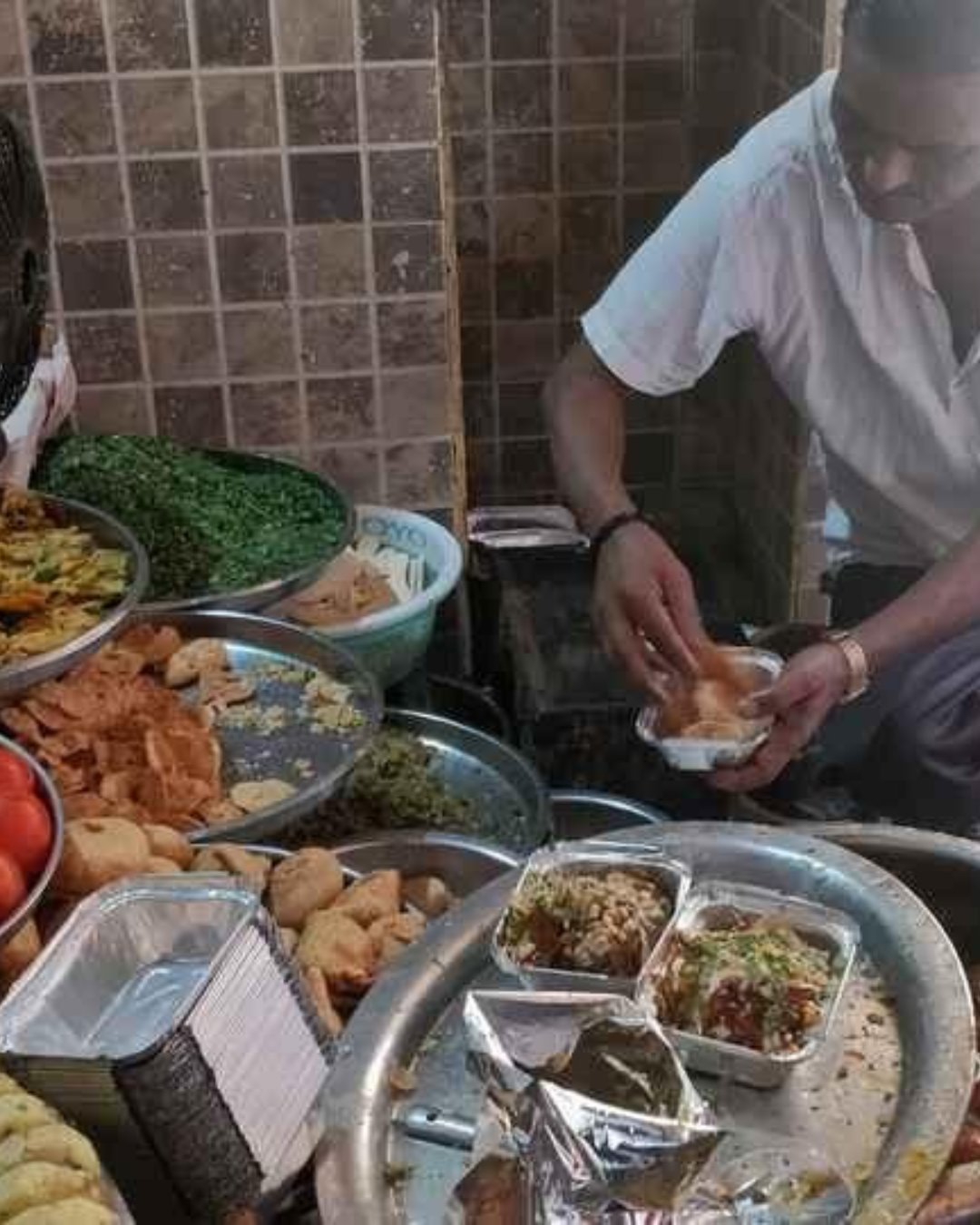
Tamatar chaat and chooda matar — Banaras specialities you won't find done quite this way elsewhere.
Baati chokha, and a paan to finish — the meal and its full stop.
Carry sealed bottled water and hand sanitiser, and be cautious with ice unless you know it was made from safe water.
And here's where you do pull the phone out — but to check, not to shoot. Travellers who eat well here will tell you the same thing: a quick look at recent reviews, or simply counting the locals in the queue, can tell you more than a generic guidebook. A busy stall full of regular customers is often a useful signal that food is turning over quickly. That crowd of regulars is the part the photos never quite catch — it's the safety signal hiding in plain sight.
Pro tip: Ease in. Give your stomach a day or two before you go deep, start with freshly cooked hot foods, and build up gradually. Eat where the locals eat and at the hours they eat — a stall doing brisk morning trade is more likely to have rapid turnover. Carry oral rehydration salts just in case, and don't let one nervous traveller in your group talk everyone out of the food they'll most regret missing.
The mistakes that ruin it
Most first-timers trip over the same few things. They avoid everything and miss the best of the city. Or they swing the other way — pre-cut fruit from a cart, ice made from uncertain water, a cold samosa from an empty stall — and pay for it. And they eat the heaviest, richest food on day one instead of easing in.
The easy fix is to follow the heat, the queue and the hour — or go with someone who knows which stalls have a strong local following, so you can experience the real food while reducing the avoidable risks.