

How to Eat the Old City
Kachaudi Gali, Varanasi, India
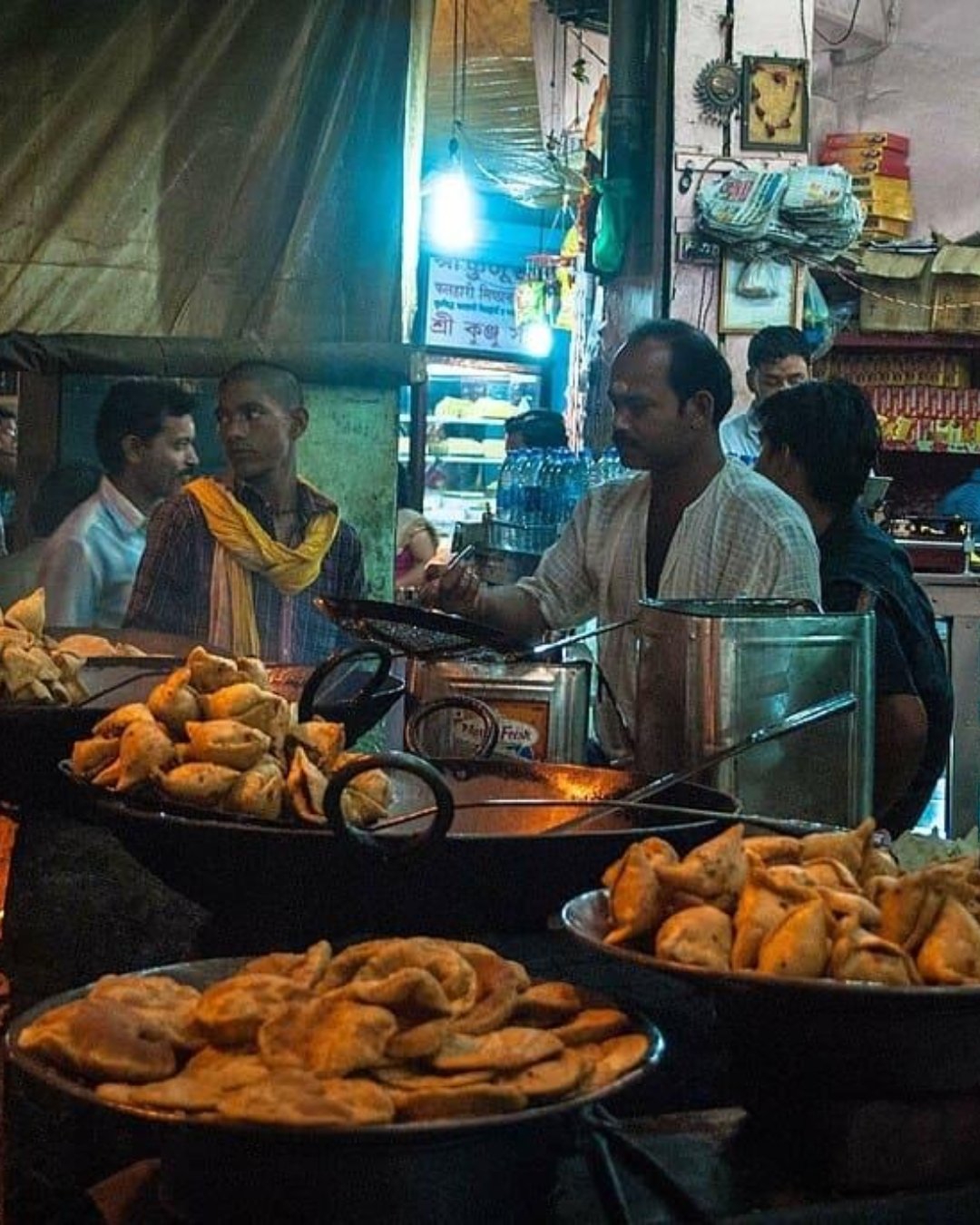
A leaf plate of kachori sabzi, a clay cup of malaiyo, jalebis straight off the pan — the old city serves all of it, but only if you show up at the right hour in the right gali. A leaf plate of kachori sabzi, a clay cup of thick malaiyo, jalebis coming out of the pan. But here's the thing nobody tells you: wander into the galis hungry, point at the first busy-looking stall, and you'll either miss the real thing entirely or spend day two of your trip in the bathroom. Banaras has some of the best street food in India — and the way most visitors approach it, they get neither the best of it nor a clean stomach.
Let's fix that. Here's how eating the old city actually works, and how to get it right the first time.
Why the hour decides the dish
Banarasi street food runs on a timetable, and it isn't the one you'd guess. The famous things are morning things. Kachori sabzi — the breakfast the city runs on — is a dawn-to-mid-morning affair, and the good shops sell out and shut by ten. Malaiyo, the impossibly light saffron milk foam, is winter-only and gone by nine, collected off the overnight dew. Chaat and tamatar chaat come alive in the evening. Show up at 1 p.m. expecting the full spread and you'll find half of it packed away.
So you eat to the clock: kachori and jalebi early, malaiyo at dawn in winter, chaat and a paan after dark. Miss the window and you miss the dish.
What you'll actually eat
Work the old city in order, and pace yourself — portions are small so you can graze:
Kachori sabzi — flaky fried bread with spiced potato, the classic Banarasi breakfast.
Malaiyo / malaiyyo — a winter-only cloud of sweetened, saffron-scented milk foam. Unmissable if you're here Nov–Feb.
Tamatar chaat & chooda matar — the city's own tangy chaat, and a winter poha with peas.
Baati chokha, kachori, jalebi, imarti — the sit-down and sweet ends of it.
Banarasi paan & thandai — the full stop at the end of the meal (skip bhang thandai unless you know exactly what you're ordering).
Come with a light stomach and small notes — most of this is cash, and relatively inexpensive.
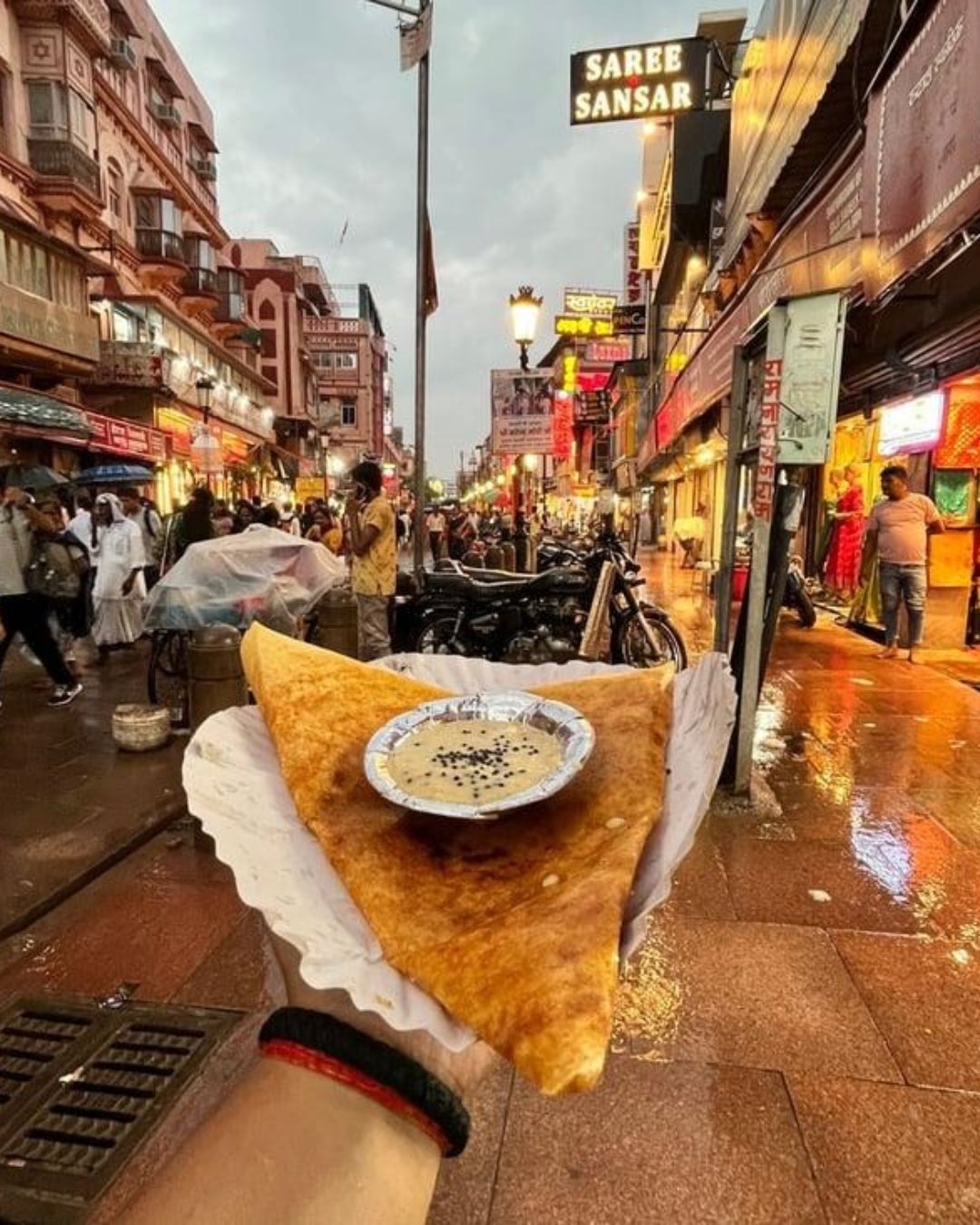
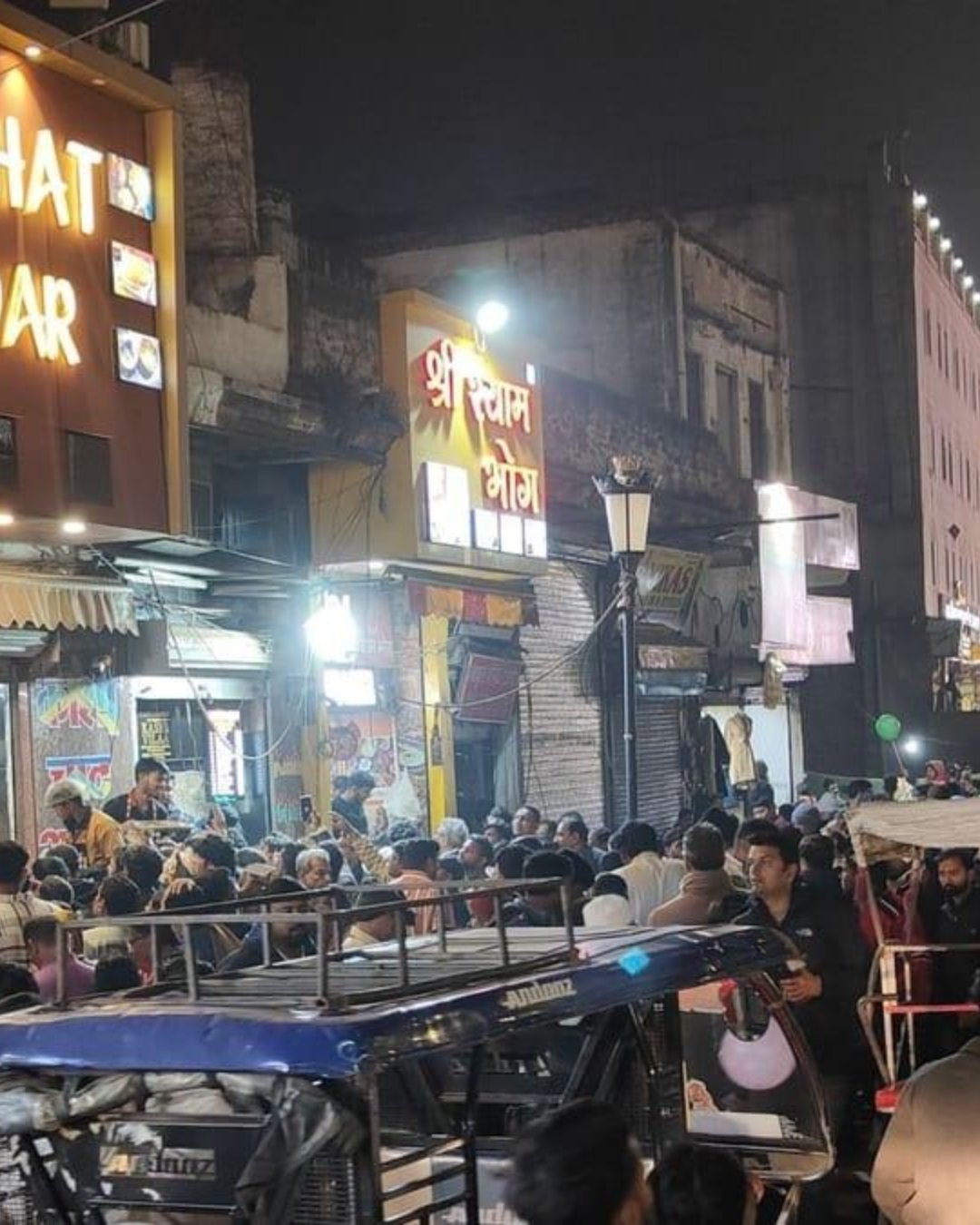
And here, unlike the river, the phone absolutely comes out — but let the plate arrive first. Travellers who eat well here will tell you the same thing: the good stalls are the ones mobbed with locals, not the ones with an English menu, so watch where Banarasis queue and eat what they eat. Photograph it after you've tasted it, not before it goes cold for a shot. The steam, the leaf plate, the crowd around a two-burner stall at dawn — that's the part the reels flatten.
Pro tip: Eat where it's busy and freshly cooked in front of you — high turnover is your best safety net, far more than a clean-looking counter. Hot, just-fried and just-boiled food is generally a better choice; pre-cut fruit, untreated water, ice and raw chutneys sitting out for long periods are where hygiene risks increase. Drink sealed bottled water, ease in over a couple of days rather than eating everything at once on arrival, and go with someone who knows which specific shop is the one — in Banaras the difference between the legendary kachori and the forgettable one is often two doors apart.
The mistakes that ruin it
Most first-timers trip over the same few things. They eat only at the hotel and miss the whole point of the city. They dive into everything at once on the first day and pay for it. Or they show up at the wrong hour and find the famous dish sold out and shuttered.
The easy fix is to eat to the clock, follow the local crowds, and let someone who knows the galis lead you to the right stall rather than the nearest one.