

Banarasi Paan — The Full Stop
Godowlia, Varanasi, India
What do you actually order at a paan counter when you've never had paan — and how do you avoid the tobacco-laced version that has you spitting red and wondering what the fuss is? Everyone says you have to, so you'll grab a paan from the first stall you pass, chew it, and tick the box. But here's the thing nobody tells you: half the "Banarasi paan" sold to tourists is a sugary, tobacco-laced mouthful that'll have you spitting red on the steps and wondering what the fuss is about — and the real thing, the melt-in-the-mouth Banarasi maghai the city built its reputation on, is a completely different experience you have to know how to order.
Let's fix that. Here's how Banarasi paan actually works, and how to get it right the first time.
Why it's the full stop, not a snack
In Banaras, paan isn't street food you eat on the move. It's the punctuation mark at the end of things — after a meal, after the aarti, after a conversation. The whole culture of Banarasi-pan (the city's famous laid-back swagger) is wrapped up in it: the unhurried folding of the leaf, the pause while it dissolves, the deliberate refusal to rush.
So you don't grab one and walk. You order it at the right moment — after dinner, or as the evening winds down — and you let the paanwala make it properly. Eaten as the last thing of the day, the way locals do, it's a small ritual. Eaten as a rushed novelty at noon, it's just a strange mouthful.
What you'll actually get
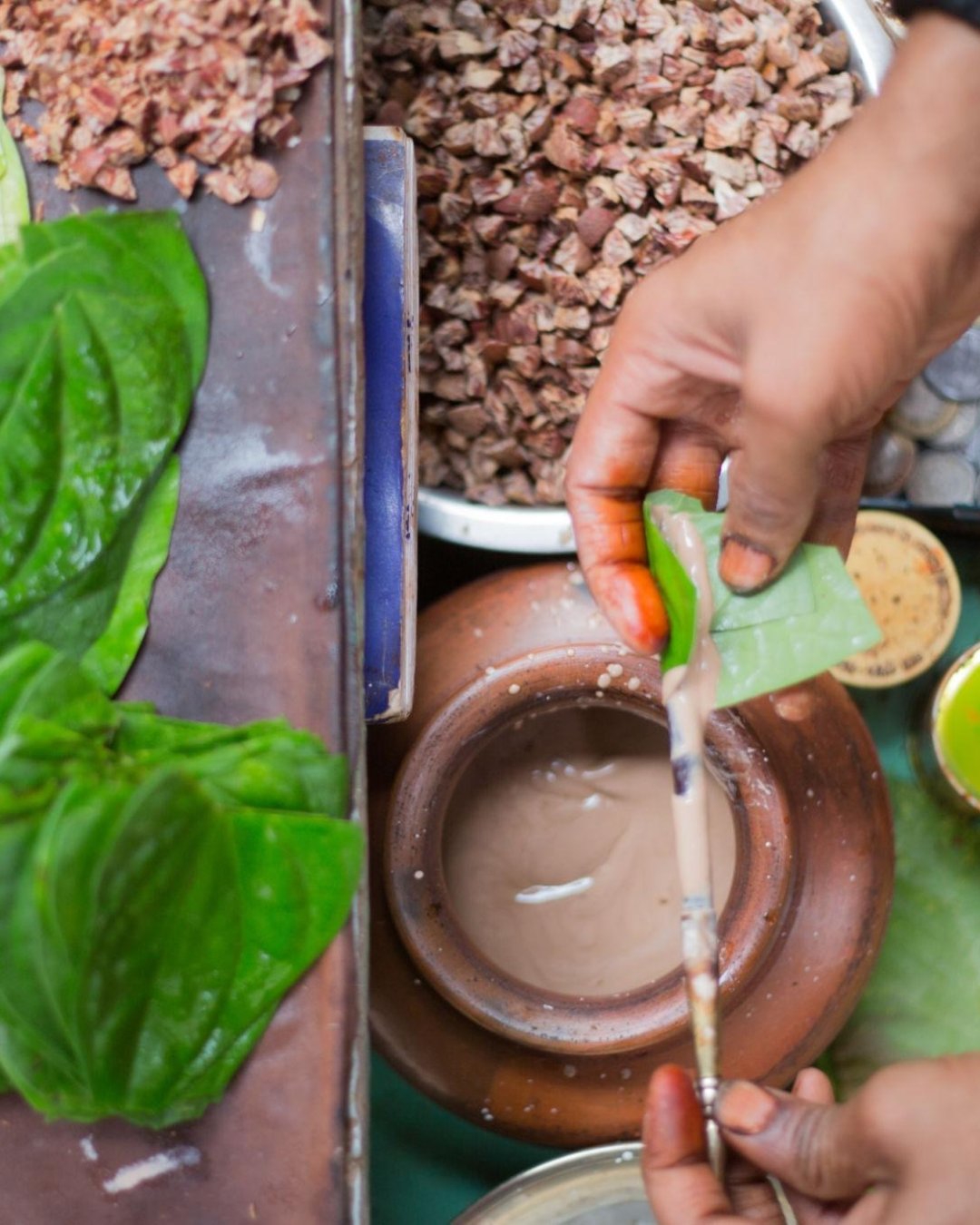
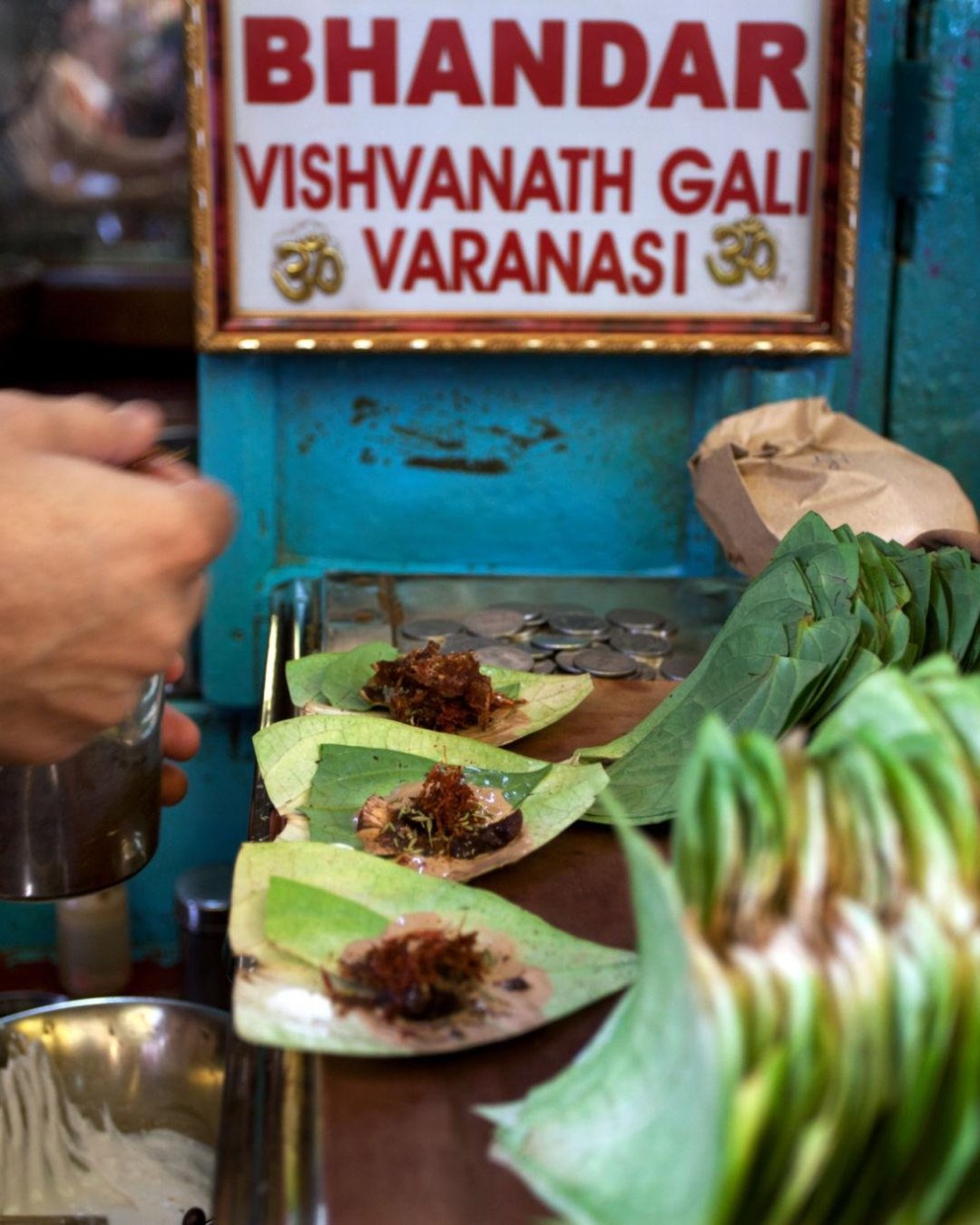
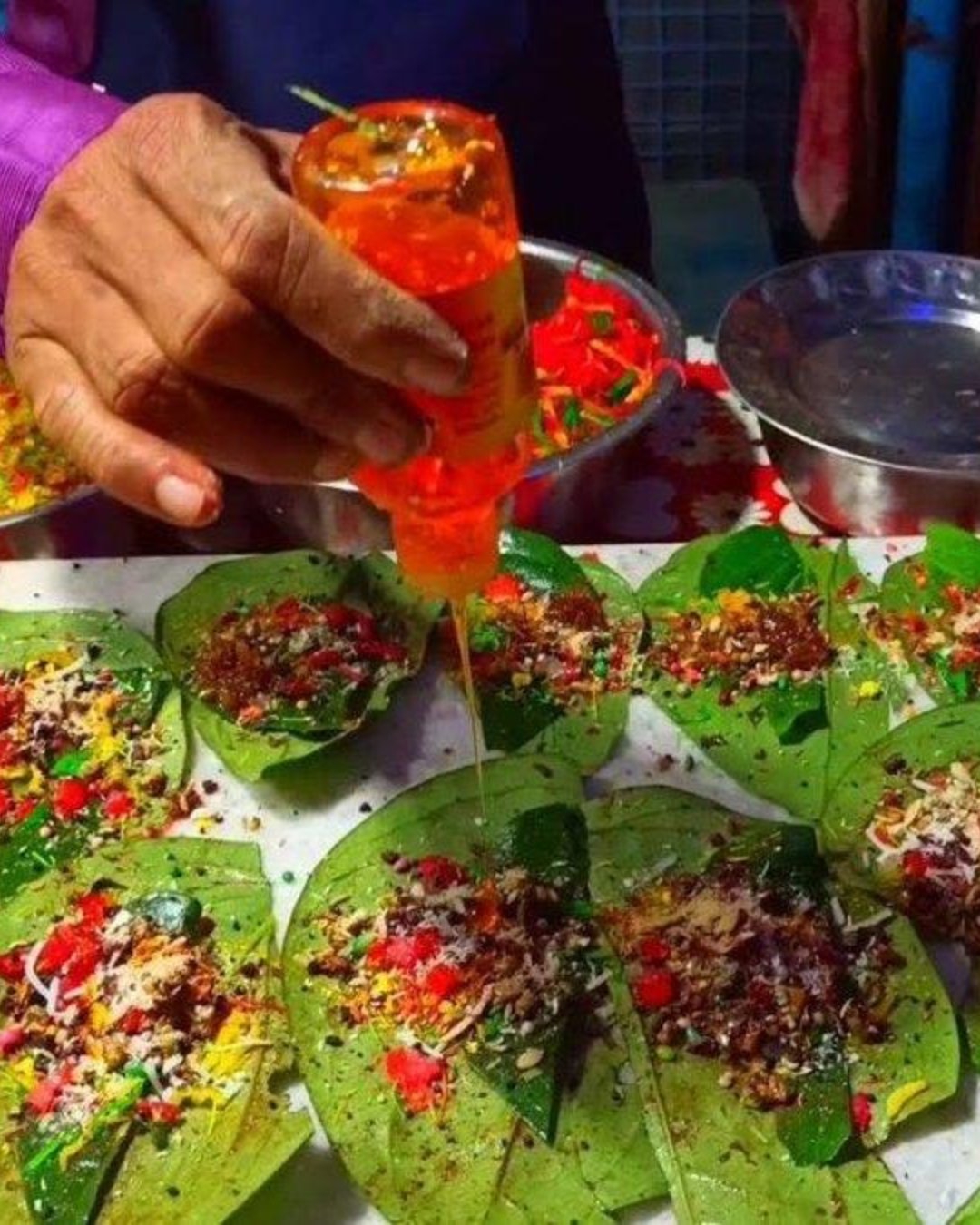
Ask, and a good paanwala will build it in front of you on a fresh betel leaf:
Maghai or desi leaf — the soft, prized Banarasi leaf, the base of the real thing.
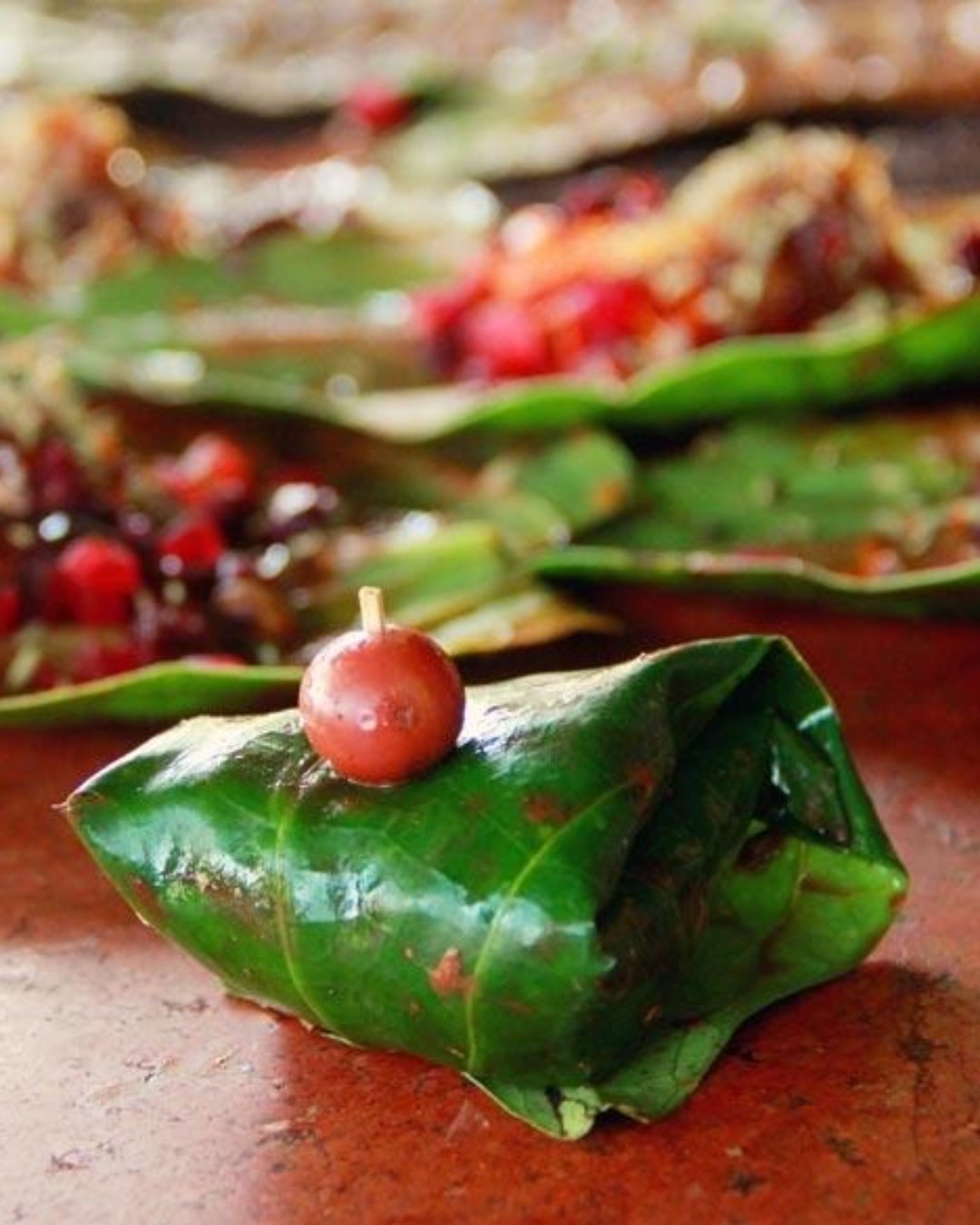
Meetha (sweet) paan — gulkand (rose petal jam), coconut, fennel, cherry, no tobacco. This is the one to start with.
Sada or saada — plain, with just katha and chuna, milder.
Tambaku paan — with tobacco. Strong, harsh, and genuinely not for first-timers.
The theatrics — some shops do a chilled or even a "fire" paan; fun once, not the point.
Say clearly: "meetha paan, no tobacco, no supari" if you want the gentle, sweet version — and specify if you'd rather chew and swallow than spit.
And here's the one where you should have the phone out — but ask first. Watching a Banarasi paanwala work is half the pleasure: the flick of the leaf, the little dabs of paste, the folding into a neat triangle. Most are happy to be filmed if you ask; some are performers who'll ham it up. But put it away to actually eat the thing. The slow dissolve, the cool sweetness, the way the whole day seems to pause around it — that's the part the photos never quite catch.
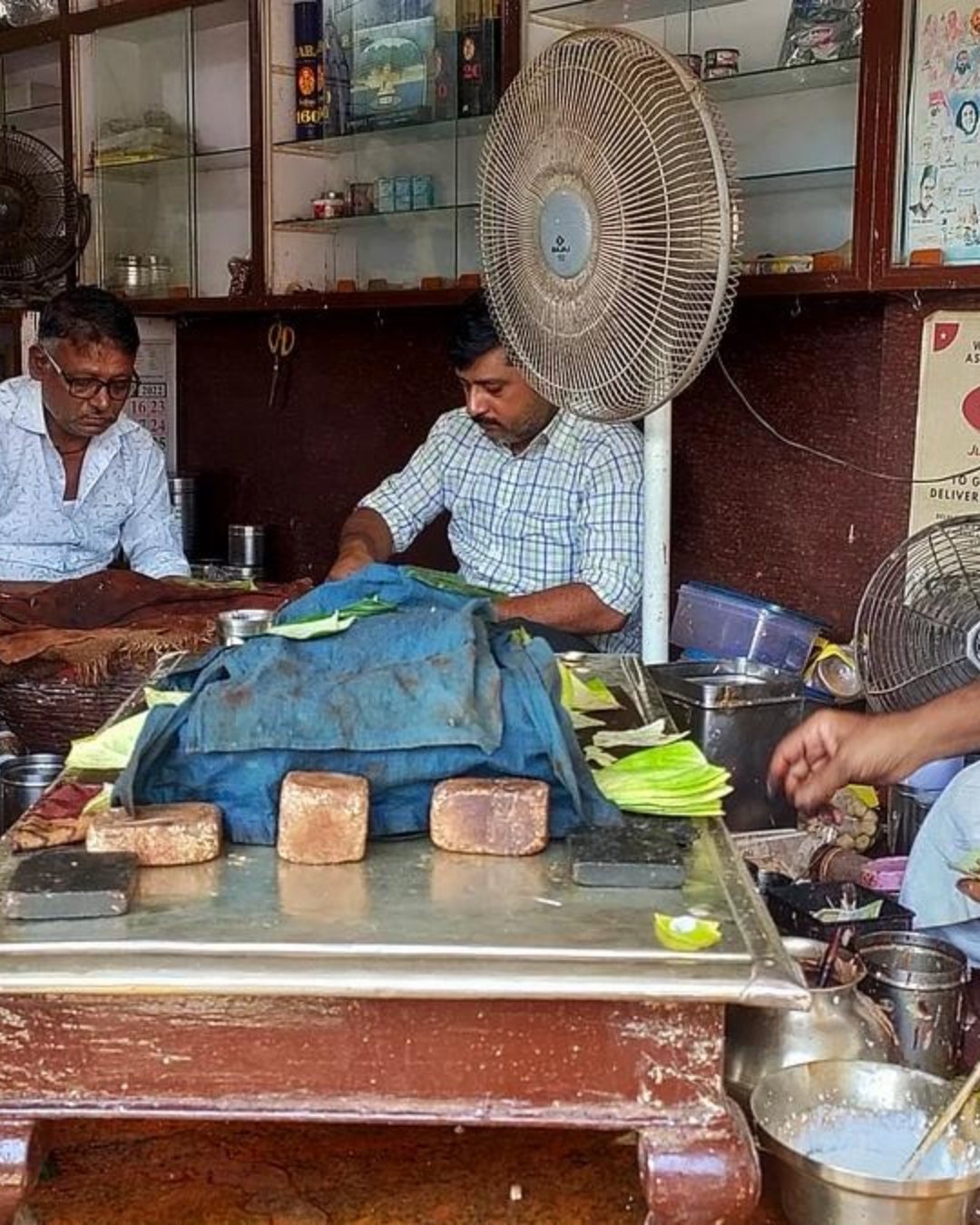
Pro tip: Start with a meetha paan, no tobacco — it's sweet, gentle, and the true Banarasi flavour without the harsh hit that puts people off. Go to an established shop (Keshav Tambul Bhandar, Kesari, or any busy old-city counter with a queue of locals) rather than a tourist stall by the ghats. And know that paan stains — your lips and teeth go red, tobacco versions are addictive and carry real oral-cancer risk, and the red spitting you see everywhere is exactly this. A sweet, swallow-it paan avoids all of that.
The mistakes that ruin it
Most first-timers trip over the same few things. They grab a random tobacco paan and hate it. They eat it on the run at midday instead of savouring it after a meal. Or they don't specify, and get supari and tobacco they didn't want.
The easy fix is to order a sweet, tobacco-free paan from a proper shop, at the end of a meal, and let it be the small ceremony it's meant to be — or have someone point you to the counter locals actually use.