

Banarasi Thandai
Godowlia, Varanasi, India
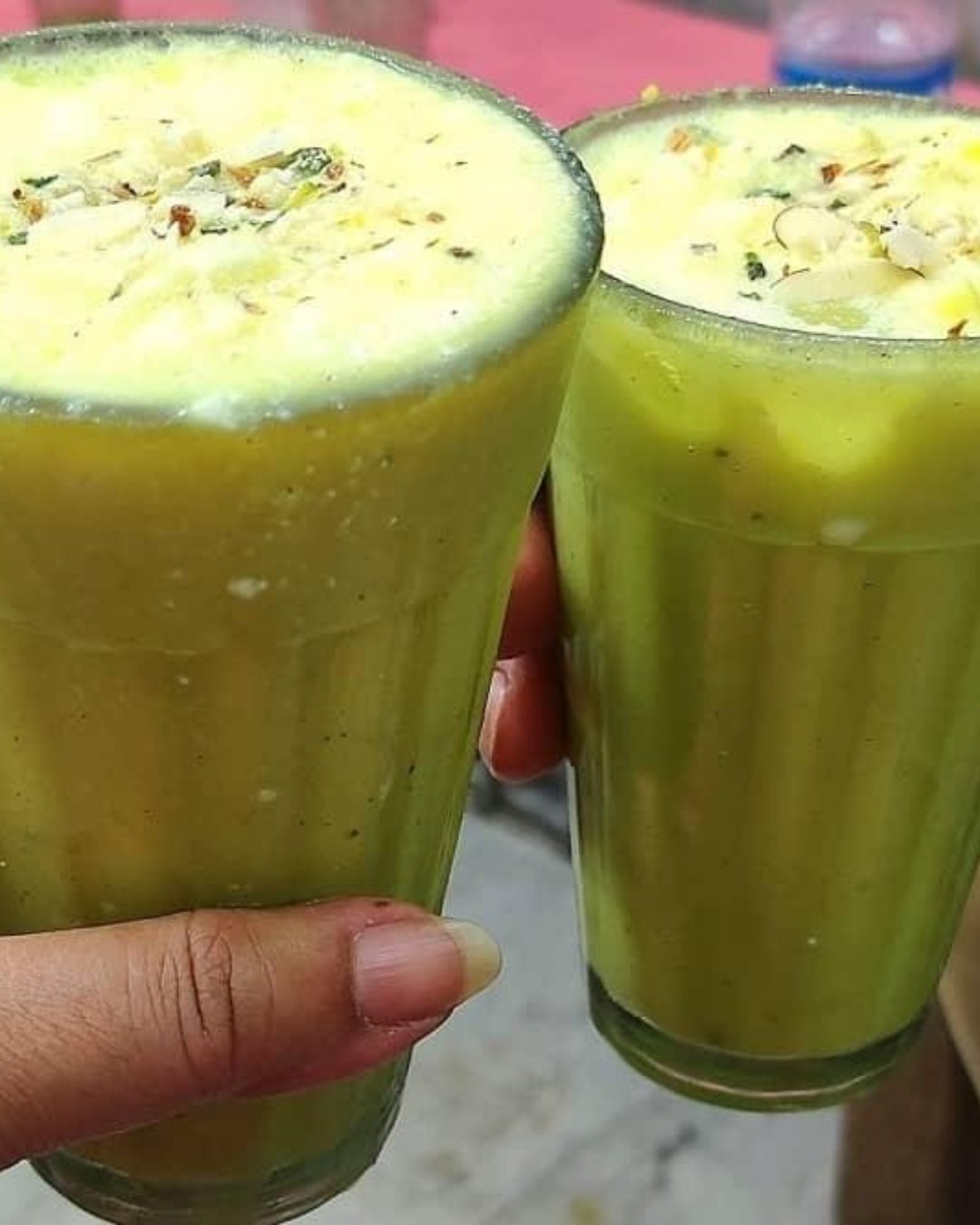
Two completely different drinks share one name here, and ordering the wrong 'special' thandai is how travellers lose an afternoon they meant to spend on the ghat. A cold, sweet, almond-and-saffron drink in a clay cup, the perfect thing after a hot morning on the ghats. And the plain version is exactly that — one of the great drinks of India. But here's the thing nobody tells you: in Banaras, some thandai is bhang thandai, spiked with a cannabis paste, and every year travellers order the "special" one without realising what "special" means, drink it like a lassi, feel nothing for an hour, order another — and then lose the rest of their day, or worse.
Let's fix that. Here's how Banarasi thandai actually works, and how to get it right the first time.
Why you need to know which one you're ordering
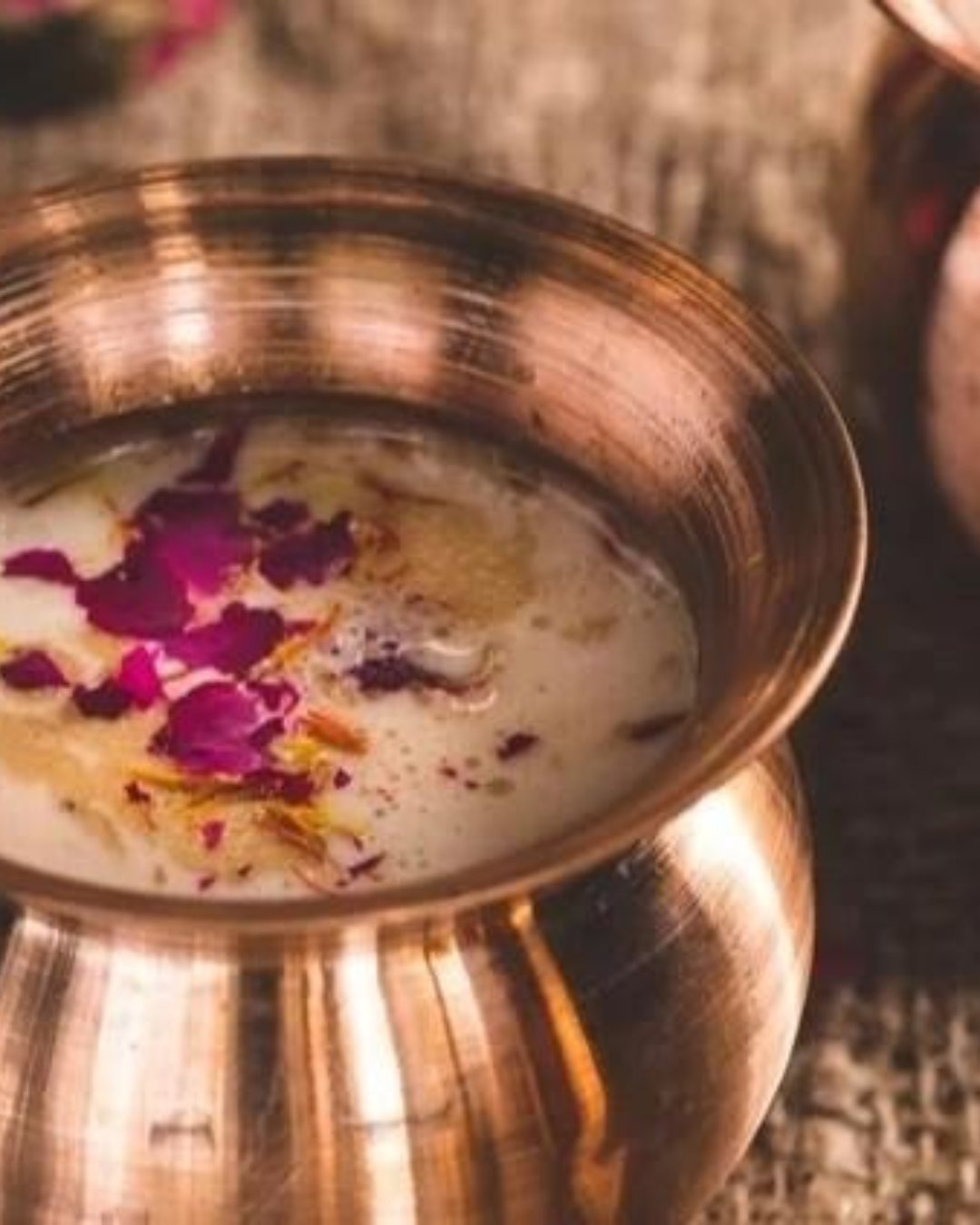
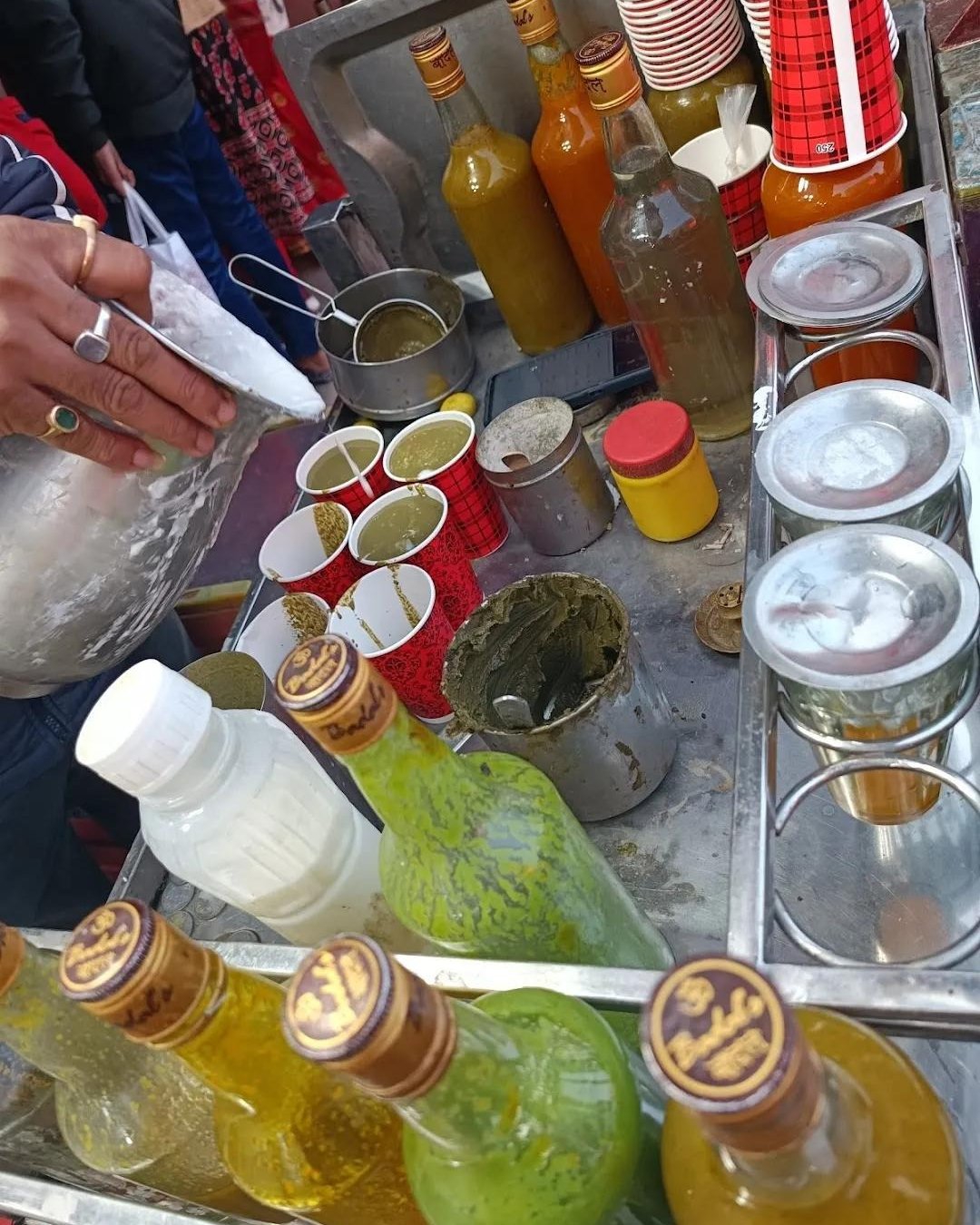
There are two drinks sharing one name. Plain thandai is a cold milk drink ground with almonds, fennel, poppy and melon seeds, peppercorn, cardamom, rose and saffron — cooling, festive, completely wholesome, and the everyday pride of the city. Bhang thandai is the same drink with a preparation of cannabis worked in, sold at government-licensed bhang shops and tied to the worship of Shiva, whose city this is.
The confusion is the whole danger. Bhang eaten in a drink hits slowly — often 30 to 90 minutes later — and unpredictably, so people assume it didn't work and take more. By the time it lands, they've had far too much. So the single most important thing is to ask plainly and know exactly what's in your cup before you drink it.
What you'll actually taste
A good plain thandai is a genuinely special thing:
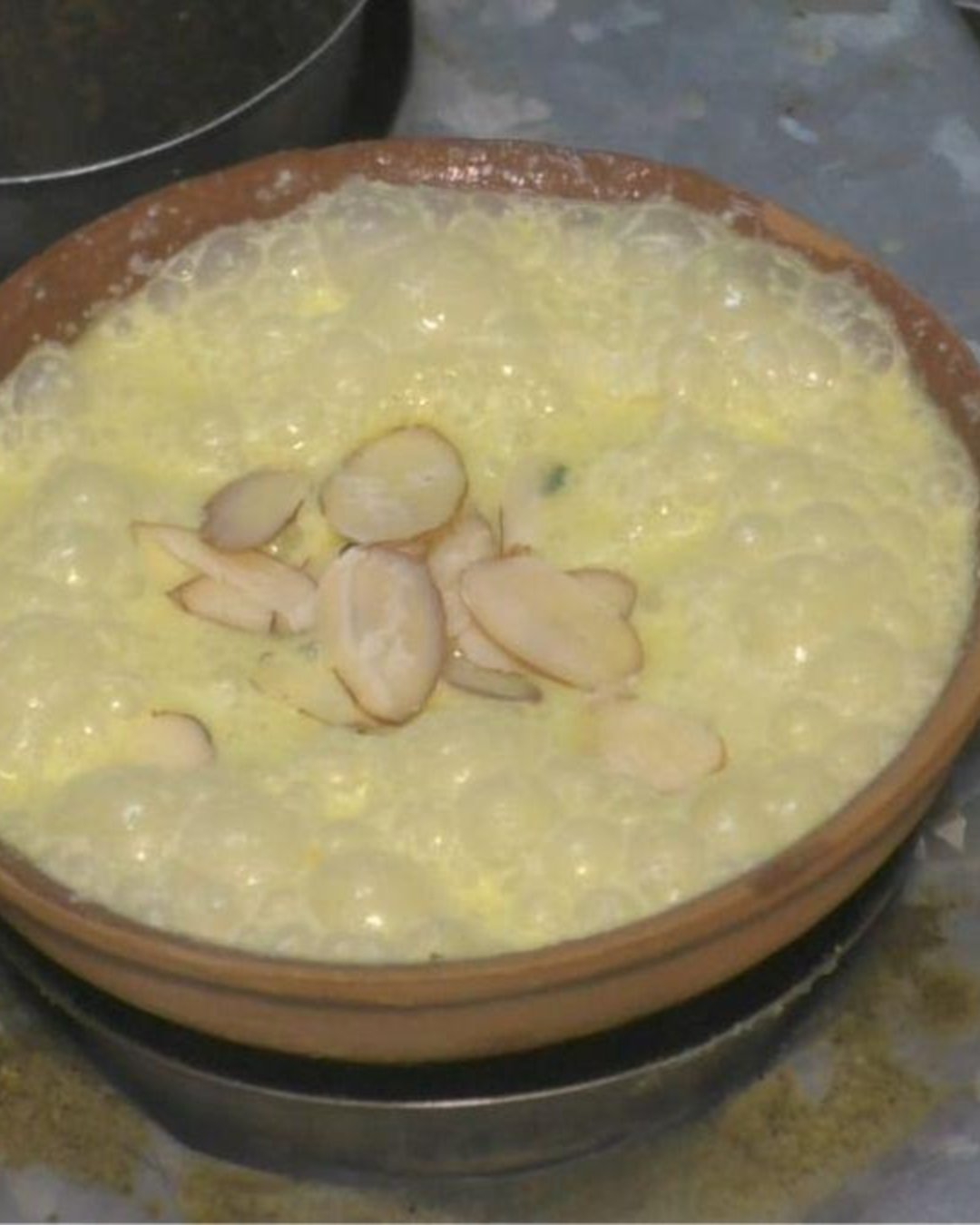
The base — chilled milk, thick with ground almonds and melon seeds.
The spice — fennel and cardamom for cooling, a little black pepper for warmth.
The perfume — rose and kewra water, and saffron for colour and scent.
The festival link — it's the drink of Holi and of Shivratri, deeply woven into the city's calendar.
Ask for it thanda (cold) and freshly ground rather than from a pre-mixed bottle, and you'll taste the difference immediately.
And this is a stop where you do pull the phone out — to read, not to shoot. Travellers who get caught out will tell you the same thing: the trouble always starts with not knowing what "special," "sardai," or "government thandai" means on the board. Look it up, or just ask the vendor directly: does this contain bhang? A good shop will tell you straight. That one question is the part that keeps a lovely drink from ruining your afternoon.
Pro tip: If you only want the classic drink, ask explicitly for plain thandai, no bhang — and if a shop is a licensed bhang seller, order the plain one deliberately rather than assuming. If you're curious about bhang, understand first that it's an intoxicant with a long delay and an unreliable dose, that it's legal here in a way it isn't elsewhere in India, and that the sensible approach is a very small amount, never on a day you're travelling, driving, alone, or short on time — or simply to skip it. Anyone unwell, pregnant, on medication, or under 18 should not touch it at all.
The mistakes that ruin it
Most first-timers trip over the same few things. They order the "special" thandai not knowing it's bhang. They feel nothing after twenty minutes and drink more, then get hit by all of it at once. Or they have it on a day they're catching a train and spend the journey in a fog.
The easy fix is to know the two versions apart, ask directly what's in your cup, and treat bhang — if at all — as a slow, strong thing to approach with real caution.