

Blue Lassi & the Kulhad Culture
Lahori Tola, Varanasi, India
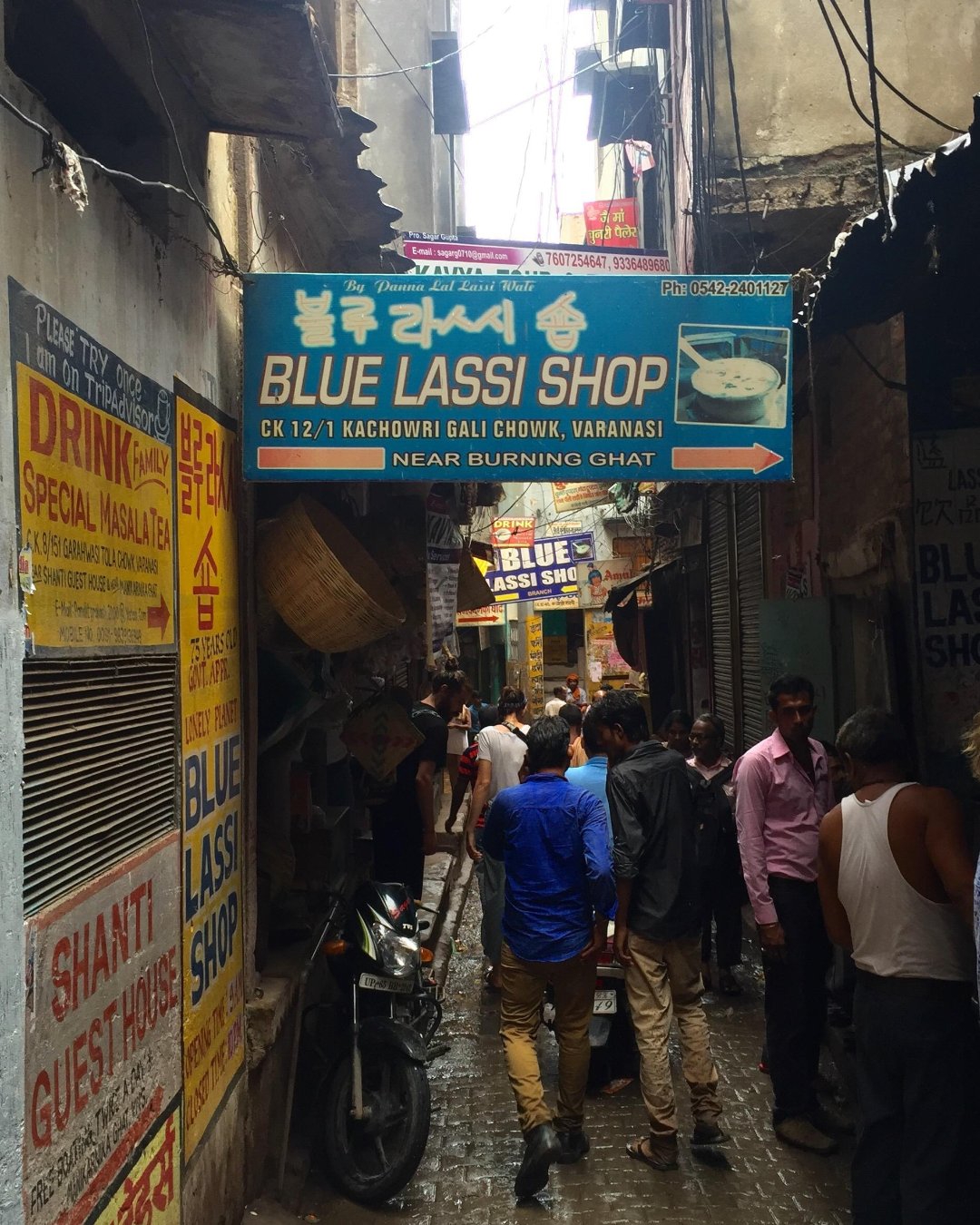
You've probably saved the photo — the tiny blue shop, the walls plastered with travellers' pictures, a thick lassi in a little clay cup. So you plan to swing by, grab one, tick it off. But here's the thing nobody tells you: Blue Lassi sits deep in the old-city galis right on the route to Manikarnika, it's cash-only, it shuts by evening, and the queue at peak hours is longer than the lane is wide. Turn up hungry at the wrong moment and you'll stand sweating in an alley for forty minutes for a cup you could have timed right.
Let's fix that. Here's how Blue Lassi and the kulhad culture actually work, and how to get it right the first time.
Why the timing and the walk matter
Blue Lassi has been run by the same family for something like ninety years, in a shoebox of a shop in the labyrinth behind the ghats. That location is the catch. You reach it on foot through the galis — narrow, twisting lanes with no signage worth the name — and it's on the same path the funeral processions take to the burning ghat, so you'll likely pass one.
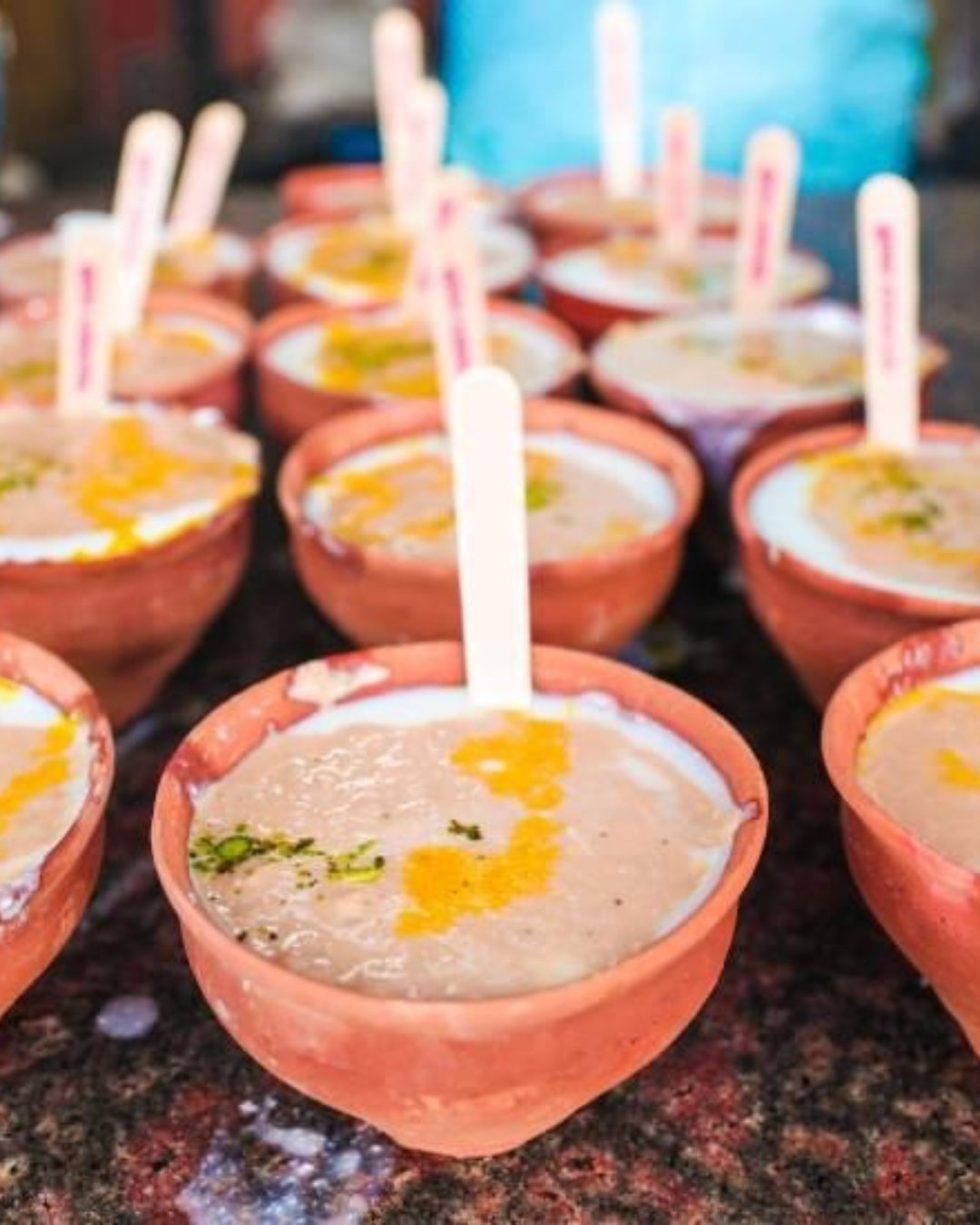
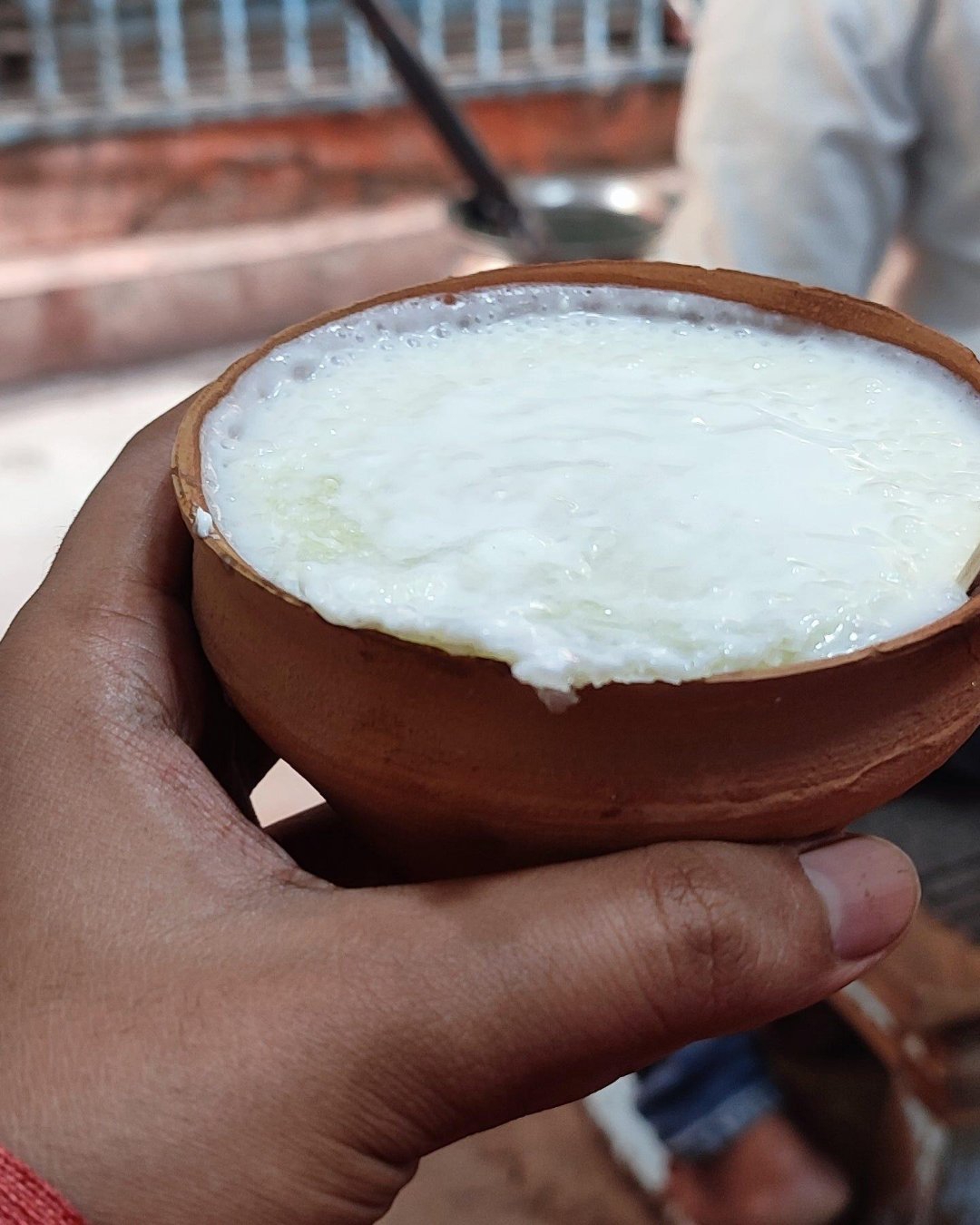
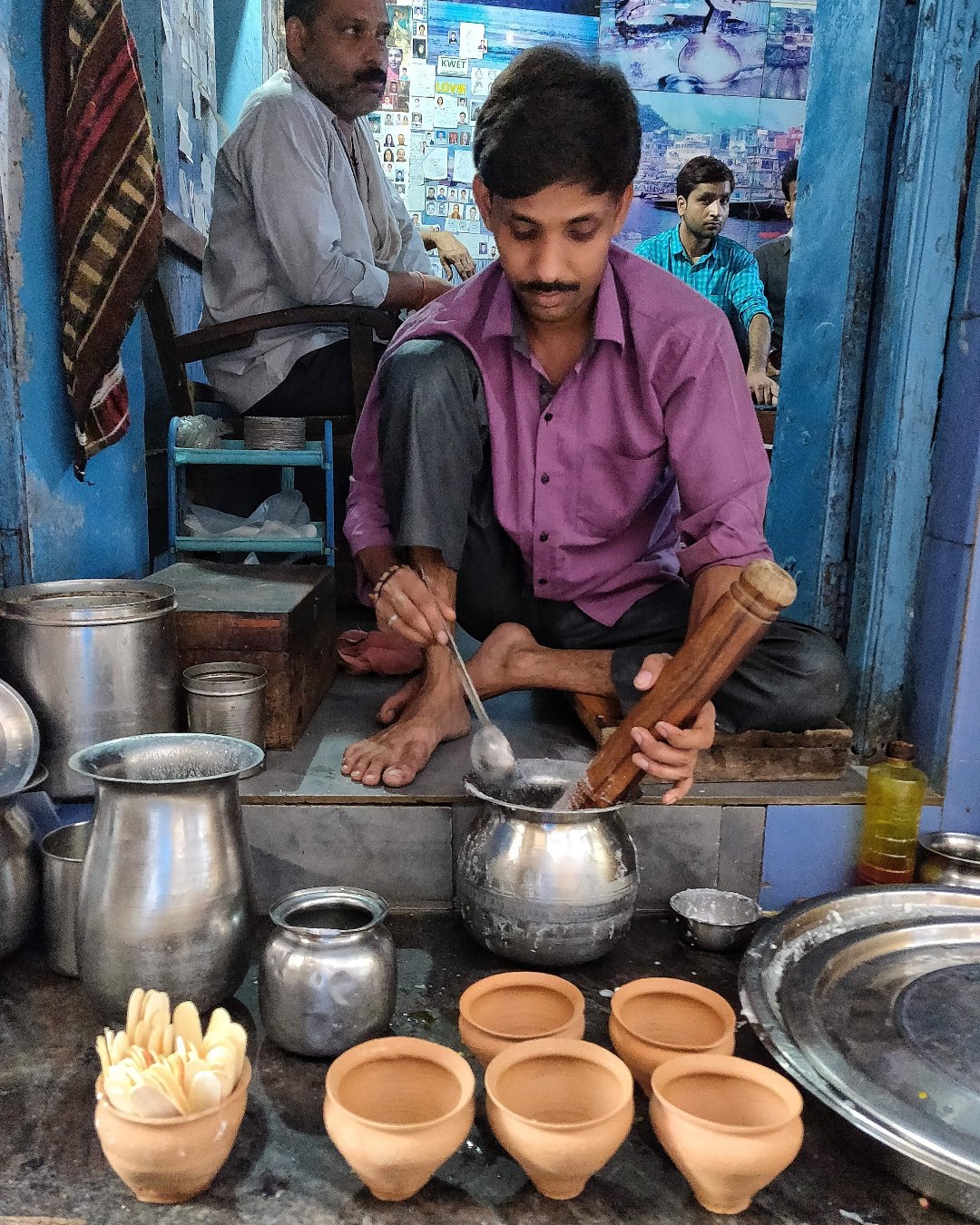
Come mid-morning or mid-afternoon, not at the lunch crush and not late — it typically closes by early evening. The lassi is made fresh and thick, set with curd, topped with fruit and a layer of malai, and served in a kulhad, the unglazed clay cup that's the whole point of the ritual: you drink, then you throw it to the ground, where it breaks and returns to the earth it came from.
What you'll actually order and see
The lassi itself — thick enough to eat with the little wooden spoon, in plain, banana, apple, pomegranate, saffron and more.
The kulhad — fired clay, single-use, unlined. It gives the drink a faint earthy taste that plastic never will.
The walls — decades of photographs of travellers who've sat on this bench, a kind of accidental archive.
The gali outside — the working old city: cows, motorbikes, sweet shops, and processions heading for the ghat.
Bring small cash — no cards — and a bit of patience for the wait and the heat of the lane.
And here's the one where you put the phone down before you start filming the shop for your own reel. Travellers who sit here will tell you the same thing: the walls are already covered in everyone else's photos, and yours won't add much. What you'll actually remember is the taste, the wooden spoon, the throw of the empty cup, and the extraordinary ordinary life of the gali going past two feet away. That — the clay in your hand, the lane at your elbow — is the part the photos never quite catch.
Pro tip: Order fewer, richer cups than you think — the lassi is a meal, not a drink, and one banana-malai will defeat most people. Ask for less or no sugar if you don't want it very sweet; the default is generous. And lean into the kulhad ritual: drink, then break the cup on the ground like everyone else. It isn't litter, it's clay going back to earth, and it's the small piece of Banaras you came for. Watch your bag in the tight lanes and don't photograph the funeral processions that pass.
The mistakes that ruin it
Most first-timers trip over the same few things. They come at peak lunch and queue in the heat. They arrive after it's closed. Or they turn up with only a card and no cash and have to walk away.
The easy fix is to fold it into a mid-morning old-city walk, carry cash, and treat it as a sit-down rather than a grab-and-go — or let it be built into a galis walk so you're not navigating the lanes blind.