

The Sweet Shops of Banaras
Vishwanath Gali, Varanasi, India
Everyone says 'try the local sweets.' Nobody tells you the best one is made only overnight, sold only at dawn, and gone before your second chai. Grab a box of something milky from a shop near the hotel, tick it off, move on. But here's the thing nobody tells you: the single most extraordinary sweet in Banaras is made only in winter, only at dawn, and it's gone by mid-morning — dissolved, sold out, finished for the day. Come in the wrong season or wander in at noon, and you'll eat perfectly nice barfi and never know you missed the thing people actually rave about.
Let's fix that. Here's how the sweet shops of Banaras actually work, and how to get it right the first time.
Why the season and the hour decide everything
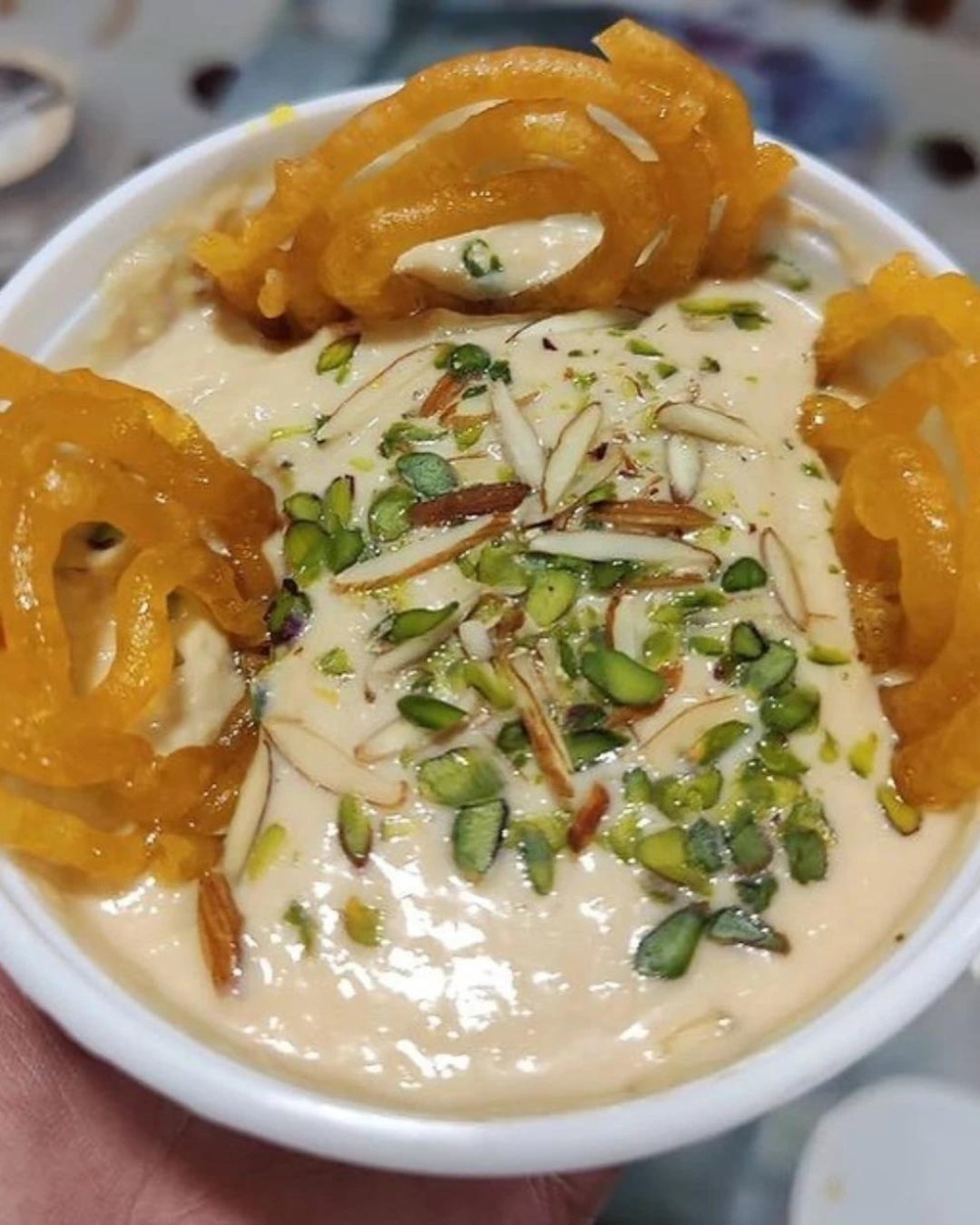
The sweet you're after is malaiyo — a cloud of sweetened, saffron-flecked milk foam, whipped up overnight in the winter dew and served in little clay cups. It's barely a food; it's air. And it exists only from roughly November to February, made in the small hours and sold from dawn until it melts in the rising warmth, usually by ten or eleven.
So this isn't an afternoon errand. If malaiyo is on your list, you go early on a winter morning — ideally straight off your sunrise boat ride, into the old-city lanes, while it's still cold and the trays are still full. Every other sweet here keeps its own hours too, but malaiyo is the one that punishes lateness.
What you'll actually eat
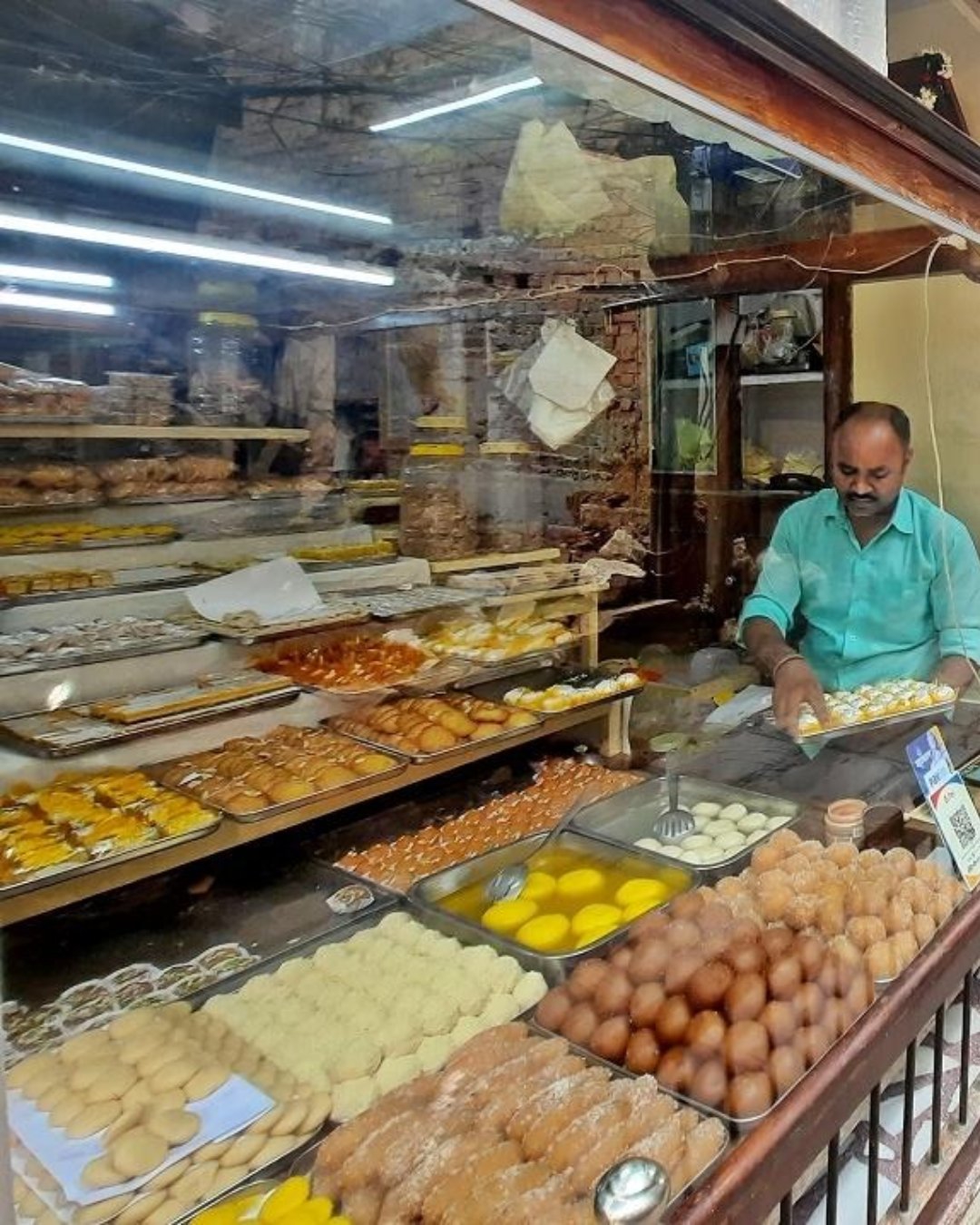
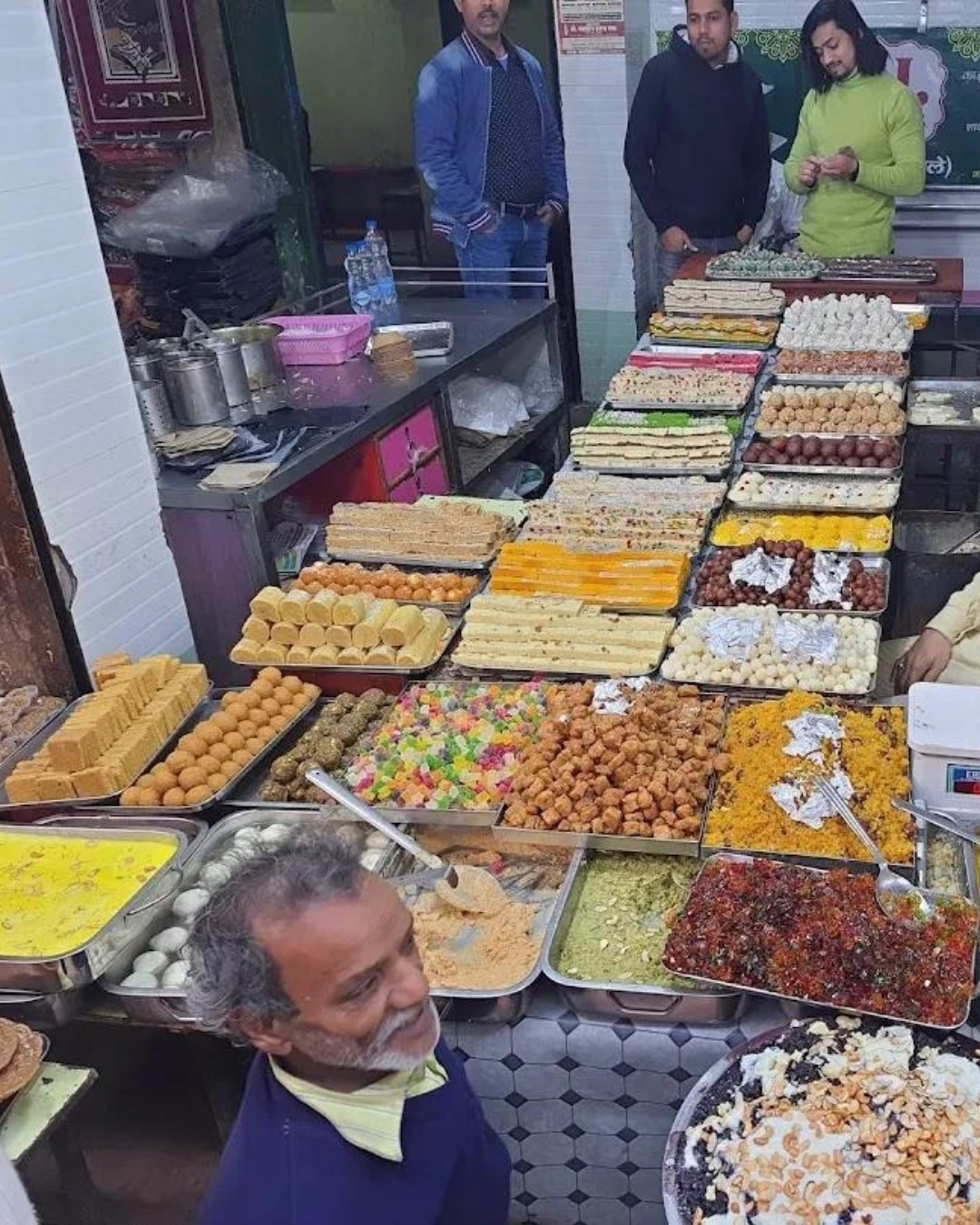
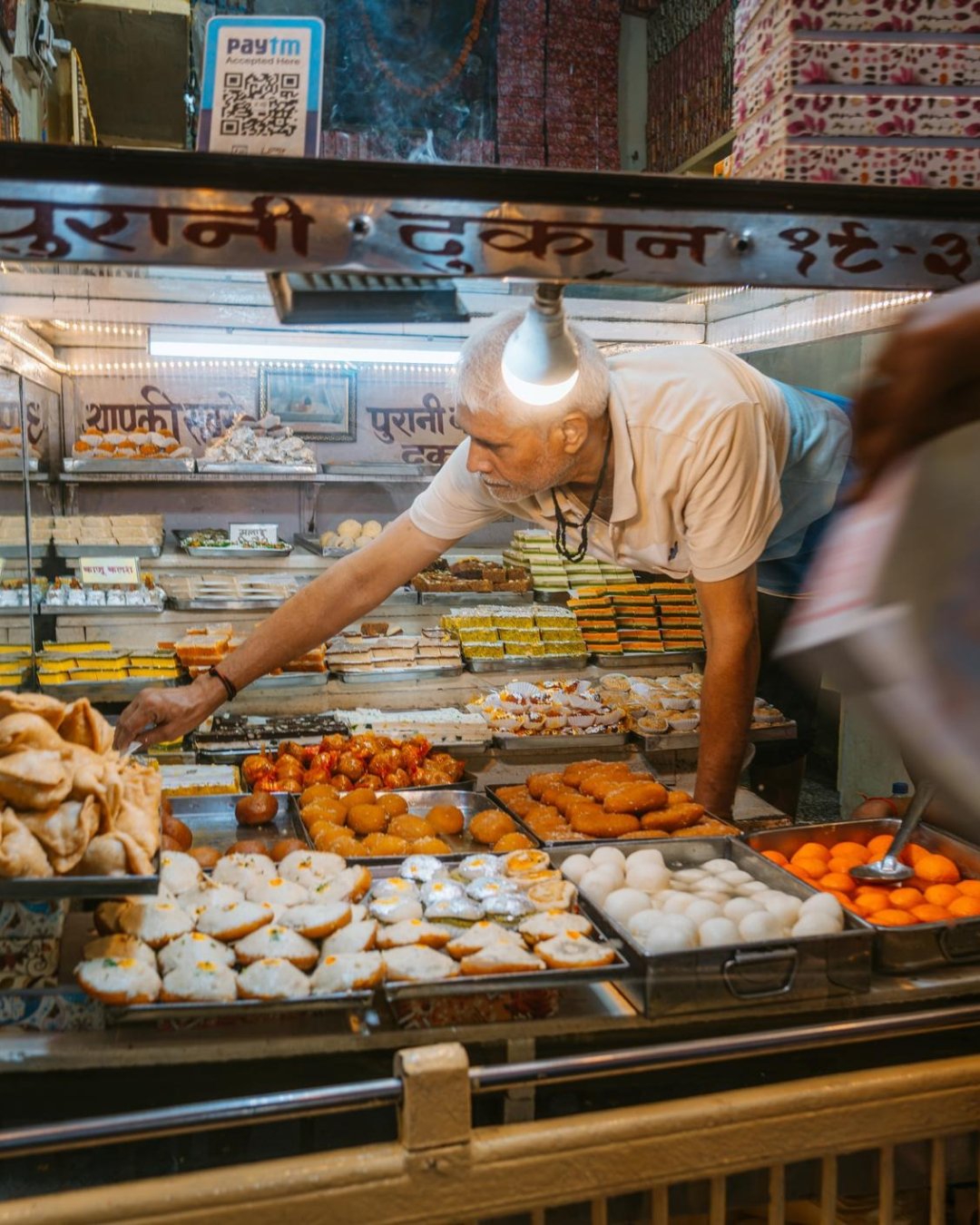
Beyond malaiyo, Banaras runs deep on milk and syrup. Worth seeking out:
Malaiyo — the winter dawn foam, in a clay cup. The one to plan around.
Launglata — a folded, clove-pinned pastry soaked in syrup.
Rabri and khurchan — thickened, layered reduced milk, dense and slow.
Kheer / chhena dahi — set milk sweets, often in earthen pots.
Jalebi and imarti — best hot and fresh off the pan in the morning.
Carry small notes and eat where the turnover is high — a busy counter means fresh product, and freshness is the whole game with milk sweets.
And here, unlike the boat ride, put the phone down for a different reason: eat it now, don't photograph it first. Travellers who get this right will tell you the same thing — malaiyo collapses in minutes and rabri waits for no one; the ten seconds you spend framing a photo is ten seconds the texture is quietly dying. Taste it the instant it's handed over, in the clay cup, standing at the counter. That first spoonful, before the air goes out of it, is the part the photos never quite catch — literally, because a photo of foam is just a photo of white.
Pro tip: Go to the old, named shops with a line out front, not the quiet one next to your hotel — reputation here is earned over generations and the busy counter is busy for a reason. Ask for the day's fresh batch rather than what's sitting out. If your stomach isn't used to Indian street food, ease in: milk sweets from a high-turnover shop are low-risk, but pace yourself. And save the clay cup — it's part of it.
The mistakes that ruin it
Most first-timers trip over the same few things. They come in summer and never even hear of malaiyo. They eat at a convenient shop instead of a good one. Or they show up mid-morning and find the best trays already empty.
The easy fix is to go early on a winter morning, to the shops that have earned their name, ideally with someone who knows which counter does which sweet best — because the difference between a tourist box and the real thing is entirely in where and when you buy it.