

Baati Chokha — The Hearty One
Bhelupur, वाराणसी, India
Skip the restaurant. The baati chokha worth eating is cracked open over a coal fire, not plated under a tandoor light. in a fancy restaurant, and thought that was it. A neat plate, a ball of baked dough, a side of mash, done. But here's the thing nobody tells you: eat baati chokha off a white tablecloth and you've missed most of what makes it worth eating. This is coarse, smoky, fire-cooked village food — the taste is in the char, the fresh ghee and the roasted brinjal, and the polished restaurant version sands all of that off. Get the setting wrong and you'll wonder what everyone's fussing about.
Let's fix that. Here's how baati chokha actually works, and how to get it right the first time.
Why the fire, and not the fine dining
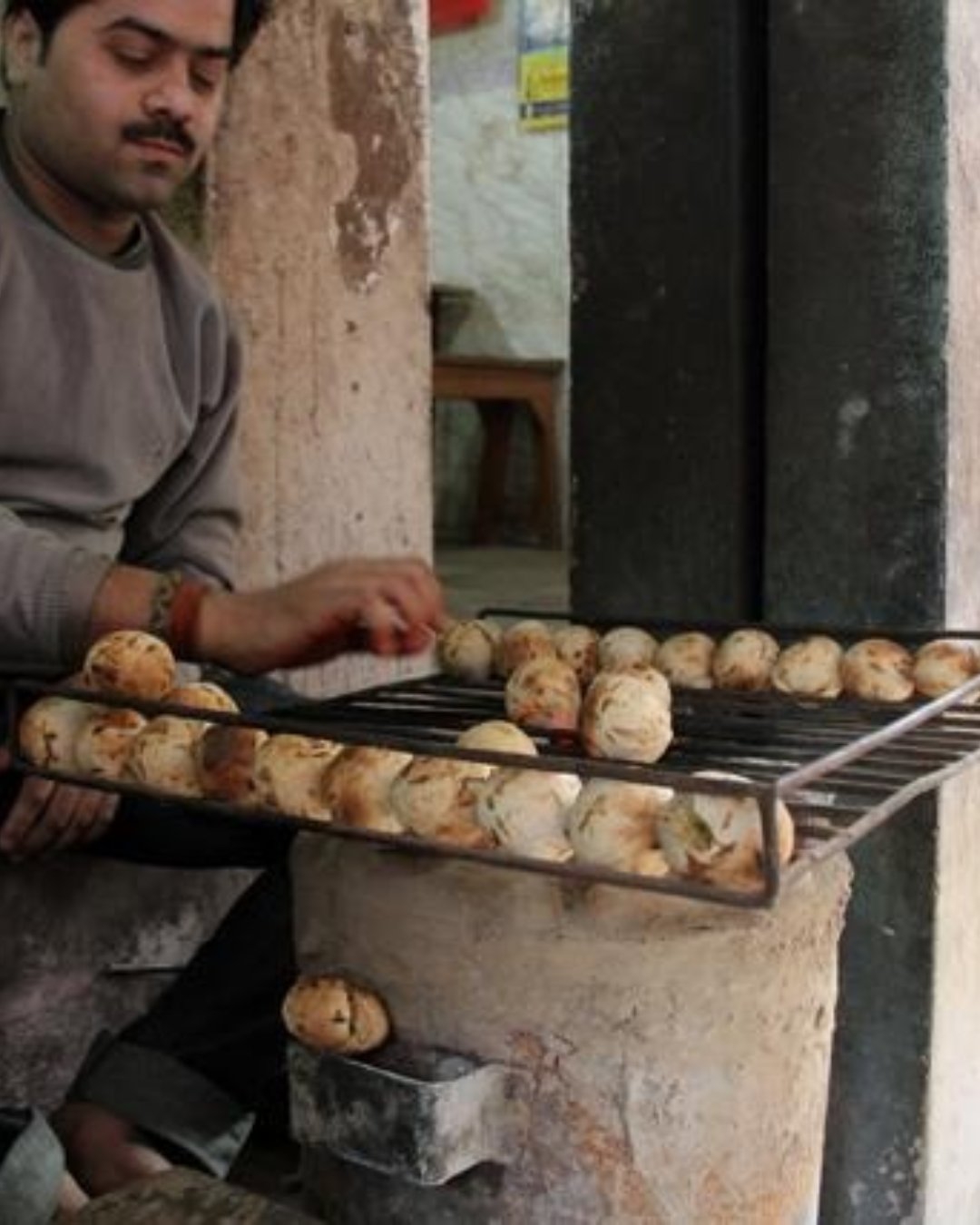
The dish is simple by design: wheat-flour dough (the baati) baked hard over coals or cow-dung cakes until it cracks and smokes, then split and drowned in ghee, served with chokha — brinjal, tomato and potato roasted over the same fire, mashed with mustard oil, green chilli, garlic and raw onion. It's peasant food, built to be filling and cheap, and that's exactly its strength.
Which means the plush restaurant with the tandoor loses the plot. The real thing needs actual fire and a generous, unfussy hand — a place where the baati is cracked open in front of you, doused in ghee without counting, and the chokha is smoky rather than saucy. Kashi has dedicated baati-chokha halls that do precisely this, and that's where you go.
What you'll actually get
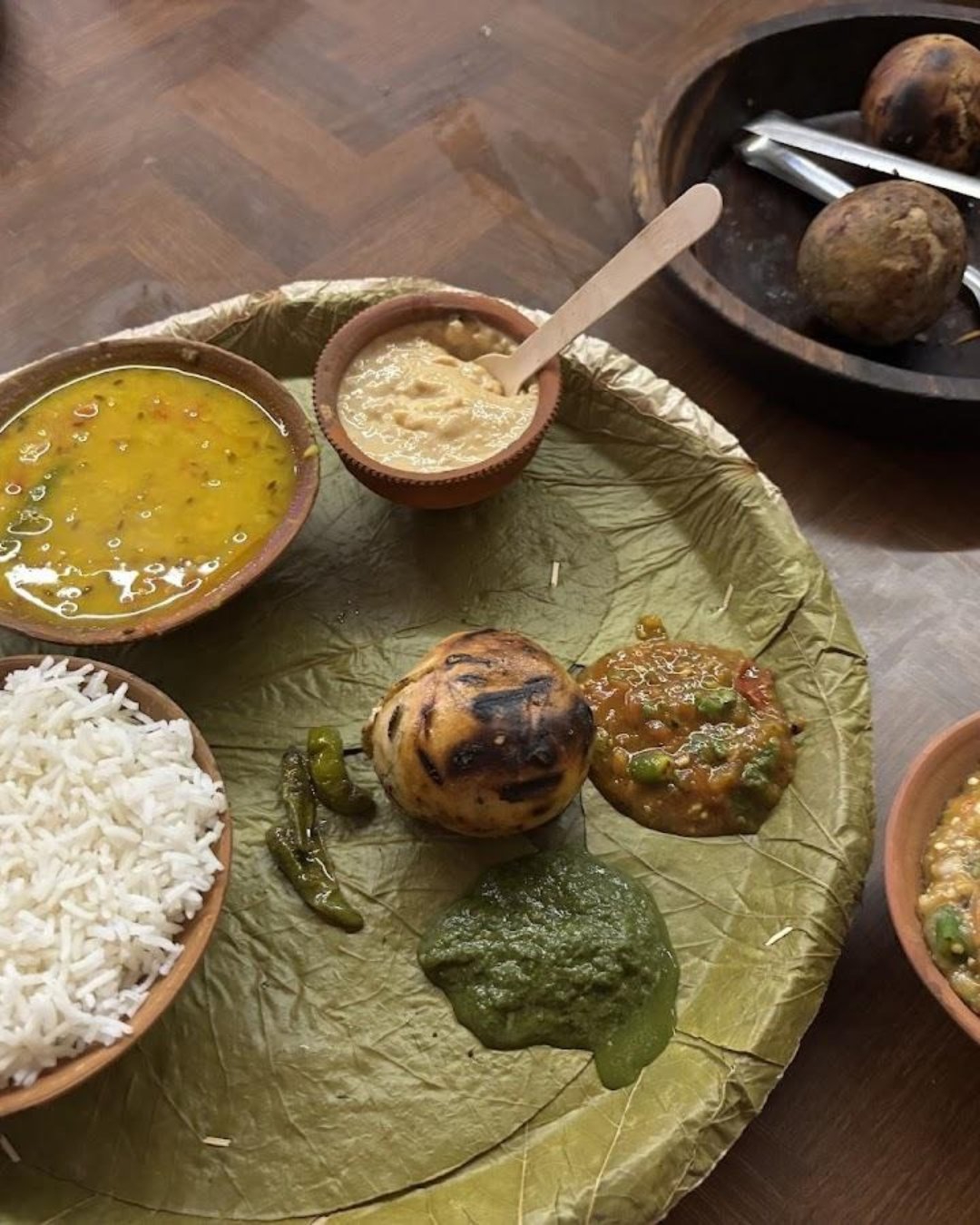
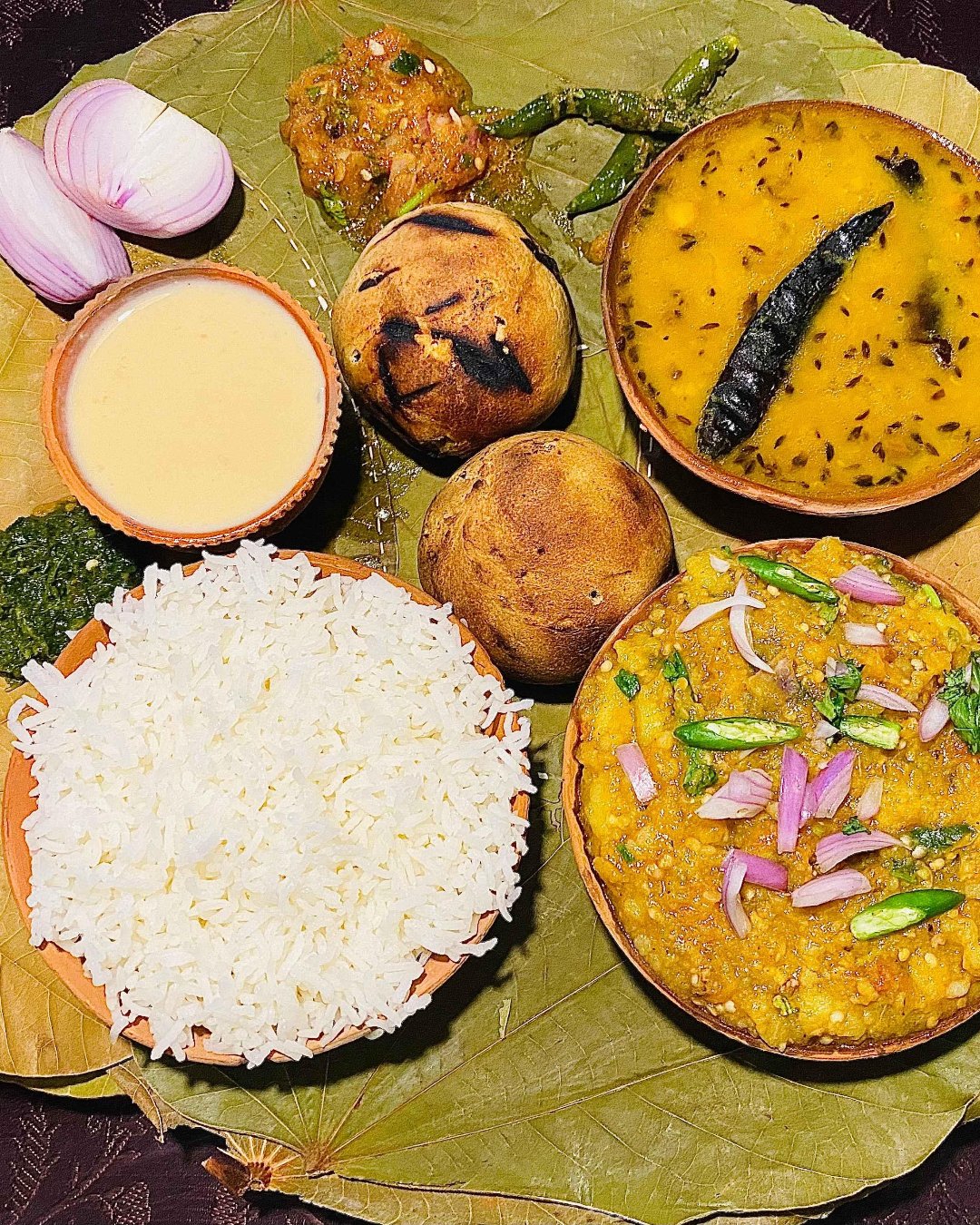
A proper plate lands heavy and hot:
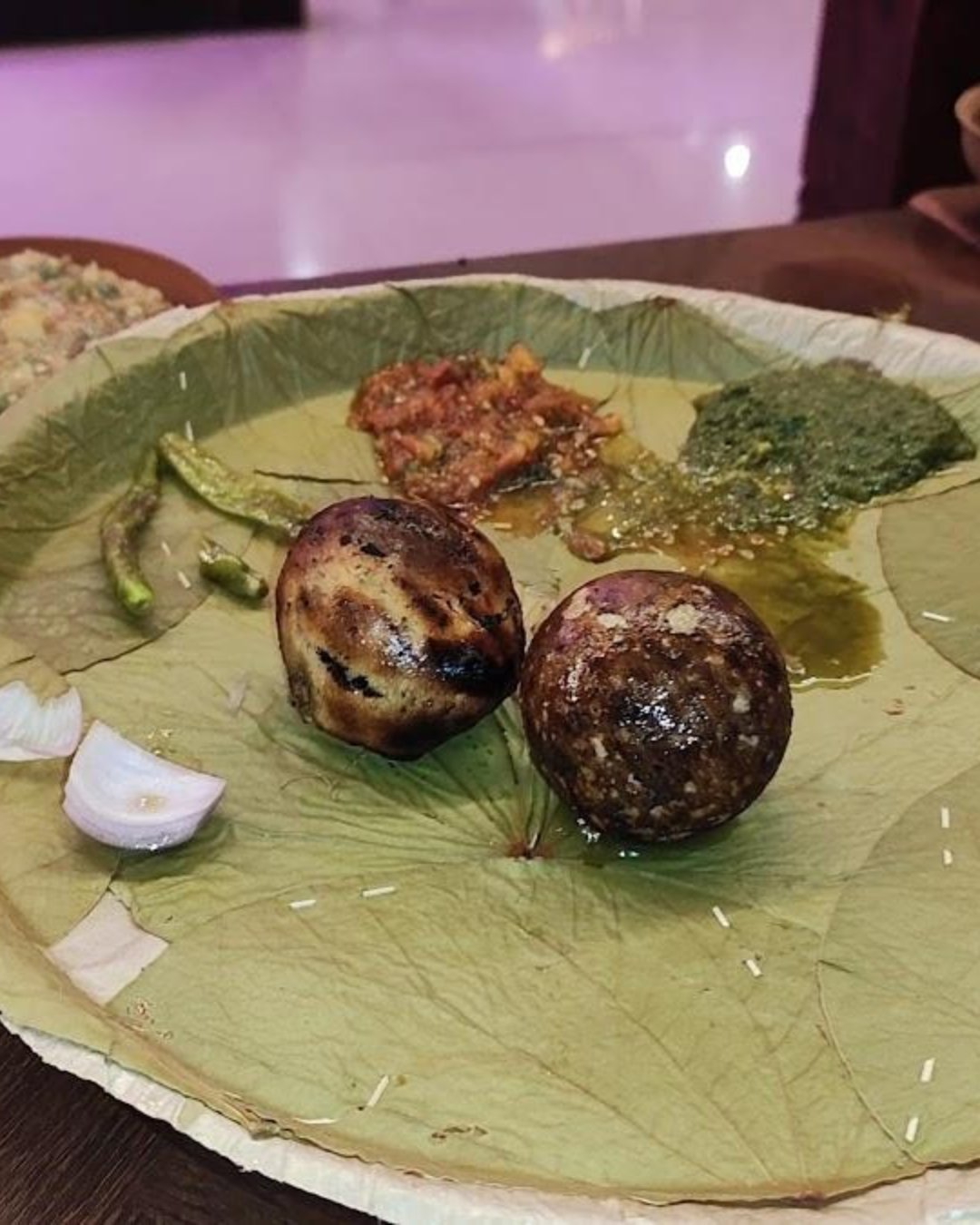
The baati — round, hard-baked, blistered from the fire, split and soaked in ghee. Break it with your hands.
The chokha — the roasted-brinjal-and-tomato mash, smoky and sharp with mustard oil and raw onion.
Sattu-stuffed baati — some come filled with spiced roasted-gram flour, and they're the better version. Ask.
The sides — raw onion, green chilli, a wedge of lemon, sometimes a thin dal poured over.
Eat it with your hands and eat it hot — baati goes dense and heavy as it cools, and this is a dish that rewards the first ten minutes.
And this is a meal to put the phone down for, not photograph. Travellers who eat it right will tell you the same thing: it looks plain on a plate and photographs worse, so the picture will never sell it. Just eat. The crack of the crust, the ghee, the smoke coming off the chokha, the heat of the raw onion and chilli — that's the part the photo never catches, because it isn't a looker, it's a taste.
Pro tip: Go where they bake over real fire, not a gas tandoor, and go hungry — a full plate is genuinely heavy and you won't want lunch after. Eat it fresh off the fire rather than letting it sit. Ask for extra ghee; the locals do. And if your stomach isn't used to Indian street kitchens, ease in — this is rich, oily, garlicky food, so pair it with plenty of water and don't make it your first meal off the plane.
The mistakes that ruin it
Most first-timers trip over the same few things. They order it in a smart restaurant and get a sanded-down version. They let it go cold and find it heavy and dull. Or they make it their arrival-day meal and pay for the richness later.
The easy fix is to eat it at a proper baati-chokha house, hot off the fire, midway through your trip when your stomach's settled — or let a food-savvy guide take you where the locals actually go.