

Tamatar Chaat & the Chaat Belt
Godowlia, Varanasi, India
One dish in this city exists almost nowhere else in India — tamatar chaat — and it only comes alive on the Godowlia belt after dark. Then you get here, and it's overwhelming — a hundred stalls, no idea which are clean, which are famous, or which will leave you in bed for two days. So you either play it too safe and eat nothing memorable, or you point at the busiest cart, hope for the best, and roll the dice on your stomach. Either way, you miss the thing Varanasi actually does better than almost anywhere: chaat.
Let's fix that. Here's how eating the Banarasi chaat belt actually works, and how to get it right the first time.
Why the evening, and not any other hour
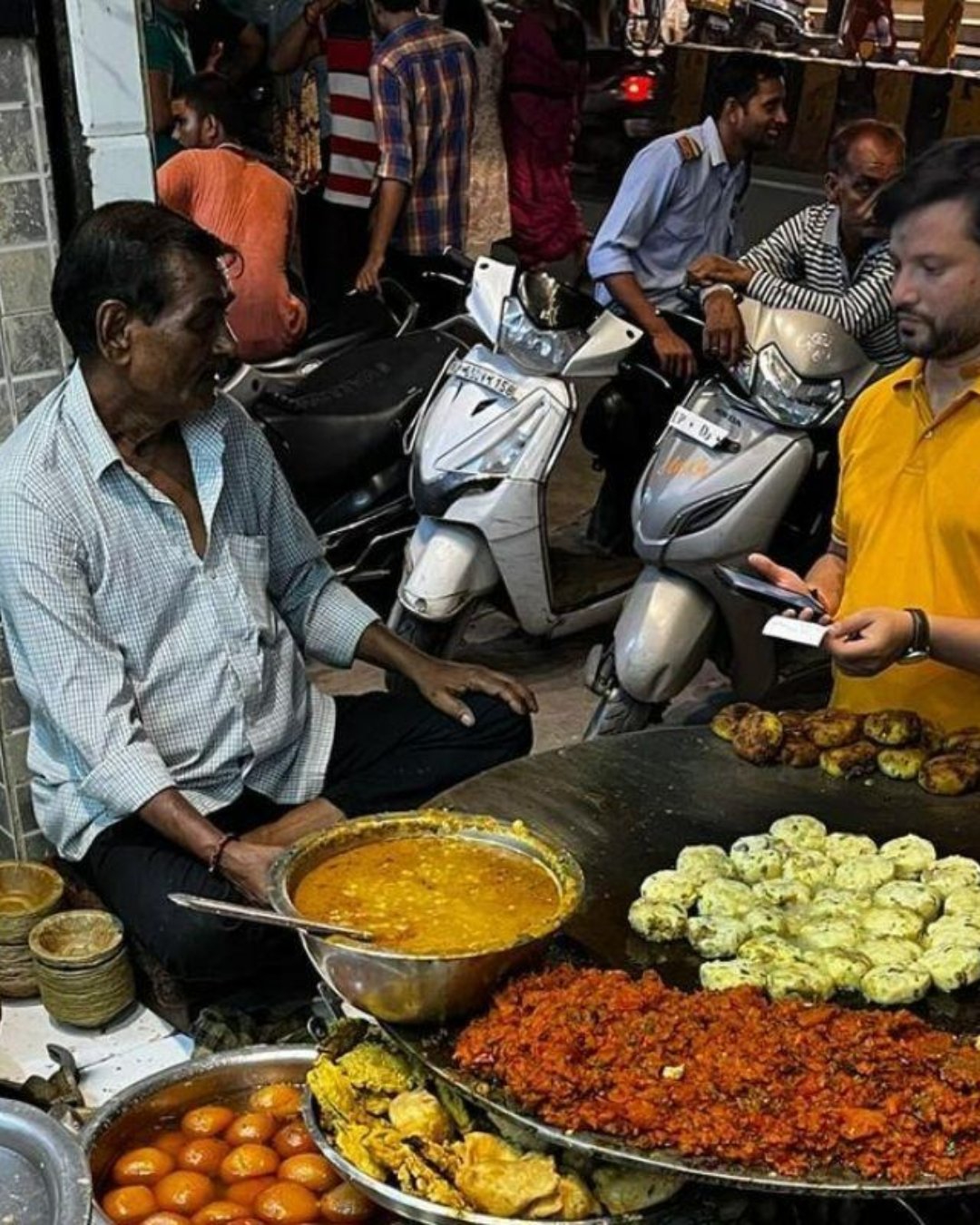
Chaat is an evening thing in Varanasi. The carts fire up in the late afternoon and the belt around Godowlia, Kachori Gali and Thatheri Bazaar comes alive from about 5 p.m. onward. Come at lunchtime and half the good stalls aren't set up; come at 8 p.m. and you're eating in the thick of it, with the crowd that tells you which counter is worth the wait.
There's a food-safety logic to the hour too: the busiest stalls turn over their oil and their toppings fastest, so the batch you're eating is fresher and hotter. In a city where hygiene is the real risk, high turnover is your best friend — and turnover peaks in the evening.
What you'll actually eat
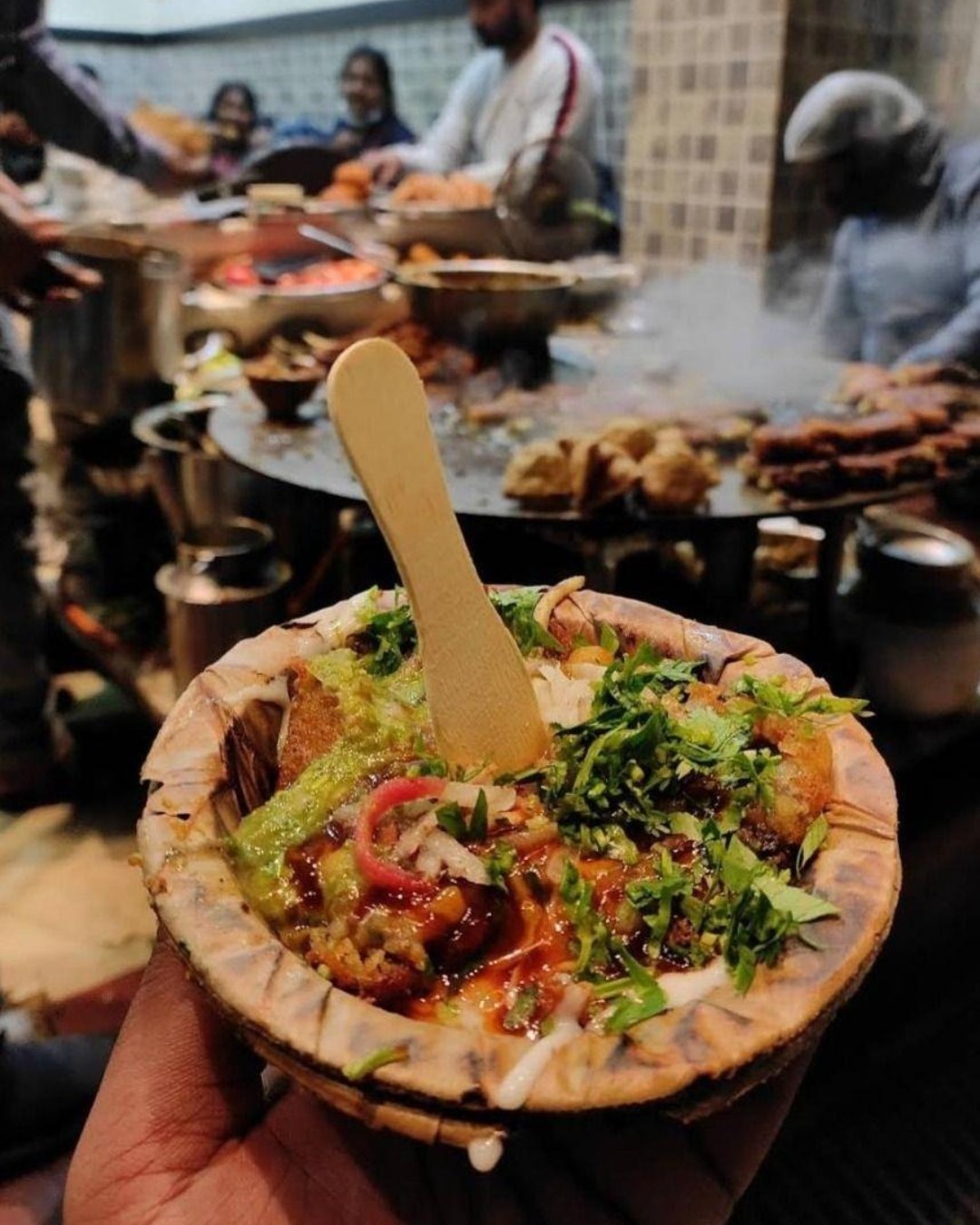
Banaras has its own chaat grammar, and tamatar chaat is the one outsiders never see coming:
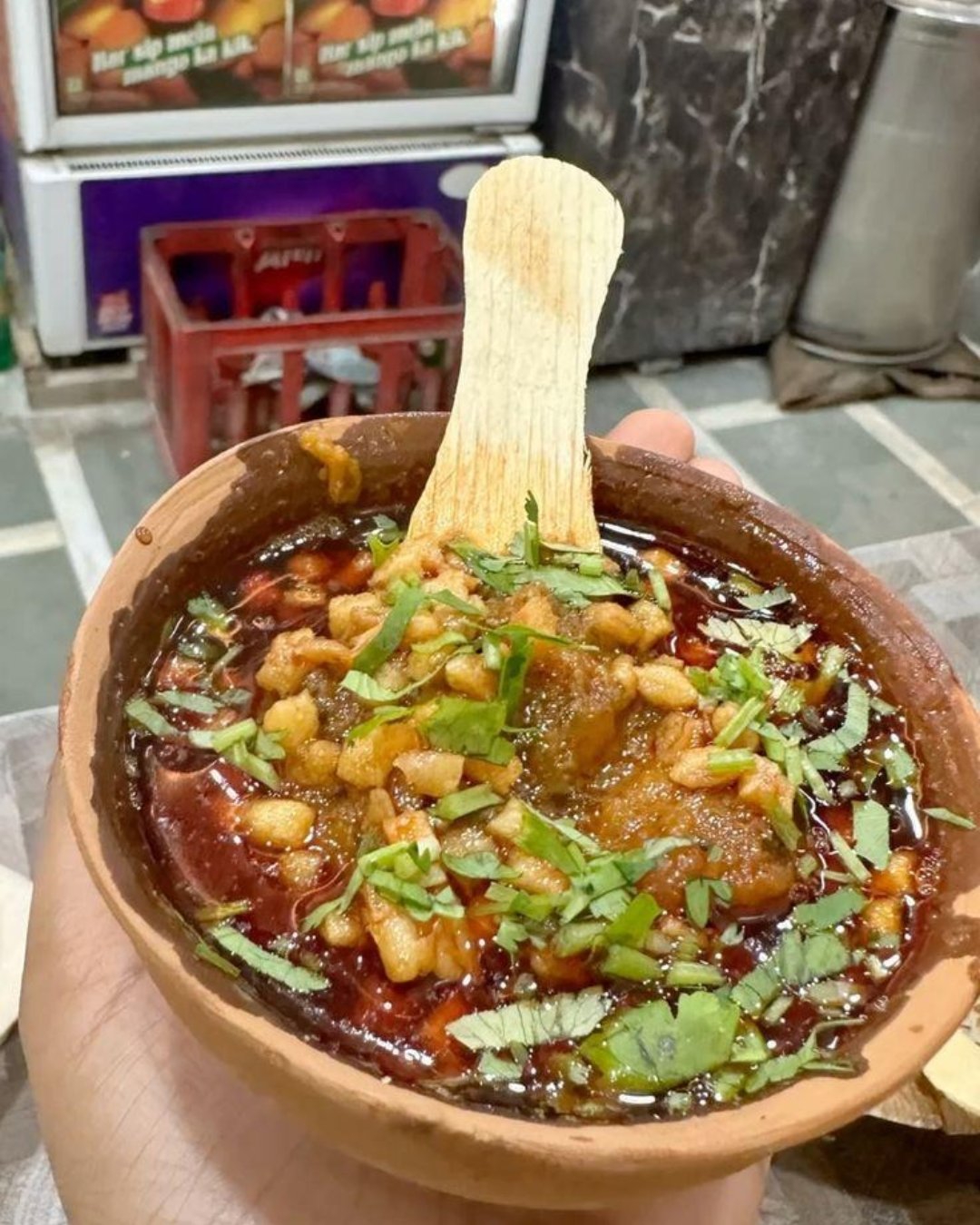
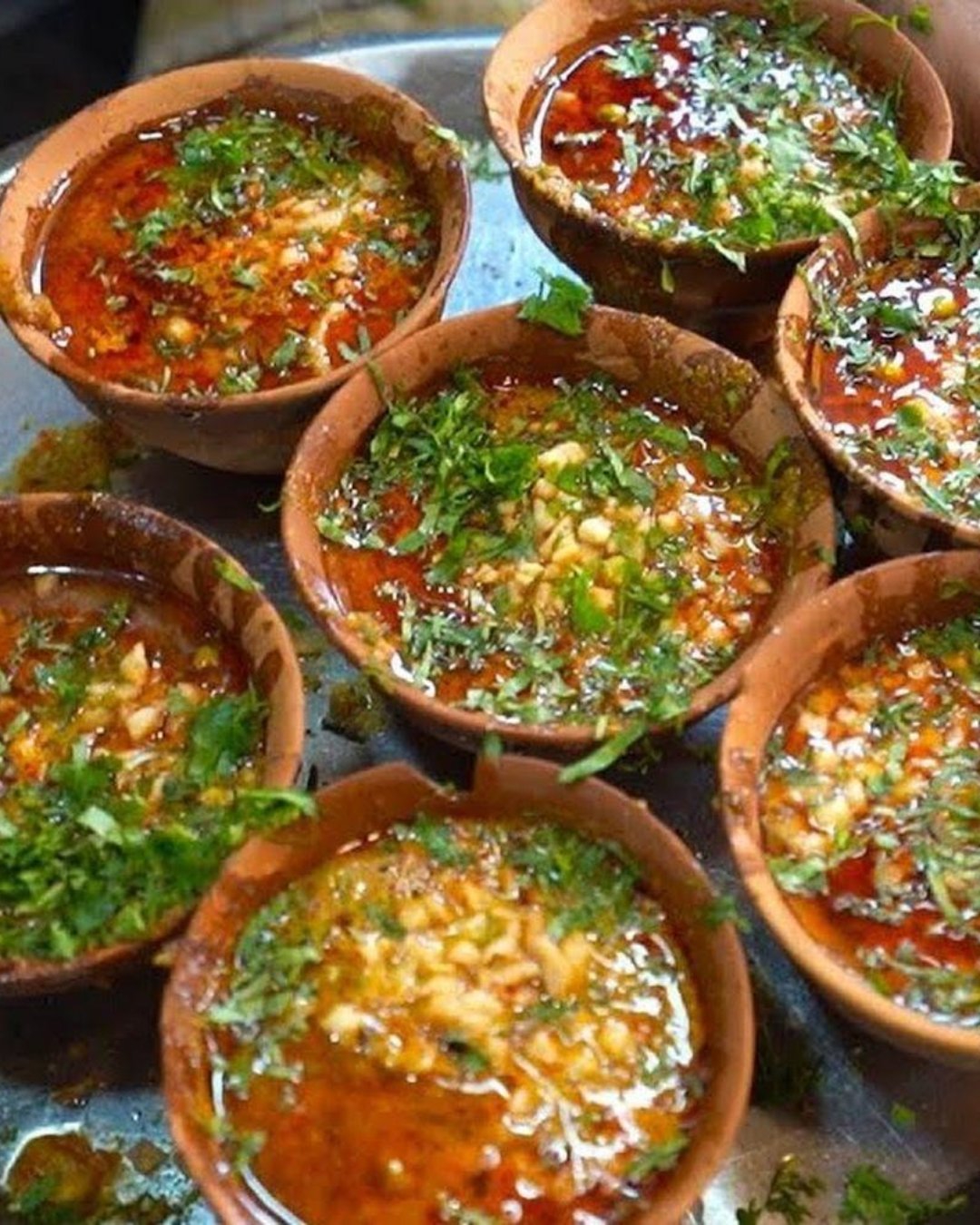
Tamatar chaat — the local signature: tomatoes cooked down to a spiced mash, served in a clay bowl, topped with crushed namak para and crisp bits. Unlike anything called chaat elsewhere.
Palak chaat — spinach leaves fried into crisp fritters, then dressed. Godowlia does the famous version.
Choora matar — a winter-only breakfast of flattened rice and green peas in ghee. Seasonal, and worth chasing.
Kachori-sabzi and jalebi — the classic morning plate, and the sweet that ends any chaat crawl.
Carry small notes and hand sanitiser. Eat it fresh off the pan, in the clay bowls, and skip anything with raw water, pre-cut salad or old chutney sitting out.
And here, unlike the ghats, keep your phone half out — but use it to watch first. Travellers who eat their way through this belt will tell you the same thing: the move is to stand back, see which stall the locals are three-deep at, and eat there. The photo can wait; the queue is the review. The sizzle, the clatter of the ladle on the pan, the first spoon of hot tamatar chaat in a cool clay bowl — that's the part the photos never quite catch.
Pro tip: Eat where the crowd is thickest and the pan never stops — turnover is both the flavour and the safety. Go with an empty stomach and share plates rather than filling up at one stall, so you can try five things instead of one. Start gentle if your stomach isn't road-tested, carry your own water, and end on a hot jalebi or a Banarasi paan. And go in the evening, when the belt is fully lit and fully busy.
The mistakes that ruin it
Most first-timers trip over the same few things. They come at the wrong hour and find half the carts cold. They pick an empty stall out of caution and get the stalest food, not the safest. Or they overfill on the first thing and miss the range.
The easy fix is to walk the belt in the evening with someone who knows which counters have earned their queue — so you eat the best of it without gambling on your stomach.