

Kachori Gali at Dawn
Vishwanath Gali, Varanasi, India
It's 6 a.m. in Kachori Gali, the first kadhai is already spitting oil, and by the time most visitors think about breakfast, the good stalls will be shuttered. A guide, a list of famous shops, lunch worked into the afternoon. But here's the thing nobody tells you: Kachori Gali is a breakfast street, and it's already winding down by the time most visitors think to look for it. Turn up at eleven expecting the scene from the reels and you'll find sold-out kadhais, shutters half-down, and the crowd long gone. The city eats this early, and if you're not there early, you've missed it.
Let's fix that. Here's how Kachori Gali at dawn actually works, and how to get it right the first time.
Why dawn, and not any other hour
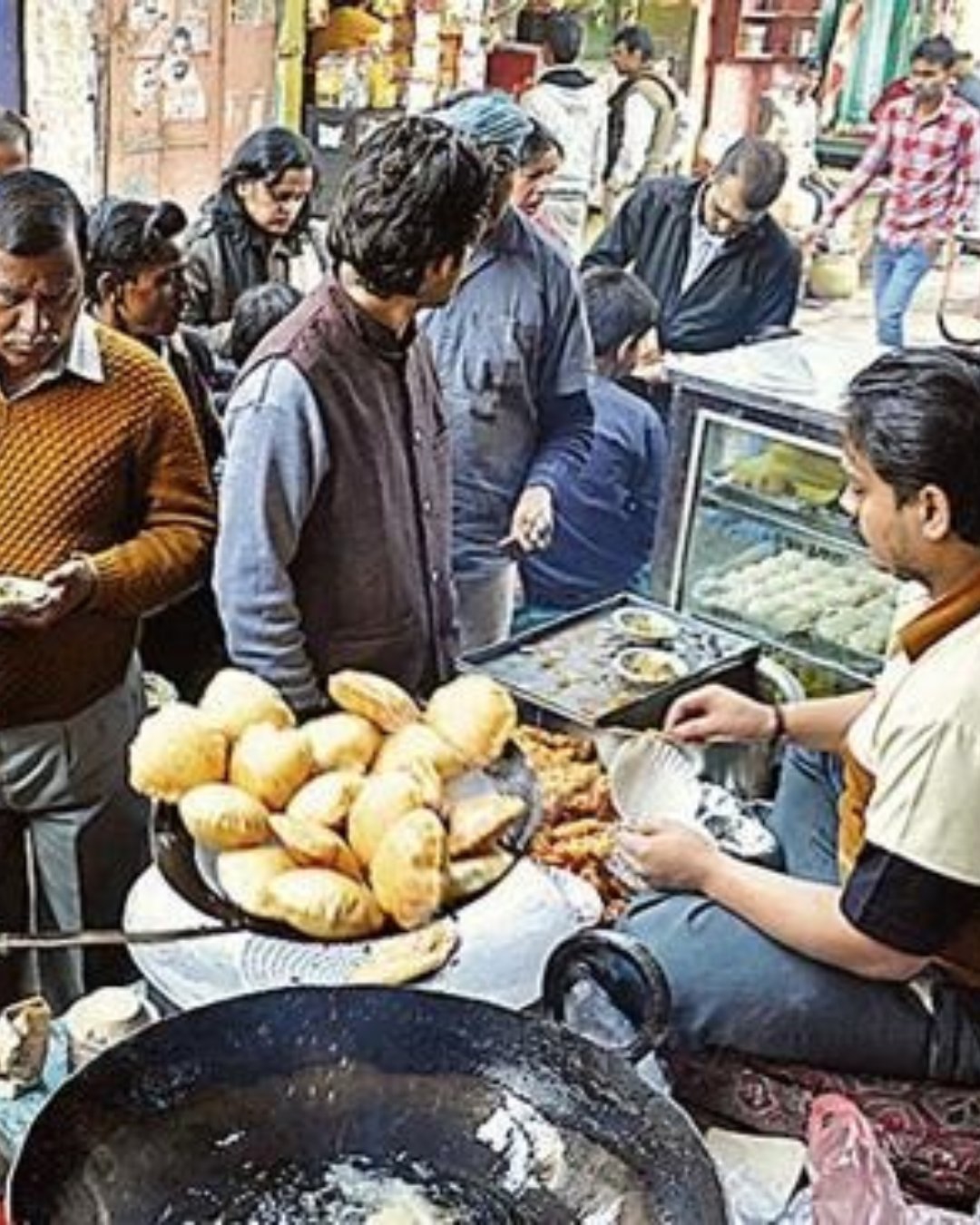
The kachori-sabzi breakfast is made fresh and made once. The halwais fire up their kadhais before sunrise, the first batches come out hot around six, and the good shops sell through their morning stock by mid-morning. What you want is the first hour — the oil clean, the kachoris crisp, the jalebis coming straight out of the syrup.
It also pairs perfectly with the river. You're already up before dawn for the boat ride; step off the water, walk up into the old city, and Kachori Gali is breakfast at exactly the right moment. Come after the ghats, not instead of them. By the time the tour groups arrive at ten, you'll have eaten the best of it and moved on.
What you'll actually eat
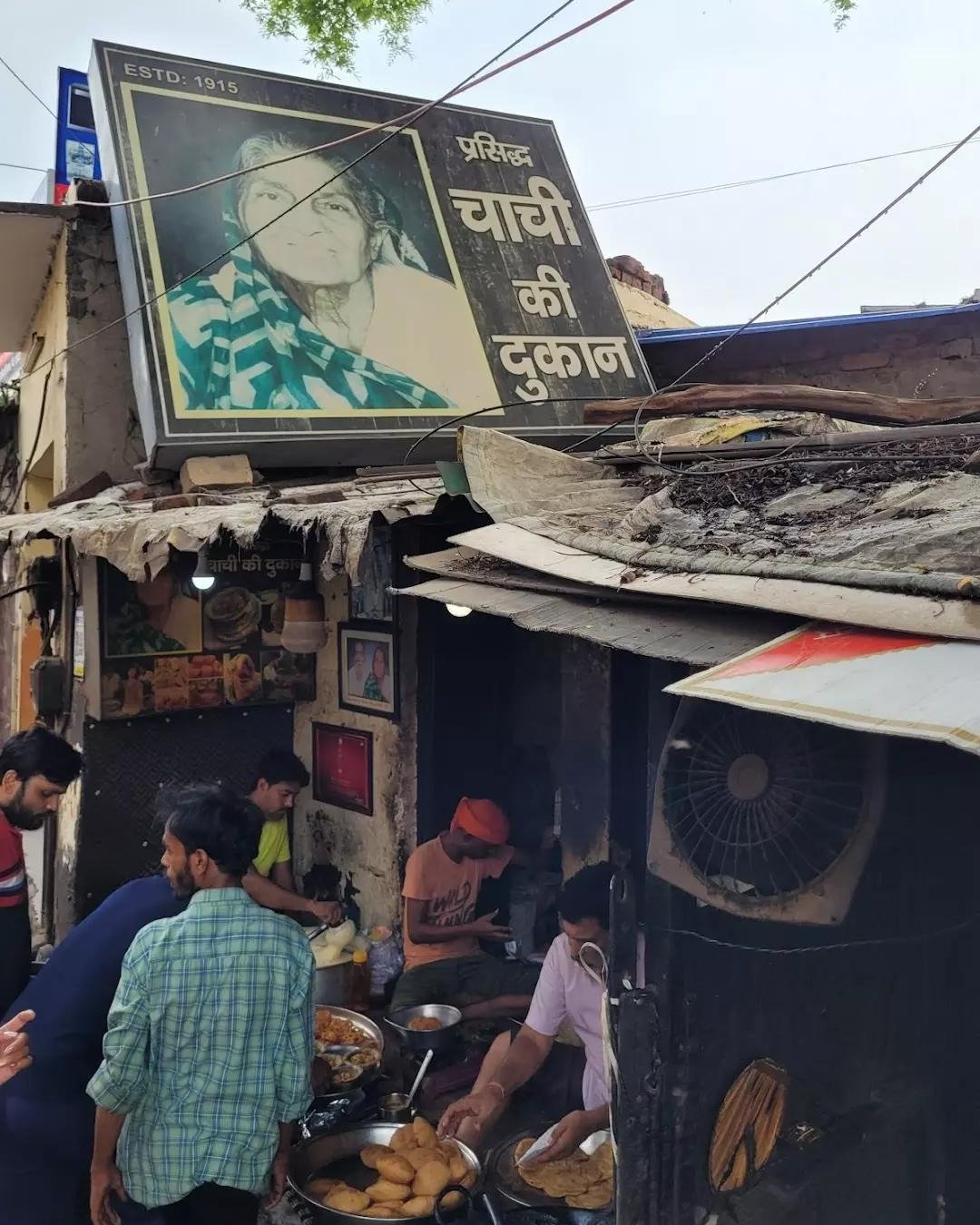
The lane near Vishwanath, Godowlia and the Chowk end is lined with tiny halwai stalls. Work your way through:
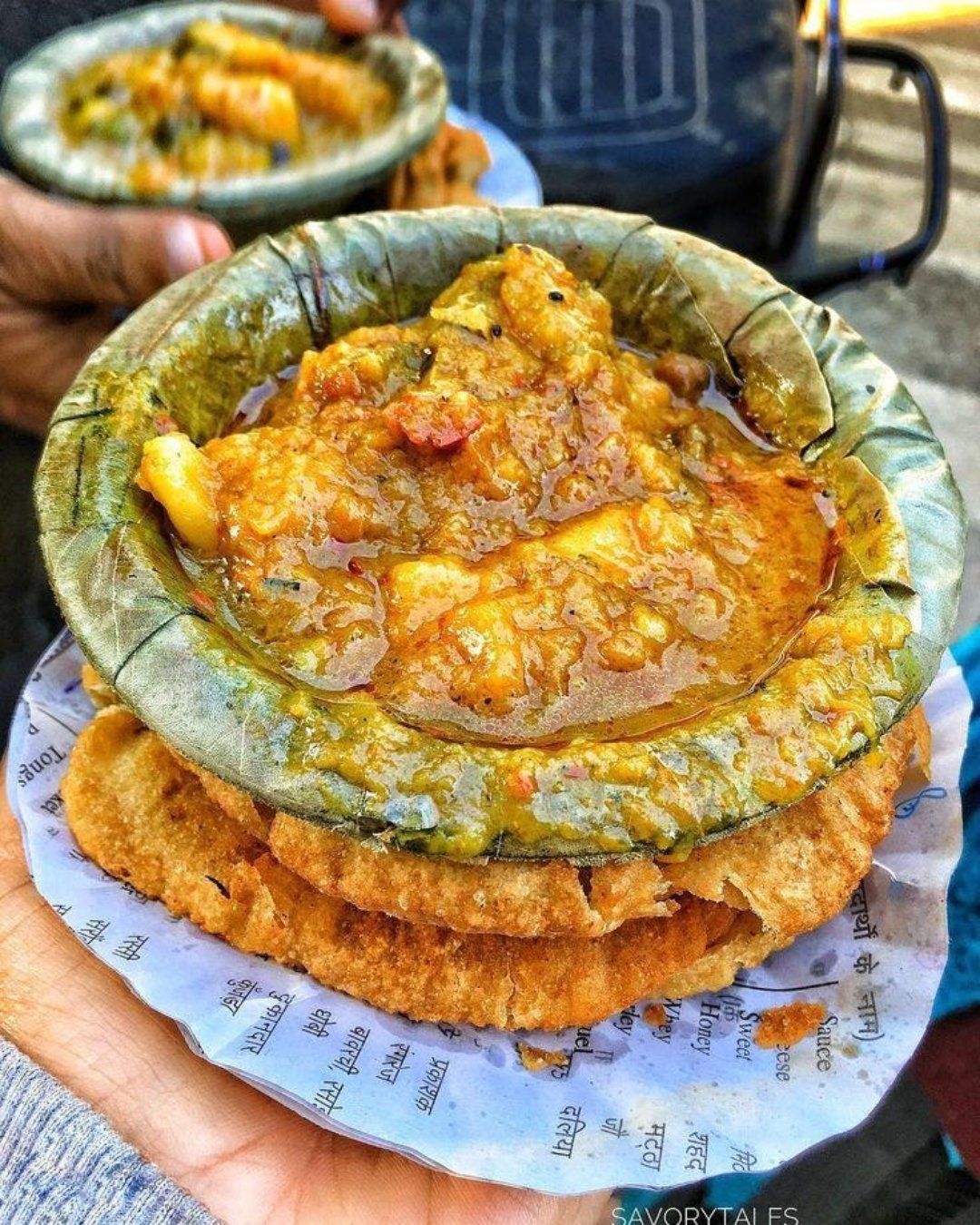
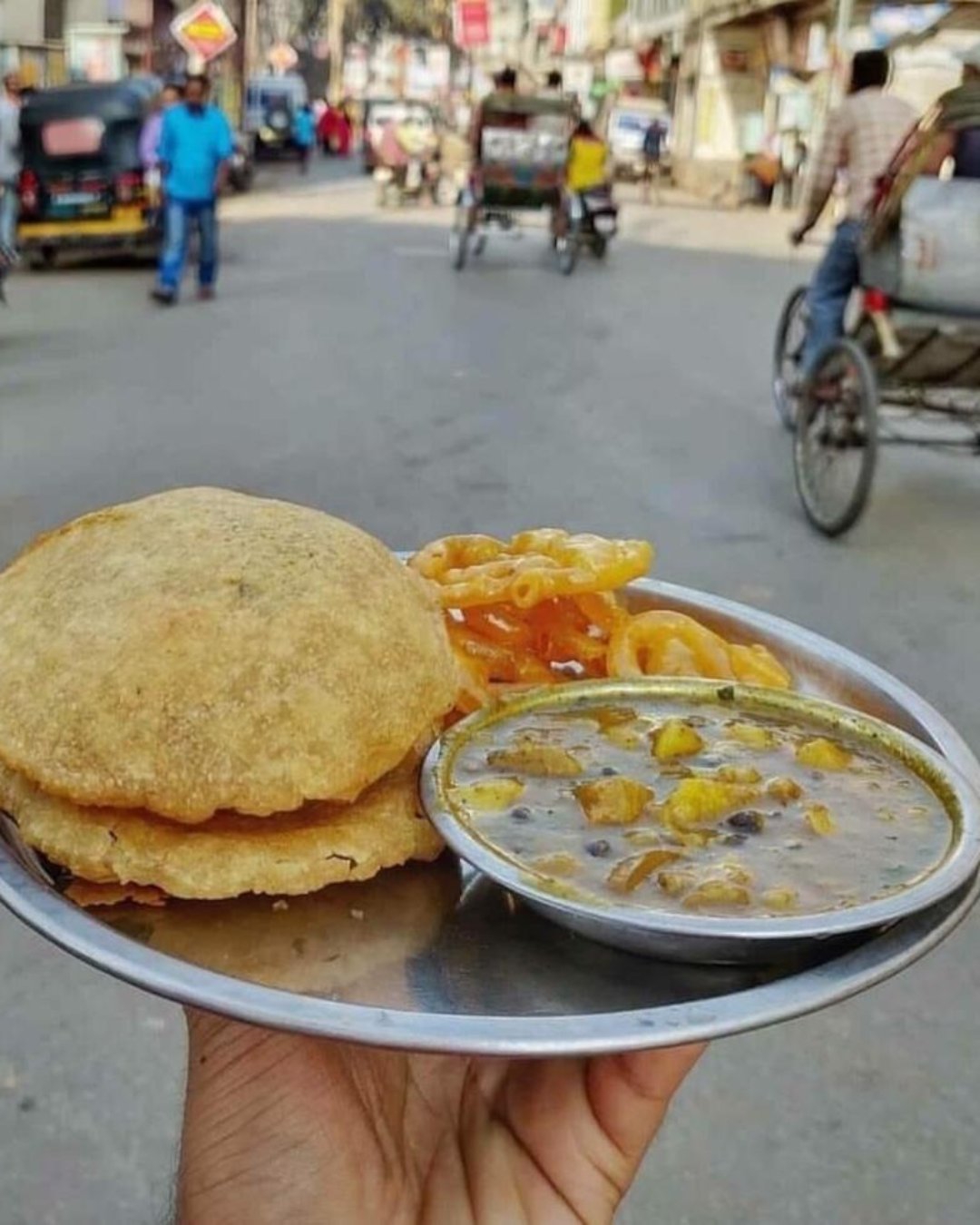
Kachori-sabzi — the signature: puffed, spiced deep-fried bread with a runny potato curry, eaten off a leaf plate.
Jalebi and imarti — hot, orange, dripping; the sweet counterpoint.
Malaiyo — the legendary winter-only saffron milk foam, if you're here Nov–Feb. Gone by mid-morning and gone by March.
Chena dahi-vada and a kulhad of chai — to finish.
Come genuinely hungry, and carry small notes — these are cash stalls that don't want to break big bills at 6 a.m.
And this once, the phone earns its place — but eat first. Travellers who've done this will tell you the same thing: the instinct is to photograph every plate, and the food goes cold while you frame it. Eat the first kachori hot, off the leaf, standing up in the lane with everyone else, before you shoot anything. The steam, the noise of the kadhai, the crush of locals getting their breakfast — that's the part the photos never quite catch.
Pro tip: Eat where the locals queue, not where the English signboard points. A stall with a crowd of Banarasis and a fast-moving kadhai is turning over fresh oil; an empty one with a laminated menu is waiting for tourists. Point at what the person ahead of you ordered. And if you're here in winter, make malaiyo the mission — it's a Banaras-only, dawn-only, season-only thing that most visitors never even hear about.
The mistakes that ruin it
Most first-timers trip over the same few things. They come mid-morning, after the fresh batches and the crowd have gone. They eat at the tourist-signposted stall instead of the busy local one. Or they photograph everything cold instead of eating it hot.
The easy fix is to come at dawn, straight off the boat, and eat where the locals eat — or let the morning be planned so breakfast lands at the right hour in the right lane.