


Lalita Ghat & Nepali Temple
Banaras Ghat Rd, Varanasi, India
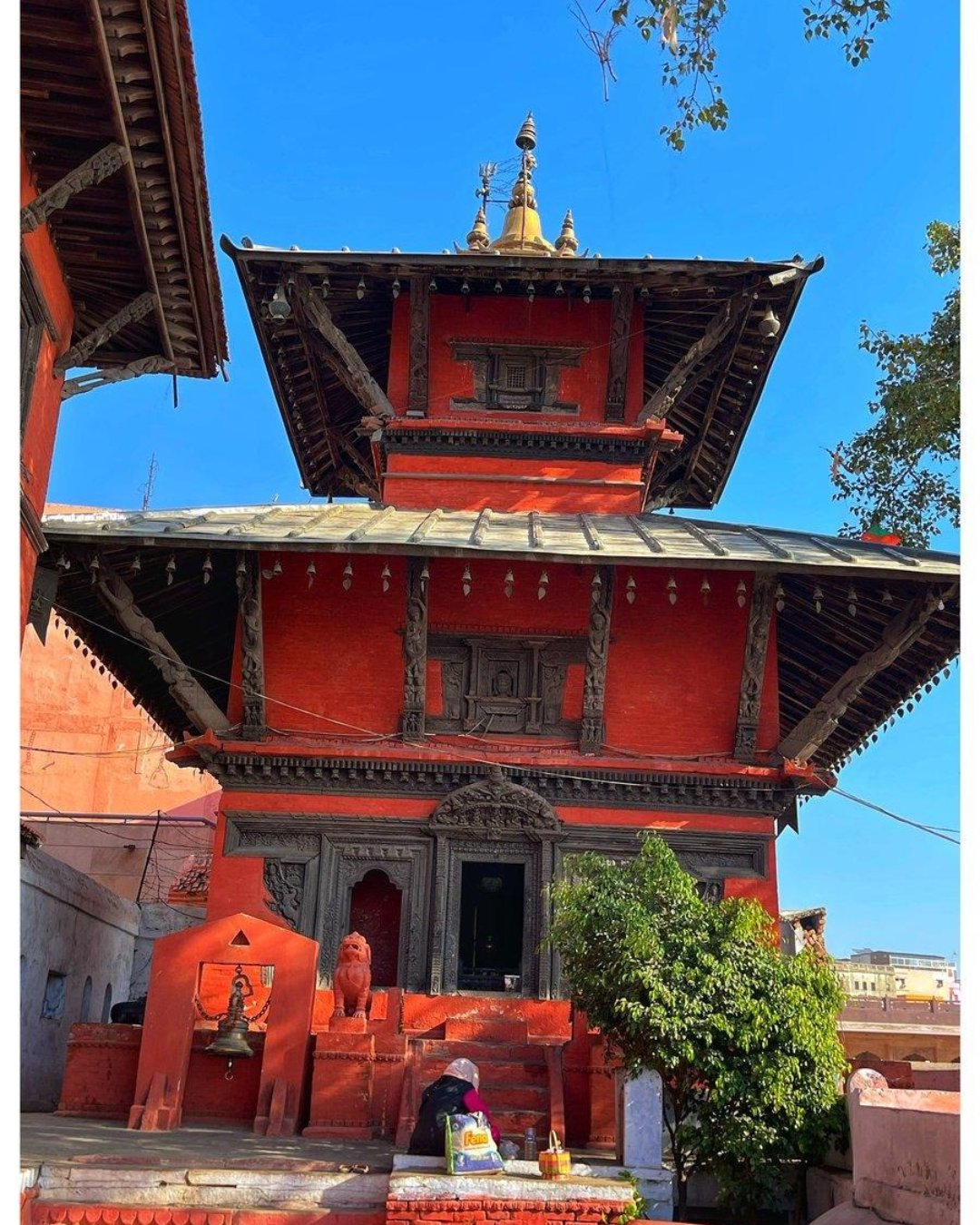
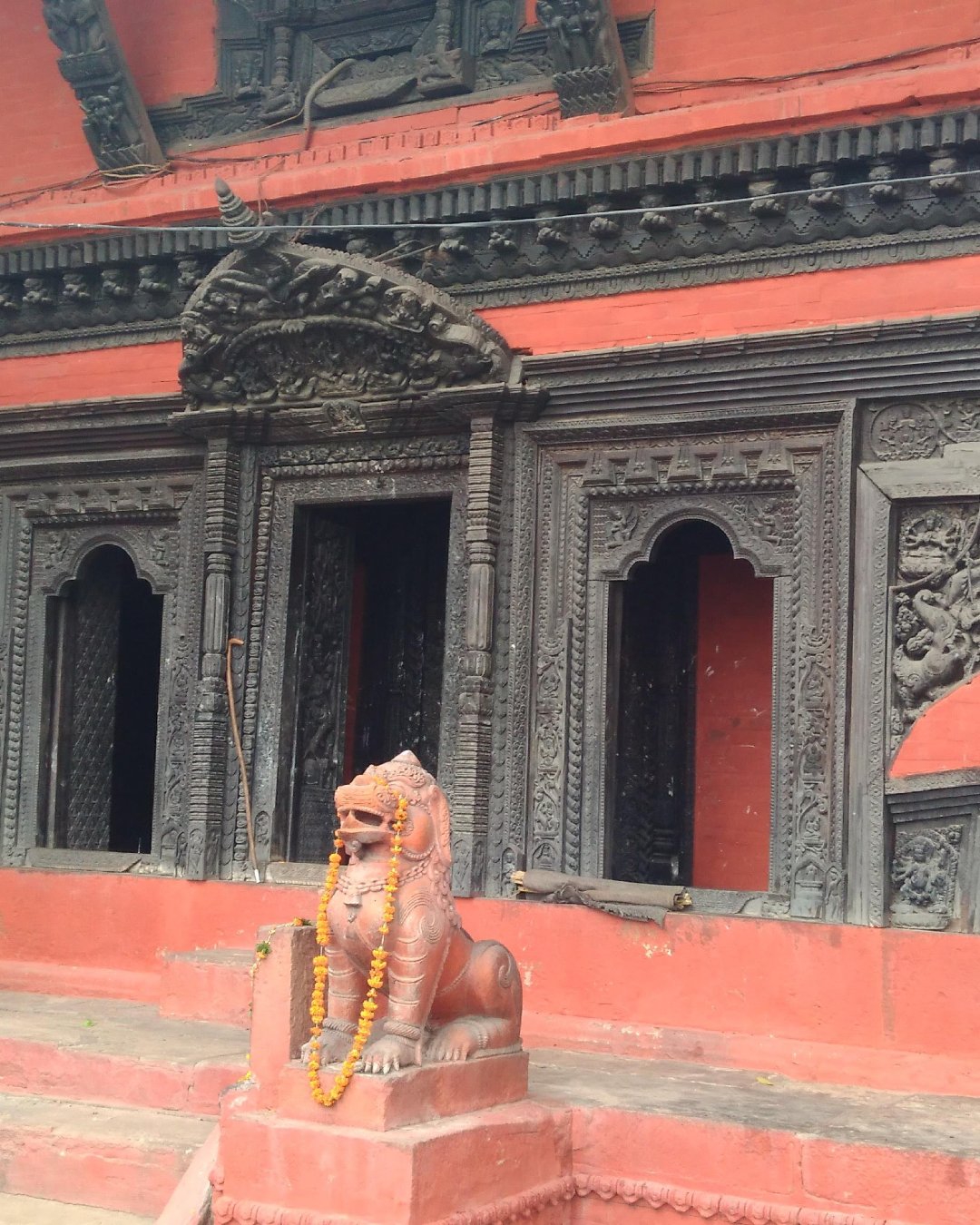
You've probably had your eye on the burning ghat right beside it and missed this one entirely. But here's the thing nobody tells you: just above Lalita Ghat stands a temple that looks like it was airlifted from Kathmandu — dark carved timber, a pagoda roof, struts covered in the kind of erotic carving you'd never expect on the Ganga. It's the Nepali Temple, built by a king of Nepal, and it's the single most architecturally surprising thing on the entire riverfront. Most visitors float past it looking the other way.
Let's fix that. Here's how Lalita Ghat and the Nepali Temple actually work, and how to get it right the first time.
Why you climb up, and go in the morning
From the water you get a glimpse of dark wood among the stone, but the temple sits up off the ghat, set back — you have to leave the boat and climb to see it properly. And it's worth the climb: this is a working Shiva temple (Kashi Vishwanath's Nepali counterpart, sometimes called Someshwar or the Kathwala Temple) built in Nepali pagoda style, entirely of timber, with carved wooden struts unlike anything else in the city.
Go in the morning. The temple is open in daylight hours, quiet before the day's heat, and the low sun catches the carved wood — which reads as a flat dark mass at midday. It's a short visit paired naturally with the ghat below, half an hour between the river and the lanes.
What you'll actually see
The Nepali Temple — a wooden pagoda-style Shiva temple built by a 19th-century king of Nepal, with intricately carved struts, some of them erotic in the Nepali tradition.
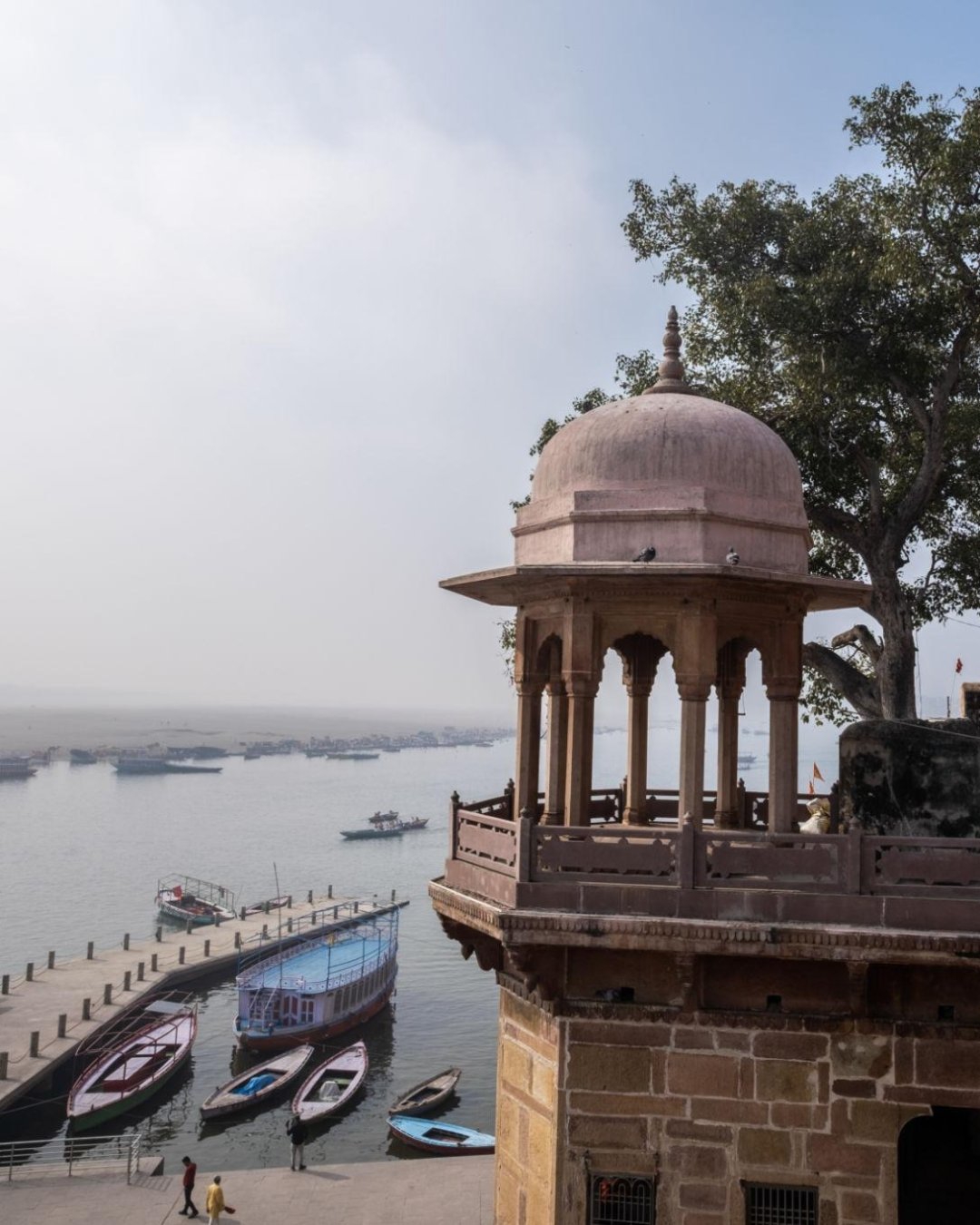
Lalita Ghat itself — the steps below, close to the Kashi Vishwanath Corridor's river end.
The Ganga view — the temple terrace looks out over the river and, just south, the smoke of Manikarnika.
The proximity to the Corridor — Lalita sits near the new Vishwanath Dham river gate, so it pairs with that approach.
Dress modestly and go barefoot from the shoe stand into the temple. Photography of the building is generally fine; be discreet and respectful about the carvings, especially with children present.
And this is one to look at properly before you shoot. Travellers who climb up will tell you the same thing: the instinct is to photograph the erotic carvings and giggle, but the temple is a genuine and rare piece of cross-Himalayan architecture, a bit of Nepal on the Ganga, and it repays a proper look. Stand under the eaves, take in the woodwork, understand what you're seeing — a Kathmandu temple on a Varanasi ghat — and then photograph it. That context is the part a quick snap of the carvings misses entirely.
Pro tip: Combine it with the Kashi Vishwanath Corridor, since Lalita Ghat sits right by the Corridor's river gate — do the temple, then walk up to the Dham, or arrive by boat and take both. Come in the morning for the light on the wood and the quiet. And be respectful about the erotic carvings: they're a normal part of Nepali temple tradition, not a novelty, and photographing them mockingly reads badly in a place of active worship.
The mistakes that ruin it
Most first-timers trip over the same few things. They see it only from the boat, distracted by Manikarnika beside it, and never climb up. They come at midday, when the carved wood goes flat and dark. Or they treat the temple as a joke rather than the rare piece of architecture it is.
The easy fix is to climb up in the morning, pair it with the Corridor next door, and come with a little context about what a Nepali pagoda temple is doing on the Ganga.
Want the climb, the woodwork, and the Corridor in one morning?
Hit Do this trip — we'll map the route.