


Panchganga Ghat
Pancha Ganga Ghat, Varanasi, India
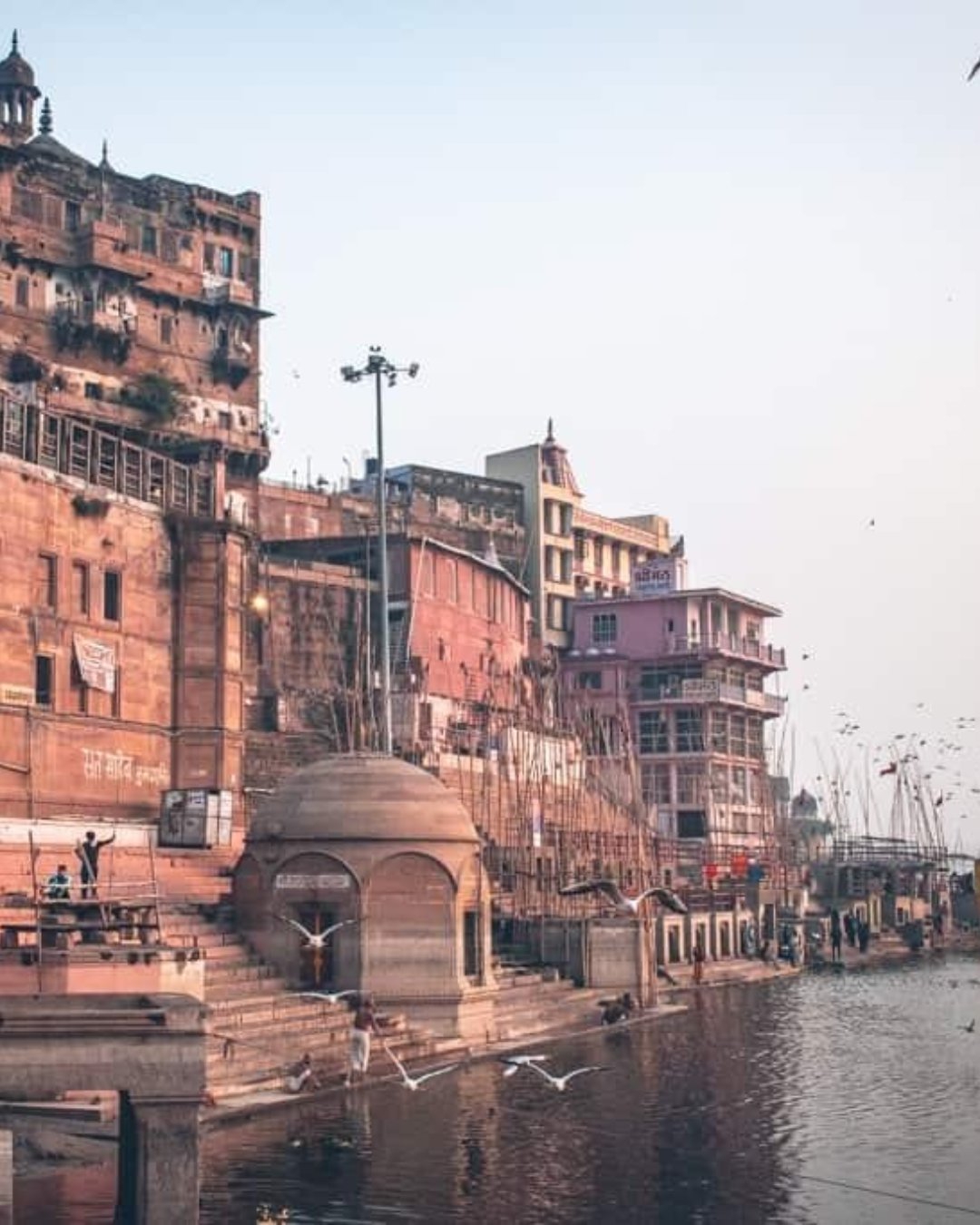
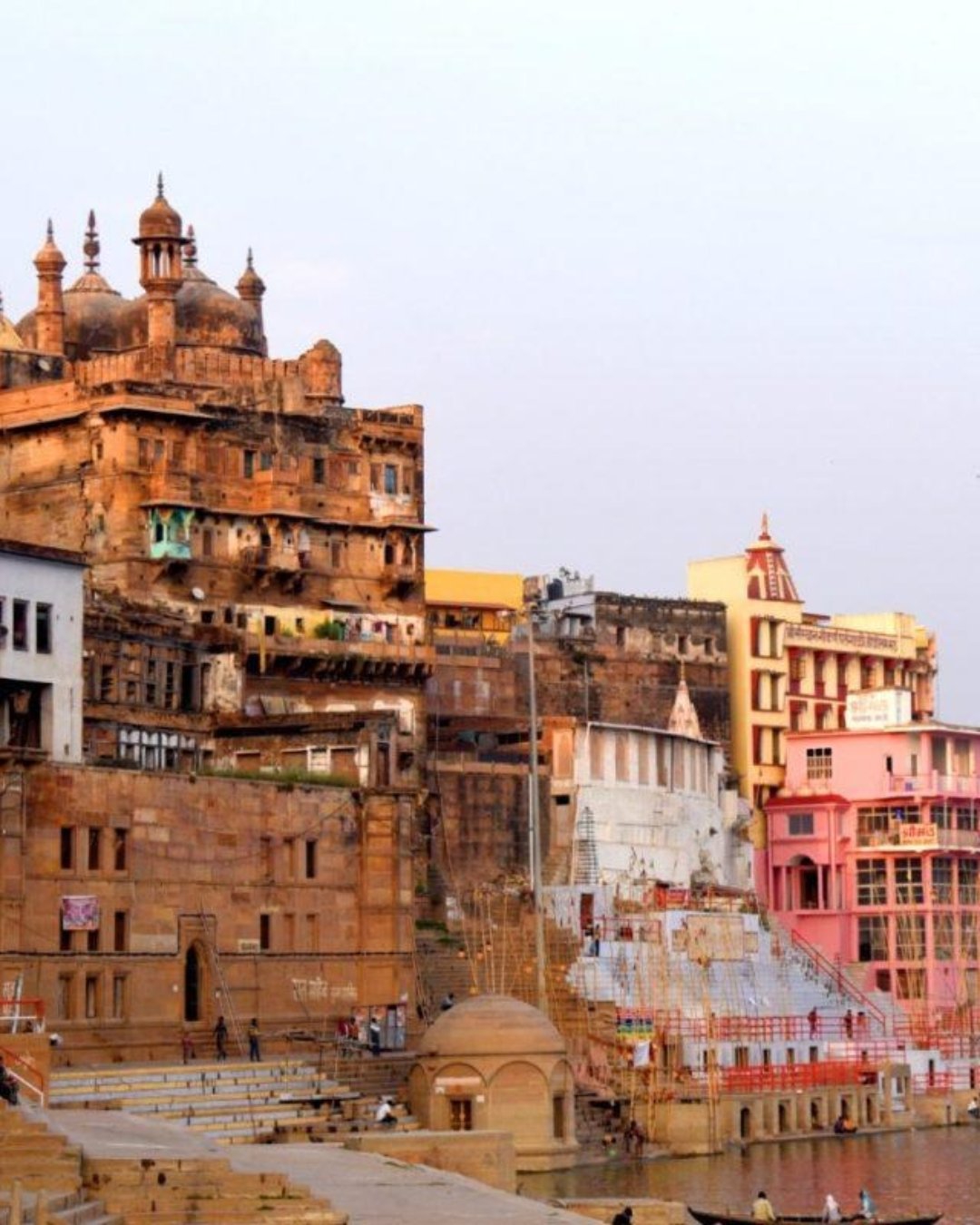
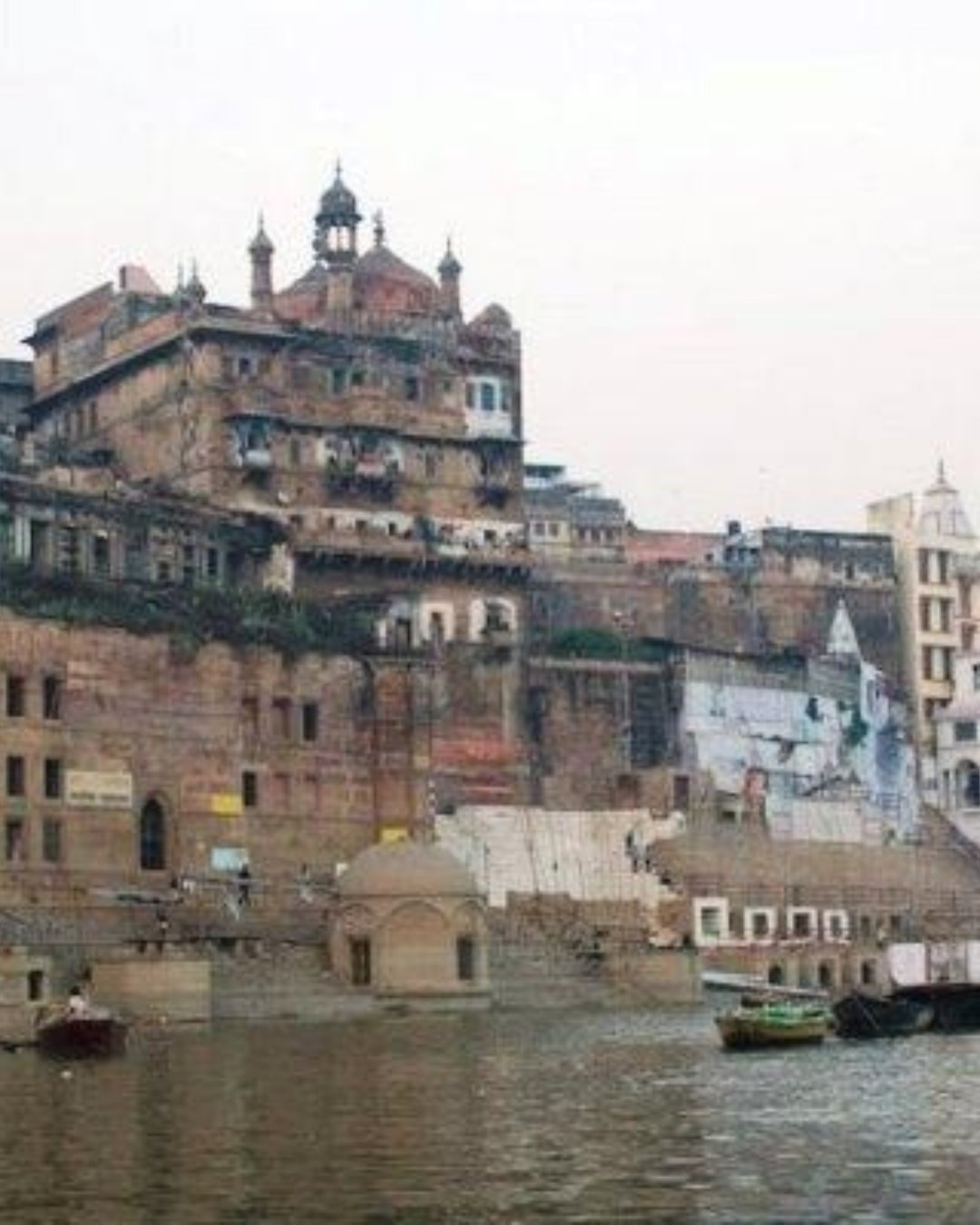
You've probably not had this one pointed out. It's further north than most boat rides go, past the busy central stretch, so a lot of visitors never reach it. But here's the thing nobody tells you: rising above Panchganga is the great Alamgir Mosque — Aurangzeb's mosque, built over a demolished Vishnu temple — and below it the ghat where, by tradition, five rivers meet, and where thousands of little lamps are lit each Kartik in one of the river's loveliest festivals. It's one of the most historically loaded spots on the whole waterfront, and it sits just past where most people turn their boats around.
Let's fix that. Here's how Panchganga Ghat actually works, and how to get it right the first time.
Why you go further, and ideally in Kartik
Panchganga is north of the central ghats, so reaching it means asking your boatman to row on past the usual turnaround. Most don't, unless you say so — which is exactly why it's quiet. On an ordinary morning it's a steep, historic ghat with a mosque looming over it and few other visitors.
But there's one time it transforms. Through the month of Kartik (October–November), and especially at Dev Deepavali — the full-moon festival when Varanasi lights up for the gods — Panchganga is famous for its hanging lamps, thousands of tiny diyas strung in tiered wooden frames down the ghat. If you can time your visit to Kartik, this is one of the most beautiful sights on the river. Outside it, come for the history and the calm.
What you'll actually see
Alamgir Mosque (Beni Madhav ka Dharara) — Aurangzeb's mosque on the height above the ghat, raised over an earlier Vishnu temple; its minarets are the northern skyline.
The five-rivers confluence — the tradition that gives Panchganga its name, where five sacred streams are said to meet.
The hanging lamp frames — the tiered wooden stands lit through Kartik, empty but visible the rest of the year.
Bindu Madhav Shrine — the Vishnu temple associated with the ghat, much reduced from its former size.
Dress modestly, particularly near the mosque, and take shoes you can remove. If you visit the mosque itself, cover appropriately and check whether non-worshippers are permitted that day.
And this stretch rewards putting the phone down at first — then, in Kartik, absolutely raising it. Travellers who reach Panchganga will tell you the same thing: on a normal day the pull is the layered history you can't photograph — a mosque over a temple over a confluence, centuries stacked on one hillside. During Dev Deepavali it flips, and the tiered lamps are one of the few genuinely photograph-worthy spectacles on the river. Either way, look before you shoot. The weight of the place, or the glow of a thousand flames, is the part a quick frame misses.
Pro tip: Ask your boatman in advance to row up to Panchganga — it's beyond the standard route and won't happen by default. If your dates fall in Kartik, prioritise it: Dev Deepavali here is extraordinary, though it's also crowded and best seen from a boat. Be respectful and discreet around the mosque, which is a sensitive as well as sacred site, and don't treat the layered temple-mosque history as a photo backdrop.
The mistakes that ruin it
Most first-timers trip over the same few things. They never get this far north because the boat turns back early. They come outside Kartik expecting the famous lamps and find empty frames. Or they treat a religiously and politically sensitive site casually.
The easy fix is to ask the boat to go the extra distance, time it to Kartik if the lamps are the draw, and come with a little context and a lot of respect for a complicated place.
Want the boat to row the extra stretch?
Hit Do this trip — we'll make sure you reach Panchganga.