


Man Mandir Ghat & Historic Observatory
Jantar Mantar Varanasi, Varanasi, India
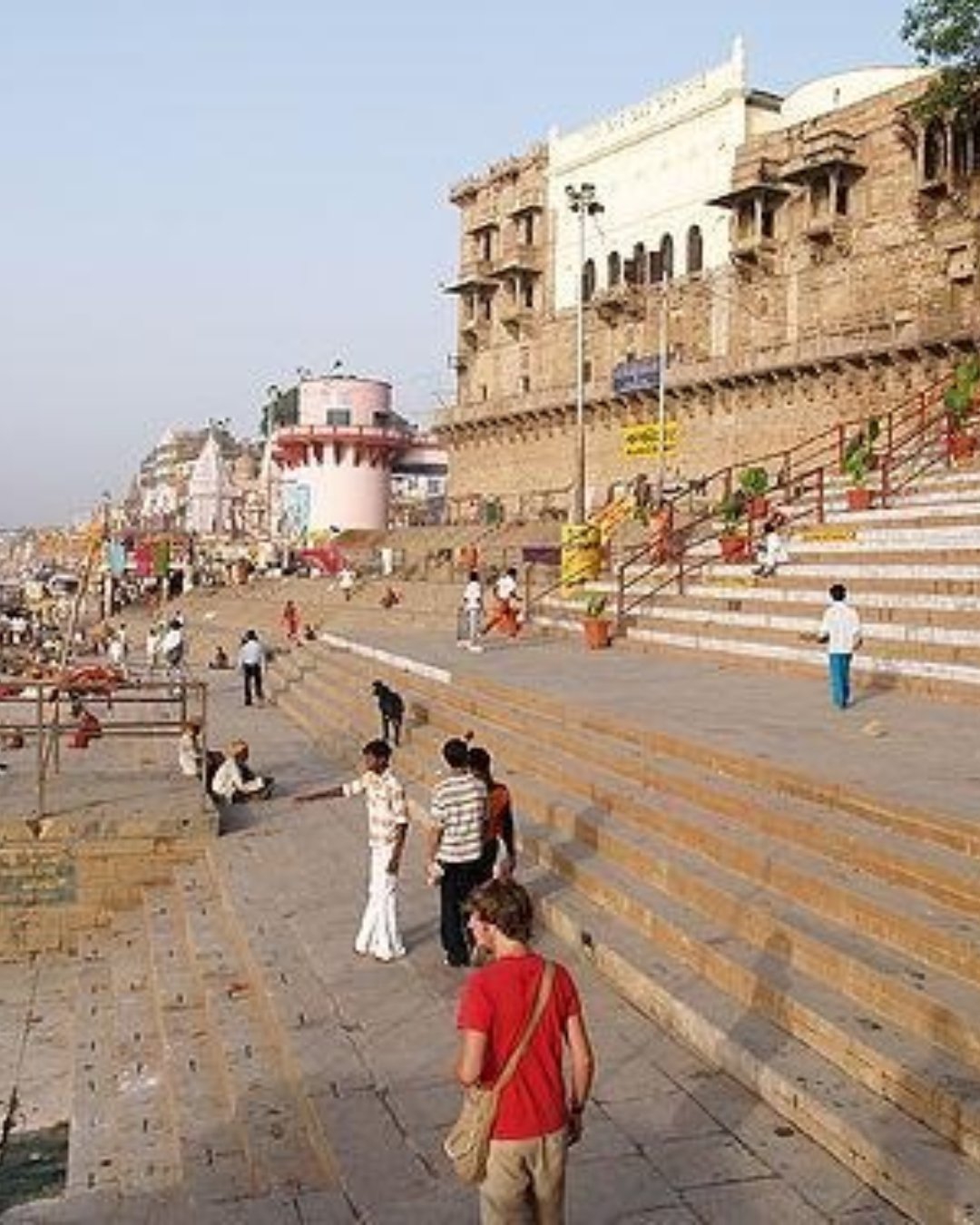
You've probably glided right past it. It sits just north of Dashashwamedh, so on the boat you're usually looking the other way, at the aarti crowd. But here's the thing nobody tells you: perched on top of this ghat is a Jantar Mantar — one of the stone astronomical observatories the astronomer-king Jai Singh II built in the 1730s, the same series as the famous one in Jaipur. Giant instruments for reading the sky, sitting above the river, and almost every visitor floats past without a glance up.
Let's fix that. Here's how Man Mandir Ghat and its observatory actually work, and how to get it right the first time.
Why you climb up, and go in the morning
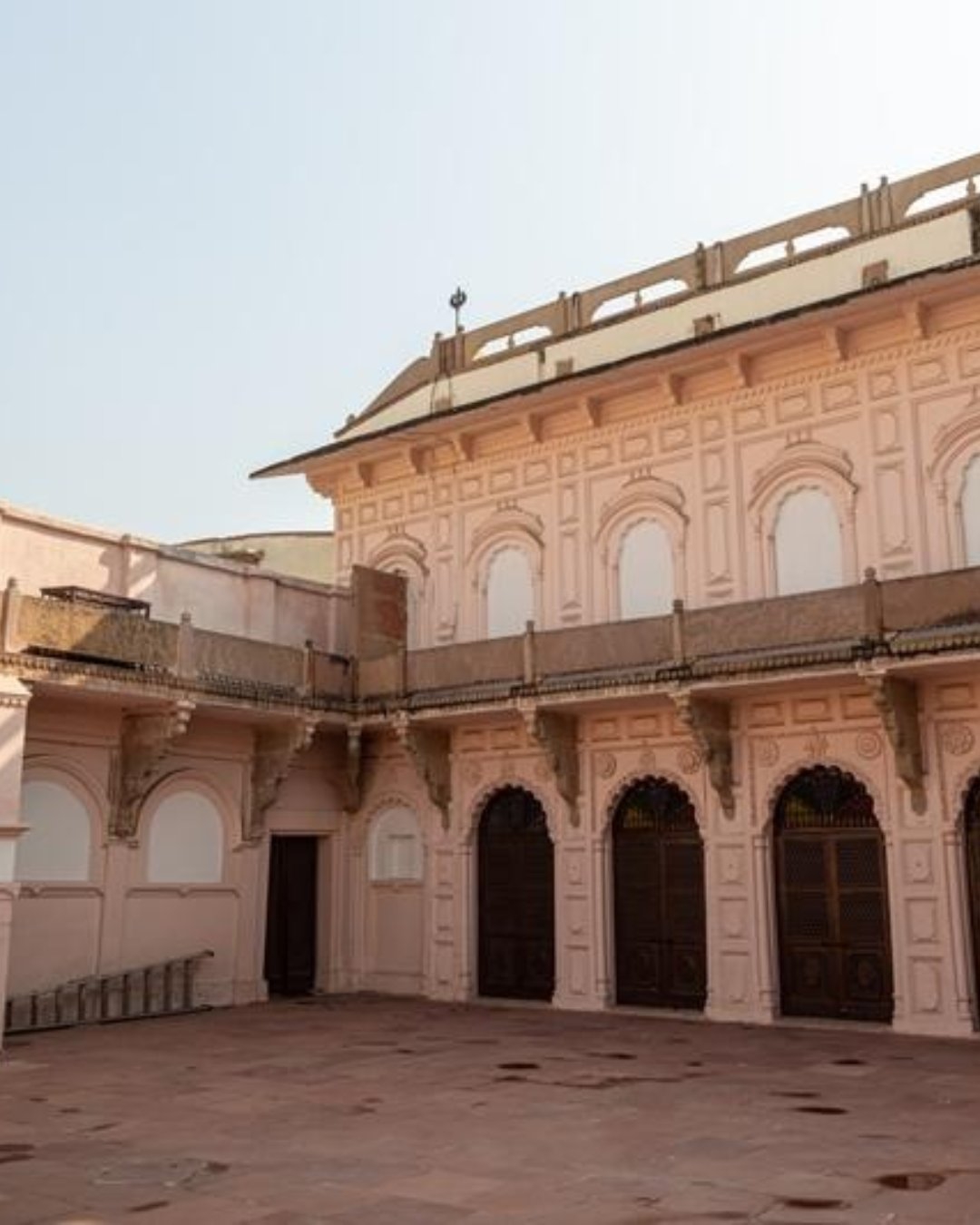
From the water you get a handsome Rajput palace facade and nothing more — the observatory is on the roof terrace, out of sight from below. The whole point of this stop is up there, which means you leave the boat and climb.
Go in the morning. The instruments are open to visitors in daylight hours, the terrace is quiet before the day heats up, and the low sun makes the stone shapes read clearly — which matters, because these are precision instruments disguised as sculpture, and flat midday light flattens them. It's a short, sharp visit: the palace below, the observatory above, half an hour well spent between the river and the lanes.
What you'll actually see
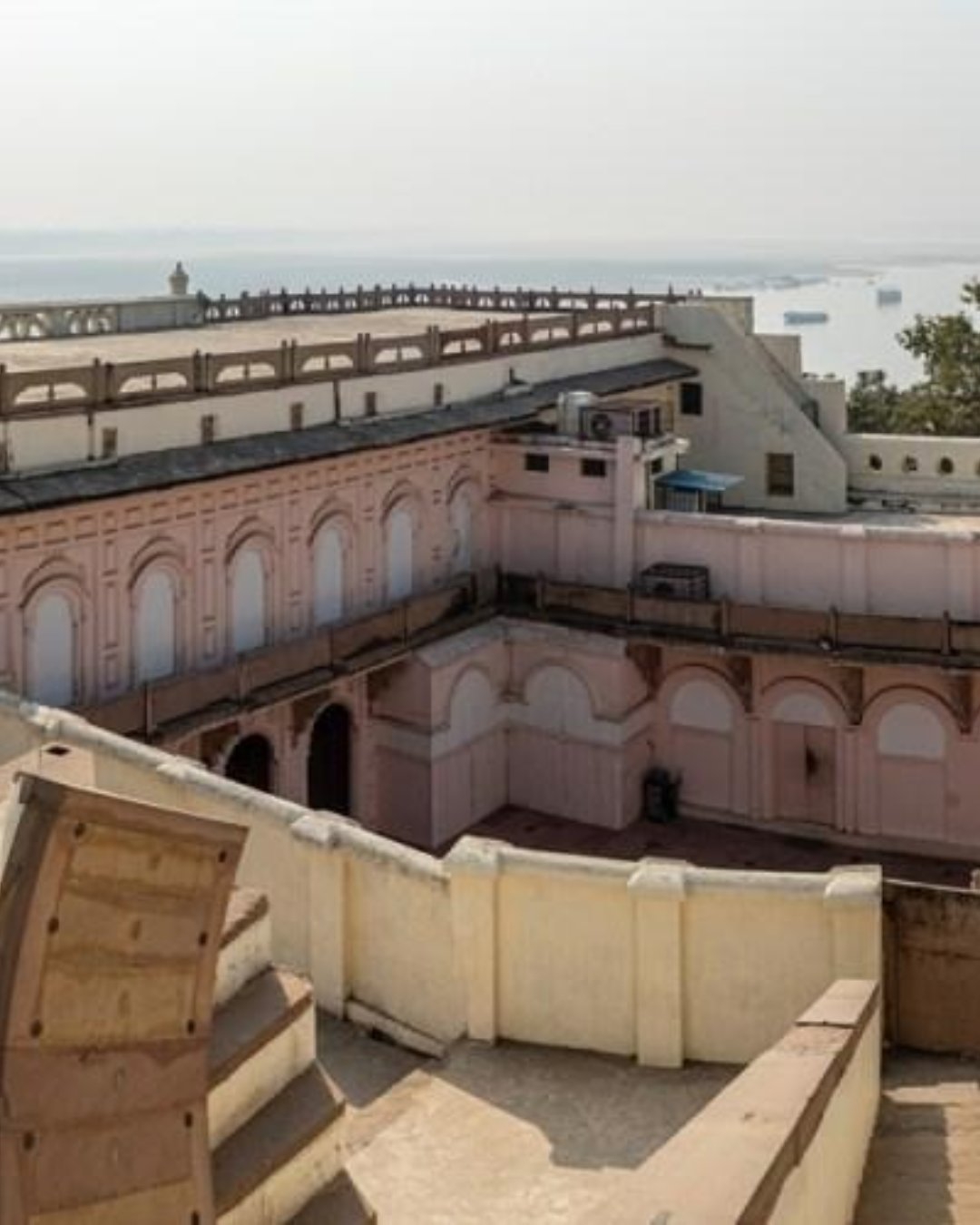
The Jantar Mantar instruments — masonry devices for tracking the sun, stars and time, built by Jai Singh II around 1737.
The palace — the Man Mandir itself, a Rajput-style riverfront mansion built by Raja Man Singh of Amber, which gives the ghat its name.
The terrace view — one of the best elevated vantage points over the central ghats and the curve of the Ganga.
Dashashwamedh Ghat — immediately to the south, making it easy to pair a morning observatory visit with an evening Ganga Aarti.
Take shoes with good grip — the stairs to the terrace are steep and centuries old — and carry sun protection, as the rooftop is open and largely unshaded.
And here's one place where it really is worth taking your phone out. Travellers who make the climb often say the same thing: unlike the temples or the cremation ghats, this is a site built to be observed and understood. Photographing the giant stone instruments against the backdrop of the river is genuinely rewarding. But look first, then take the picture. Spend a moment understanding what each instrument measures before framing it. Once you realise these enormous structures were designed to calculate time and track celestial movements with remarkable precision, they stop looking like abstract sculptures and begin to reveal their purpose.
Pro tip: Combine Man Mandir with Dashashwamedh Ghat. Visit the observatory in the cool morning light, then return to the same riverside area in the evening for the Ganga Aarti. Ask whether interpretive signage or a guide is available, because a few minutes of explanation makes the observatory far more meaningful. It's also worth checking opening hours in advance, as visitor access can occasionally vary.
The mistakes that ruin it
Most first-time visitors make the same mistakes. They admire the palace only from the boat without realising there's an observatory above it. They visit without learning what the instruments do, so everything looks like unusual stone architecture. Or they arrive in the middle of the afternoon, when the heat and harsh light make the experience less enjoyable.
The easy fix is to climb up in the morning and spend a little time understanding how the instruments work. Without the context, it's an interesting rooftop. With it, you're standing inside a 300-year-old astronomical observatory designed to measure the heavens.
Want the climb, the instruments, and someone to explain them?
Hit Do this trip— we'll arrange the visit.