


Dashashwamedh Ghat & Ganga Aarti
Ganga Aarti, Varanasi, India
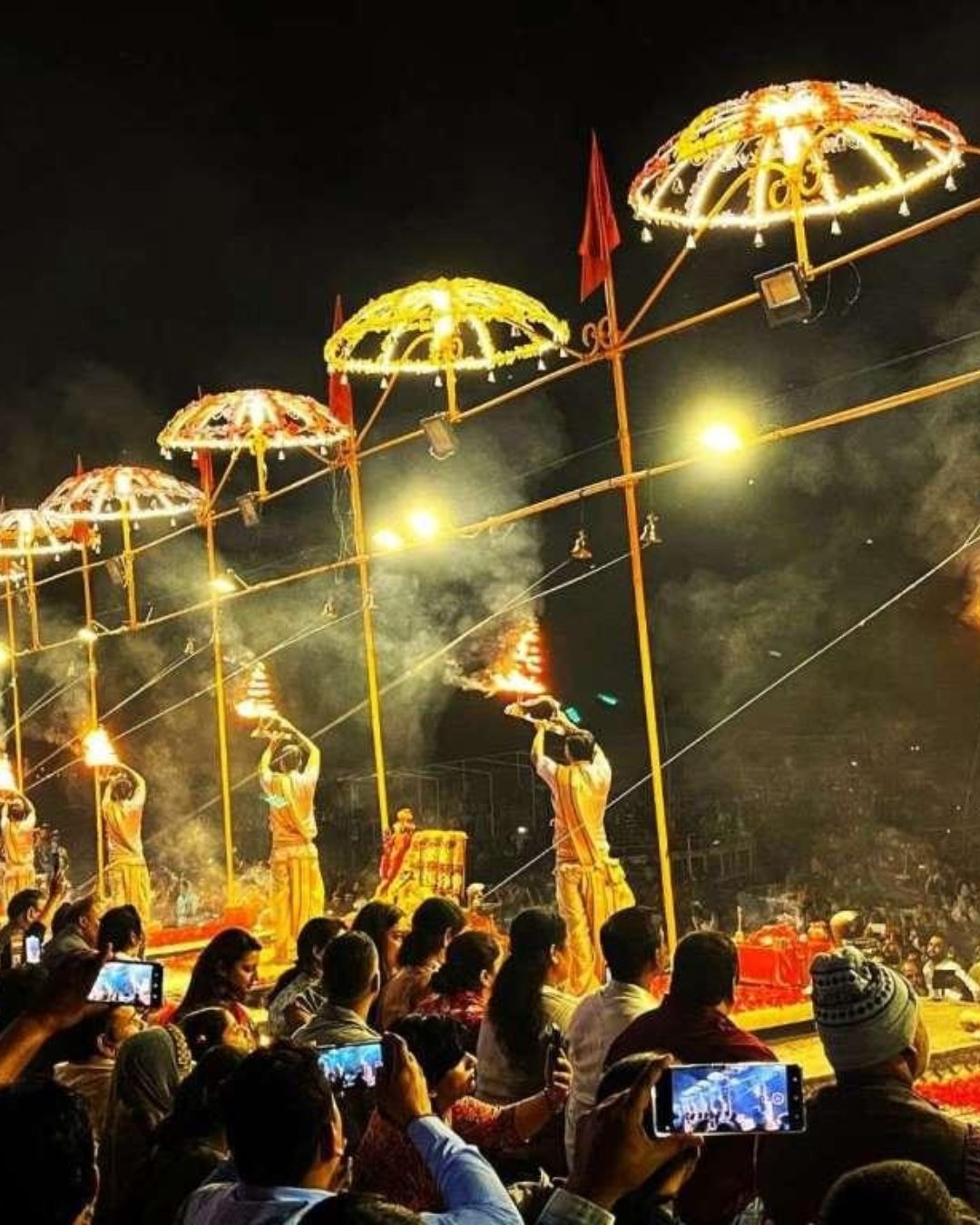
You've seen the clips. A row of priests swinging tall brass lamps in unison, fire against a dark river, bells and conch shells everywhere. So you turn up at seven for a seven o'clock aarti — and end up fifteen rows back, staring at the backs of heads and a forest of raised phones. You hear it. You barely see it. That's the trap most first-timers fall into at Dashashwamedh, and it's a shame, because this is the ghat the whole city turns around, and its aarti is one of the best hours you'll spend in India.
Let's fix that. Here's how Dashashwamedh and the Ganga Aarti actually work, and how to get it right the first time.
Why the hour before matters more than the aarti itself
The aarti starts after sunset — roughly 6:45 p.m. in winter, closer to 7 p.m. in summer — and it happens every single night, rain or shine, for about 45 minutes. The start time isn't your problem. The crowd is. Good spots fill 45 minutes to an hour before the first lamp is lit.
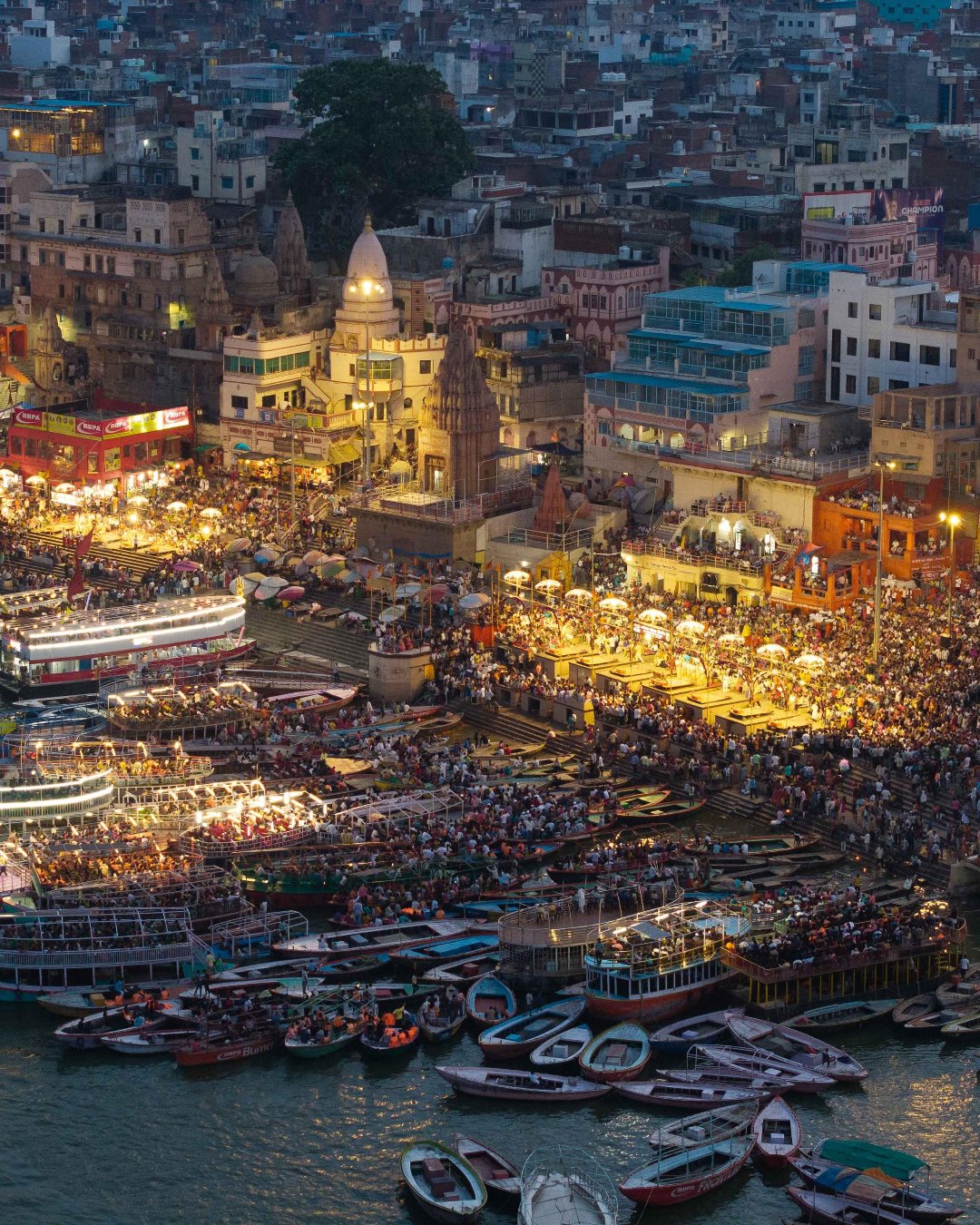
So don't arrive at 6:45. Get there by six, earlier on weekends, full moons and festival nights, when the whole city comes down to the river. Yes, you'll wait. You'll also be sitting front and centre while everyone else cranes over shoulders behind you. Dashashwamedh is the busiest ghat on the Ganga — this is the one place where turning up "on time" means turning up too late.
What you'll actually see
The ceremony is an offering to the River Ganga — fire, incense, conch shells, and chanting, the lamps growing heavier as it builds. Where you watch from changes everything:
The steps — free, close, and loud in the best way. Get there early and sit low.
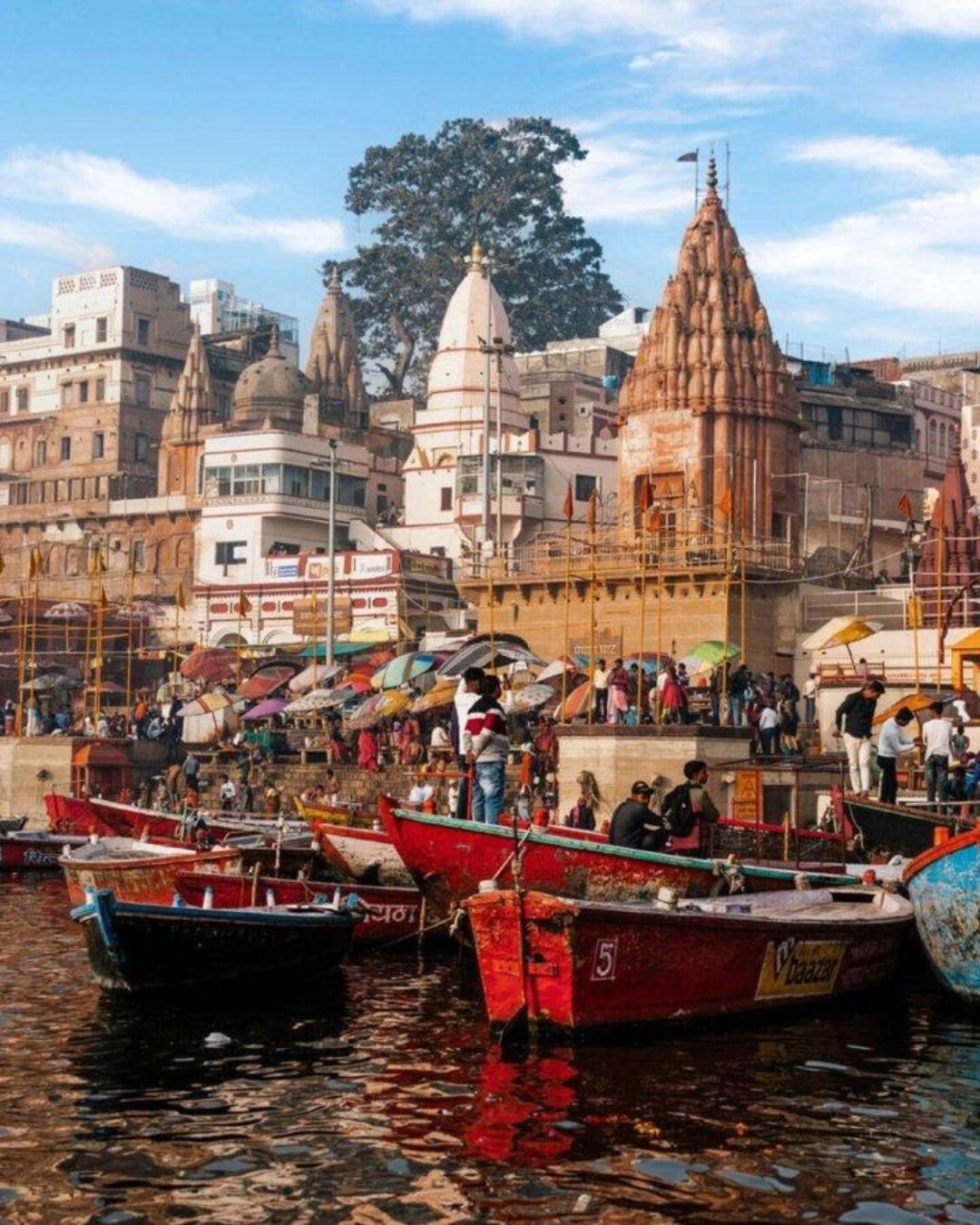
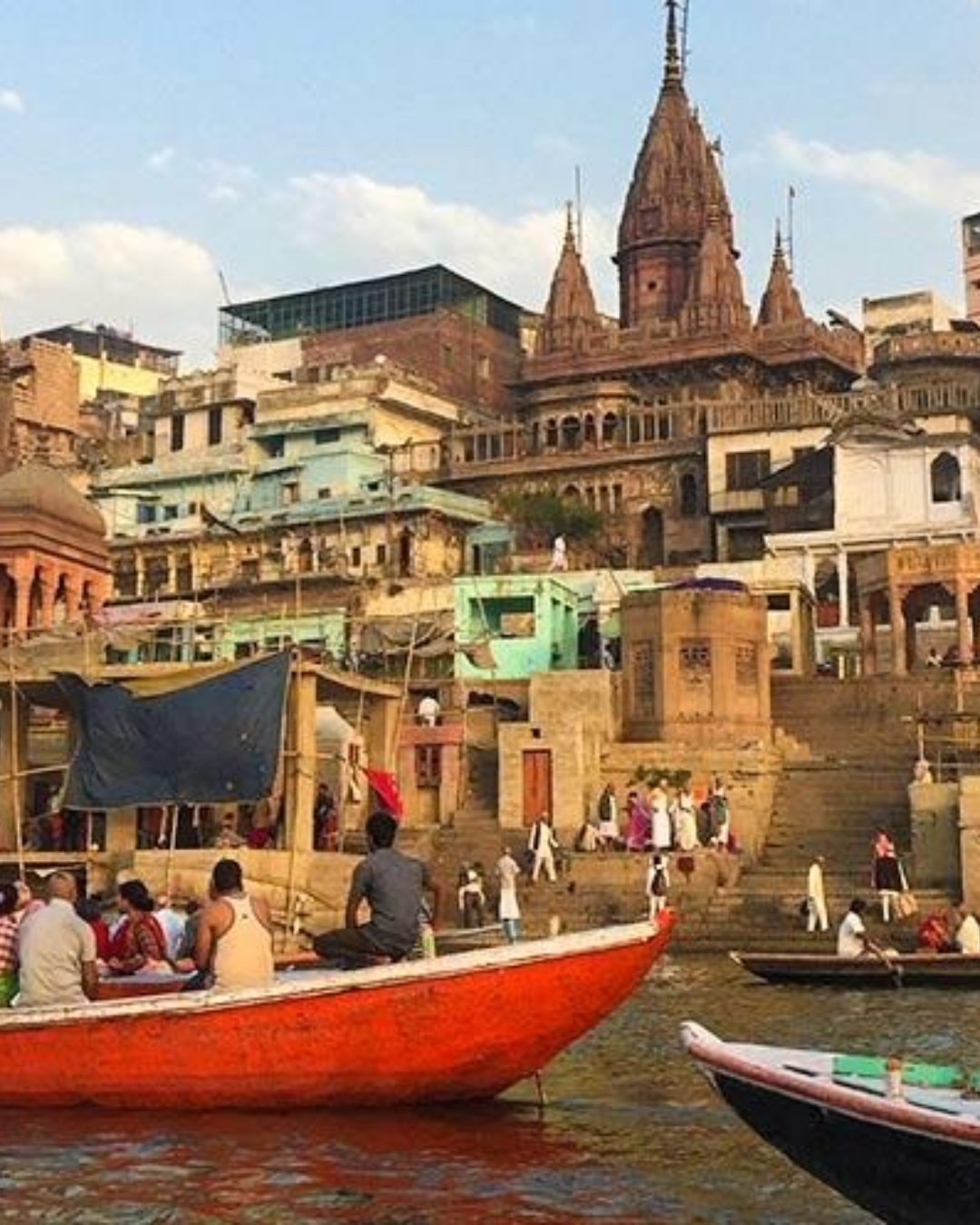
A boat — the lamps line up straight in front of you with no crowd in between. This is the view you came for.
The upper platforms — a bit removed, but a clean, wide view when the steps are packed.
Floating diyas — little oil lamps you can set adrift on the water for a few rupees once the aarti ends.
If you do it once, take the boat. You drift in, you settle, and the whole thing plays out across the water like it's aimed at you.
And keep your phone down for the first ten minutes. Travellers who've been will tell you the same thing: the urge is to film everything, but it lands differently when you just watch it first. The bells, the chanting rolling off the ghat, the smoke over the river — that's the part the photos never quite catch.
Pro tip: Book your boat before the crowds thicken, and agree the price and duration before you step in. A shared boat runs cheaper; a private one lets you pick your angle and linger after. Keep your bag zipped and in your lap — the crush near the front is where pickpockets work. And carry a little cash for a diya. Setting a lamp adrift on the Ganga after the aarti is the part you'll remember.
The mistakes that ruin it
Most first-timers trip over the same few things. They arrive as it starts and see nothing. They get lost in the lanes behind the ghat and turn up flustered. Or they spend the whole ceremony filming through a screen instead of watching.
The easy fix is to come early, know your spot, and ideally take it from a boat — or let the evening be arranged so you're seated, not scrambling.
Want the boat held, the spot secured, and the aarti sorted?
Hit Do this trip— we'll get you front row.