


Harishchandra Ghat
Harishchandra Ghat, Varanasi, India
You've probably been steered to Manikarnika. It's the famous cremation ghat, the one on every itinerary, and Harishchandra — the city's other one, a little to the south — barely gets a mention. But here's the thing nobody tells you: this is a working cremation ground where families are grieving in the open, and the fact that it's quieter and less photographed than Manikarnika doesn't make it a gentler sightseeing stop. It makes it a place where a visitor's behaviour matters even more, because there's no crowd to disappear into.
Let's be clear about how to be here. Here's how Harishchandra Ghat actually works, and how to approach it the right way.
Why this isn't a sight, and why that matters
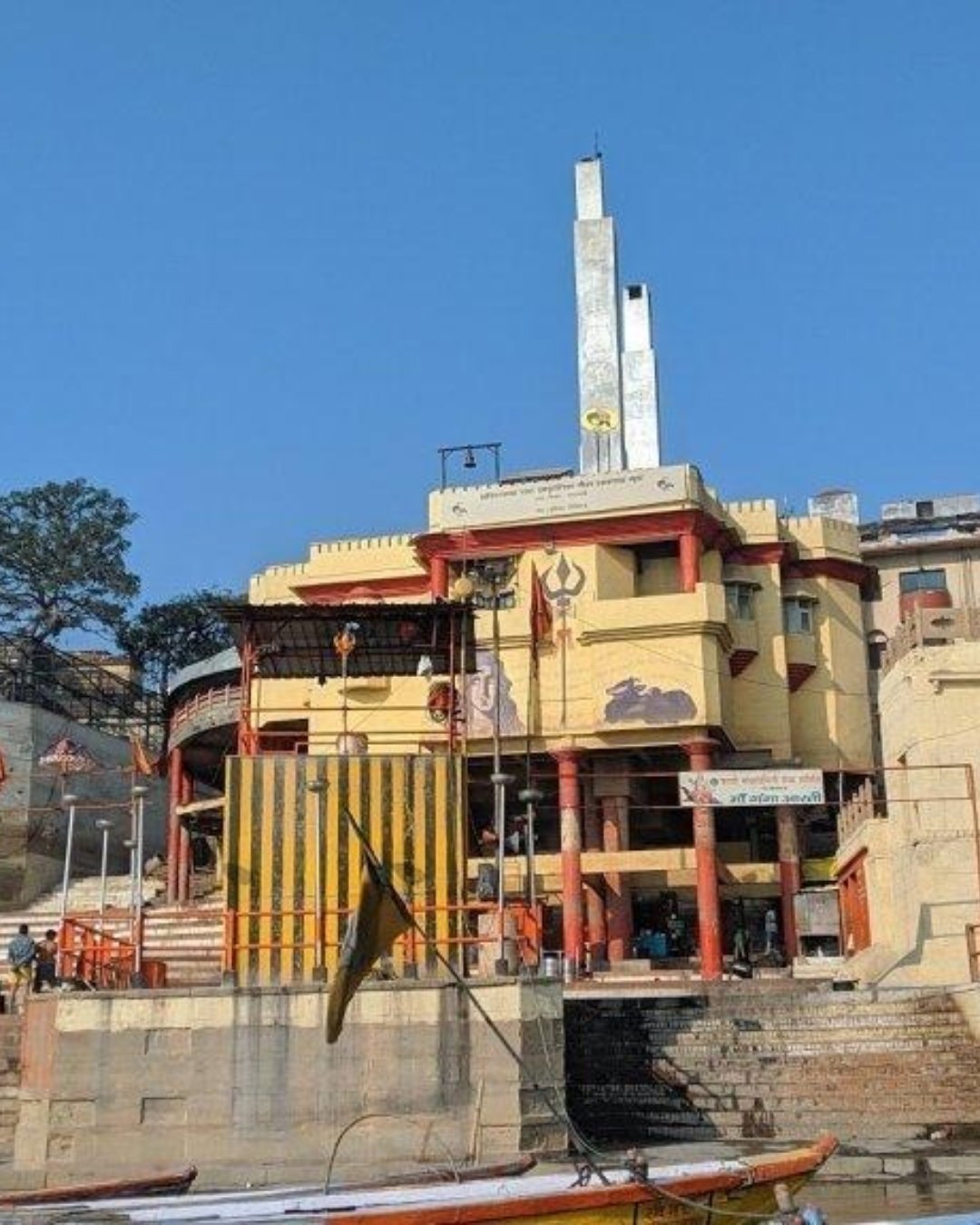
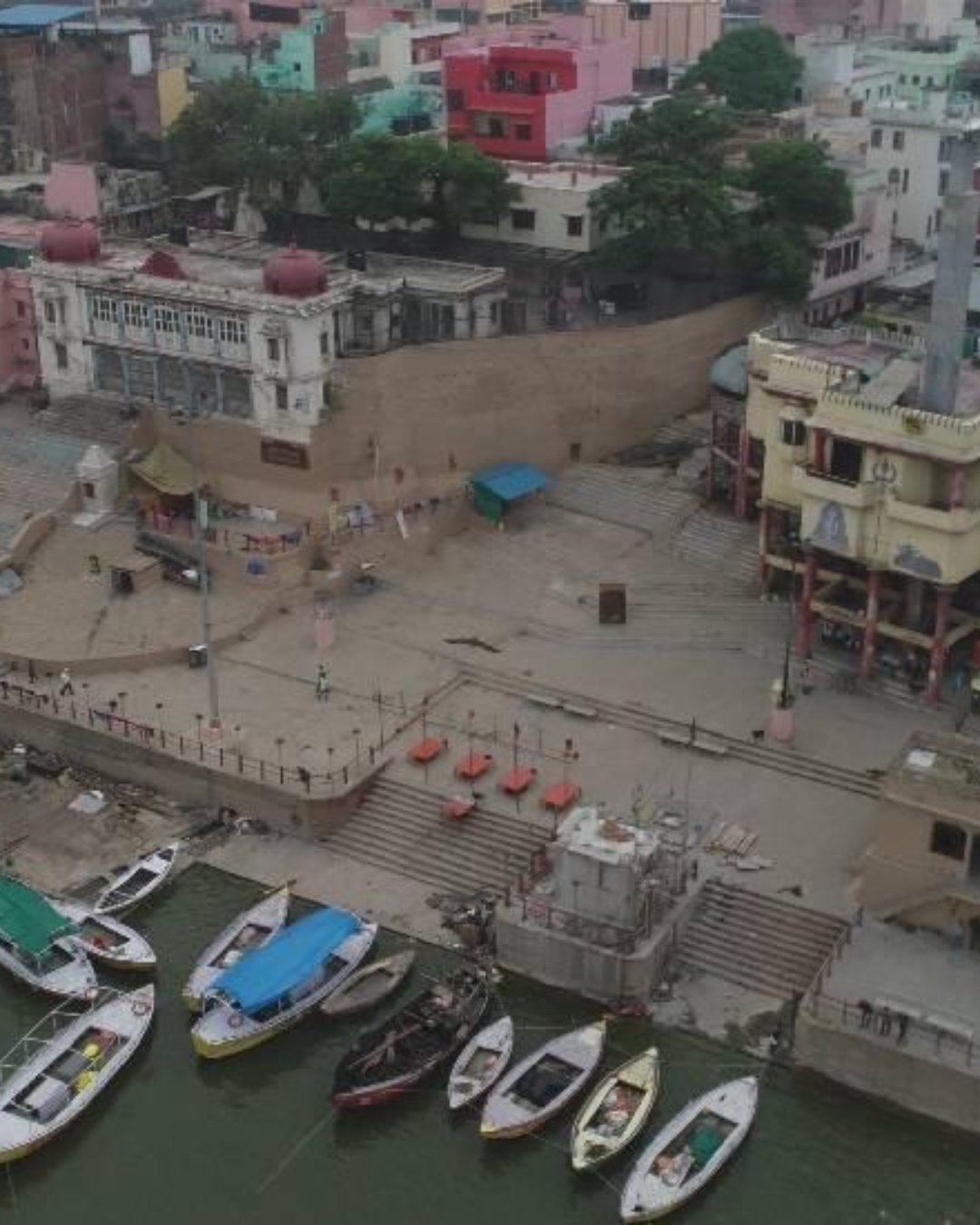
Harishchandra is one of Varanasi's two cremation ghats, named for King Harishchandra, who, according to legend, gave up everything, including working here, for the sake of truth. Cremations take place here day and night. Some are now carried out in the electric crematorium alongside the traditional open-air pyres, but the ghat remains exactly what it appears to be: a place where families come to perform the final rites of their loved ones.
That means you're not a spectator here — you're a bystander at a funeral, often many funerals at once. The appropriate response is quiet observation from a respectful distance. There is no performance, no attraction, and nothing intended for visitors. The value of coming here lies in understanding a deeply rooted tradition, not in seeking an experience. If you cannot approach it respectfully, it's better not to visit.
What you'll actually see, and how to hold it
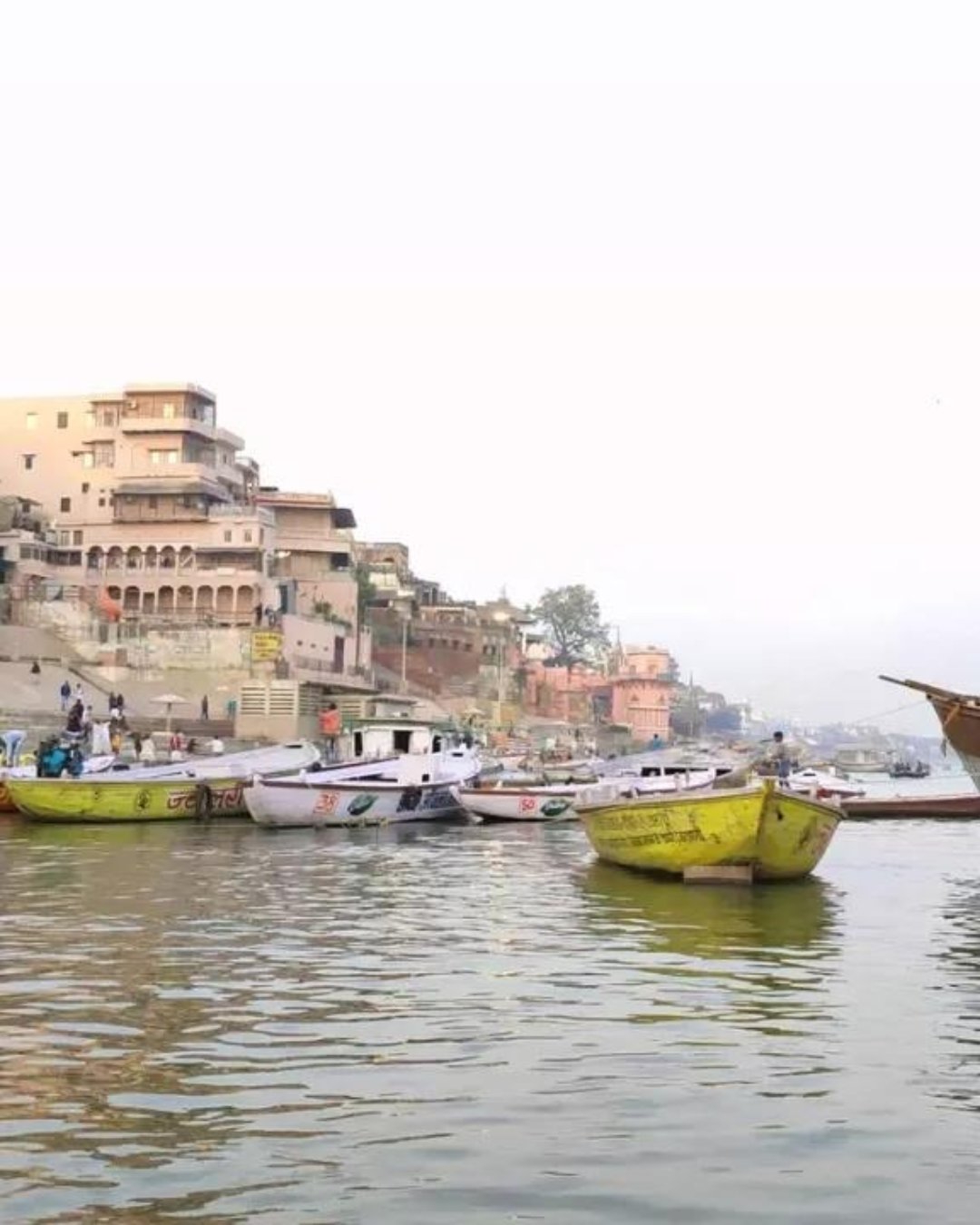
From a boat, at a respectful distance, is the way most visitors should experience Harishchandra Ghat:
The funeral pyres — continuously burning on the steps. Do not photograph them.
The electric crematorium — a modern facility operating alongside the traditional cremation grounds.
The families and the Dom community — mourners performing final rites and the hereditary community responsible for maintaining the cremation fires.
Kedar Ghat — located just to the north, offering a quieter continuation of your walk or boat journey.
Dress simply and modestly. Avoid bright clothing and do not carry your camera as though this were a sightseeing stop.
Keep your phone away for your entire visit. Photography and videography of cremations are deeply disrespectful and should never be attempted. Travellers who experience Harishchandra Ghat thoughtfully often remember not what they saw, but what they understood — that in Varanasi, death is acknowledged openly as part of life's natural cycle. That quiet understanding is something no photograph could ever capture.
A note in place of a pro tip
The most respectful way to experience Harishchandra Ghat is from the river during an early morning boat ride. From the water, you gain context without intruding on private moments of grief.
If anyone offers to guide you into the cremation area for a "closer look" or asks for donations for funeral wood, grieving families, or similar causes, politely decline. These requests are common scams targeting visitors. If you wish to support charitable work in Varanasi, donate later through a recognised organisation instead.
The mistakes to avoid
Most visitors who get this wrong make the same mistakes. They treat the ghat as a photography stop. They follow touts into active cremation areas. Or they expect a quieter version of Manikarnika, forgetting that this is not a tourist attraction but a sacred place of mourning.
The respectful approach is simple: observe briefly, remain at a distance, ideally from the river, and learn about the traditions through a knowledgeable guide rather than through intrusion.
On seeing it as part of your journey
Harishchandra Ghat is the place many travellers overlook, yet it often leaves the deepest impression. Not because it is dramatic, but because it offers an honest glimpse into one of Varanasi's oldest spiritual traditions. Experienced with humility and respect, it becomes one of the city's most meaningful moments.
If you'd like to experience Harishchandra Ghat respectfully — from the river, with historical and cultural context, alongside the sunrise boat ride, Ganga Aarti, and Varanasi's other highlights — our Varanasi Tour Packages are designed to help you do exactly that. Pick your dates, and we'll take care of the rest.
Want to see this respectfully — from the river, with context?
Hit Do this trip — we'll handle it with care.