


Shivala Ghat & Riverside Heritage
Shivala Ghat, Varanasi, India
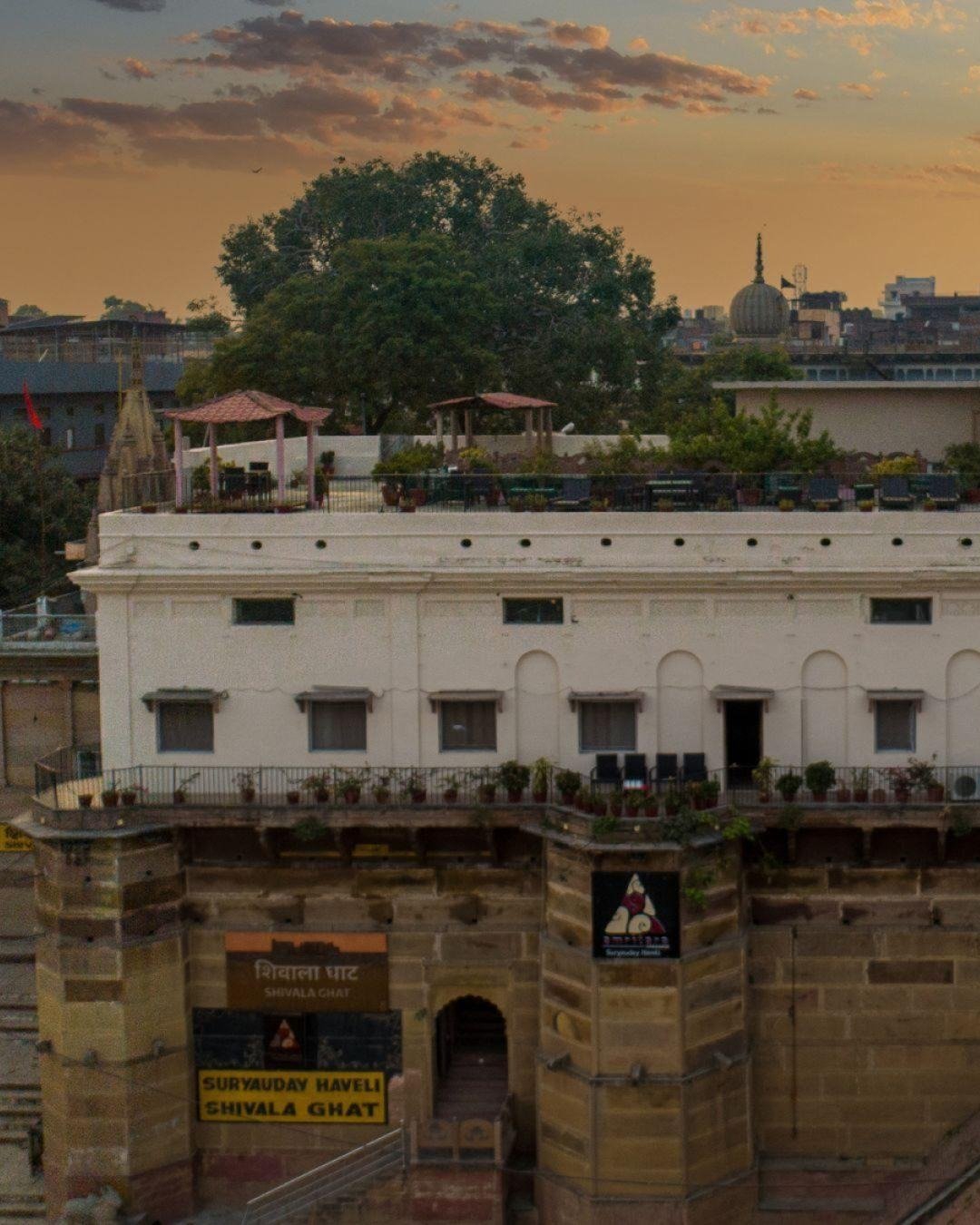
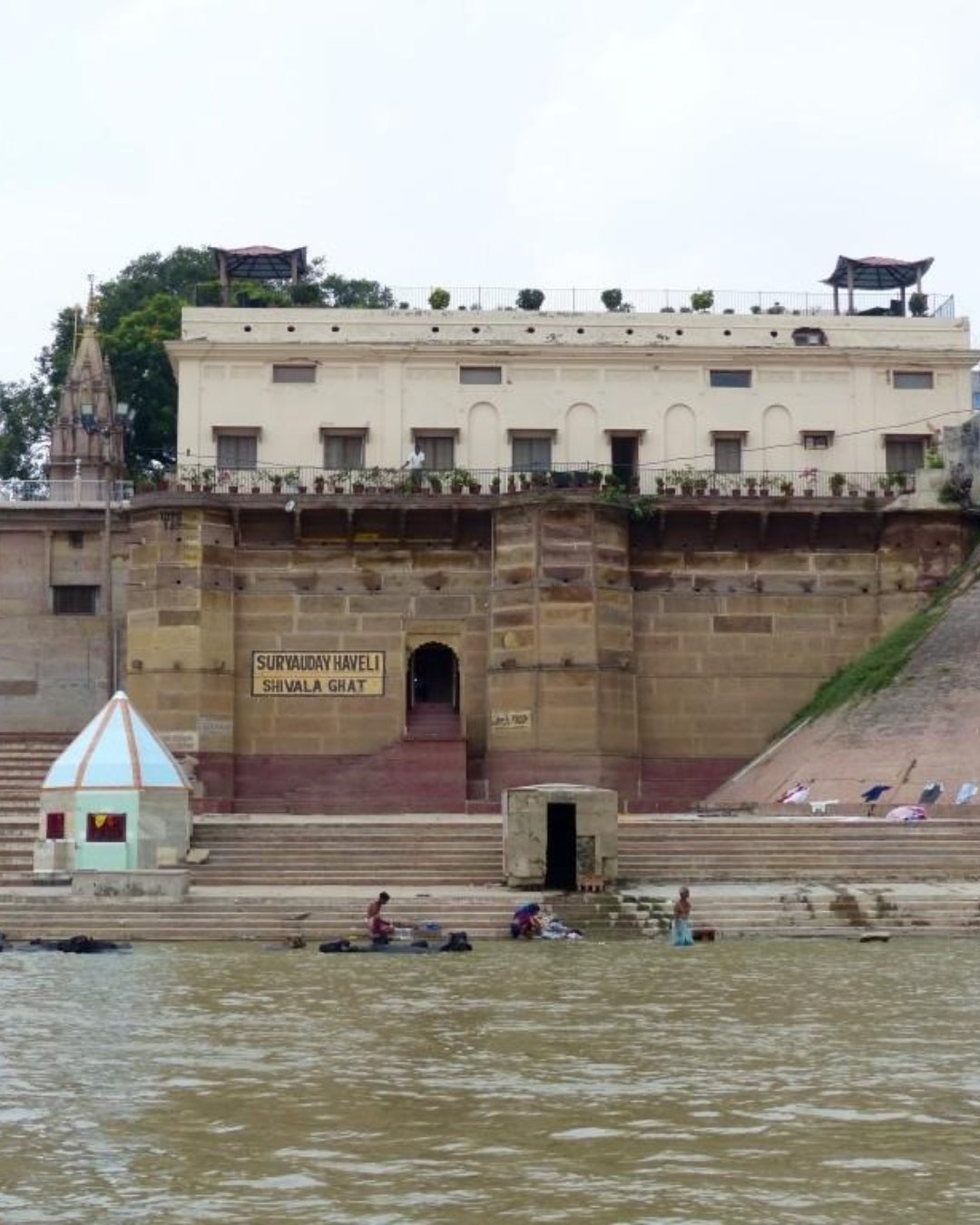
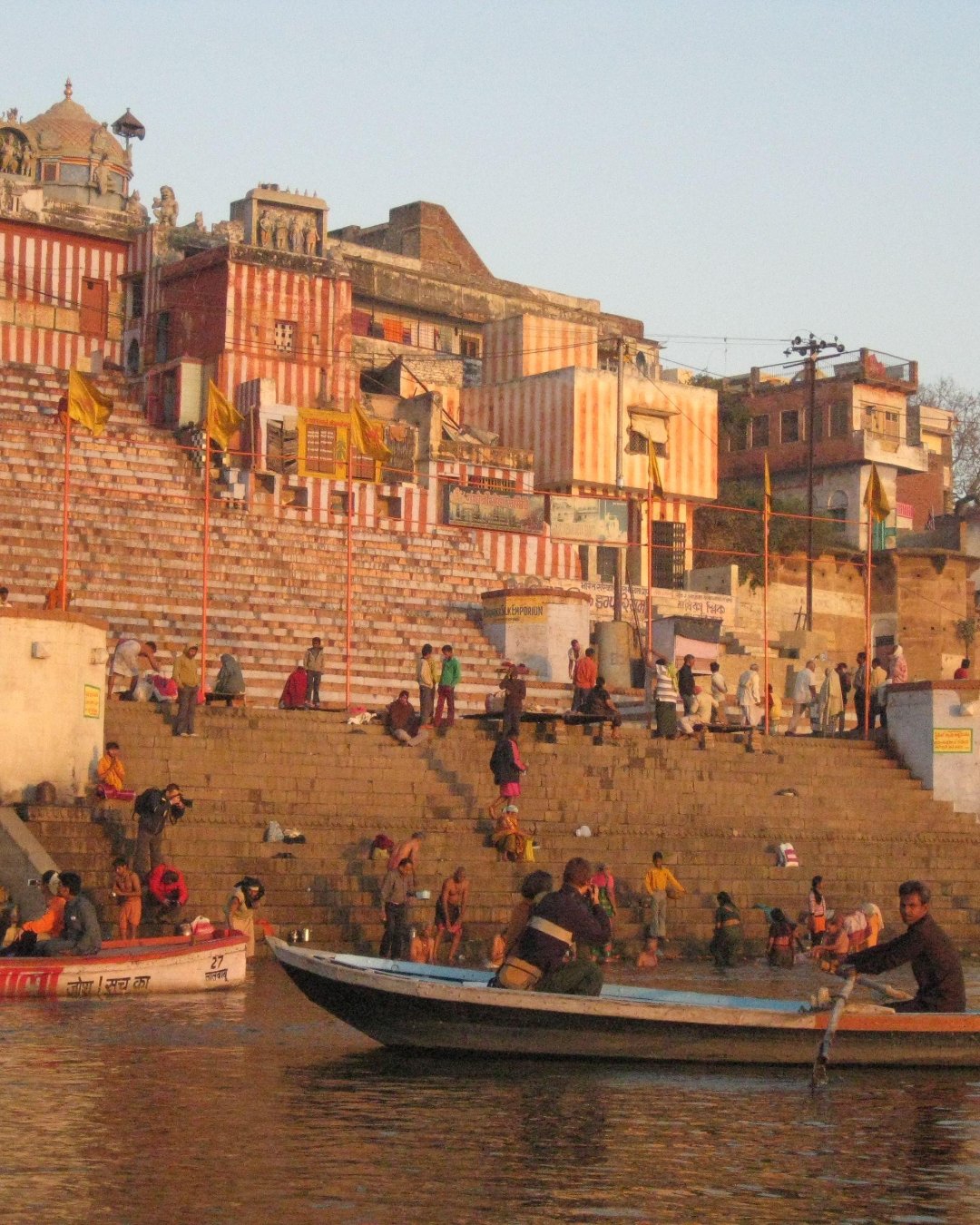
You've probably been told the ghats are one long stretch of steps. Eighty-odd of them, all much the same, and you see them from a boat. But here's the thing nobody tells you: the southern ghats are a skyline of princely palaces — Nepali, Rewa, Chet Singh, Shivala — built by kings from across India who wanted a foothold in Kashi, and almost every one of them is crumbling quietly while visitors float past photographing the famous three. Shivala is where you can actually see that heritage up close, and it's the stretch nobody walks.
Let's fix that. Here's how Shivala and the southern heritage stretch actually work, and how to get it right the first time.
Why you walk it in the morning, and slowly
This isn't a ghat with an event. There's no aarti to time, no queue, no ceremony. What's here is architecture and neighbourhood — and both need daylight and a slow pace to register.
Come mid-morning, after the boats have finished and before the heat. The lanes behind the ghats are awake, the temples are open, and the light is on the river frontage rather than behind it. Walk north from Assi and the palaces come one after another: each one a different state's Benares residence, each in a different stage of preservation, many of them still partially occupied or privately maintained.
What you'll actually see
Allow around 90 minutes on foot. No tickets. No crowds.
The Shivala Temple — the historic Shiva temple that gives both the ghat and the surrounding neighbourhood their name.
Chet Singh Palace — the impressive sandstone fortifications overlooking the river, one of the most iconic architectural landmarks on the southern ghats.
Tulsi Ghat — just a short walk away, where Goswami Tulsidas is traditionally believed to have composed the Ramcharitmanas and where the historic wrestling akhara continues to operate.
The heritage lanes — narrow streets lined with old Banarasi homes, hidden shrines, chai stalls, and a peaceful atmosphere far removed from the crowds around Dashashwamedh Ghat.
Wear comfortable shoes with good grip and footwear that's easy to remove when visiting temples. The stone steps can be steep and slippery, especially during or after the monsoon.
And this is one walk where it's worth keeping your phone in your pocket. Travellers who explore the southern ghats often say the same thing: there's no single postcard view to capture. Instead, it's the gradual discovery of palace after palace, each connected to a different royal family, that makes the walk memorable. Combined with the surprising quiet just a short distance from Varanasi's busiest ghats, it's an experience that photographs rarely convey.
Pro tip: Walk the southern ghats as one continuous heritage trail — Assi Ghat → Tulsi Ghat → Shivala → Chet Singh Ghat → Hanuman Ghat → Harishchandra Ghat. Mid-morning is the ideal time, after the sunrise boat traffic has ended and before the afternoon heat arrives. Since several heritage buildings remain privately owned, check local access before planning to enter any palace complexes.
The mistakes that ruin it
Most first-time visitors make the same mistakes. They admire the southern ghats only from a passing boat. They visit the famous central ghats and assume the rest of the riverfront offers nothing different. Or they attempt the walk during the hottest part of the day, when the exposed stone steps become exhausting.
The easy fix is to dedicate one relaxed morning to exploring the southern ghats on foot with someone who can explain the stories behind the palaces, temples, and neighbourhoods along the way.
Want the palaces, the temples, and the lanes in one stretch?
Hit Do this trip—we'll plan the southern walk.