


Chet Singh Ghat Fort
Chet Singh Ghat Varanasi, Varanasi, India
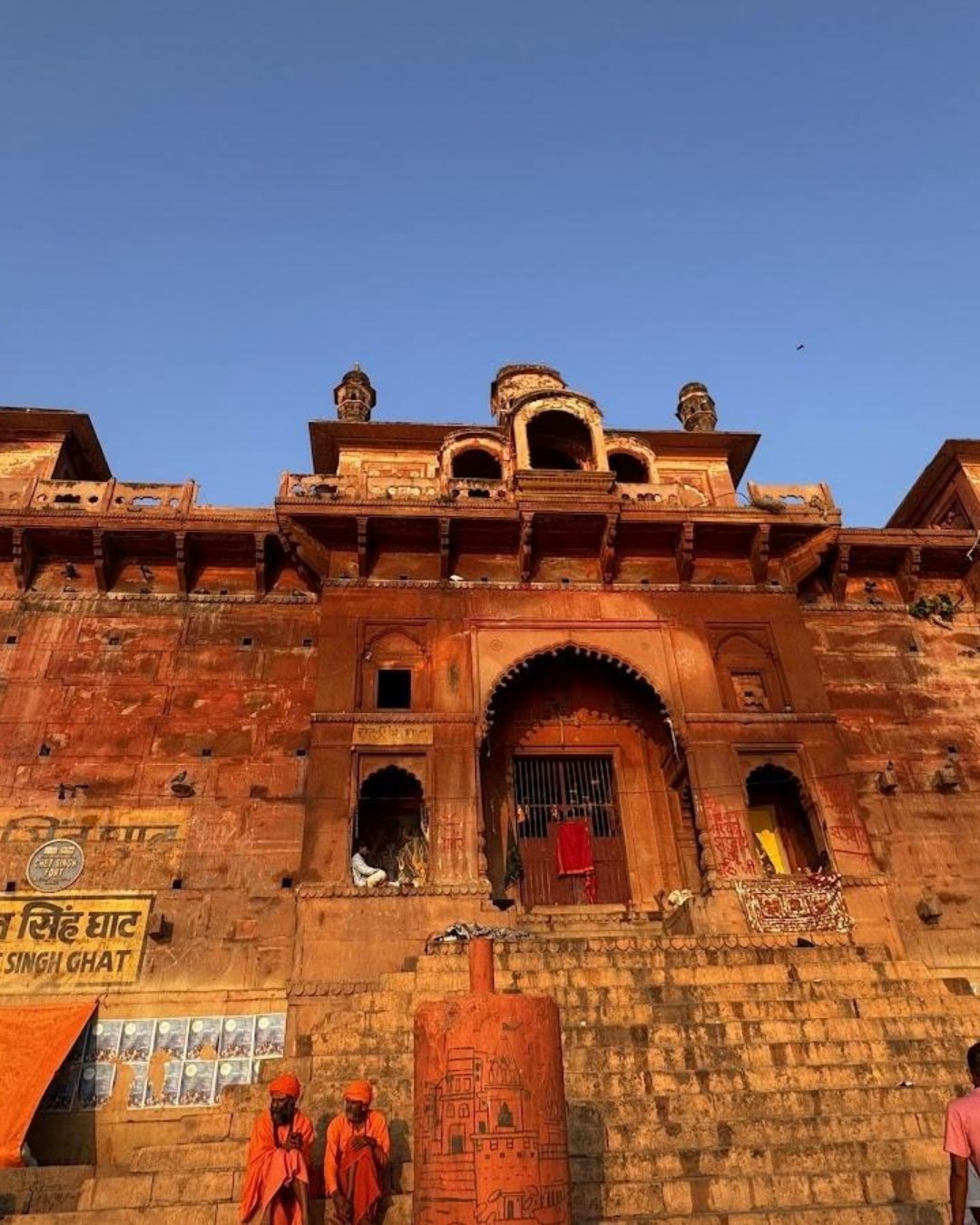
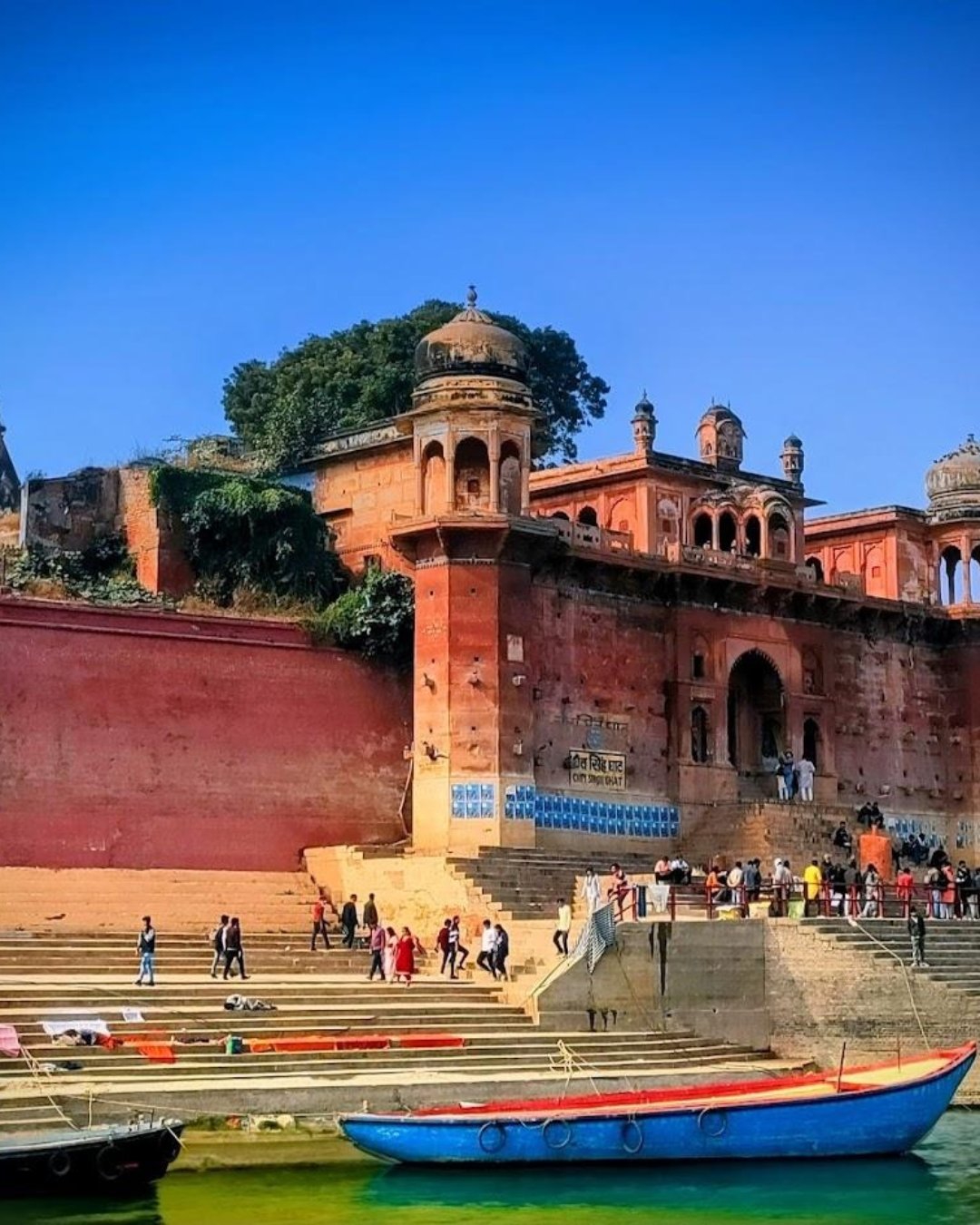
You've probably registered it as "the one with the walls." On the boat from Assi it's the first thing that looks properly fortified — sandstone ramparts and turrets rising straight out of the water, more castle than ghat. But here's the thing nobody tells you: this is where the British lost control of Varanasi for a day in 1781, where Warren Hastings had to flee the city, and where a rebellion nearly ended the East India Company's grip on the region. Everyone photographs the walls. Almost nobody knows what happened behind them.
Let's fix that. Here's how Chet Singh Ghat actually works, and how to get it right the first time.
Why you need the story, not just the frontage
From the water, Chet Singh Ghat gives you a striking photograph and little else. It's one of the most architecturally impressive sections of the southern ghats, but the real significance lies beyond its sandstone walls.
The story is what makes it unforgettable. Raja Chet Singh ruled Benares in the late 18th century. In 1781, when Governor-General Warren Hastings attempted to arrest him over disputed tribute payments, Chet Singh's supporters revolted. The British troops stationed here were overwhelmed, Hastings escaped to Chunar Fort in disguise, and for a brief moment the East India Company lost control of Varanasi. Although Chet Singh was eventually defeated and exiled, the fort overlooking the Ganga remains a silent witness to one of the city's most dramatic chapters in history.
What you'll actually see
Plan to visit on foot during daylight and allow around 30–45 minutes.
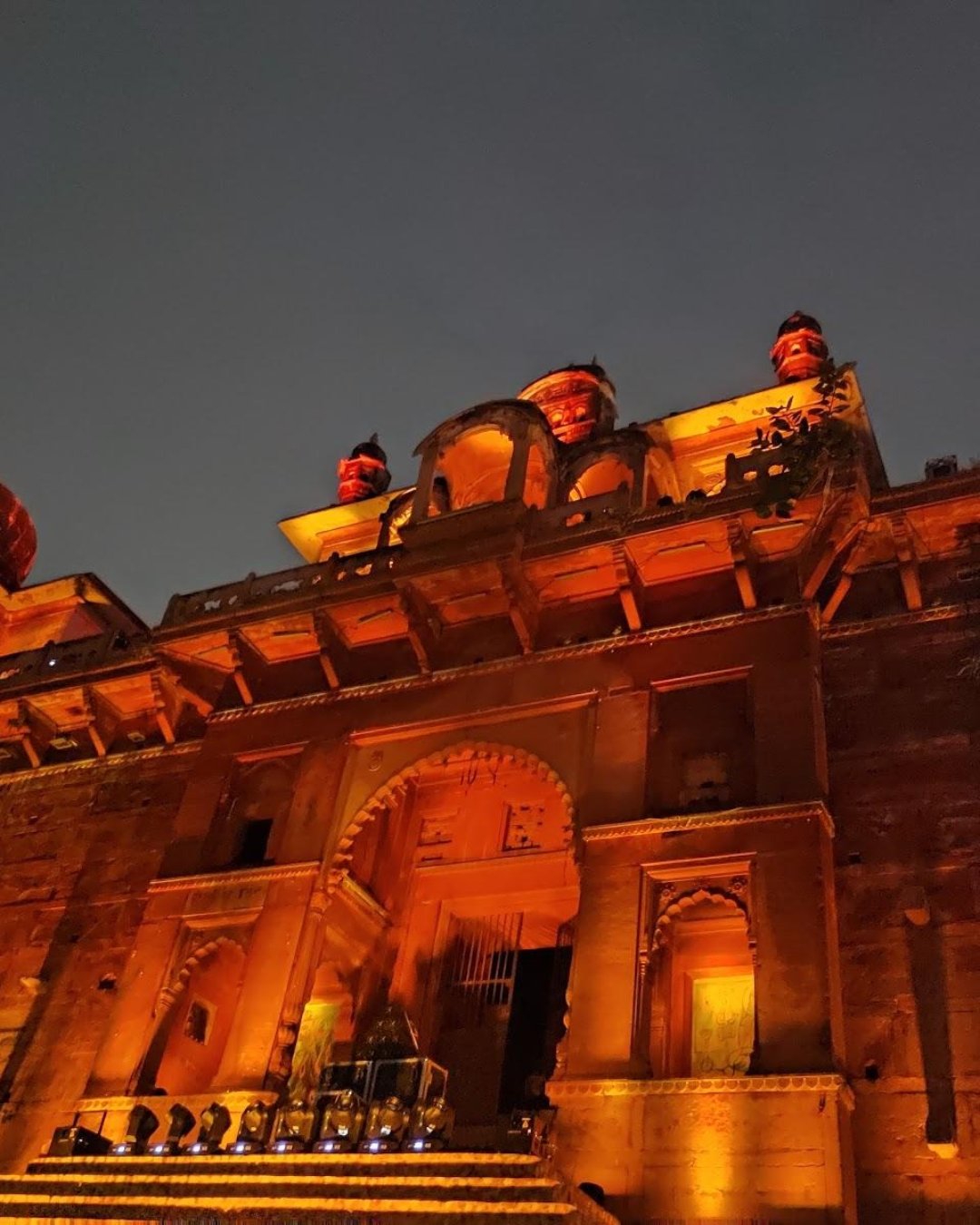
The riverfront fortifications — towering sandstone ramparts rising directly from the Ganga, making Chet Singh Ghat one of the most recognizable ghats in Varanasi.
Chet Singh Palace — an 18th-century riverside palace showcasing traditional Banaras architecture, with sections restored while others still retain their historic, weathered character.
The Shivala neighborhood — the surrounding heritage area filled with temples, old mansions, and narrow lanes that preserve the atmosphere of old Banaras.
The southern ghats — Assi Ghat, Tulsi Ghat, Jain Ghat, and Rewa Ghat are all within walking distance, making this an ideal heritage walk.
Wear comfortable shoes with good grip, as the stone steps can be uneven and slippery, especially during or after the monsoon.
And put the phone away once you've taken the riverfront photograph. Visitors who explore inside often say the same thing: the walls are impressive, but the quiet courtyards are what stay with you. Standing where Warren Hastings once fled for his life, surrounded by centuries-old stone and almost no crowds, gives the place a sense of history that no photograph can fully capture.
Pro tip: Check local access before visiting, as parts of the palace remain privately owned and accessibility can vary. During festivals such as Ganga Mahotsav, portions of the complex may host cultural events, offering a completely different experience. The best way to visit is as part of a morning heritage walk from Assi Ghat through Tulsi Ghat and onward to Chet Singh Ghat.
The mistakes that ruin it
Most first-time visitors make the same mistakes. They photograph the fort from a passing boat without stepping ashore. They visit without knowing the remarkable events of 1781, making it seem like just another old palace. Or they expect a fully restored museum and are surprised to find a partially private historic complex with very little signage.
The easy fix is to explore Chet Singh Ghat on foot with someone who knows its history and can explain what you're seeing. Without the story, it's simply an impressive fort. With the story, it becomes one of Varanasi's most fascinating historical landmarks.
Want the fort, the story, and the route in one walk?
Hit Do this trip— we'll handle the heritage morning.