


Jain Ghat & Rewa Ghat Walk
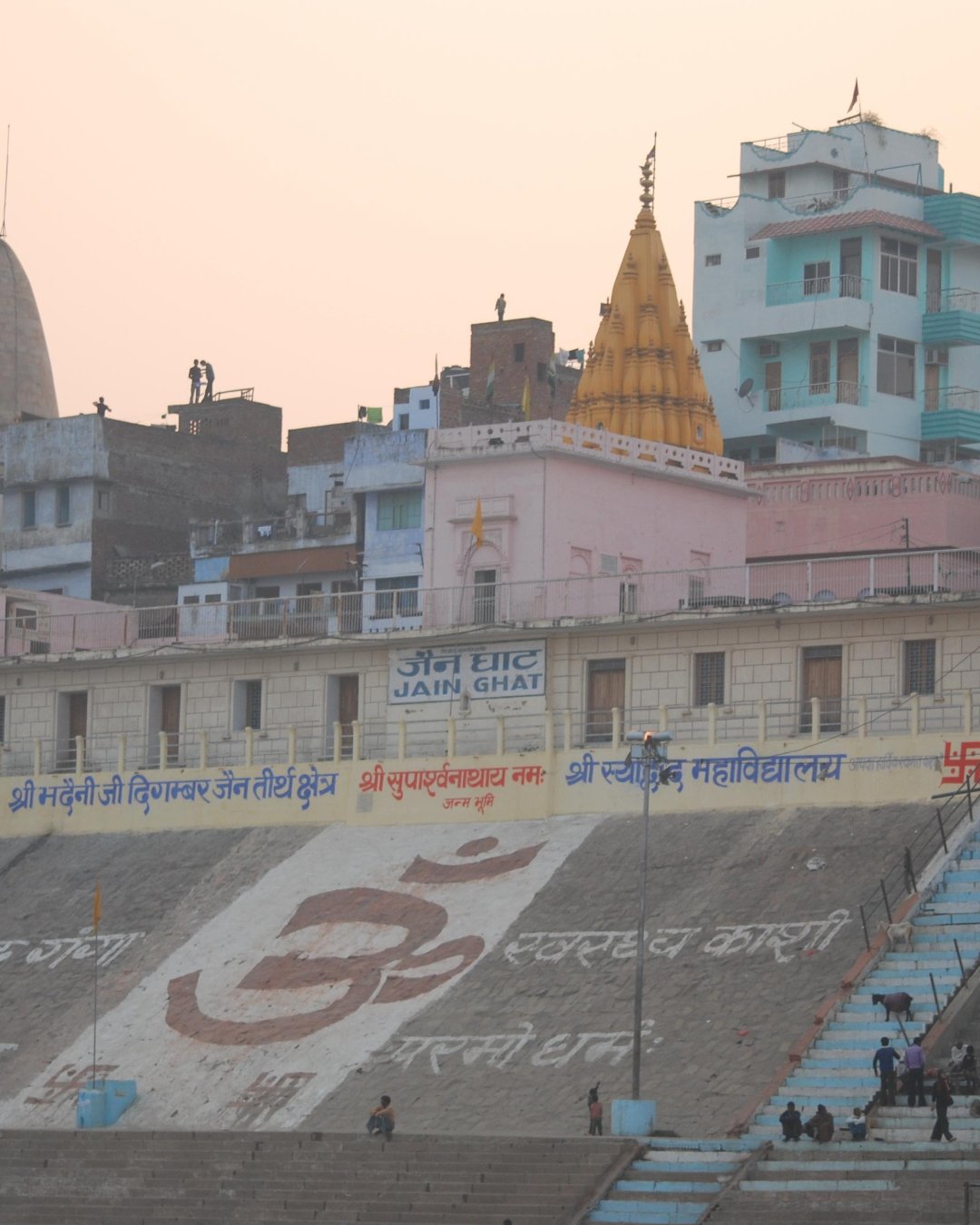
Jain ghat, Varanasi, India
You've probably never heard either name. They're two ghats in the southern stretch that your boatman rows past without comment, on the way from Assi to the famous ones. But here's the thing nobody tells you: Varanasi isn't only a Hindu city, and this short strip is where that shows. Jain Ghat marks the birthplace of a Tirthankara, and Rewa Ghat carries the old Rewa state's palace above it — and the boats keep moving because nobody thinks to ask.
Let's fix that. Here's how Jain Ghat and Rewa Ghat actually work, and how to get it right the first time.
Why you walk this stretch instead of floating it
These two are quiet by nature. There's no aarti, no cremation fire, no crowd — nothing that reaches you from thirty metres out on the water. From a boat they're a wall of steps and old buildings, indistinguishable from the ten either side.
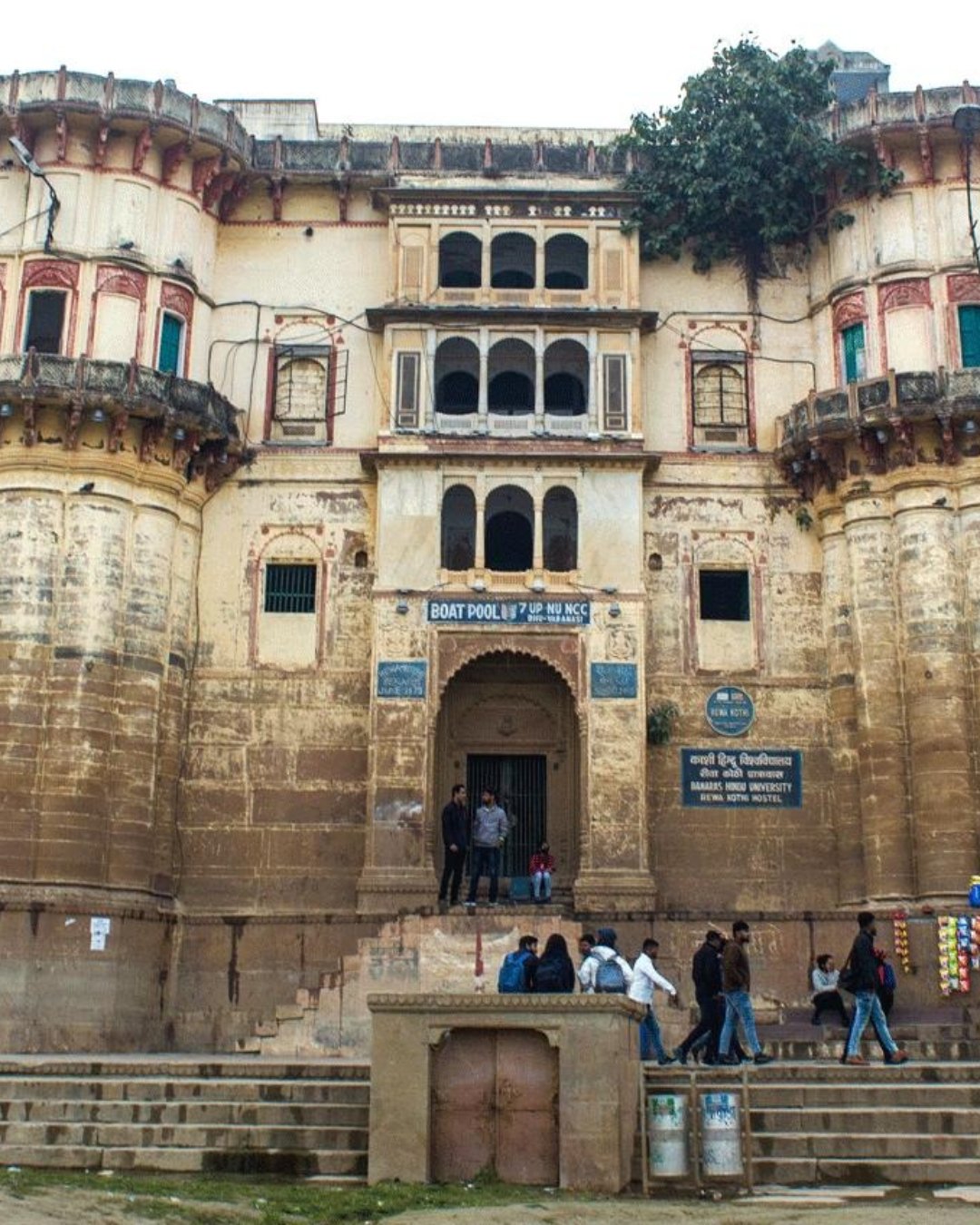
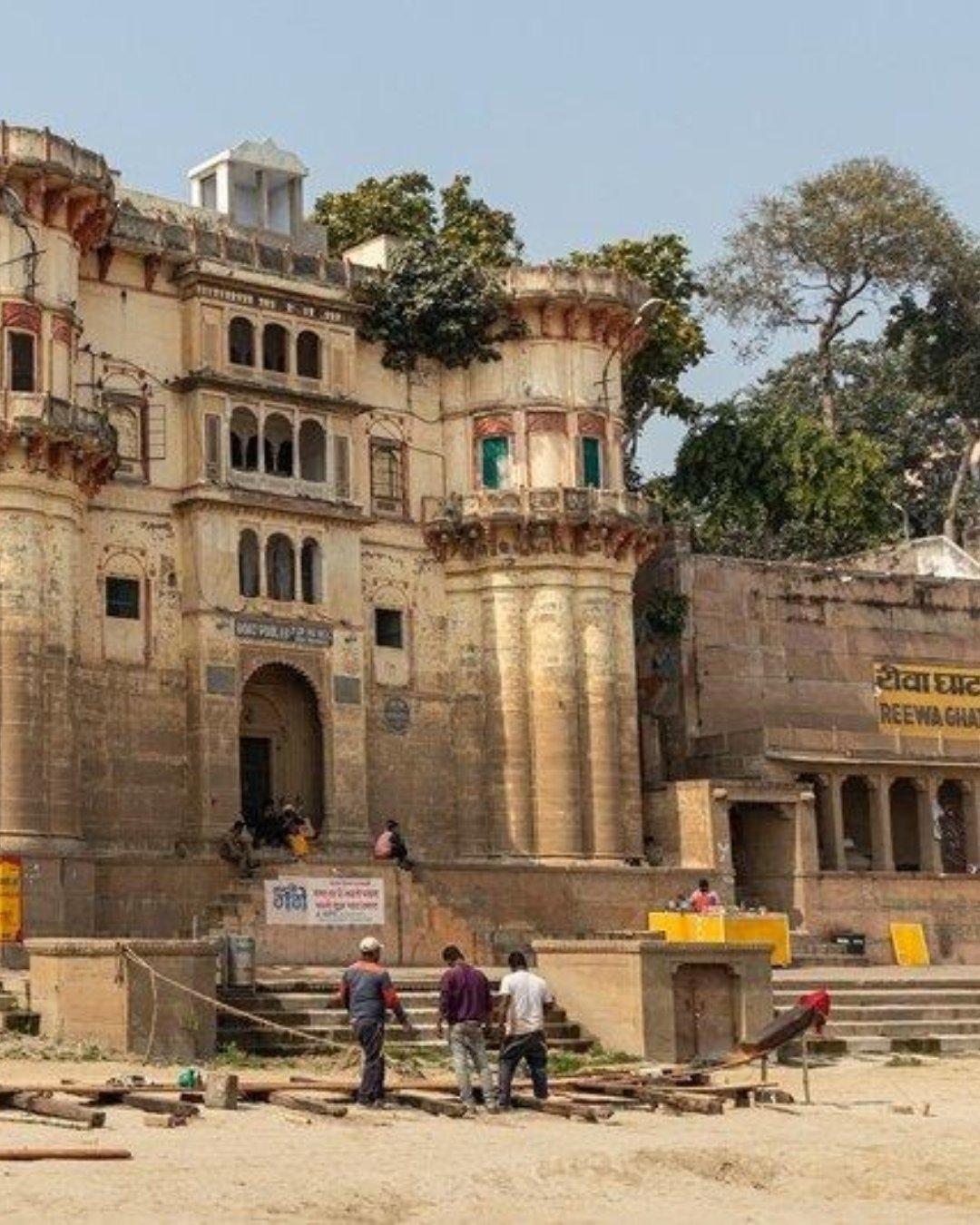
On foot they separate out. Jain Ghat is tied to Bhelupur and the Jain community — tradition places the birth of Parshvanatha, the twenty-third Tirthankara, in this part of Varanasi, and the temple above the ghat marks it. Rewa Ghat is named for the Maharajas of Rewa, who built the riverside palace overlooking the ghat — one of the many princely residences that define the southern riverfront. Walk here from Assi in the morning, when the lanes are quiet and you have time to appreciate the history beyond the river.
What you'll actually see
Half an hour, no tickets, no queues:
The Jain Temple — a peaceful temple above the ghat associated with Lord Parshvanatha, offering a calm contrast to the city's bustling Hindu temples.
Rewa Palace — the historic riverside residence of the Maharajas of Rewa, standing gracefully above the ghat.
The southern riverfront skyline — one of the finest surviving stretches of princely architecture along the Ganga.
Assi Ghat and Tulsi Ghat — both within easy walking distance, making this a rewarding heritage walk through Varanasi's quieter side.
Wear footwear that's easy to remove for the temple, dress modestly, and remember that Jain temples may have restrictions on leather items such as belts, wallets, or bags.
And keep the phone down and your voice low inside the temple. Travellers who take this walk often say the same thing: after the energy of Kashi's Hindu temples, the quiet atmosphere of a Jain shrine feels completely different. That sense of stillness, in one of India's busiest spiritual cities, is something no photograph can truly capture.
Pro tip: Walk the southern ghats in one continuous route — Assi → Tulsi → Jain → Rewa — during the morning. In about ninety minutes you'll experience one of the most peaceful stretches of the Varanasi riverfront. Ask before taking photographs inside the temple or of people at prayer, and check the temple's opening hours before you set out.
The mistakes that ruin it
Most first-time visitors make the same few mistakes. They only see these ghats from a boat and never step ashore. They visit the temple wearing shorts or carrying leather items and are turned away. Or they assume the southern ghats are less interesting than the famous central ones and skip them altogether.
The easy fix is to explore this stretch on foot in the morning with someone who can explain the stories behind each landmark. Without the context, it's simply another set of ghats. With it, the walk becomes one of Varanasi's most rewarding heritage experiences.
Want the southern ghats walk with someone who knows the lanes?
Hit Do this trip**** — we'll map the morning.