


Tulsi Ghat & Tulsi Manas Legacy
Tulsi ghat B2, Varanasi, India
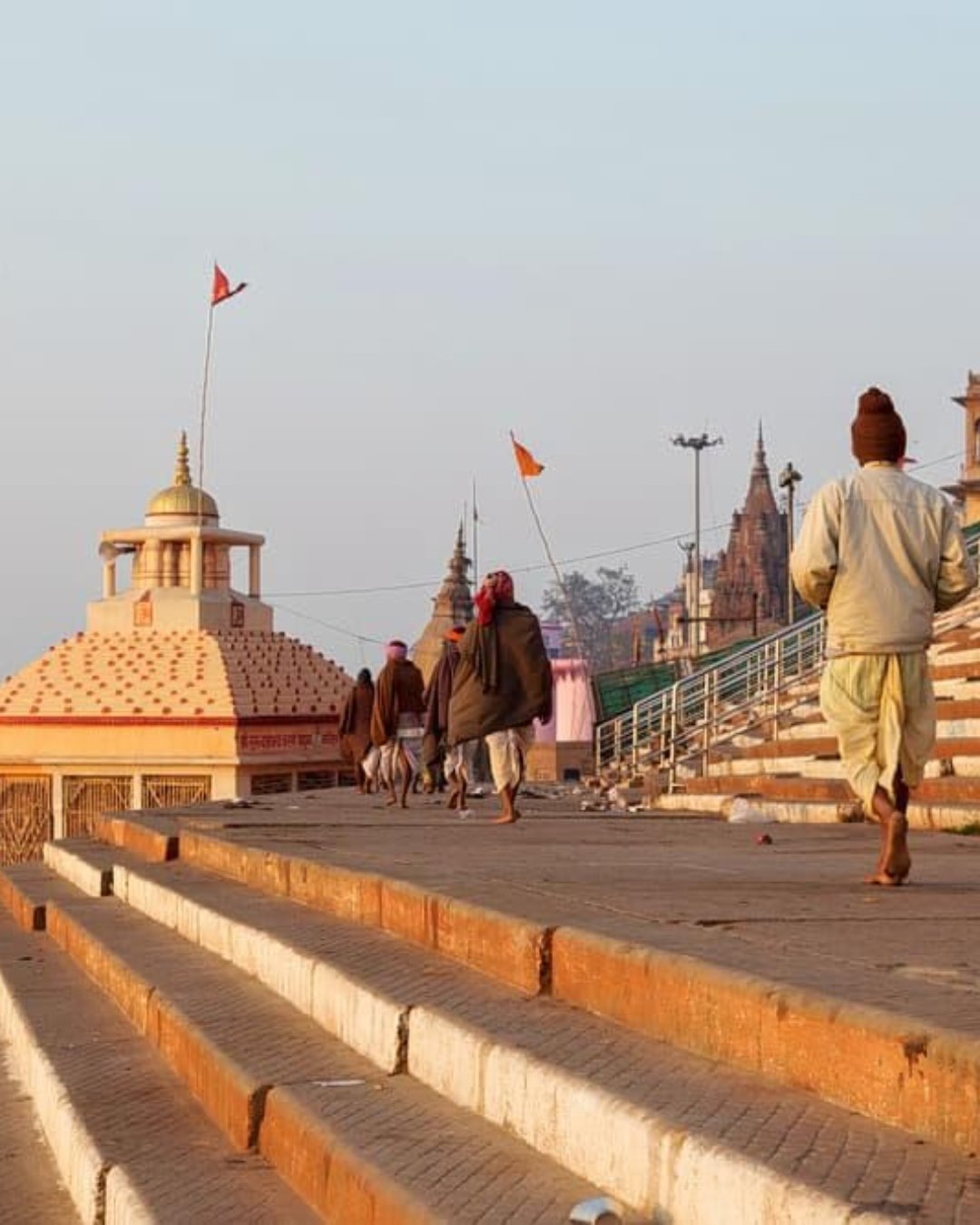
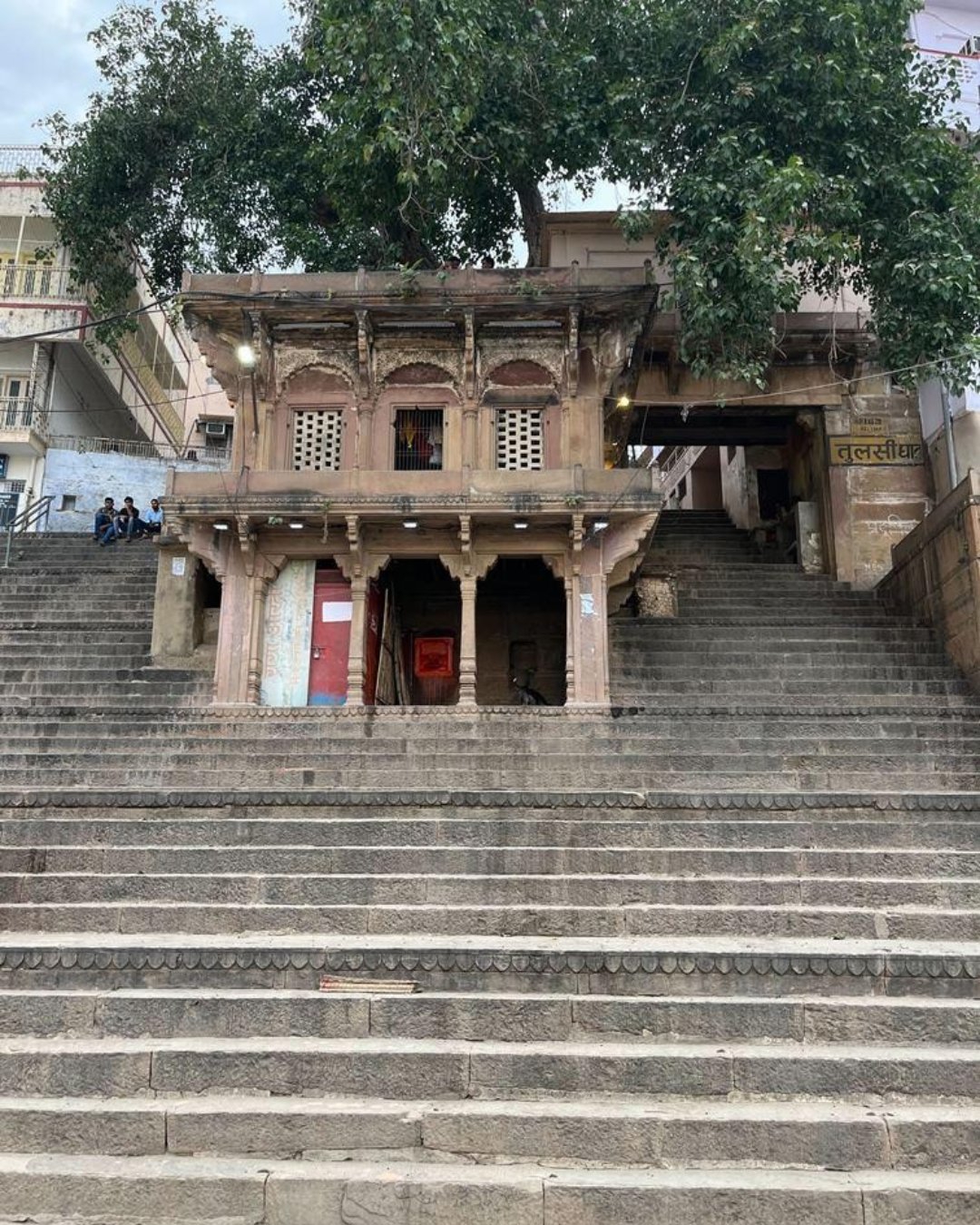
You've probably drifted past it without knowing. On the boat ride from Assi, it's the next ghat up — a steep flight of steps, some old buildings, nothing that stops you mid-sentence. But here's the thing nobody tells you: this is where Tulsidas lived and, by tradition, wrote the Ramcharitmanas — the retelling of the Ramayana in Awadhi that put Ram into the mouths of ordinary people across North India. Half a billion people know verses from a book written on these steps, and most visitors to Varanasi float straight past it looking for a photograph.
Let's fix that. Here's how Tulsi Ghat actually works, and how to get it right the first time.
Why it's a stop, not a view
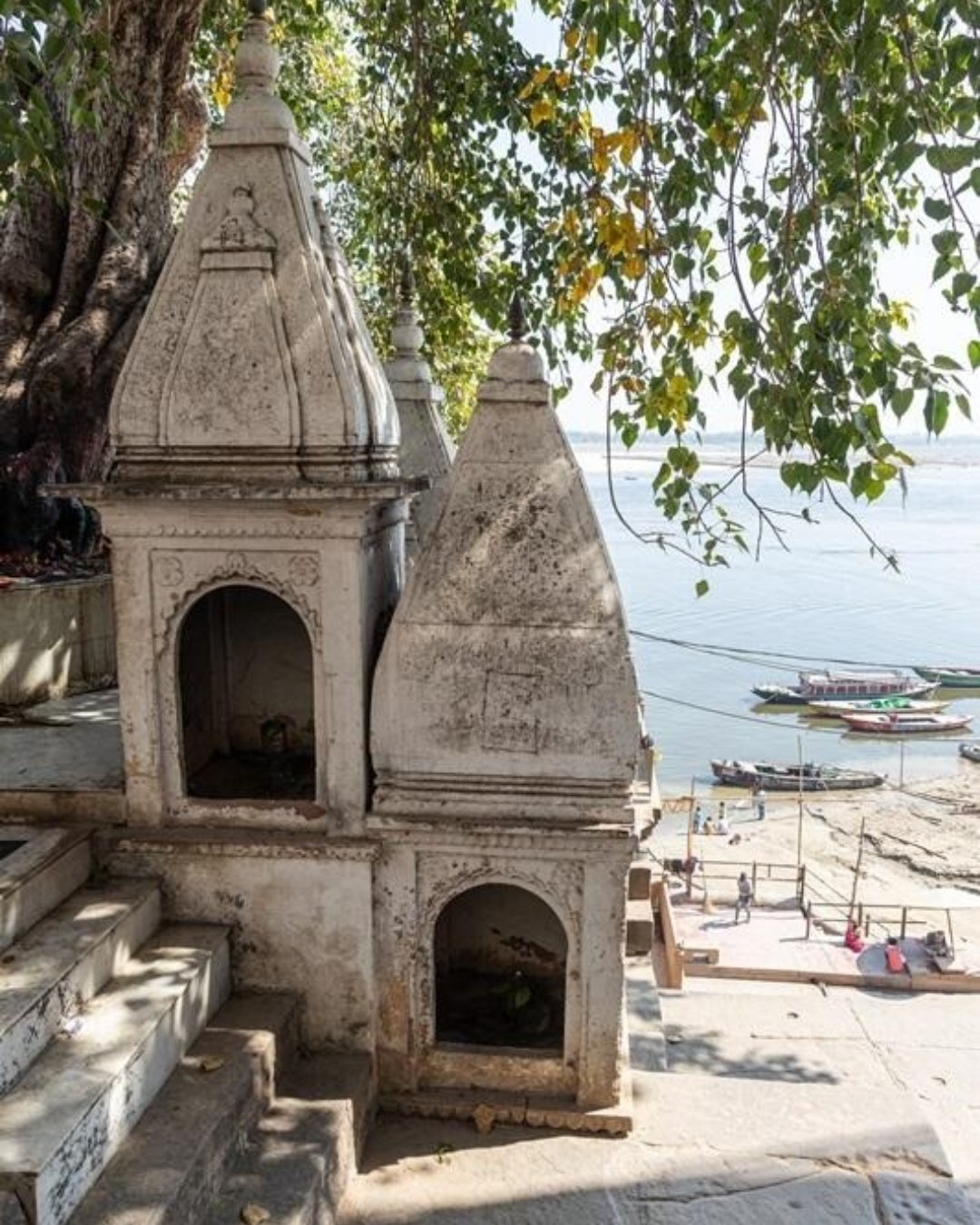
Tulsi Ghat gives you almost nothing from the water. There's no ceremony, no crowd, no dramatic frame — which is exactly why the boats don't stop and the tour groups don't come. What's here is inside: the small temple and the akhara, the old house associated with Tulsidas, his wooden sandals and manuscripts kept as relics, and a working wrestling pit that's been in use for generations.
So you come on foot, from Assi, in daylight. Ten minutes' walk along the ghats or the lane behind them, and you're at a place where something genuinely enormous in Indian literature happened, with nobody else there. Morning is best — the akhara is active early, and the light on the steps is good before the heat.
What you'll actually see
The Tulsidas Temple and relics — his sandals, and manuscripts preserved by the temple custodians.
The Akhara — a traditional mud wrestling pit, still used by pehelwans who train here at dawn.
The historic ghat steps — steep stone steps leading down to the Ganga, marking the beginning of Varanasi's southern ghat stretch.
Lolark Kund — the ancient stepped water tank nearby, famous for the annual Lolark Chhath festival and its centuries-old fertility rituals.
Dress modestly and wear footwear that's easy to remove — you'll need to go barefoot inside the temple, and the stone steps can be steep and slippery.
And put the phone away entirely for this one. Travellers who make the walk will tell you the same thing: there's nothing here that photographs — no grand vista, no elaborate ceremony, just old rooms and worn stone. What stays with you is the quiet realization that you stood where one of India's most influential literary works was created. That's the part no photograph can truly capture.
Pro tip: Always ask before photographing the relics or the wrestlers. This isn't a museum — it's a living temple and an active akhara, and permission is usually granted if you ask respectfully. Visit early in the morning to watch the pehelwans during practice. If you're visiting during Bhadrapada (roughly August–September), don't miss the vibrant Lolark Chhath festival at nearby Lolark Kund, though expect much larger crowds.
The mistakes that ruin it
Most first-time visitors make the same few mistakes. They only admire Tulsi Ghat from the boat and never step ashore. They arrive without knowing its incredible literary significance, making it seem like just another riverside staircase. Or they visit in the afternoon when the akhara is quiet and the temple may be closed during the midday break.
The easy fix is to walk here from Assi Ghat in the morning and take time to understand the story behind the place. Without the history, it's simply another ghat. With the history, it's one of Varanasi's most remarkable cultural landmarks.
Want the walk, the temple, and the story explained?
Hit Do this trip— we'll and Tulsi to the morning route.