


Kunzum Pass
Kunzum Pass, Dhar Thachakarpo, India
You've probably seen it framed as just a high point on the drive. A pass, a sign, some prayer flags, a photo before you carry on to Chandratal. But here's the thing nobody tells you: Kunzum is the hinge the whole trip turns on. It's shut for more than half the year, it can close on any given morning with a single bad weather turn, and the chorten at the top isn't a photo prop — it's a ritual that drivers here take seriously, and rolling past it without stopping is the one thing you don't do.
Let's fix that. Here's how Kunzum Pass actually works, and how to get it right the first time.
Why the season and the morning decide everything
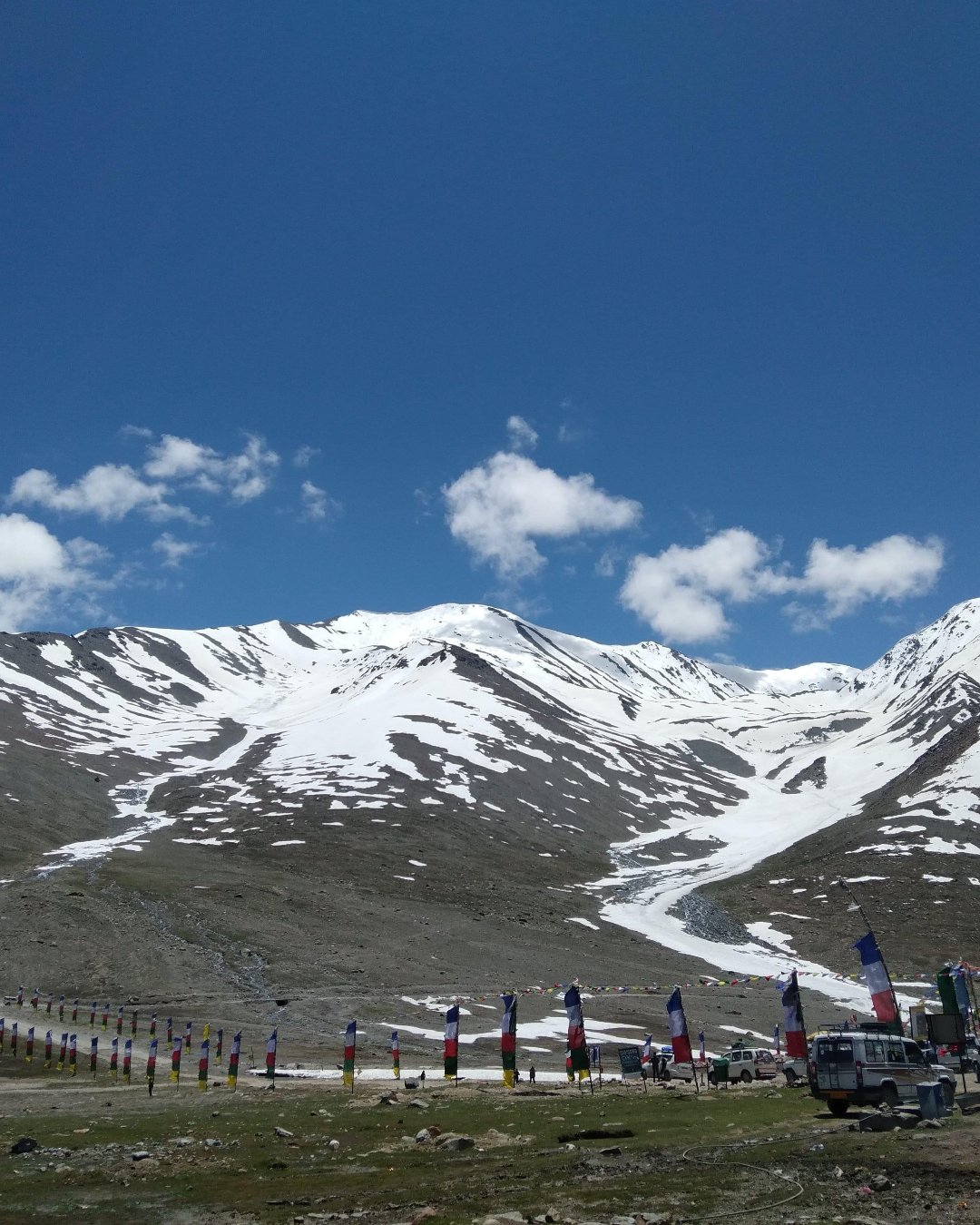
Kunzum sits at 4,590 m, linking Spiti to Lahaul, and it's only open roughly mid-June to mid-October. Snow closes it early and late, and even in season it's a morning game — cross early, while the weather holds and the streams beyond it are low, because afternoon brings cloud, wind and rising meltwater on the Batal side.
So this isn't a stop you drift up to at midday. You leave Kaza early, clear Losar's checkpost, and take the pass with the day in front of you. The pass is what makes the whole Shimla-to-Manali circuit possible; it's also the first thing to shut it down. Treat it as the appointment the rest of the day is built around.
What you'll actually see
The top is a wide, wind-scoured saddle with big views and a working shrine:
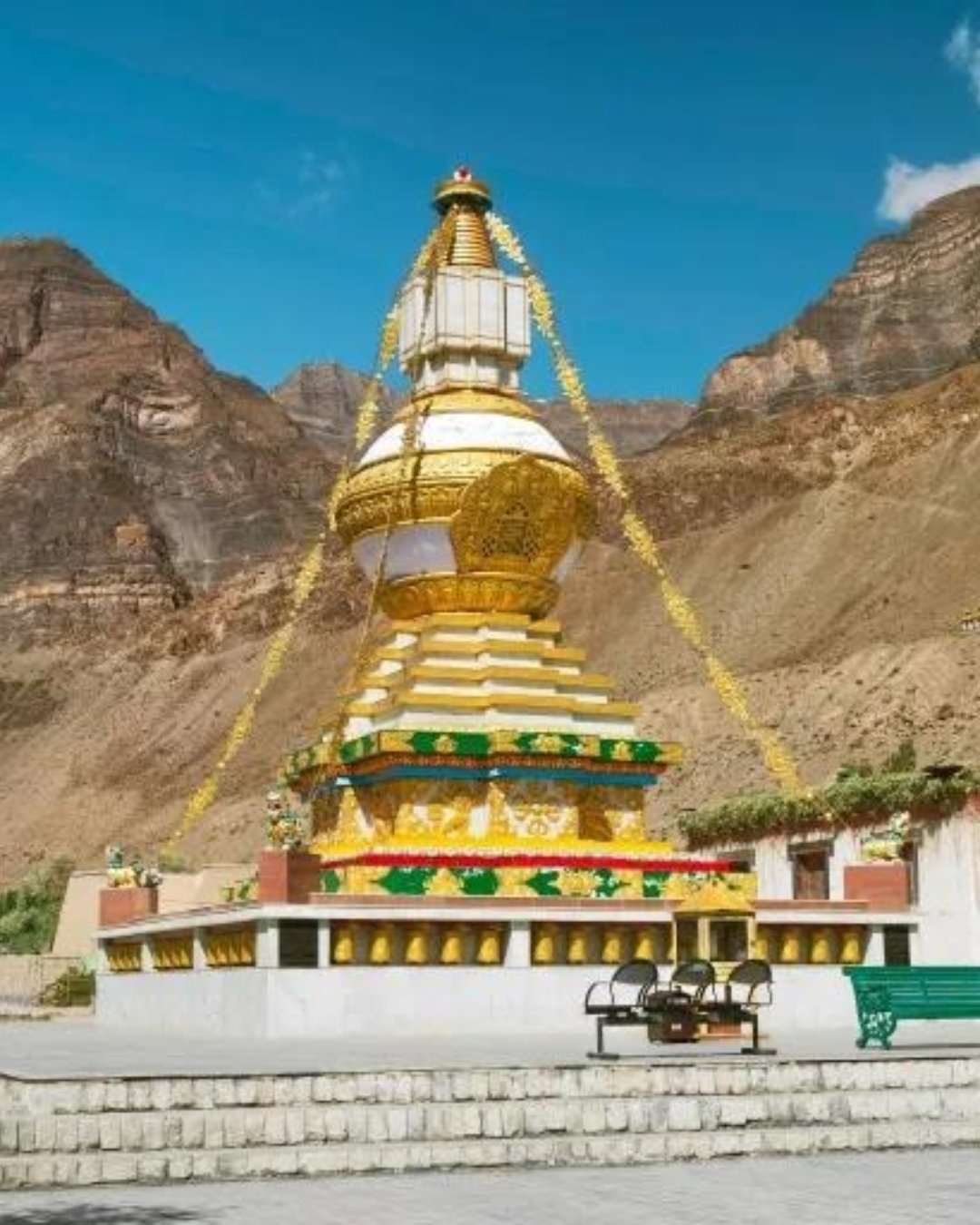
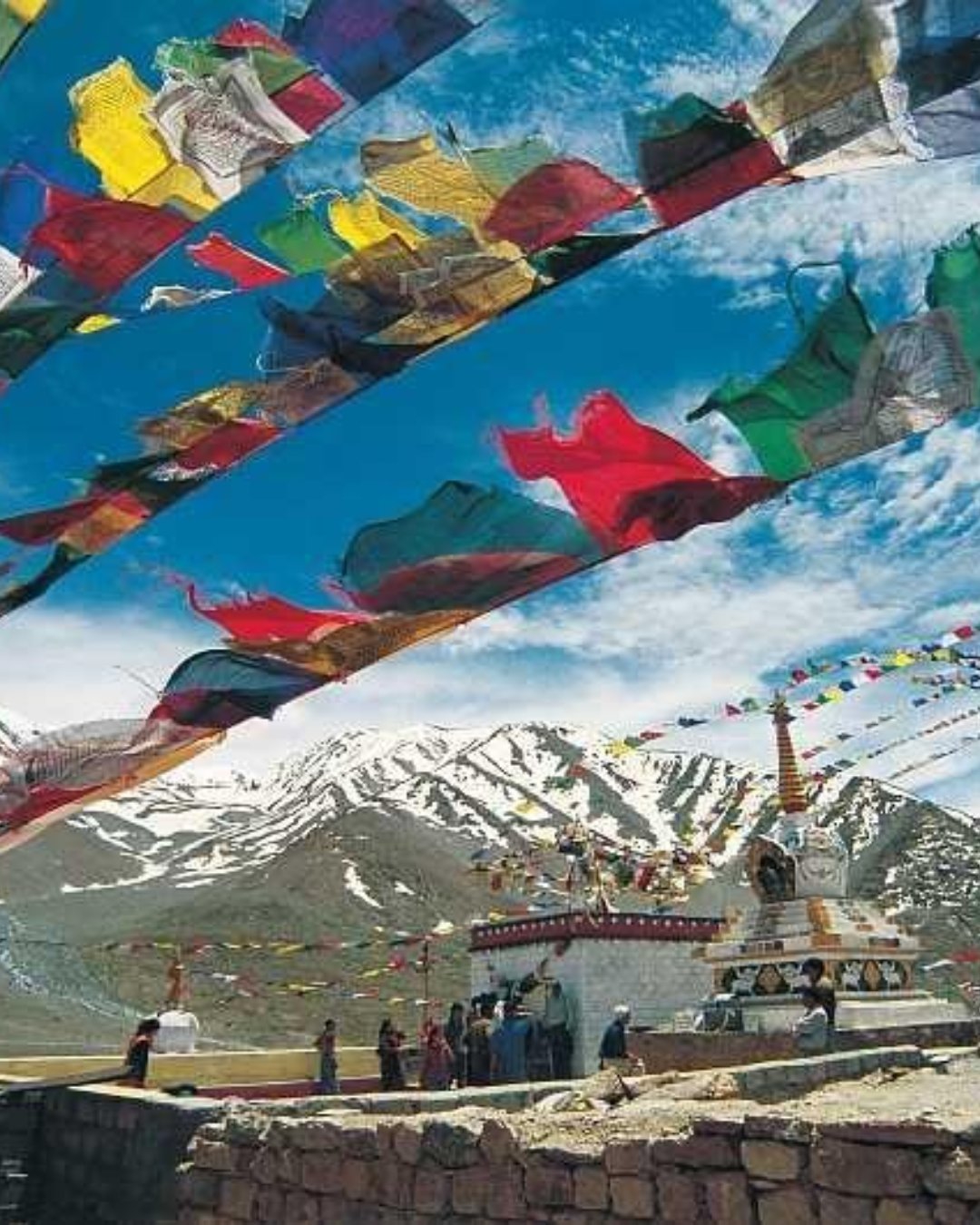
* The Kunzum Mata temple and chorten — wrapped in prayer flags, dedicated to the pass goddess who's believed to grant safe passage.
* The parikrama — drivers make a slow clockwise circle of the chorten in their vehicle before crossing. Let yours do it.
* The CB Ranges and the Bara Shigri Glacier view — one of the longest glaciers in the Himalaya, visible in the distance.
* The Chandratal turnoff — the rough side track to the lake branches off just beyond the pass.
Take everything warm you own. At 4,590 m the wind has a real bite even in July, and you'll want to be out of the vehicle for a few minutes at the top.
And put the phone down after the first photo. Travellers who've crossed here will tell you the same thing: the flags and the sign are the easy shot, but the pass is bigger than a frame. Stand in the wind for a minute. The prayer flags snapping, the ranges stacked to the horizon, the thin cold air at the very top of the crossing — and the quiet satisfaction of making it over — that's the part the photos never quite catch.
Pro tip: Join the parikrama — let your driver make the clockwise circle of the chorten, and don't rush them; it's a custom worth respecting, not a delay. Cross early in the day for better weather and lower stream crossings on the Batal side. Check the pass status the evening before from Kaza. If Kunzum is expected to close, it's far better to know before leaving than after driving all the way to Losar.
The mistakes that ruin it
Most first-time travellers make the same mistakes. They visit at the edge of the season and find the pass closed. They cross late in the day and encounter bad weather and swollen streams. Or they treat the chorten as just another backdrop and miss the local tradition that gives the pass its meaning.
The easy fix is simple: cross early, travel during the open season, and check road conditions before setting out — or let someone familiar with the route plan the crossing around the mountain rather than the clock.
Ready to see it for yourself?
Kunzum Pass is the moment most travellers photograph without realising it's the reason the entire Spiti circuit exists. Get the season and the timing right, and the crossing feels effortless.
Want it handled end to end — the right season, an early crossing, current pass conditions, and a perfectly timed journey onward to Chandratal? Browse our Spiti Valley Tour Packages, where Kunzum Pass comes built in, along with Kaza, the high villages, Losar and Chandratal. Pick your dates and we'll take care of the mountain.