


Sunset at Key Monastery
Key, India
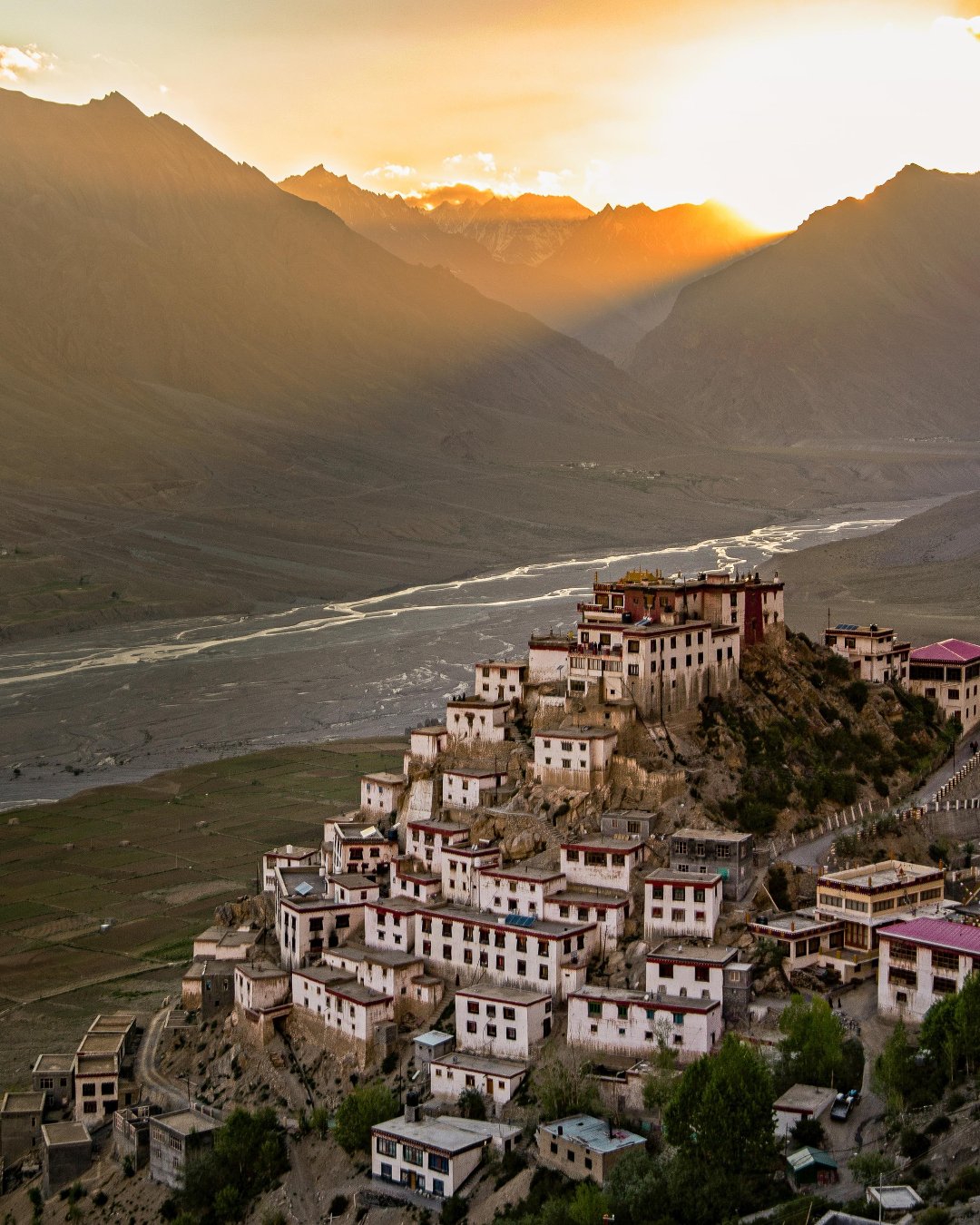
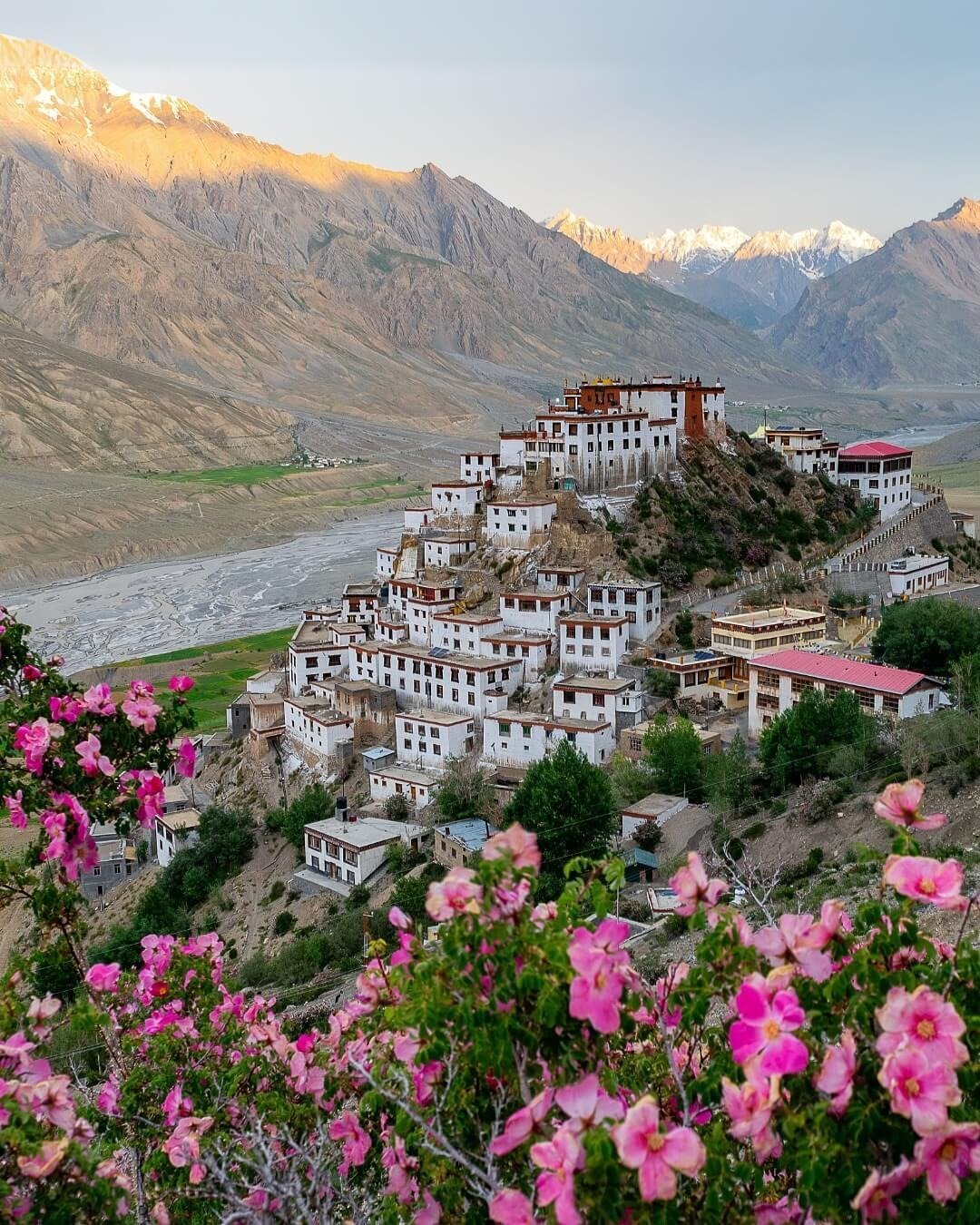
You've probably seen the shot. The white monastery stacked up its hill like something that grew there, the Spiti River curling below, the whole thing glowing against a wall of bare mountains. So you drive up mid-afternoon, walk around inside for half an hour, take the photo from the car park, and leave. And you miss it — because at two in the afternoon the light is flat and hard, the monastery is a grey lump, and the picture in your head refuses to appear.
Let's fix that. Here's how Key Monastery actually works, and how to get it right the first time.
Why the last hour, not the middle of the day
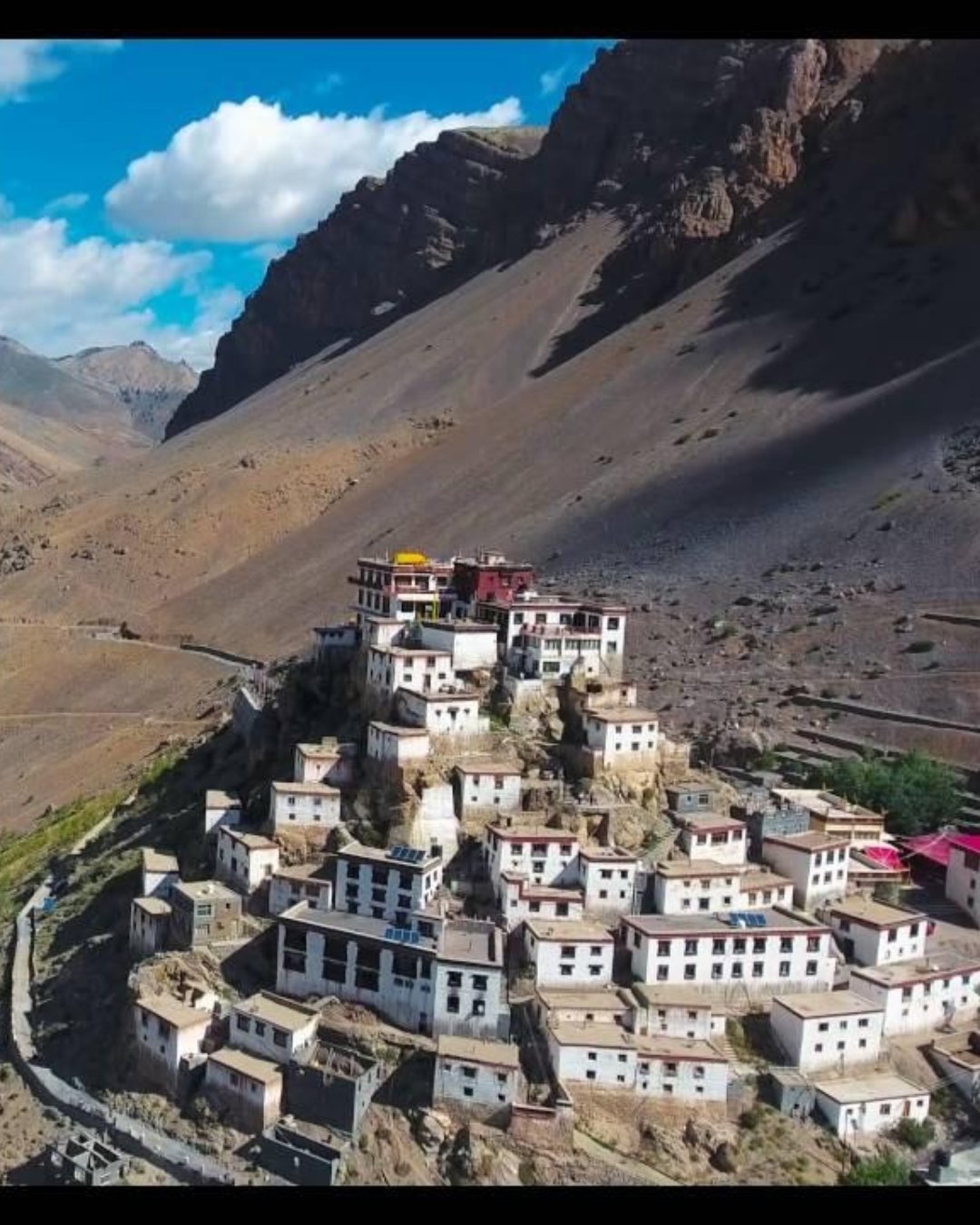
Key sits on a conical hill at around 4,100 m, facing roughly down the valley. In the flat overhead light of midday the mud-and-stone walls read as one dull mass, and the mountains behind go hazy and shapeless. It's the most photographed building in Spiti and it looks its worst at the hour most people show up.
Then the sun drops toward the ridgeline. The walls turn warm, then gold. The hill throws a long shadow, the tiers of the monastery separate out, and the peaks behind sharpen as the haze settles. That's the Key everyone means. It happens in the hour before sunset — so you want to be down the valley, looking back up at it, by around five.
What you'll actually see
Do the inside earlier in the day, then position for the light:
The classic view — from the road below and slightly down-valley, where the monastery stacks up against the mountains. This is the frame.
The prayer hall and kitchens — inside, older than the fort-like exterior suggests. Best visited late morning.
The monks — Key is a working Gelugpa monastery and teaching centre; young monks live and study here.
Kibber and the Chicham Bridge — a short drive higher, worth pairing if you have the afternoon.
Take a proper layer. Once the sun is off the hill the temperature drops hard at this altitude, and you'll be standing still with a camera.
And put the phone down when the light first turns gold. Travellers who've stood here will tell you the same thing: the urge is to fire off fifty frames the second it glows, and you end up with fifty near-identical shots and no memory of the place. Watch it first. The gold climbing the walls, the valley going blue below, the utter silence of it broken only by a dog or a distant bell — that's the part the photos never quite catch.
Pro tip: Sleep low, shoot high. Key is an easy morning-and-evening trip from Kaza (about 12 km), so base in Kaza rather than trying to stay up here, and come out for the light. If you do want the full experience, Key runs a simple guesthouse for pilgrims — basic, cold, and unforgettable, with the monks' morning prayers at dawn. Either way, dress modestly and move quietly inside; this is a place of worship, not a viewpoint with a temple attached.
The mistakes that ruin it
Most first-timers trip over the same few things. They come at midday, shoot the grey version, and wonder what the fuss is about. They photograph the inside and skip the down-valley view that's the actual icon. Or they arrive at 6:55 for a 7:00 sunset and miss the whole hour that mattered.
The easy fix is to base in Kaza, do the interior late morning, and be down the valley with the monastery lit by five — or let the day be planned around the light rather than the map.
Ready to see it for yourself?
Key at sunset is the moment most travellers came to Spiti for. Get the hour and the angle right, and it's effortless.
Want it handled end to end — the right base, the right timing, the monastery lit when you arrive? Browse our Spiti Valley Tour Packages, where Key comes built in, along with Kaza, the high villages, Kunzum Pass and Chandratal. Pick your dates and we'll take care of the light.