
Triveni Sangam — The Sacred Confluence of Three Rivers
Triveni Sangam, Prayagraj, India
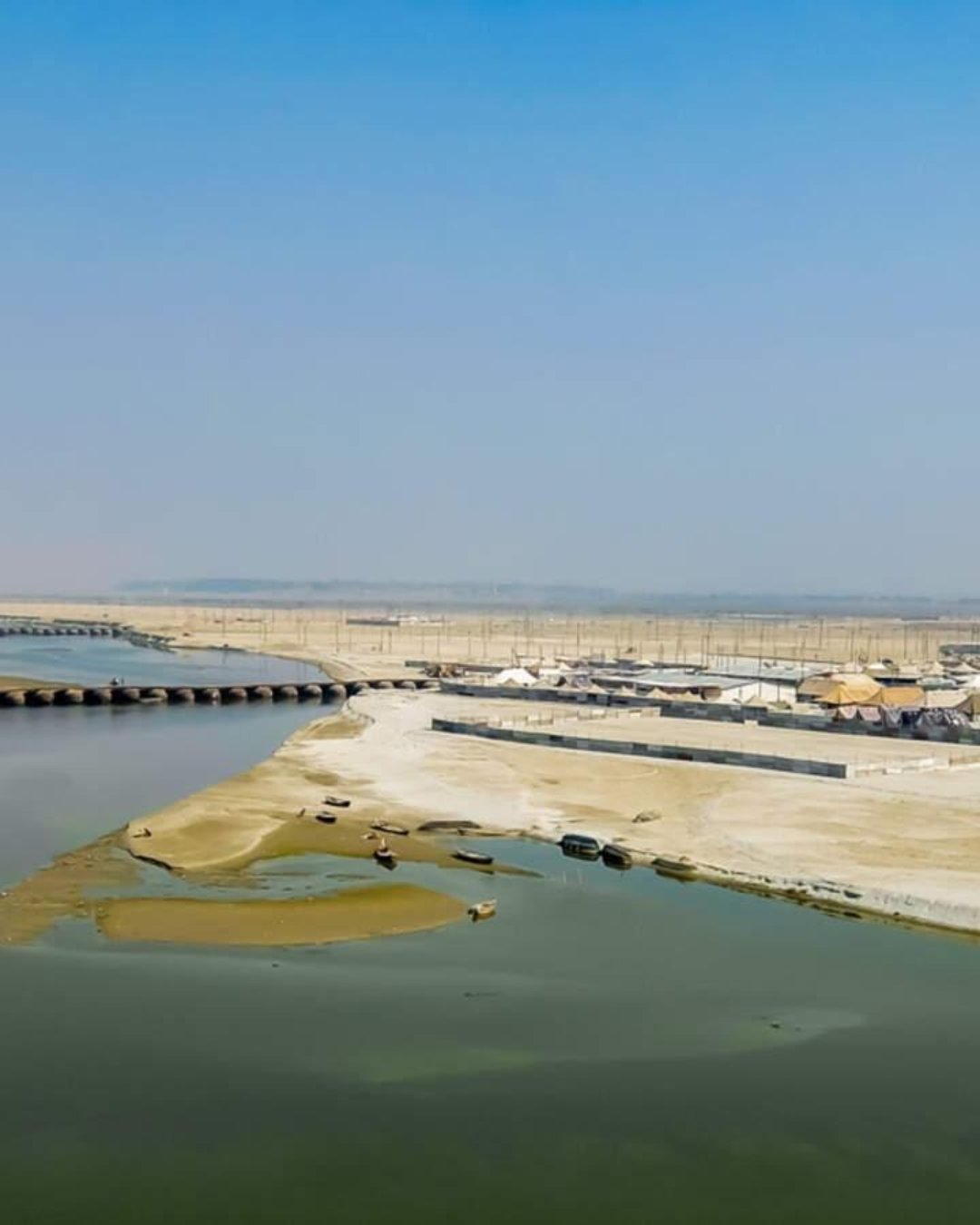
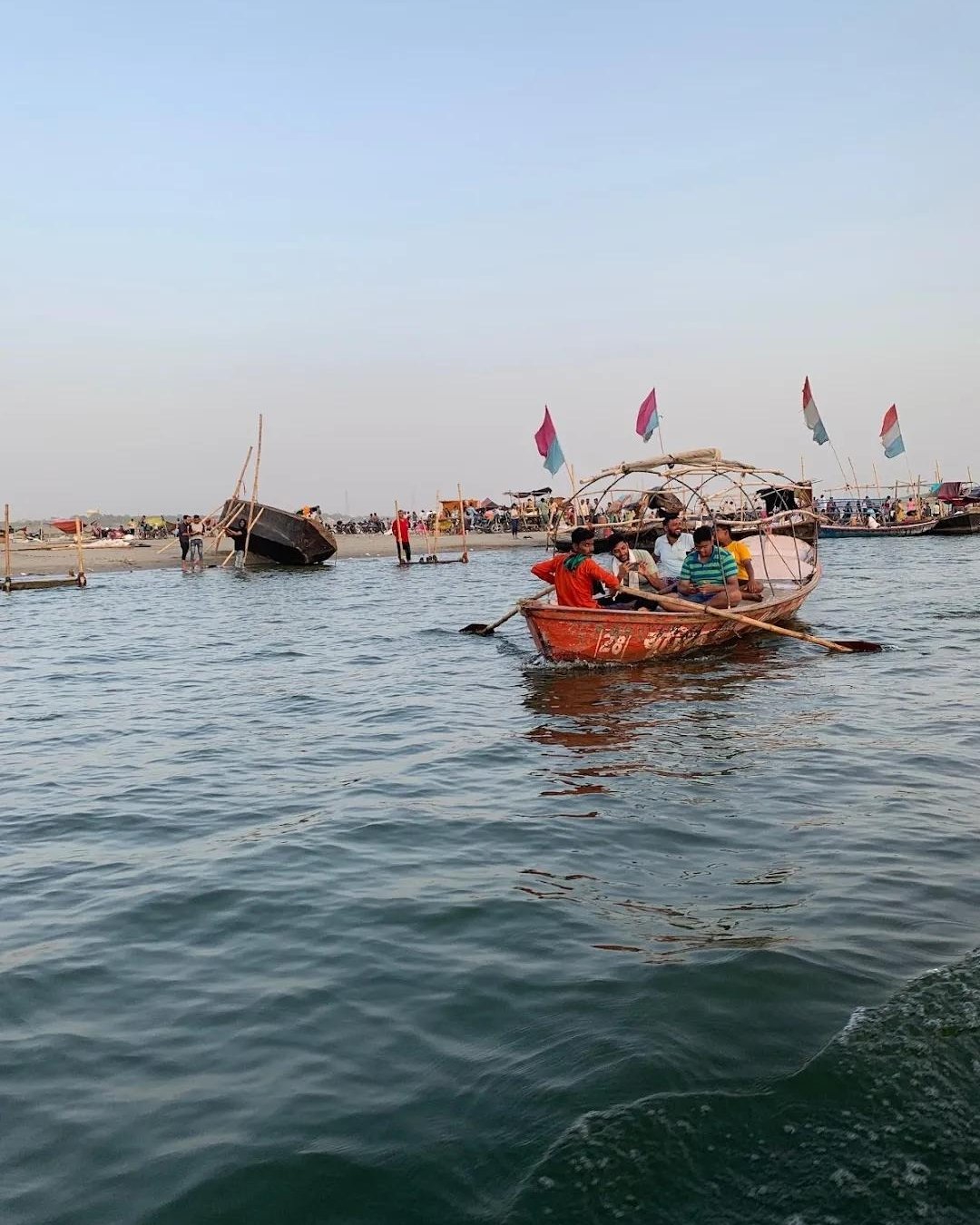
You've probably pictured a clean line in the water where two great rivers meet. You get to Prayagraj, head for the Sangam, and find a bustling riverfront full of hundreds of wooden boats, boatmen calling for passengers, and no obvious sign of where the actual confluence is. Show up mid-morning, take the first boat someone points you toward, and you'll likely pay too much for a rushed ride in harsh light—and miss the very experience you came for.
Let's fix that. Here's how the Triveni Sangam actually works, and how to get it right the first time.
Why sunrise, and not any other hour
The Sangam changes completely through the day, much like the ghats of Varanasi. At sunrise the river is calm, the air is cool, and the soft morning light reveals the meeting of the rivers far more clearly. On many days, you can distinguish the lighter waters of the Ganga from the darker green Yamuna before they merge. By mid-morning the boat traffic increases, the water becomes choppier, the light turns harsh, and the peaceful atmosphere disappears.
So aim to be on the water just after first light. Leave your hotel early and reach the boat landing before the crowds arrive. This is also when pilgrims take their most peaceful ritual dip, long before the busiest part of the day. It may mean an early wake-up, but it's the Sangam experience people remember most.
What you'll actually see
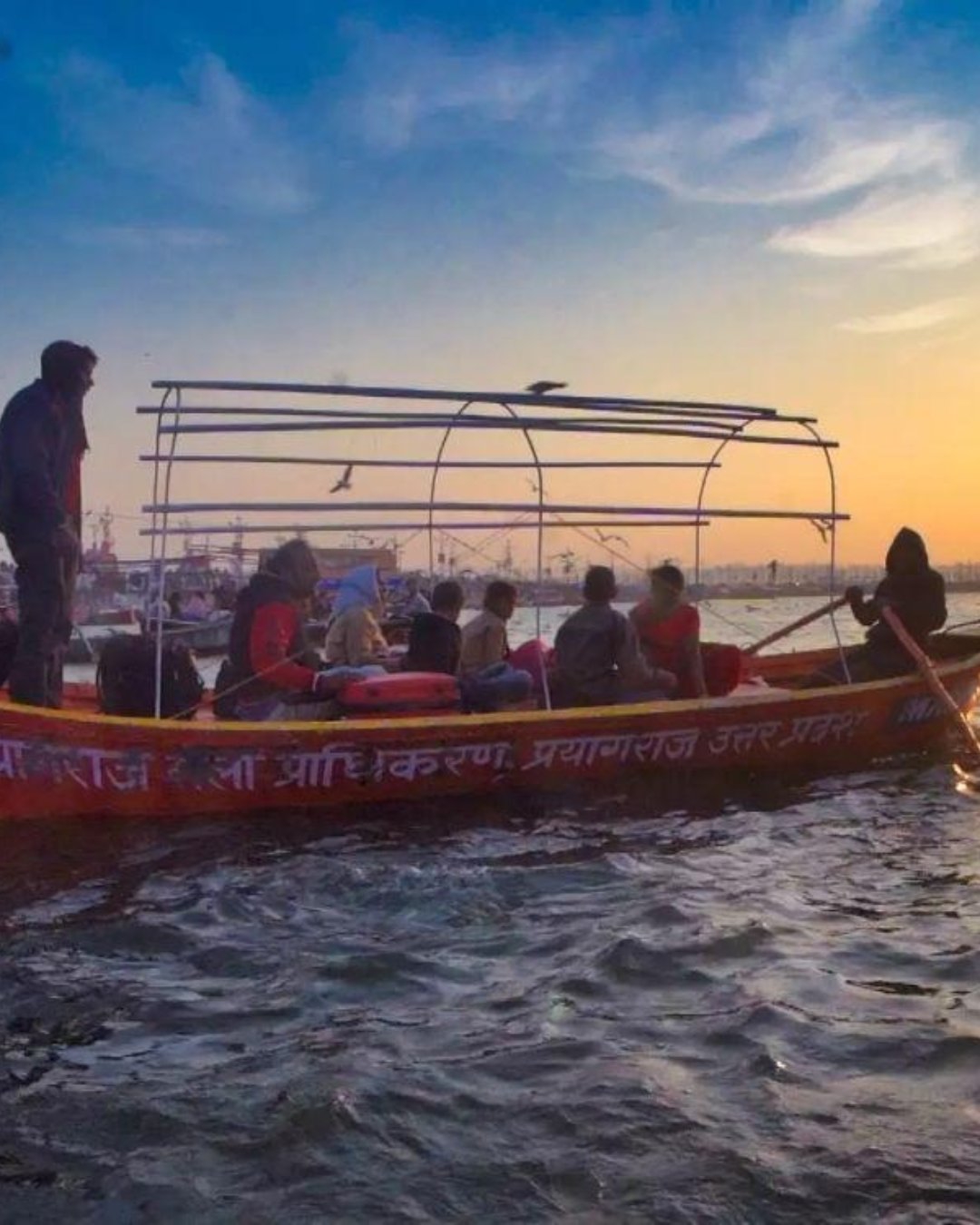
From the riverbank, a traditional rowboat carries you to the meeting point, where floating platforms allow pilgrims to perform rituals and take a holy dip.
The meeting of the rivers — the lighter Ganga and the darker Yamuna flowing together, while the mythical Saraswati is believed to join them invisibly, giving the place its name: Triveni Sangam.
The bathing platforms — pilgrims offering prayers and taking ritual dips at one of Hinduism's holiest confluences.
Allahabad Fort and Akshayavat — visible on the riverbank behind you, home to the legendary imperishable banyan tree.
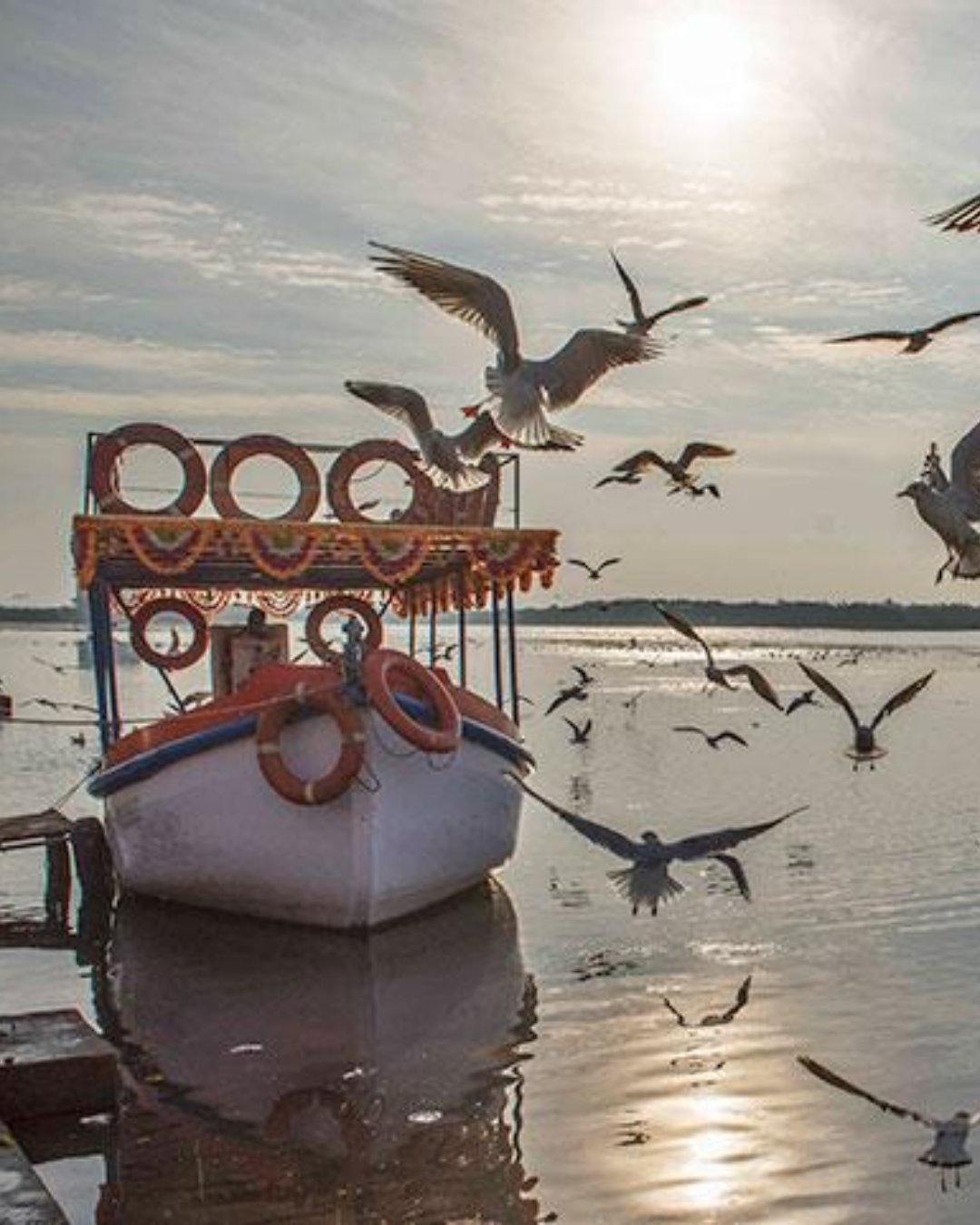
Migratory birds — especially during winter, flocks of gulls often follow the boats, creating beautiful scenes over the water.
Carry a light jacket or shawl, even in pleasant weather. Dawn on the open river can feel surprisingly cool.
And keep your phone away for the first few minutes. Travellers who've experienced the Sangam often say the instinct is to photograph the rivers immediately, but the moment becomes far more meaningful when you simply watch them first. Seeing the two rivers flow alongside one another beneath the rising sun, before gradually blending together, is something no photograph fully captures.
Pro tip: Agree on the boat fare before boarding, and make sure you know whether you're hiring a private boat or sharing one with other passengers. A private boat costs more but allows you to spend extra time at the confluence, while shared boats usually follow a quicker route. Also confirm the duration of the ride in advance. If you're visiting during January or February, remember that the Magh Mela brings enormous crowds, limited boat availability, and occasional access restrictions, so plan well ahead.
The mistakes that ruin it
Most first-time visitors make the same few mistakes. They arrive mid-morning when the river is crowded and the light is harsh. They negotiate with boatmen while surrounded by persistent touts. Or they accept the first offer they receive and end up paying more for a hurried trip.
The easy fix is to visit at sunrise with your boat arranged in advance, so you can step aboard without the confusion and enjoy the Sangam while the river is still calm and peaceful.