




Hanuman Garhi & Ayodhya's Temple Trail
Hanuman Gadi, Ayodhya, India
You've probably come to Ayodhya for one temple. The new Ram Mandir is the reason most people make the trip, and plenty do exactly that — darshan at the big one, back in the car, gone by lunch. But here's the thing nobody tells you: skip the older Ayodhya and you've missed the town's living heart. Hanuman Garhi, Kanak Bhawan, and Nageshwarnath — the temples that were drawing pilgrims here for centuries before the new one — sit a short walk apart, and the crowds thin the moment you leave the Janmabhoomi complex.
Let's fix that. Here's how the Ayodhya temple trail actually works, and how to get it right the first time.
Why Hanuman Garhi comes first, and not any other order
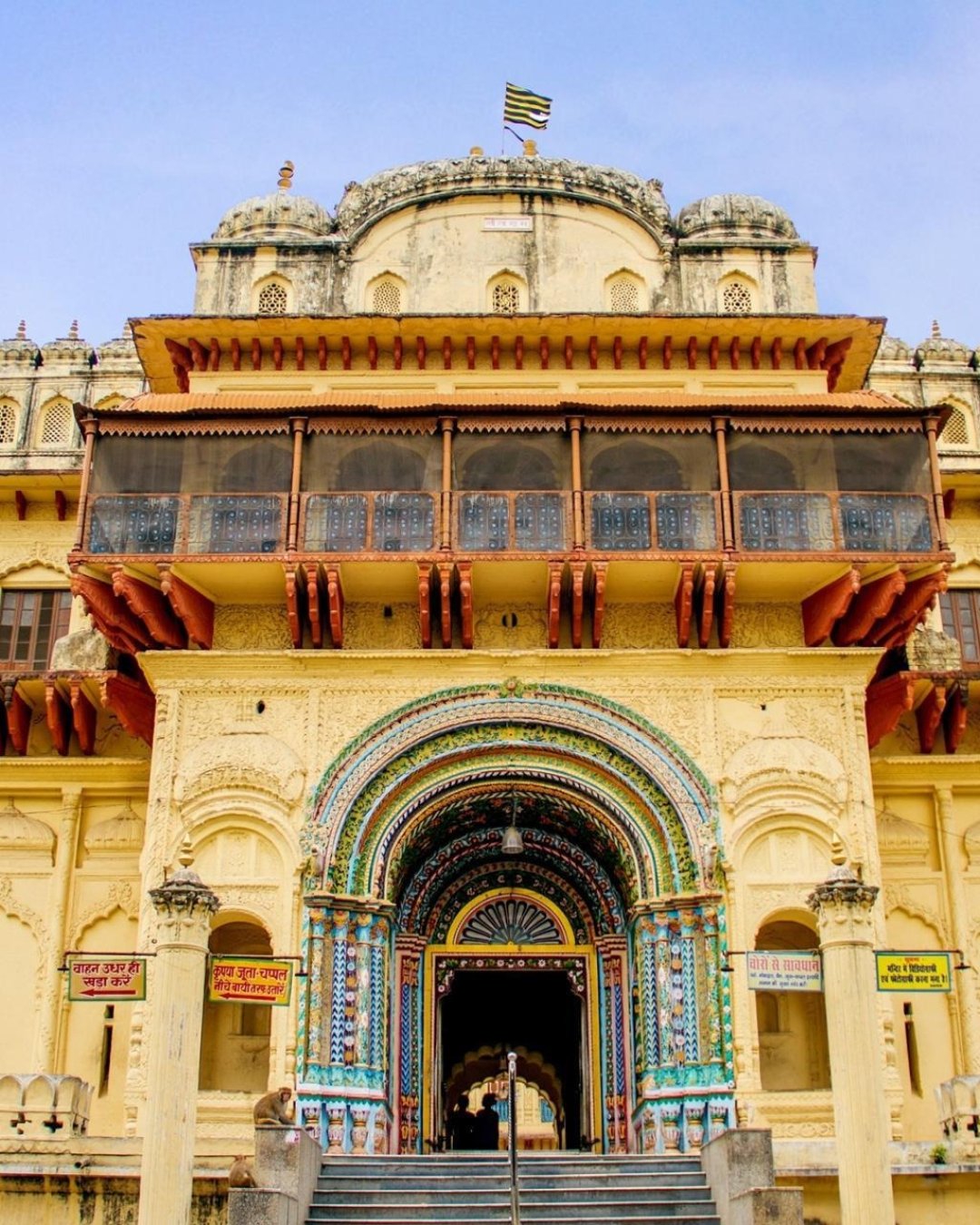
There's a custom here worth honouring: you greet Hanuman before Ram. Hanuman Garhi is the fort-temple on the hill where, by tradition, Hanuman himself guards the town, and pilgrims climb here first — pay respects to the guardian, then go on to everything else. Do it in that order and the trail makes sense; do it backwards and you're a tourist ticking boxes.
Go in the morning, before the heat and the queues build. It's 76 steps up to Hanuman Garhi, and you'll be barefoot from the shoe stand, so the cool early hours are kinder to both. From the top you get the climb, the temple, and a view back over the town before the day fills up.
What you'll actually see
Hanuman Garhi — the hilltop fort-temple up 76 steps, the guardian shrine you visit first.
Kanak Bhawan — the ornate "Golden Palace" temple, said to mark the home gifted to Sita, with richly dressed idols of Lord Ram and Sita.
Nageshwarnath Temple — the town's ancient Shiva temple, traditionally founded by Lord Ram's son, Kush.
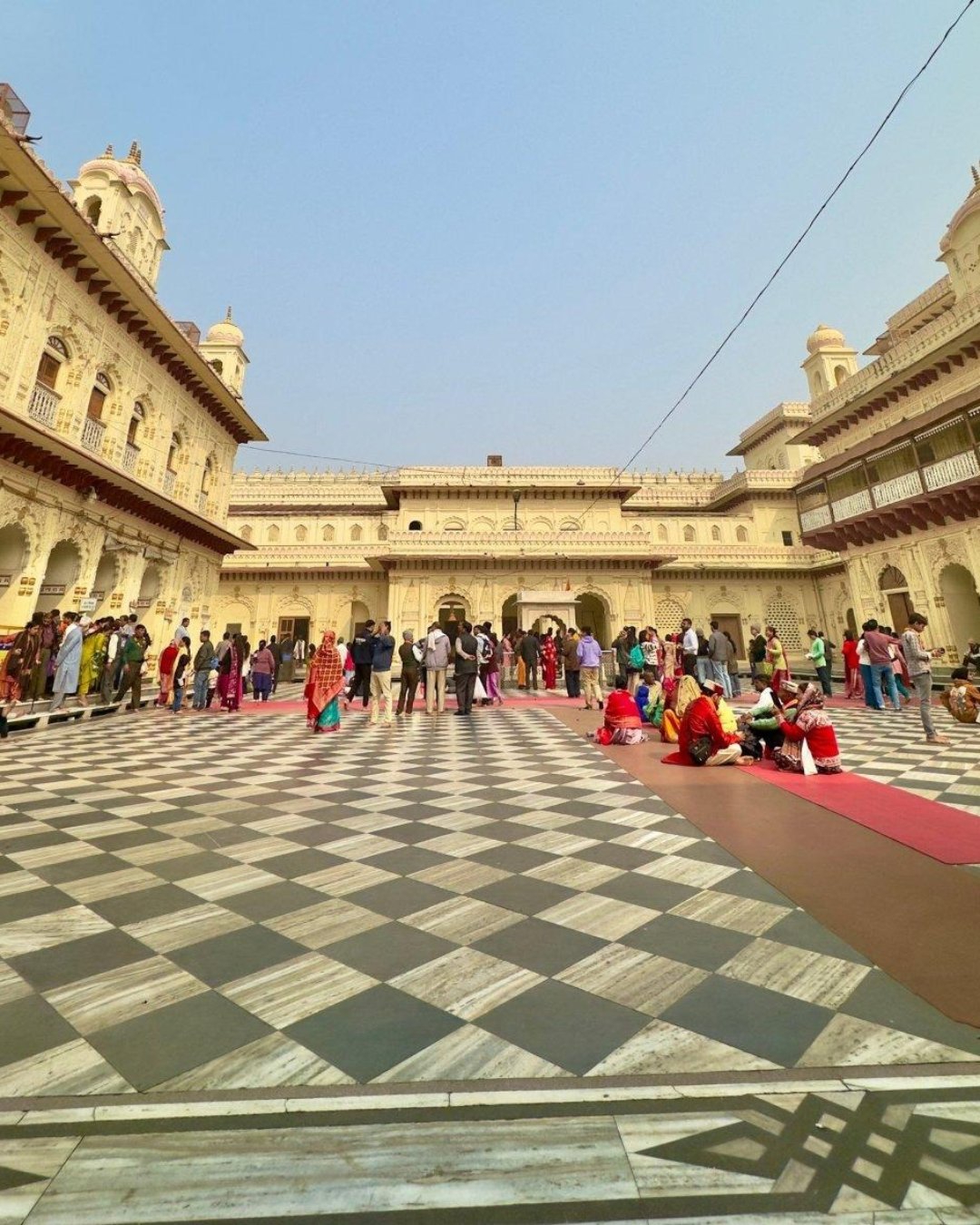
The old lanes between the temples — sweet shops, flower sellers, and the everyday rhythm of a living pilgrimage town.
Dress modestly, and carry small notes for the shoe stand and offerings. You'll be barefoot on warm stone, so time it for the morning.
And keep the phone pocketed inside the sanctums. Travellers who walk this trail will tell you the same thing: the new temple is the event, but the older shrines are where Ayodhya actually breathes — the press of pilgrims at Hanuman Garhi, the ringing bells, the scent of marigolds underfoot. Photography inside is often restricted anyway, so let it be. That texture of a working pilgrimage town is the part the photos never quite catch.
Pro tip: Visit Hanuman Garhi first, followed by Kanak Bhawan, and then Nageshwarnath Temple — it's both the traditional sequence and the most practical walking route. Go early on a weekday if you can; Tuesdays and Saturdays are especially busy at Hanuman Garhi. Watch for the monkeys near the top — they're bold and will happily grab food or an unattended phone. And walk between the temples rather than driving; the narrow lanes are an essential part of the Ayodhya experience.
The mistakes that ruin it
Most first-timers trip over the same few things. They visit only Ram Mandir and leave without seeing the older heart of Ayodhya. They tackle the trail in the midday heat, or in the wrong order, with long queues at every stop. Or they drive between temples that are only a few minutes apart on foot and miss the atmosphere of the old city.
The easy fix is to walk the trail in the morning, beginning at Hanuman Garhi, with someone who can explain the significance of each temple — because this is a connected pilgrimage, not just three separate stops.