


Souvenir Shopping Jaipur
Shiv Marg, ram nagar colony, Jaipur, India
You've probably pictured it already. Block-printed textiles, blue pottery, silver jhumkas, a jute bag of little treasures to carry home. But here's the thing nobody tells you: walk into the first glittering emporium your driver suggests, or buy on the main tourist drag without a clue what things cost, and you'll pay three times the going rate for the same gemstone or the same "handmade" scarf that came off a machine. A rushed, overpriced Jaipur shopping spree is not the Pink City people rave about.
Let's fix that. Here's how souvenir shopping in Jaipur actually works, and how to get it right the first time.
Why the where matters more than the how much
Jaipur isn't one market — it's several, each known for one thing, and knowing which is which is the whole game. The old-city bazaars around Johari and Bapu are where locals actually shop, at local prices. The polished emporiums on the tourist circuit, where drivers and guides get a commission for bringing you, are where those prices double.
So decide what you want before you set out, and go to the market that specialises in it: Johari Bazaar for jewellery, Bapu Bazaar for textiles and jutis, Tripolia for lac bangles and ironwork, Kishanpol for tie-dye. Mornings are calmer and the shopkeepers fresher; by late afternoon the lanes are a crush. Go where the thing is made, not where you're driven.
What you'll actually find
Each bazaar has its speciality:
Johari Bazaar — gemstones, kundan and meenakari jewellery, silver. Also where the fakes hide, so buy carefully.
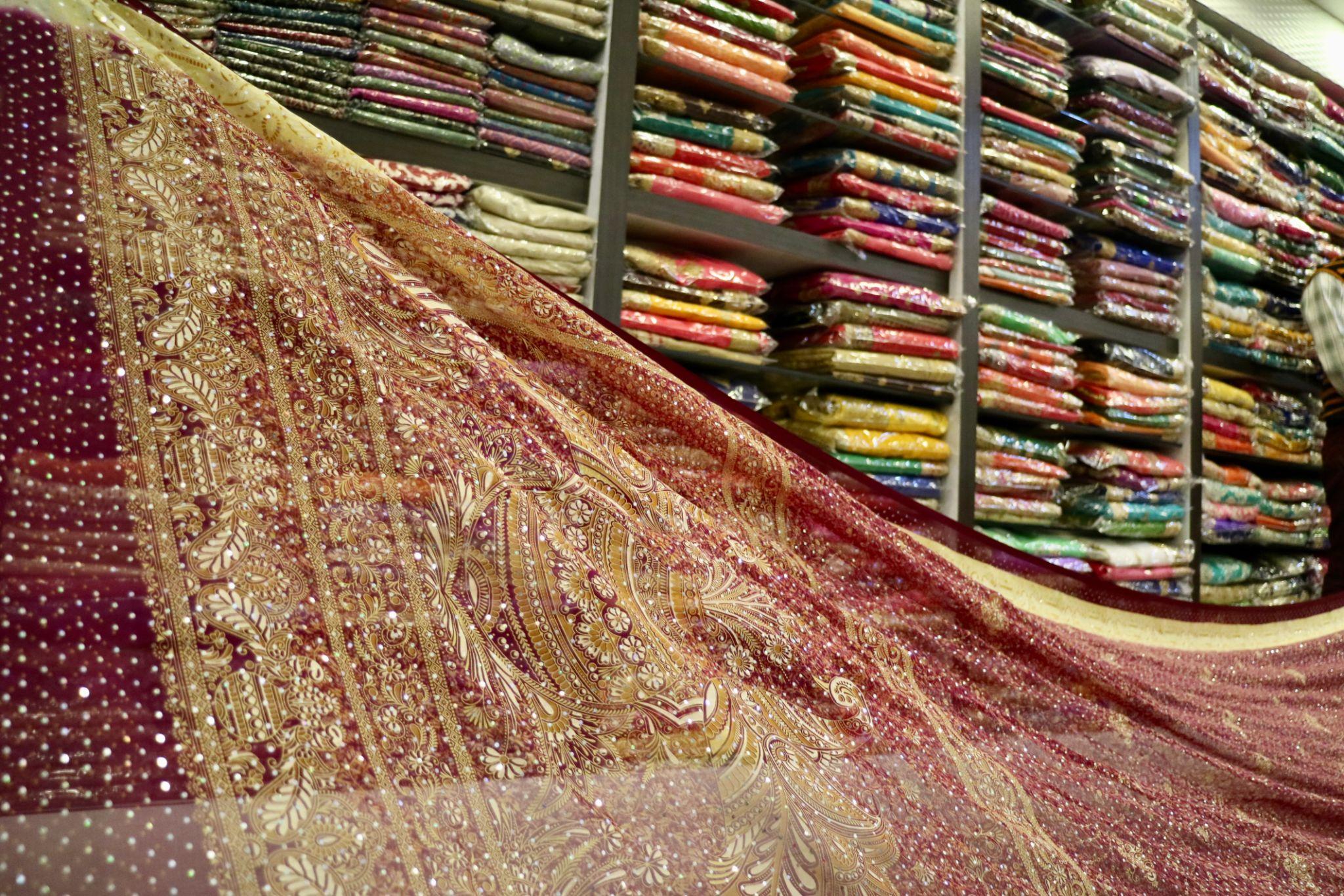
Bapu Bazaar — block-printed and bandhani textiles, mojari/juti shoes, perfumes.
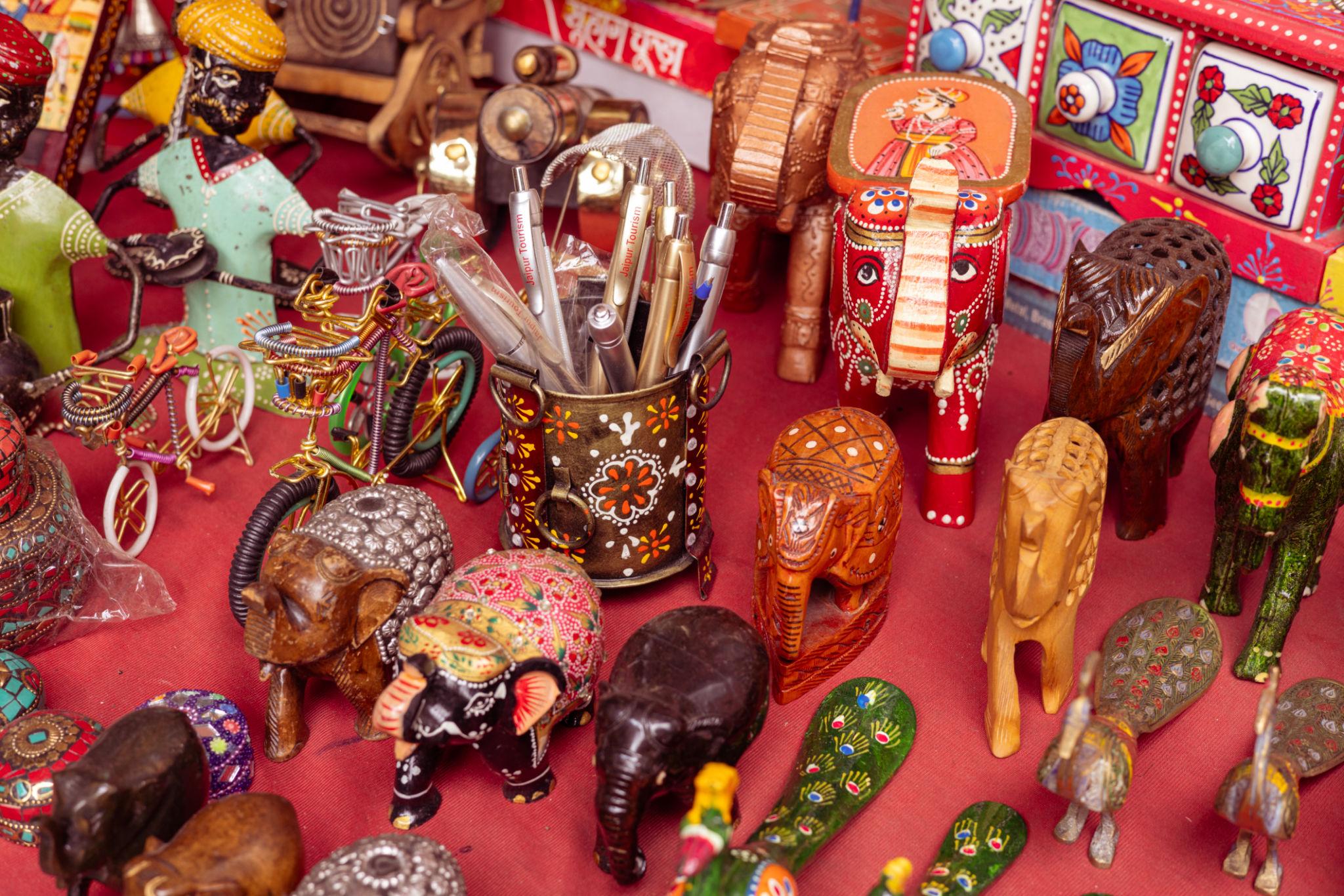
Tripolia Bazaar — lac bangles, brassware and ironwork.
Blue pottery — the city's signature craft; best from Kripal Kumbh or dedicated studios, not street stalls.
Sanganer and Bagru — the villages just outside where the block-printing actually happens, if you want the real thing at the source.
Carry cash in small notes and a cloth bag — many old-city shops don't take cards, and the ones that do sometimes add a fee.
And put the phone down for the first few minutes in a shop, before you start photographing everything for later. Traders who've dealt with visitors will tell you the same thing: the ones who rush in filming get read instantly as tourists to be marked up. Slow down, look, touch the cloth, ask how it's made. The feel of hand-blocked cotton, the weight of real silver, the smell of a genuine attar — that's the part a quick photo and a fast bargain never quite catch.
Pro tip: Always agree the price before you commit, and don't be shy to counter — in the bazaars, the first number is an opening, and settling around half to two-thirds is normal (the fixed-price emporiums are a different game). Learn the tells: real silver is stamped, hand block-printing has tiny irregularities a machine print doesn't, and a "government emporium" your driver insists on is usually neither. And skip anyone offering to take you somewhere with a commission — go to the market yourself.
The mistakes that ruin it
Most first-timers trip over the same few things. They let a driver steer them to a commission shop and overpay. They buy gemstones with no idea how to spot glass or dyed stone. Or they accept the first price on the tourist strip without knowing the bazaar rate half a kilometre away.
The easy fix is to know your market, carry cash, bargain without apology, and skip the "let me show you a place" offers — or shop with someone who has no stake in where you spend.
Want a curated shopping list — block prints, lac bangles, blue pottery — from the real workshops, not the marked-up tourist shops? Hit
Get a quote.